Let's cut to the chase. You're not looking at a lap dog that's just content to be decorative. The Australian Terrier temperament is a fascinating, sometimes challenging, blend of fearless vermin hunter, loyal shadow, and stubbornly independent thinker. They pack the courage and drive of a dog three times their size into a sturdy, 14-pound frame. I've lived with terriers for over a decade, and the Aussie still manages to surprise me with its unique cocktail of traits. If you're imagining a placid, easy-going companion, you might want to keep looking. But if you want a dog with spark, loyalty, and a distinct personality who will keep you on your toes, you're in the right place.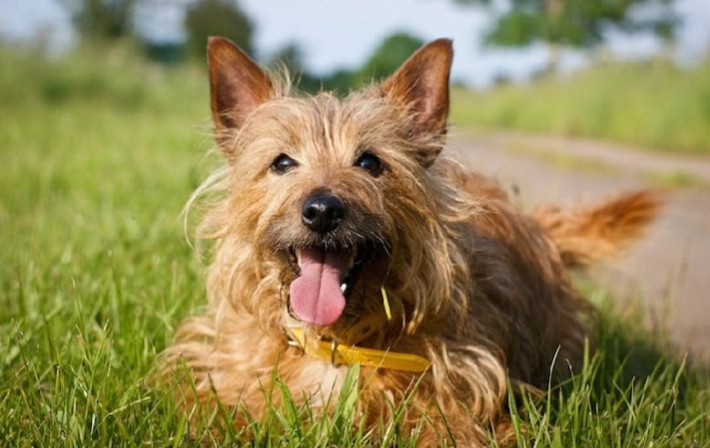
Many breed profiles skim the surface: "loyal, spirited, good watchdog." That's true, but it misses the nuance. It doesn't tell you how that spirit manifests at 6 AM when a squirrel taunts them from the fence. It doesn't explain the depth of their loyalty—which is often reserved for one person primarily—or how their independence can frustrate a first-time dog owner. This guide goes deeper.
What's Inside This Guide?
What Exactly is the Australian Terrier Temperament?
To understand them, you have to remember their job. Bred in Australia to control rats, snakes, and other pests on farms and mines, they needed grit, intelligence, and self-reliance. The American Kennel Club breed standard calls them "alert, spirited, and self-confident" with a "natural aggressiveness" toward rodents. That last bit is key—it's not malice, it's hardwired purpose.
Their temperament boils down to a few dominant traits that interplay constantly.
| Trait | What It Looks Like | Potential Impact |
|---|---|---|
| Spirited & Alert | Always on patrol. Ears up, eyes scanning. The first to notice a delivery person three blocks away. Bouncy, energetic play style. | Excellent watchdog. Can lead to excessive barking if not channeled. Requires mental stimulation. |
| Loyal & Affectionate | Forms a deep, devoted bond with their family. Often chooses a favorite person. Loves to be near you, often underfoot. Enjoys cuddles on their own terms. | Can develop separation anxiety if not taught independence. Their loyalty makes training rewarding. |
| Confident & Fearless | Unaware of their small size. Will confront much larger dogs or strange situations without hesitation. Not typically nervous or shy. | Needs careful socialization to ensure confidence doesn't tip into aggression. Owner must provide safe boundaries. |
| Independent & Intelligent | Thinks for themselves. Quick to learn but asks, "What's in it for me?" May problem-solve in ways you don't appreciate (like figuring out how to open cupboard doors). | Training requires patience and high-value rewards. Can be stubborn. Boredom leads to mischief. |
I recall my Aussie, Finn, at a year old, standing his ground against a curious deer in our yard. He was a tenth of its size, but his posture screamed, "This is my yard, pal." That fearlessness is endearing until you realize it means they don't automatically look to you for guidance in scary situations—they trust their own judgment first.
The Independent Streak: Managing the Terrier Mind
This is the make-or-break point for many owners. That independence is what allowed them to work away from human direction, making decisions to corner a rat. In a modern home, it translates to a dog that is trainable but not necessarily obedient in the way a Golden Retriever is.
They cooperate because they want to, not because they feel obligated. The biggest mistake I see is owners using heavy-handed, repetitive methods. An Aussie will just shut down or become creatively defiant.
The successful approach is partnership, not dictatorship.
You become the most interesting source of good things—fun, food, adventure. Training sessions need to be short, varied, and heavily rewarded. Think of it as a game. "Find it" games using their nose, learning silly tricks, and agility-style exercises work their body and their independent mind. If you just drill "sit" and "stay," you'll lose them.
Their intelligence is a double-edged sword. They can learn the routine so well that they start anticipating and trying to run the show. Finn learned that the sound of my laptop closing meant a walk was imminent. Soon, he'd start barking at the laptop if I used it during "walk time." I had to break that chain by randomizing our schedule.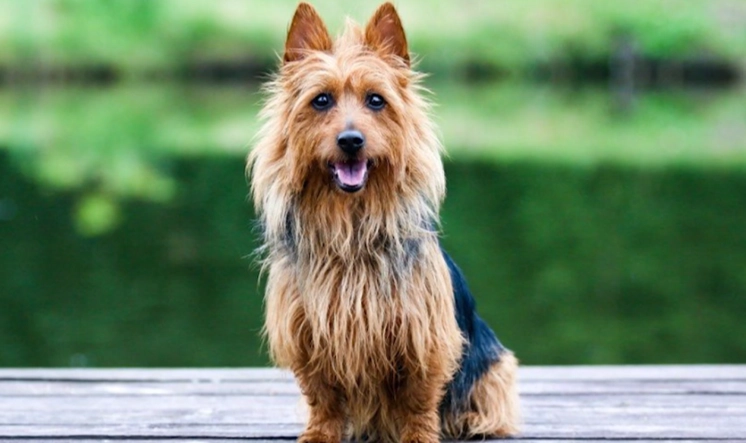
A Nuance on Socialization
Everyone says "socialize early," but with an Australian Terrier, it's not just about exposure. It's about positive exposure that teaches them to look to you in novel situations. Because they're confident, a bad experience (like being bowled over by a rude puppy) won't necessarily make them fearful—it might make them defensive or reactive in similar future situations. The goal is to build a library of calm, positive associations so their default to new things is curiosity, not confrontation.
Are They a Good Family Fit? Kids, Pets & Living Spaces
Quick Take: Australian Terriers can be great family dogs for active households with older, dog-savvy children. They are less suited for homes with very young kids who might mishandle them or with existing small pets like hamsters. Their adaptability to apartments is conditional on sufficient exercise and bark management.
With Children: They are generally sturdy and playful, but their patience has limits. They thrive with children who are calm and respectful, not those who chase, hug tightly, or pull ears. Always supervise interactions, and teach kids how to invite the dog to play and recognize when the dog needs space. An Aussie will give a warning growl if annoyed, and it's crucial that children (and adults) heed it.
With Other Pets: This is the trickiest area. Dog-to-dog, they often do fine, especially with proper introductions. Same-sex aggression can occur, particularly between males. The major red flag is their prey drive. Cohabitation with cats is possible if the Aussie is raised with a confident cat from puppyhood, but it's never a guarantee. Small animals like rabbits, guinea pigs, or birds should be considered strictly off-limits and kept in absolutely secure, separate areas. Their instinct to chase and grab is instantaneous and powerful.
Apartment Living: Yes, their size suits small spaces. But their energy and voice do not. Success hinges entirely on the owner's commitment to providing structured, daily physical and mental exercise. Two good walks plus active play and training are the minimum. Without it, that spirited temperament will express itself through destructive chewing or nuisance barking at every hallway noise, which will quickly sour neighborly relations.
Training & Exercise: Working With Their Temperament
Exercise for an Aussie isn't optional; it's a temperament management tool. A tired terrier is a (relatively) well-behaved terrier. But "exercise" needs definition.
- Physical: At least 45-60 minutes of active time daily. This isn't just backyard pottering. Leash walks, hikes, games of fetch (they are often ball-obsessed), and running alongside a bike (when safely trained) are great.
- Mental: This is where you win. Nosework (hiding treats), puzzle toys, learning new tricks, and short training sessions. They need to use their brain to be satisfied.
Training must be consistent and positive. They respond terribly to anger or frustration. Use what motivates them—usually food, but often play or praise. Keep commands clear. Their independence means they'll test boundaries constantly, especially during adolescence (around 8-18 months). This is normal. Stay calm, be consistent, and don't let bad habits form because they're "cute" when they're small.
Recall (coming when called) is a critical but challenging command to master outdoors due to their prey drive. Never trust it 100% in an unsecured area. Use long lines in parks and make coming back to you the best thing that happens (jackpot treats, enthusiastic praise).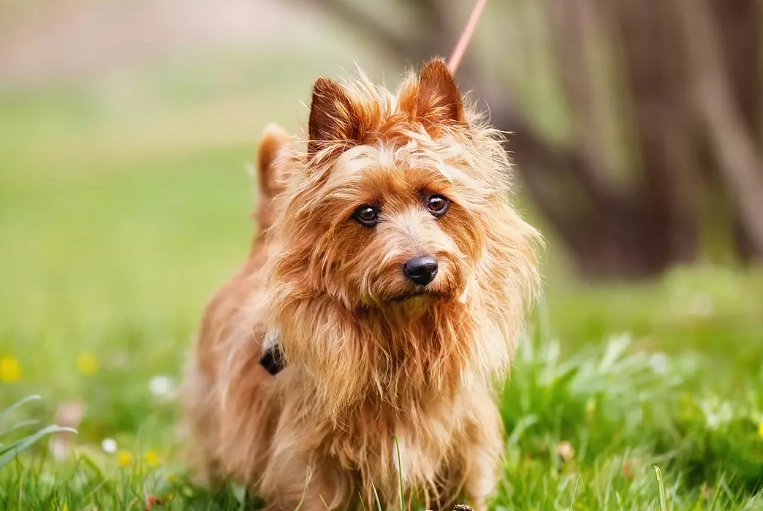
Common Temperament Challenges & Real Solutions
Let's address the elephants in the room: barking, digging, and stubbornness.
Barking: They are vocal. It's their alert system. The goal is management, not cure. First, ensure needs are met (exercise, mental stimulation). Then, teach a "quiet" cue. The moment they stop barking on their own, say "quiet," mark it (with a clicker or a "yes!"), and reward. Never reward the barking itself with attention, even negative attention. For territorial barking at windows, consider managing their access to view triggers.
Digging: Another bred-in trait (to dig out rodents). Provide an outlet! A designated sandbox or corner of the yard where digging is allowed. Bury toys there and encourage them to dig them up. Redirect them to this spot every time they dig elsewhere.
Stubbornness/Selective Hearing: This is usually a motivation issue. Are you more interesting than the environment? Up your reward value (try real chicken, not kibble). Make training a game. And sometimes, you just need to wait them out with calm patience. Winning a battle of wills with an Aussie is exhausting and often counterproductive.
Your Australian Terrier Temperament Questions
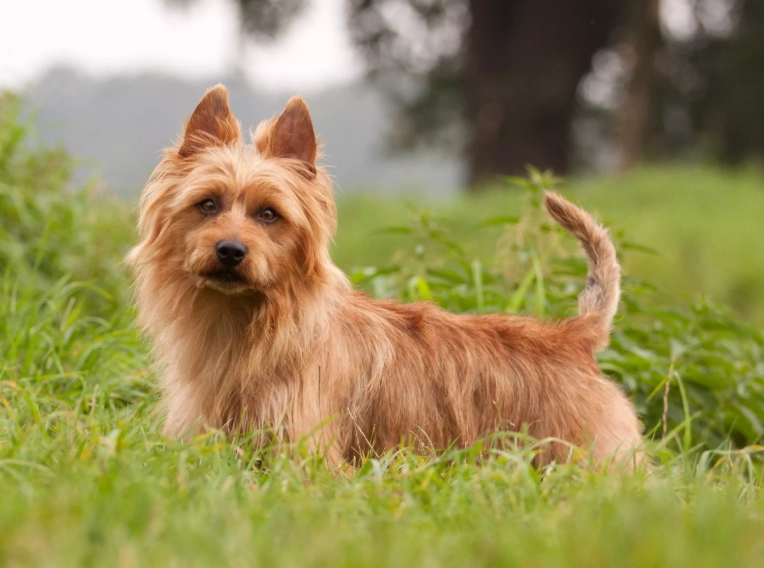 The Australian Terrier temperament isn't for everyone. They demand engagement, consistency, and a good sense of humor. They will challenge you, make you laugh, and surprise you with their depth of character. If you want an easy, low-maintenance dog, look elsewhere. But if you're prepared for a partnership with a bold, loving, and endlessly entertaining little character who will be fiercely devoted to you, the Australian Terrier offers a unique and rewarding experience. They're not just pets; they're full-fledged, opinionated family members with a job to do—even if that job is now just keeping your life interesting.
Reader Comments