You typed that question into Google. Maybe you saw a picture of one, all sleek skin and perky ears, and got curious. Or perhaps you're actively looking for a hypoallergenic companion and heard this might be the breed. Whatever brought you here, the short answer is a definitive yes. American Hairless Terriers (AHTs) are genuinely rare dogs. But that simple answer doesn't help you much, does it? What does "rare" actually mean for finding one, for the price, for the wait? Let's get into the gritty details that most overviews gloss over.
What You'll Discover in This Guide
How Rare Are American Hairless Terriers? The Numbers Explained
We need to move past vague terms. Let's talk data. The American Kennel Club (AKC), the main registry for purebred dogs in the US, ranks breeds by popularity based on annual registration numbers. For the past decade, the American Hairless Terrier has consistently lingered outside the top 150, often hovering around the 180s out of 200 recognized breeds.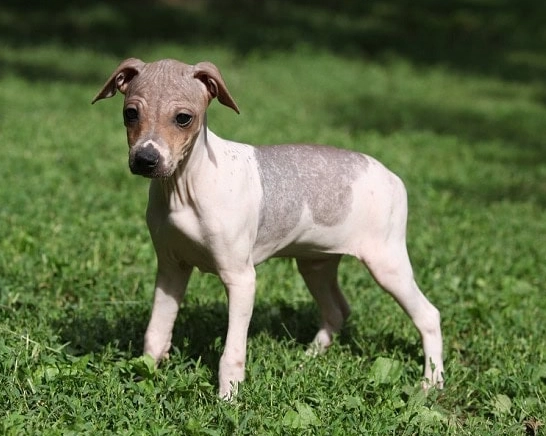
Think about that. Below the Norwegian Lundehund, below the Finnish Spitz. Breeds you've probably never heard of.
To give you perspective, the AKC registered over 40,000 French Bulldogs in a recent year. Reputable AHT breeders? A dedicated one might produce two to four litters a year, with an average of 3-5 puppies per litter. The math is stark. The entire annual supply from ethical breeders could fit in a large living room. This scarcity directly fuels everything else: the search difficulty, the price, and the waitlists.
Key Insight: Rarity isn't just a fun fact. It's the primary driver of your entire experience in acquiring this breed. It dictates where you look, how long you wait, and how much you scrutinize a breeder.
Why Are They So Uncommon? It's Not Just the Look
If they're such great hypoallergenic dogs, why aren't there more? The reasons are a mix of history, biology, and responsible breeding ethics.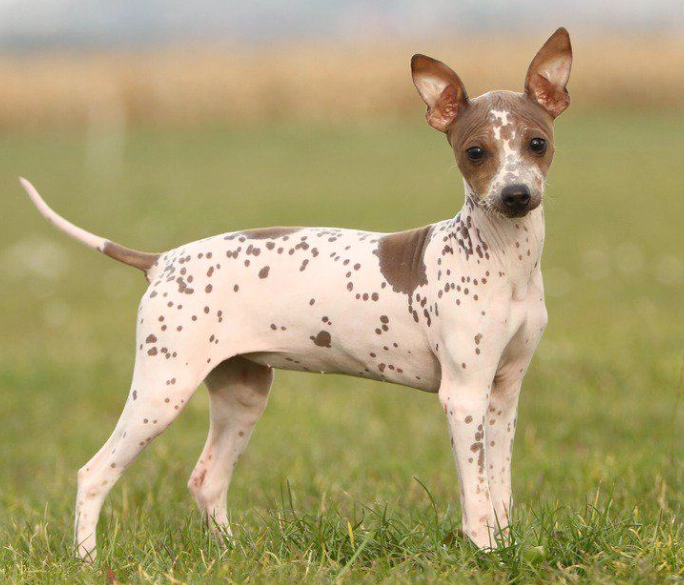
A Very Modern, Accidental Creation
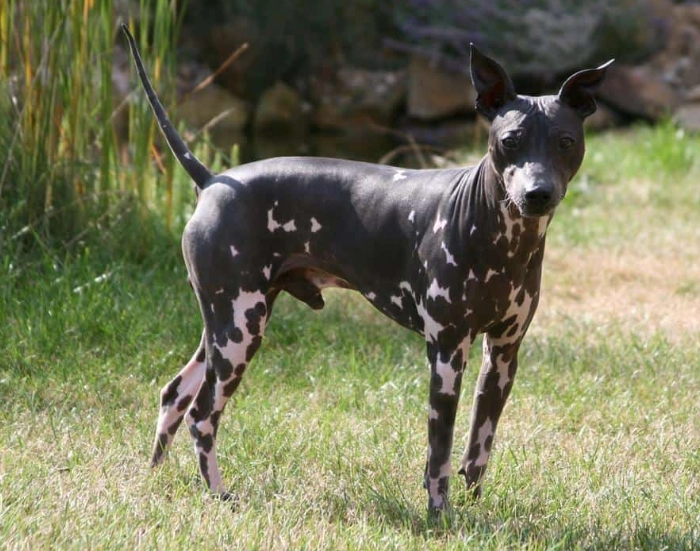
Unlike ancient breeds, the AHT story starts in 1972 with a single hairless puppy, a genetic mutation born in a Rat Terrier litter. All modern AHTs descend from that one dog, named Josephine. The breed was only fully recognized by the AKC in 2016. It's a newborn in dog breed terms. The gene pool, while carefully managed, is inherently smaller than breeds with centuries of history.
The Breeding Bottleneck
Here's a nuance many miss. The hairlessness gene is recessive. Breeding two hairless AHTs together is lethal to the puppies in utero. Ethical breeders must strategically breed a hairless dog with a coated (Rat Terrier-type) carrier to produce healthy, hairless offspring. This automatically limits the potential output of hairless puppies from any given mating.
Not a Mass-Market Dog
Reputable breeders aren't in it for volume. They are passionate about health, temperament, and preserving the breed. They perform expensive health screenings (patellas, heart, eyes) and carefully match pairs. This is slow, expensive work. They'd rather have a five-person waitlist for a well-bred puppy than pump out litters to meet demand. This integrity, while admirable, is a huge contributor to the scarcity you feel as a buyer.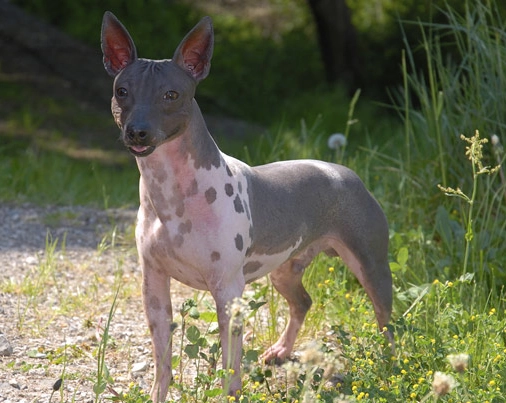
How to Find an American Hairless Terrier: A Step-by-Step Guide
Finding one requires a strategy. Typing "American Hairless Terrier puppies for sale" into Google is a fast track to scams or puppy mills. Here's a better path.
Start with the official parent club: the American Hairless Terrier Association (AHTA). Their breeder referral list is ground zero. These breeders pledge to follow a code of ethics. Expect to email, fill out applications, and have phone interviews. They will vet you as much as you vet them.
Be prepared to wait. Six months to two years is not unusual for a puppy from a top breeder. Ask where you are on the list. A good breeder will be transparent.
What about alternatives? Let's compare your main options.
| Option | Pros | Cons & Red Flags | Realistic Timeline |
|---|---|---|---|
| AHTA-Listed Breeder | Health-tested parents, known lineage, lifelong support, best chance at sound temperament. | Long waitlists, higher cost, rigorous application process. | 6-24 months |
| Non-Listed but Reputable Breeder | May have shorter waits, still health-focused. | Requires deep due diligence. Must ask for health test proof (OFA/PennHIP). | 3-12 months |
| Rescue/Adoption | Lower cost, giving a dog a home. Check AHTA Rescue. | Extremely rare opportunity. Most are coated Rat Terrier mixes mislabeled. | Unpredictable, could be years. |
| Online Classifieds/Pet Stores | Immediate availability. | HIGH RISK. Almost certainly a puppy mill. No health testing, behavioral issues, supports unethical practices. | Immediate (and dangerous) |
I once spoke to a breeder who had a three-year waitlist. She told me the hardest part was turning down people who were "ready now." She said, "I'd rather they be disappointed with me than heartbroken by a sick puppy from someone else." That mindset defines the ethical side of this rare breed world.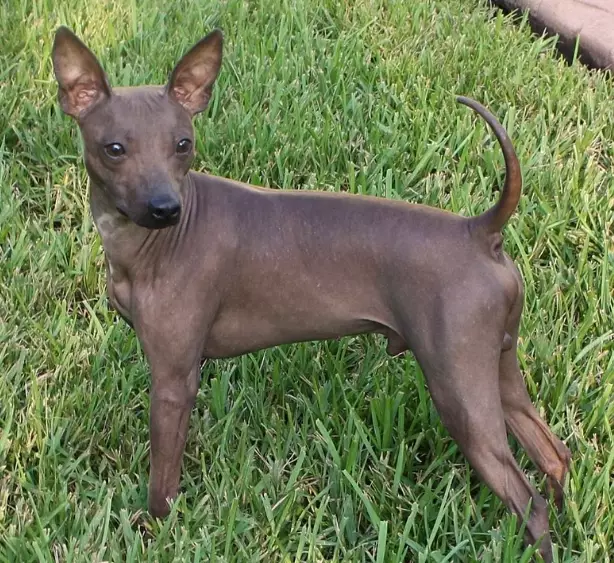
The Real Cost: More Than Just the Purchase Price
Let's talk money, because the rarity hits your wallet hard.
From an AHTA-recommended breeder, expect to pay $1,800 to $3,500 for a pet-quality puppy. Show or breeding prospects cost more. A price under $1,500 should make you very skeptical. What are you paying for? Years of health testing on the parents, premium care for the dam and litter, the breeder's expertise, and that coveted genetic predictability.
But the purchase is just the entry fee. Their unique needs add up:
- Skin Care Arsenal: Dog-safe sunscreen ($15-$25), gentle moisturizer or coconut oil, mild, soap-free shampoo. This is a recurring cost.
- Wardrobe: They get cold. A good-quality sweater or coat ($30-$60) is mandatory in cooler climates, not a fashion accessory.
- Health Insurance: With a limited gene pool, insurance is wise. Budget $40-$80/month.
- Potential Vet Bills: They can be prone to minor skin infections or dental issues (a trait from their terrier side). Having a savings buffer is key.
What It's Actually Like to Live With One
Beyond rarity and cost, what's the day-to-day? If you're imagining a low-energy lap dog, think again.
The Temperament: All Terrier
They are terriers first, hairless second. That means intelligent, energetic, curious, and sometimes stubborn. They need mental stimulation and daily play. A bored AHT might redecorate your home. They are fiercely loyal and often bond closely with one person. Socialization is non-negotiable to curb typical terrier suspicion of strangers.
The Skin is a Commitment
You become a part-time dermatologist. You'll learn their skin's normal texture. You'll apply sunscreen before every sunny walk. In winter, the coat goes on. You might deal with blackheads (yes, dogs get them too). Some develop minor seasonal allergies. It's not hard, but it requires a consistent routine. Forget it, and you'll have an uncomfortable, sunburned, or chilly dog.
The Allergy Question (The Big One)
This is where I see the most misconception. People see "hairless" and think "100% hypoallergenic." It's not that simple. Allergens come from dander (skin flakes), saliva, and urine. No hair means far less allergen-trapping fur around your house, which is a massive benefit. Most allergy sufferers do significantly better with an AHT than a shedding breed.
But it's not a cure. The only way to know is to spend hours, preferably in a breeder's home, with adult dogs. Do not rely on a 15-minute puppy visit. I know someone who adopted a "hypoallergenic" dog only to discover they were allergic to its saliva. Do the legwork.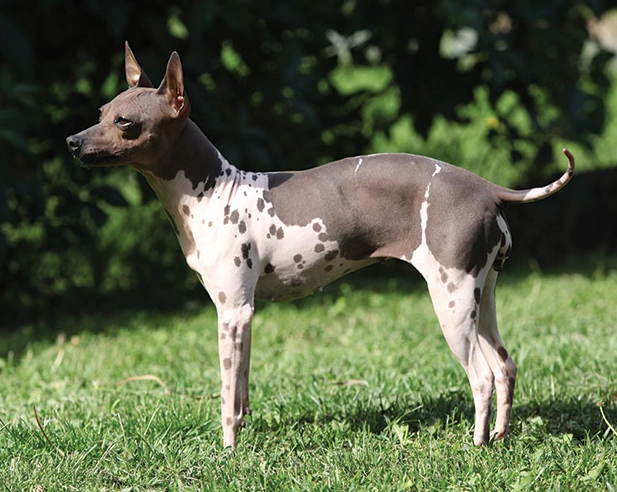
Your Questions, Answered Honestly
So, are American Hairless Terriers rare? Absolutely. That rarity shapes the entire journey of owning one. It means patience in the search, investment in their cost, and dedication to their unique care. It's not the easy path to dog ownership. But for the right person—someone who values their quirky terrier spirit, can handle the skin-care routine, and has the patience to find an ethical source—that rarity is part of what makes the bond special. You're not just getting a dog; you're becoming the steward of a unique and special little piece of canine history.
Reader Comments