In This Guide
Let's cut to the chase. If you're a Basset Hound owner, you've probably wondered what the biggest health threat is to your droopy-eared friend. After years in veterinary practice and talking to breed clubs, I can tell you that cancer is the most common cause of death in Basset Hounds. It's not just a vague statistic—it's something I've seen too many times in the clinic. But here's the thing: knowing this isn't meant to scare you. It's meant to empower you. In this guide, I'll break down exactly why cancer tops the list, what other dangers lurk, and most importantly, how you can fight back.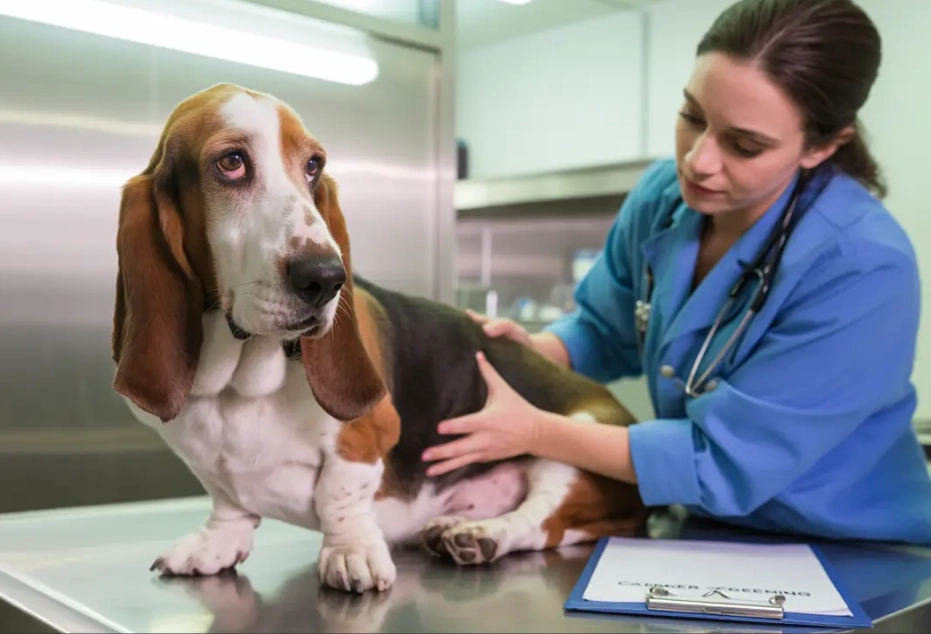
What is the Most Common Cause of Death in Basset Hounds?
Cancer. Plain and simple. According to health surveys from organizations like the Basset Hound Club of America, cancer accounts for roughly 30-40% of deaths in the breed. That's a huge chunk. And it's not just one type—Bassets are prone to several cancers, with lymphoma and bone cancer being the usual suspects. I remember a client's dog, Buddy, who was only six when he was diagnosed with lymphoma. The owner missed the early signs because they were subtle: just a bit of lethargy and swollen lymph nodes. That's the kicker with Basset Hounds. Their laid-back nature can mask symptoms until it's too late.
Why are they so susceptible? Genetics play a big role. Bassets have been bred for specific traits, and unfortunately, some of those breeding lines carry higher cancer risks. Add in factors like obesity (which Bassets are famous for) and environmental exposures, and you've got a perfect storm. But don't just take my word for it. The American Veterinary Medical Association highlights that cancer is a leading cause of death in many dog breeds, especially those with deep chests and short legs, like Bassets.
Types of Cancer Most Seen in Basset Hounds
Let's get specific. Here are the cancers you should watch out for:
- Lymphoma: This affects the lymph nodes and immune system. Symptoms include swollen glands, weight loss, and lethargy. It's aggressive but treatable if caught early.
- Osteosarcoma (Bone Cancer): Often strikes the legs. Bassets might limp or show pain when moving. This one is nasty because it can spread quickly.
- Mast Cell Tumors: These are skin cancers that can look like harmless lumps. I've seen owners dismiss them as bug bites, only to find out they're malignant.
What many owners don't realize is that cancer in Bassets often shows up in middle age, around 6-10 years old. That's why regular vet checks are non-negotiable. And no, waiting for annual visits isn't enough if you notice something off.
Other Leading Health Threats to Basset Hounds
Cancer might be the top killer, but it's not the only one. Bassets have a unique build that brings other risks. Here's a quick table to summarize:
| Health Issue | Why It's Common | How It Can Lead to Death |
|---|---|---|
| Heart Disease (e.g., Dilated Cardiomyopathy) | Genetic predisposition; often linked to diet and weight | Heart failure over time; sudden cardiac events |
| Intervertebral Disc Disease (IVDD) | Long back and short legs put pressure on the spine | Spinal cord damage, paralysis, or complications from surgery |
| Obesity-Related Issues (e.g., Diabetes, Joint Problems) | Love for food and low activity levels; owners overfeeding | Organ failure, infections, or reduced mobility leading to euthanasia |
Heart disease is a silent killer. I've had Bassets come in with a cough, and next thing you know, we're diagnosing heart failure. It's often manageable with medication, but if ignored, it can be fatal. IVDD is another big one. That long back isn't just cute—it's a structural weakness. A simple jump off the couch can herniate a disc. I've seen dogs go from fine to paralyzed in hours. And obesity? It's the elephant in the room. So many owners think a chunky Basset is happy, but extra weight strains everything from joints to the heart, shortening lifespan significantly.
The Role of Ears and Skin Problems
Don't overlook the obvious. Those floppy ears are breeding grounds for infections. Chronic ear issues can lead to systemic infections or even neurological problems if untreated. Skin folds trap moisture and bacteria, causing dermatitis that, in severe cases, can lead to sepsis. It sounds extreme, but I've treated Bassets where a simple ear infection spiraled because the owner didn't catch it early.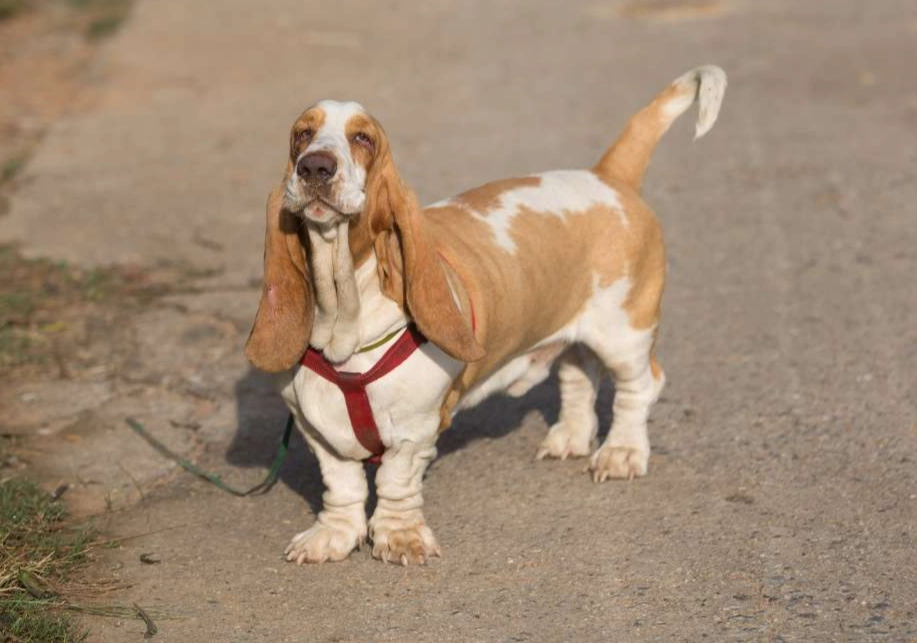
How to Spot Early Warning Signs
This is where most owners slip up. Bassets are stoic. They won't whine until the pain is unbearable. So, you need to be a detective. Here's a checklist I give my clients:
- Unexplained weight loss or gain: Even a few pounds can signal cancer or metabolic issues.
- Lethargy beyond their usual laziness: If your Basset refuses walks or sleeps more than usual, dig deeper.
- Lumps or bumps: Feel your dog's body monthly. Any new growth? Get it checked—don't wait.
- Changes in appetite or drinking habits: Drinking too much water can indicate kidney issues or diabetes.
- Difficulty moving or limping: Could be arthritis, but also bone cancer.
One subtle sign I've noticed: Bassets with early cancer often have a dull coat or bad breath. It's easy to brush off as aging, but it's worth a vet visit. And here's a pro tip: keep a health journal. Note any changes in behavior, no matter how small. It helps vets connect dots faster.
Prevention Strategies from a Vet
Prevention isn't about guarantees—it's about stacking the odds in your favor. Based on my experience, here's what works:
Diet and Nutrition
Stop free-feeding. Bassets will eat until they burst. Measure their food and opt for high-quality, low-grain diets. Some studies, like those referenced by the World Small Animal Veterinary Association, suggest that diets rich in omega-3 fatty acids and antioxidants may reduce cancer risk. I recommend adding fresh veggies like carrots or blueberries as treats. Avoid cheap kibble with fillers; it's linked to obesity and inflammation.
Exercise and Weight Management
Yes, Bassets are couch potatoes, but they need daily walks. Aim for 30 minutes a day, broken into short sessions to protect their joints. Use a harness, not a collar, to avoid neck strain. Keep their weight in check—you should be able to feel their ribs without pressing hard. I've seen dogs drop 5 pounds and reverse early diabetes symptoms.
Regular Veterinary Care
Don't skip check-ups. For adult Bassets, go every 6 months, not yearly. Ask for blood work and urinalysis annually to catch issues early. Consider genetic testing if you're getting a puppy—some breeders screen for cancer markers. And spay/neuter at the right age; early spaying in females might reduce mammary cancer risk, but discuss timing with your vet.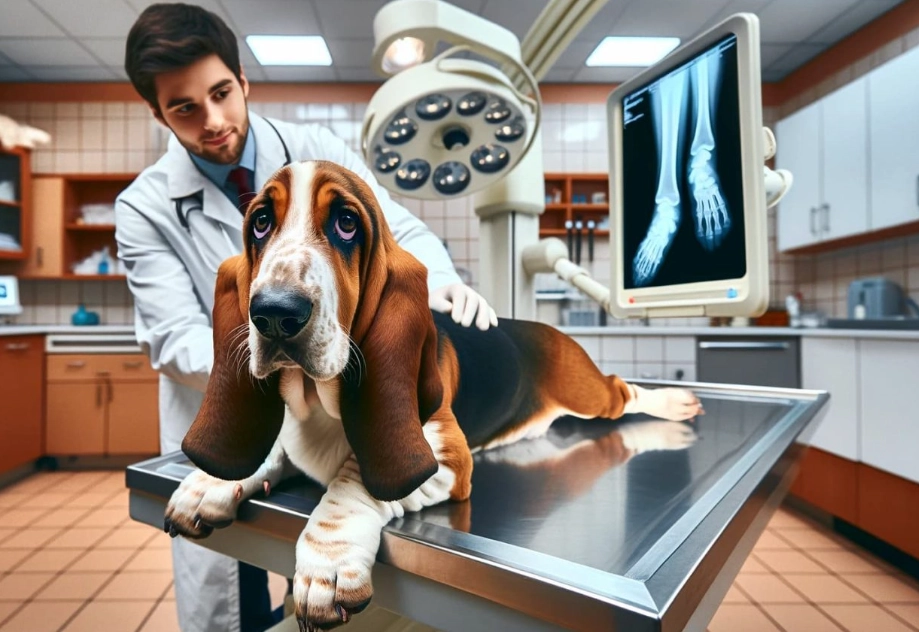
Expert Mistake to Avoid: Many owners assume "natural" or "raw" diets are automatically better. I've seen Bassets develop nutritional imbalances or bacterial infections from poorly planned raw diets. Always consult a vet before making drastic changes.
Real-Life Case: Max's Story
Let me tell you about Max, a 9-year-old Basset I treated. His owner, Sarah, brought him in because he was slowing down. She thought it was just old age. But during the exam, I felt a small lump near his shoulder. Sarah said it had been there for months, but she figured it was a fatty tumor common in Bassets. We did a biopsy—it was osteosarcoma. Because she waited, it had spread to his lungs. We managed his pain with medication and adjusted his diet, but he passed within a year. The lesson? Don't assume. Get every lump checked, even if it seems harmless. Sarah now volunteers with the Basset Hound Club of America to spread awareness. Max's story isn't rare; it's a wake-up call.
Frequently Asked Questions
 Are there specific breeds Basset Hounds should avoid mating with to lower genetic risks?
Reader Comments