What You'll Learn in This Guide
Let's cut to the chase. If you're wondering about the American Eskimo dog lifespan, you're probably hoping for a long, healthy companion. Good news: these fluffy, smart dogs often live 12 to 15 years, with many hitting 14 or 15. But I've seen too many owners settle for the average without realizing they can push that number higher. It's not just genetics; it's about the daily choices you make. I remember my neighbor's Eskie, Max, who lived to 16 because his owner was obsessive about diet and exercise—while another friend's dog barely made it to 11 due to neglected dental care. The difference? Actionable knowledge. In this guide, I'll break down the lifespan facts, debunk some myths, and give you a clear path to maximize your Eskie's years.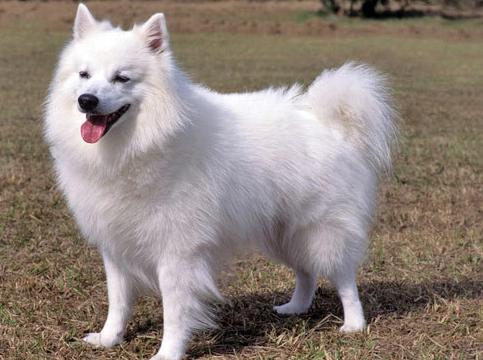
The Real Numbers on American Eskimo Dog Lifespan
First, the basics. According to the American Kennel Club, American Eskimo dogs are generally healthy with a lifespan of 12-15 years. But that's a broad range. Dig deeper, and you'll find that size matters. Eskies come in three varieties: Toy, Miniature, and Standard. Toys and Minis often live on the longer side, sometimes reaching 16 years, while Standards might average 12-14 years. Why? Smaller dogs tend to have slower metabolisms and fewer joint issues, though this isn't a hard rule.
Here's a quick table to visualize it based on data from breed surveys and veterinary reports:
| Variety | Weight Range | Typical Lifespan | Notes |
|---|---|---|---|
| Toy American Eskimo | 6-10 lbs | 13-16 years | Often longer due to less strain on organs |
| Miniature American Eskimo | 10-20 lbs | 12-15 years | Most common, balanced longevity |
| Standard American Eskimo | 25-35 lbs | 12-14 years | May face more orthopedic challenges |
But don't just fixate on averages. I've met Eskies that blew past 15 because their owners focused on prevention. The key is understanding what drives these numbers.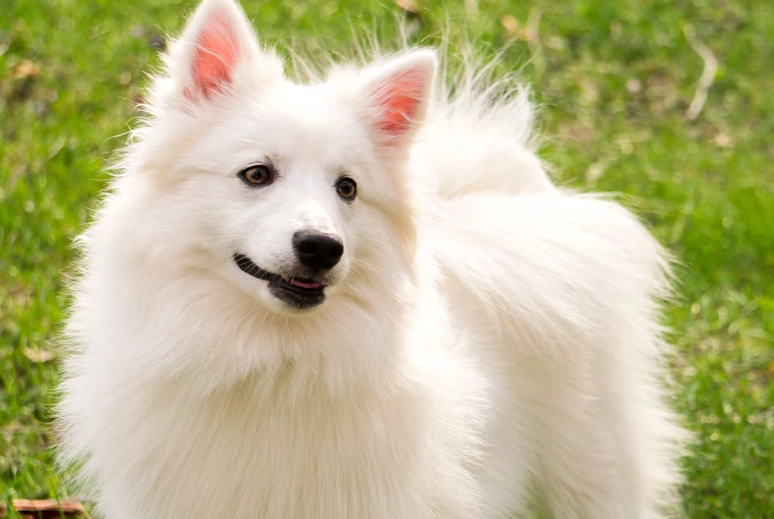
What Actually Impacts How Long Your Eskie Lives
Lifespan isn't a lottery. It's influenced by factors you can control. Let's talk about the big ones.
Genetics and Breeding
This is the foundation. Reputable breeders screen for health issues like hip dysplasia and progressive retinal atrophy. If you get a puppy from a backyard breeder, you might inherit hidden problems that shorten life. Always ask for health clearances—Orthopedic Foundation for Animals (OFA) certifications are a must. I learned this the hard way with a rescue Eskie who had undiagnosed thyroid issues; it took years to manage.
Diet and Nutrition
Food is fuel, and bad fuel kills early. The biggest mistake? Overfeeding. American Eskimos are prone to obesity, which can slice years off their life. A study by the Association for Pet Obesity Prevention shows that lean dogs live up to 2.5 years longer. Focus on high-quality protein, avoid fillers like corn and wheat, and measure portions. My vet friend swears by a raw or high-meat diet for Eskies, but consult your vet first. Treats should be healthy—think carrots or blueberries, not processed junk.
Exercise and Mental Stimulation
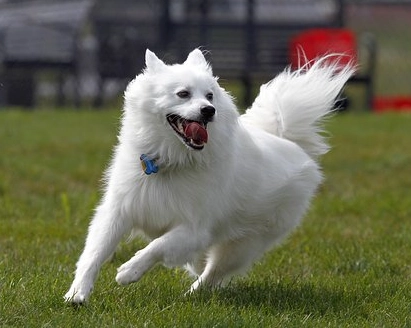
Eskies are active and smart. Without enough exercise, they get fat and bored. Aim for at least 30-60 minutes daily: walks, fetch, or agility training. Mental stimulation is equally vital. Puzzle toys, training sessions, or scent games keep their brains sharp. A bored Eskie can develop anxiety, leading to stress-related health issues. I've seen dogs with regular enrichment live more vibrant lives into old age.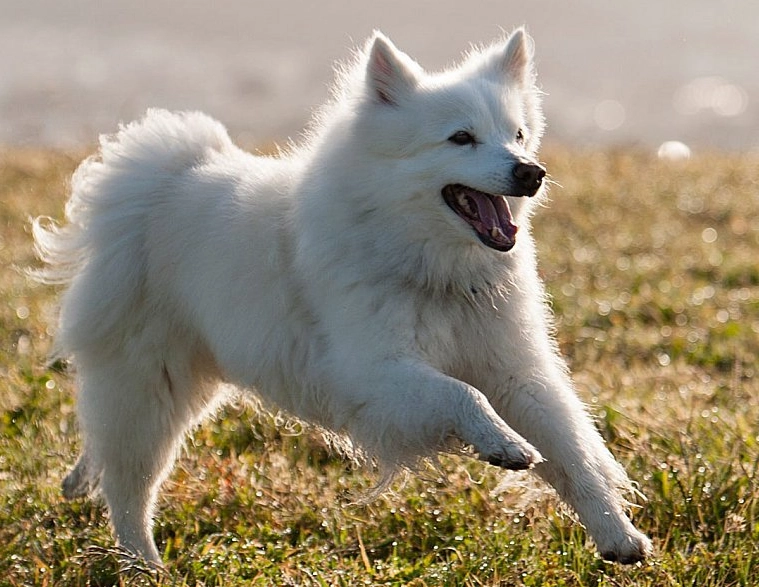
Veterinary Care
Regular check-ups catch problems early. Many owners skip annual visits, but that's a gamble. Dental cleanings, vaccinations, and blood work are non-negotiable. Hypothyroidism is common in Eskies—a simple blood test can detect it early, and medication can add years. Don't wait for symptoms; be proactive.
Personal Insight: When my own Eskie, Luna, turned 10, I started bi-annual vet visits. It caught early kidney issues that diet changes managed easily. That extra vigilance probably added 2-3 years to her life.
Common Health Problems and Early Warning Signs
Knowing what to watch for can save your dog's life. American Eskimos are generally robust, but they have vulnerabilities.
- Hip Dysplasia: A genetic joint issue. Signs include limping or reluctance to jump. Keep your Eskie at a healthy weight to reduce strain.
- Progressive Retinal Atrophy (PRA): An eye disease that can lead to blindness. Regular eye exams help. Breeders should test for it.
- Dental Disease: Extremely common. Bad breath, tartar buildup. Brush their teeth daily—yes, daily. I use a finger brush and dog toothpaste; it's easier than you think.
- Hypothyroidism: Underactive thyroid causes weight gain, lethargy. A blood test diagnoses it; medication is cheap and effective.
- Allergies: Skin itching or ear infections. Often linked to diet or environment. Switch to hypoallergenic food if needed.
Early detection is everything. If your Eskie seems off, don't chalk it up to aging. Get it checked.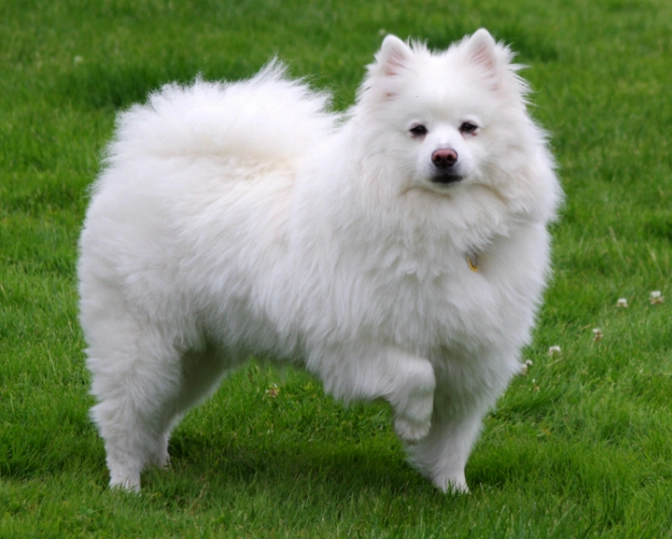
Actionable Steps to Add Years to Your Dog's Life
Let's get practical. Here's a step-by-step plan based on what works.
Step 1: Optimize Diet
Ditch the generic kibble. Look for brands with real meat as the first ingredient, no artificial additives. Consider a vet-recommended weight management plan if your Eskie is overweight. Feed twice daily to prevent bloat. Add omega-3 supplements for joint health—fish oil works wonders.
Step 2: Create an Exercise Routine
Mix it up. Morning walks, evening play sessions. Incorporate mental challenges: hide treats, teach new tricks. Eskies thrive on routine. If you're busy, hire a dog walker or use doggy daycare. Inactivity is a silent killer.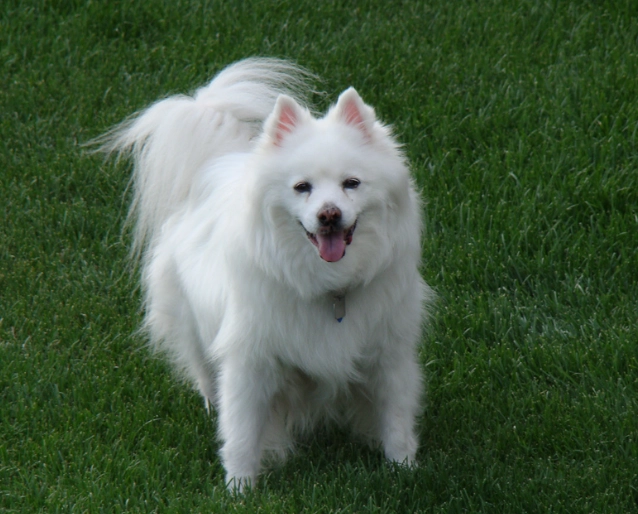
Step 3: Schedule Preventive Vet Care
Mark your calendar: annual check-up, dental cleaning every 6-12 months, blood work for seniors (age 7+). Discuss breed-specific tests with your vet. Keep vaccinations up-to-date but avoid over-vaccination; titer tests can help.
Step 4: Manage Environment
Reduce stress. Eskies are sensitive to change. Provide a safe space, avoid loud noises. Keep toxins out of reach—certain plants, foods like chocolate are dangerous. Regular grooming prevents skin issues.
Imagine this scenario: Your Eskie is 8 years old, slightly overweight. You switch to a high-protein diet, increase walks by 15 minutes daily, and add a weekly swimming session (low-impact exercise). Within months, weight drops, energy spikes. You've just added potential years.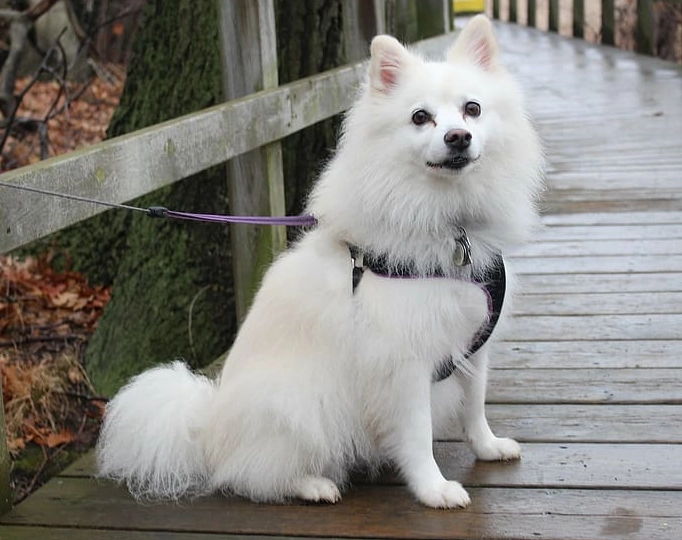
Your Top Questions Answered
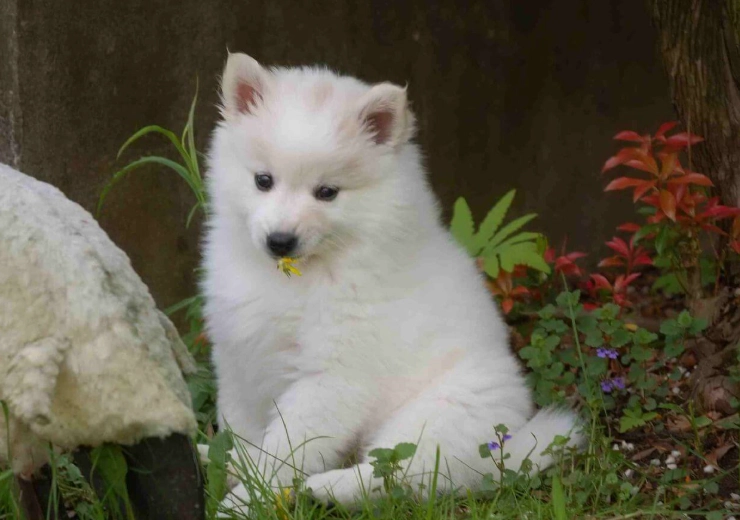
Wrapping up, the American Eskimo dog lifespan isn't set in stone. With attention to diet, exercise, vet care, and mental health, you can help your Eskie live a full, happy life. Start today—small changes add up. And remember, it's not just about adding years; it's about adding life to those years.
Reader Comments