So you're thinking about bringing home an Airedale Terrier, the "King of Terriers." They're smart, loyal, and full of character. But that question keeps popping up in your searches and in your mind: are Airedale Terriers high maintenance? Let's cut through the generic advice. The short answer is yes, they demand more than your average Labrador. But the real answer is more nuanced. It's not just about brushing; it's about understanding a specific type of dog mind and a very particular kind of dog coat. If you're looking for a low-effort companion, stop reading now. But if you're willing to trade effort for an unparalleled partnership, let's dive into what "high maintenance" truly means for an Airedale.
What’s in This Guide?
The Grooming Grind: More Than Just a Haircut
This is where the "high maintenance" label sticks hardest, and for good reason. An Airedale's double coat – a soft, dense undercoat and a hard, wiry topcoat – is designed for protection. Neglect it, and you'll have a matted, smelly dog and a huge vet bill for skin issues.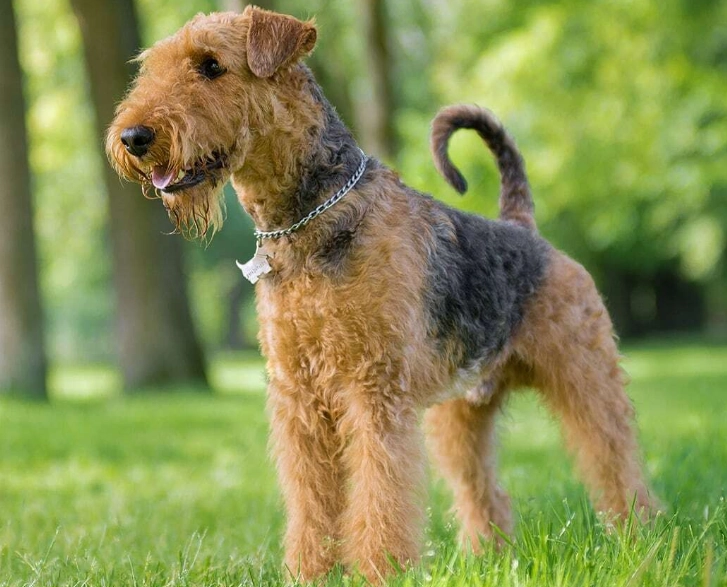
The Hand-Stripping Debate (It's Not Really a Debate)
Most articles mention hand-stripping. Few explain why it's critical. Clipping or shaving an Airedale's coat damages it. The wire hairs get softer, the color can fade to a washed-out grey or tan, and the coat loses its weather-resistant quality. Hand-stripping pulls the dead topcoat out by the root, encouraging new, harsh wire to grow in. It maintains the proper texture and that classic black saddle and tan points.
Here's the reality check: professional hand-stripping is expensive ($80-$150+ per session) and needed every 2-3 months. You can learn to do it yourself, but it's a skill. It takes time, patience, and a tolerance for your dog standing on a table for an hour while you pluck tiny hairs.
Weekly Upkeep: Brushing Is Non-Negotiable
Between stripping sessions, you're not off the hook. That undercoat loves to shed and trap dirt. A thorough brush-out with a slicker brush and a metal comb 2-3 times a week is mandatory. Focus on friction areas: behind the ears, under the collar, the armpits, and the rear end. Miss a week, and you'll be dealing with mats that are painful to remove.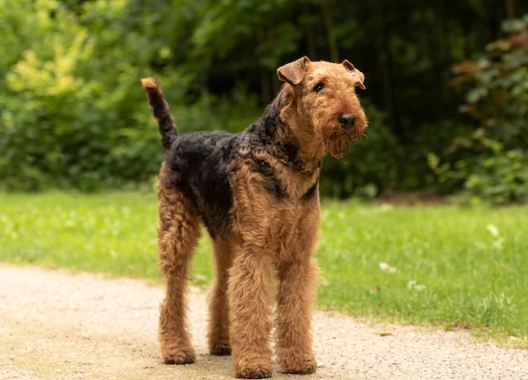
Training the Independent Thinker
Airedales are brilliantly smart. That's the problem. They don't just follow commands; they evaluate them. This isn't maintenance of the body, but of the mind – and it's constant.
They have a stubborn streak born of independence. Recall training is a lifelong project. That terrier prey drive means a squirrel across the park can override years of "come" commands in an instant. You need high-value rewards, immense consistency, and frankly, a good long-line lead for safety in open areas.
Socialization isn't optional puppy class; it's a critical investment. Without it, their natural wariness can tip into reactivity. This means exposing them positively to all sorts of people, dogs, sounds, and surfaces during their first year, and continuing to reinforce it. It's not a one-and-done task.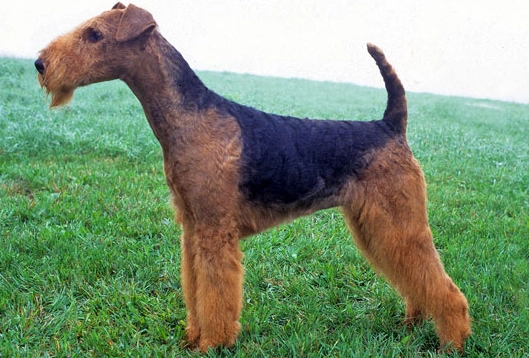
Exercise Needs: Beyond the Daily Walk
An Airedale isn't a couch potato. A bored Airedale is a destructive Airedale. We're talking about a dog bred to hunt otters and rats – they have energy and need a job.
Physical exercise: Think 60-90 minutes minimum per day. This isn't a leisurely stroll. This is brisk walking, hiking, running alongside a bike (when fully grown), or intense fetch sessions.
Mental exercise: This is the secret sauce. Puzzle toys, scent work (hiding treats), advanced obedience training, or dog sports like agility or barn hunt. I rotate three different puzzle feeders for meals alone. It tires them out more than a walk.
If your lifestyle is mostly sedentary or you're away from home 10 hours a day, an Airedale will express their pent-up energy on your sofa, your shoes, or your drywall.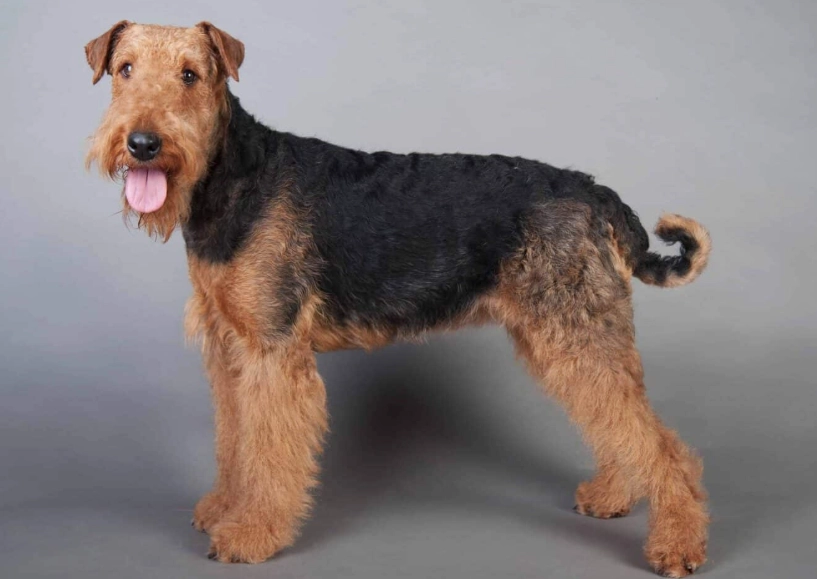
Health Vigilance and Common Issues
Like many purebreds, they have genetic predispositions. Maintenance here means being proactive and financially prepared.
- Hip Dysplasia: Reputable breeders screen for this. Ask for Orthopedic Foundation for Animals (OFA) or PennHIP certificates. Keeping them at a lean weight is one of the best preventative measures.
- Skin Allergies: Not uncommon. You might find yourself experimenting with diets (often moving to limited ingredient or novel protein foods) and dealing with seasonal itchiness. This can mean additional baths with medicated shampoo and vet visits.
- Bloat (GDV): A life-threatening emergency common in deep-chested breeds. Maintenance means feeding multiple small meals a day instead of one large one, avoiding vigorous exercise around mealtimes, and knowing the nearest emergency vet's location.
Pet insurance or a dedicated savings account isn't a bad idea. According to the American Kennel Club, responsible ownership includes planning for these possibilities.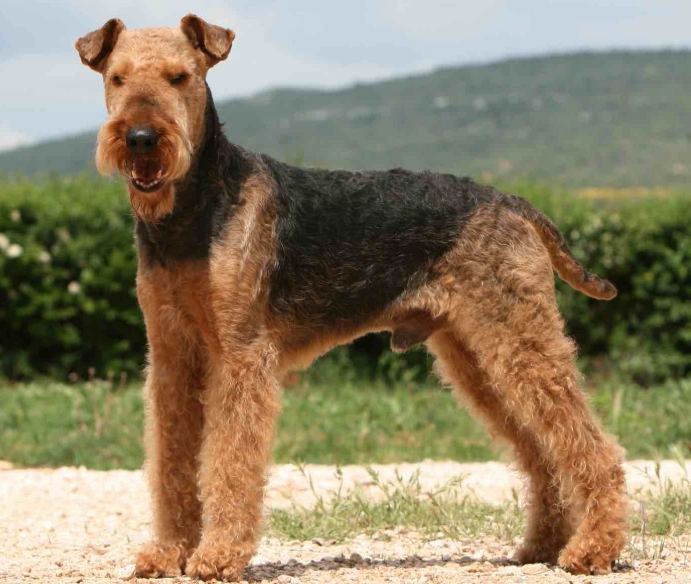
Is an Airedale Terrier the Right Fit for Your Lifestyle?
Let's be blunt. An Airedale is not a low-maintenance dog. They are a high-engagement dog. They thrive with active owners or families who see dog ownership as a hobby, not just a responsibility.
You might be a good fit if: You enjoy training, love outdoor activities, have a secure yard, appreciate a dog with a big personality, and have the budget for professional grooming/vet care.
Think twice if: You want a dog that's always eager to please without question, you have a very busy schedule with little downtime, you're on a tight budget, or you're annoyed by dog hair (they do shed their undercoat!).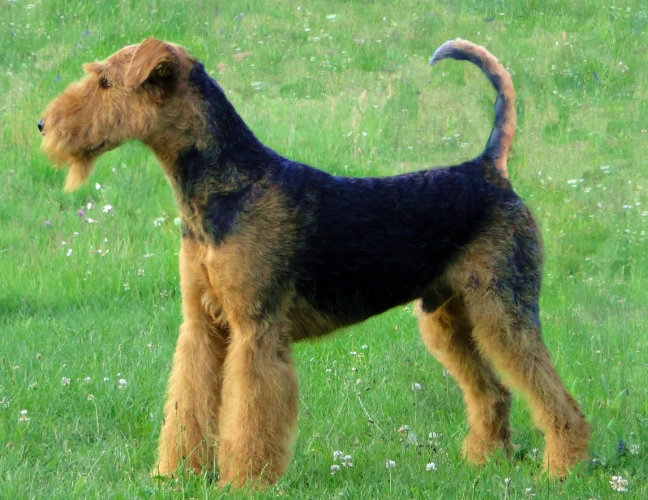
Your Airedale Maintenance Questions Answered
So, are Airedale Terriers high maintenance? Absolutely. But framing it as "high maintenance" might miss the point. They are high-commitment, high-reward dogs. The maintenance isn't busywork; it's the ongoing investment in a relationship with a bold, intelligent, and fiercely loyal partner. If you put in the work – the consistent grooming, the engaging training, the active lifestyle – you don't just get a pet. You get an Airedale. And for the right person, that's worth every minute.
Reader Comments