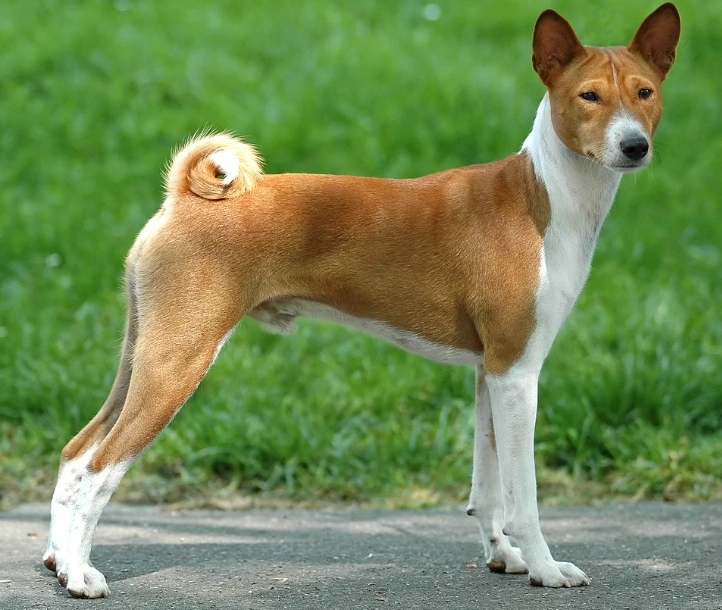
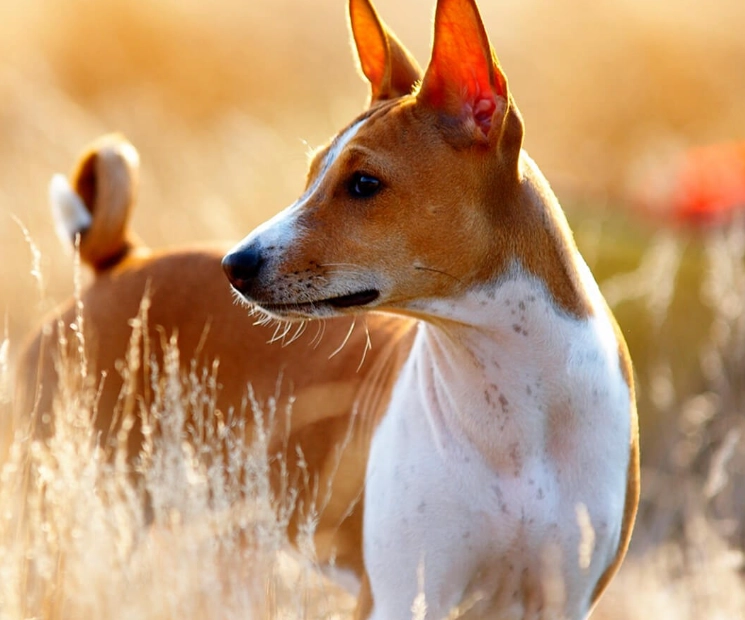
Let's talk about the Basenji. You might have seen one – that elegant, fox-like dog with the wrinkled forehead and tightly curled tail, looking like it's carrying the wisdom of the ancients. Or maybe you've just heard the term "barkless dog" and wondered, what's the deal with that? Is it even a real thing? It absolutely is. The Basenji is one of the most unique and ancient dog breeds on the planet, and owning one is... well, it's not like owning a Labrador. I remember the first time I met a Basenji at a friend's house. It didn't come bounding up to me. It stood across the room, assessed me with this unnervingly intelligent gaze, and then let out this bizarre sound – a kind of yodel-chortle. I was hooked. But here's the thing everyone needs to understand right off the bat: the Basenji is a primitive breed. That's not a value judgment; it's a technical classification. It means they're closer to their wild ancestors in behavior and instinct than, say, a Poodle is. This translates to a dog that is fiercely independent, incredibly smart (sometimes too smart for their own good), and has a mind of its own. They're often described as "cat-like," and that's pretty accurate. If you're looking for a velcro dog that lives to please you, look elsewhere. But if you're fascinated by a canine with deep history, elegant looks, and a personality that's equal parts charming and challenging, then you're in the right place. This guide isn't just a list of facts from a breed standard. We're going to dig into what it's really like to live with a Basenji, the good, the bad, and the downright puzzling. Quick Fact: The Basenji is known as the "barkless dog" of Africa, but they are far from silent. They produce a unique range of vocalizations including chortles, yodels, and the famous "baroo" sound. They just don't produce a typical, repetitive dog bark. This breed's story is literally etched in stone. Depictions of dogs strikingly similar to the modern Basenji appear in ancient Egyptian tombs and artifacts. There's a famous bronze statue from the Sixth Dynasty of Egypt (around 2345–2181 BCE) that looks just like one. They were likely gifts from Central African rulers, treasured for their keen sight, speed, and quiet hunting style. For centuries, the Basenji evolved in the Congo Basin and surrounding regions of Central Africa. They weren't "bred" in the modern sense by humans selecting for specific traits. Instead, they were shaped by natural selection and their role as partners to the local tribes. The Azande and Mangbetu people, among others, used them as versatile hunting dogs. Their silence was a huge asset for flushing game into nets without raising an alarm. Their keen eyesight, elegant build, and that tightly curled tail (which helped them be seen in dense brush) were all survival traits. The journey to the Western world was rocky. Early attempts to bring them to England in the late 1800s and early 1900s failed because the imported dogs died of distemper. It wasn't until the 1930s that a successful breeding program was established, first in England and then in the United States. The American Kennel Club (AKC) officially recognized the Basenji in 1943. This ancient, functional origin is the key to understanding the Basenji's personality. They weren't bred to sit on laps or herd sheep. They were bred to think for themselves in the complex environment of the African rainforest. That independent streak isn't a flaw; it's a feature baked in over millennia. Okay, so they don't bark. What do they do, and what do they look like? A Basenji is a study in graceful efficiency. They're a medium-small dog, typically standing 16 to 17 inches at the shoulder and weighing between 22 and 24 pounds. Females are slightly smaller. They're light-boned but muscular, built for speed and agility. Their coat is short, fine, and lies close to the body. It comes in several stunning color combinations: They have almond-shaped, dark hazel eyes that seem to miss nothing. Their ears are small, pointed, and stand erect. And then there's the forehead – often wrinkled with fine lines, especially when they are alert or curious, giving them that perpetually thoughtful expression. The tail is a tight, single or double curl, set high and lying close to the thigh. One of their best features? They are famously clean. Like cats, they spend a lot of time grooming themselves. Many owners report they have very little "doggy odor," and they tend to keep themselves quite tidy. Shedding is minimal, but it does happen, especially with seasonal changes. Describing a Basenji's personality is where words start to fail. You really have to experience it. They are incredibly intelligent, but this isn't the biddable intelligence of a Border Collie. It's a problem-solving, "what's-in-it-for-me" intelligence. They can learn commands quickly, but whether they choose to obey is another matter entirely. Stubborn is a word you'll hear a lot. I prefer "selectively cooperative." They are affectionate, but on their own terms. A Basenji might not be a constant cuddler, but they form deep, loyal bonds with their family. They'll often choose one favorite person. Their affection is shown in subtle ways: leaning against you, following you from room to room (just to supervise, of course), or that happy yodel when you come home. They are curious and energetic. A bored Basenji is a destructive Basenji. They need mental and physical stimulation. They excel at dog sports like lure coursing, agility, and rally obedience—activities that engage both their body and their mind. But their curiosity is legendary. They are master escape artists, capable of climbing fences, opening doors, and solving puzzle locks. You must have a secure, Basenji-proofed yard and home. And yes, they are vocal, just not in the usual way. The famous Basenji yodel is a strange, joyful sound. They also chortle, whine, and make a sound that can only be described as a "baroo." They can scream when frightened or extremely upset. It's a piercing sound you won't forget. The lack of a bark is a plus for apartment living, but don't assume they're silent. Heads Up: That high prey drive from their hunting days is very much intact. Squirrels, cats (sometimes even their own feline siblings), rabbits, and small pets are often viewed as prey. Recall off-leash in an unsecured area is notoriously difficult with a Basenji. If they see something to chase, their ears turn off. A securely fenced area or a long-line leash is non-negotiable for safe exercise. So, you're still interested. What does daily life actually entail? A tired Basenji is a good Basenji. We're not talking marathon-runner levels, but they need a solid 45-60 minutes of active exercise daily. This should be a mix: Without this, their energy will find its own outlet. Chewing, digging, and general mischief are common signs of an under-stimulated Basenji. Forget harsh, repetitive methods. Positive reinforcement is the only way with a Basenji. They respond to praise, play, and especially food. But you have to keep it interesting. They get bored with repetition quickly. Socialization from a young puppyhood is critical. Expose them to all sorts of people, places, sounds, and other dogs (carefully and positively). A well-socialized Basenji is a confident, well-adjusted dog. An undersocialized one can become fearful or reactive. Housetraining can be a challenge. They are clean by nature, but their stubborn streak can prolong the process. Consistency and a strict schedule are your best friends here. Crate training is highly recommended, not as punishment, but as a safe den for them and a way to prevent accidents when you can't supervise. A Basenji owner once told me, "You don't train a Basenji. You negotiate with it." That sums it up perfectly. You have to make them think obeying you is their idea, or at least that it's highly profitable for them. This is where the Basenji truly shines. That short coat requires minimal upkeep. A weekly rub-down with a rubber grooming mitt or a soft brush is enough to remove loose hair and distribute skin oils. They rarely need baths unless they get into something messy. Pay attention to their nails (trim regularly), ears (check for dirt or wax buildup weekly), and teeth (brush several times a week to prevent dental disease). Like all purebred dogs, Basenjis are prone to certain genetic health conditions. Responsible breeders test their breeding stock to minimize these risks. When looking for a breeder, ask for proof of health testing. The good news is that with a responsible breeder and proactive veterinary care, many Basenjis live long, healthy lives of 13-16 years or more. Let's cut to the chase. A Basenji is not for everyone. They are a niche breed for a reason. Ask yourself these questions: If you answered "no" to any of the first four questions, a Basenji is likely not your dog. And that's okay! There's a perfect dog for everyone, and it might not be this one. If you've read this far and are still nodding along, the next step is finding your Basenji. This is the most common route for getting a puppy. A good breeder is your partner for the life of the dog. They should: A puppy from a good breeder will cost anywhere from $1,800 to $3,000+. This reflects the cost of health testing, proper care, and the breeder's investment in the breed's future. Many Basenjis end up in rescue because people weren't prepared for their unique needs. Rescue is a wonderful option, especially for a first-time Basenji owner who might benefit from an adult dog with a known personality. Organizations like Basenji Rescue and Transport (BRAT) are fantastic. They foster dogs in homes, assess their temperament, and work hard to match the right dog with the right family. An adult rescue dog can be a smoother introduction to the breed. My Two Cents: I have immense respect for good breeders who are preserving the health and temperament of this ancient breed. But I also cheer for rescue. If you're open to an adult dog, check out rescue first. You might just find your perfect, yodeling soulmate and give a second chance to a dog who really needs it. They do not produce a typical, repetitive "woof woof" bark. However, they are a very vocal breed with a wide repertoire of sounds: yodels, chortles, whines, screams, and that distinctive "baroo." They are communicative, just in their own language. They can be, but it depends heavily on the individual dog and the children. Basenjis are often tolerant but may not appreciate rough handling or constant intrusion on their space. They do best with respectful, older children who understand dog body language. Supervision is always necessary. They are not a naturally "nanny" type breed. Surprisingly, they can be excellent apartment dogs if their exercise needs are met. Their small size, clean habits, and lack of a disturbing bark are big pluses. The critical factor is committing to providing them with sufficient daily activity outside the apartment. A bored Basenji in a small space will find destructive ways to entertain itself. Almost always, it's due to a combination of boredom and excess energy. They are intelligent working dogs. Chewing, digging, and shredding are outlets for mental and physical energy they haven't burned off. The solution isn't just more exercise (though that's part of it), but also more mental stimulation: training, food puzzles, scent games, and rotating toys. No dog is 100% hypoallergenic. Basenjis shed less than many breeds and groom themselves fastidiously, which can reduce the amount of dander (the common allergen) in the environment. People with mild allergies may do fine with a Basenji, but someone with severe allergies should spend time with the breed before committing. Owning a Basenji is a journey, not a simple pet transaction. It's a relationship with a creature that feels profoundly ancient and intelligent. They will frustrate you, make you laugh out loud with their silly antics, and awe you with their graceful beauty and fierce independence. They are not easy. But for the right person—someone who values intelligence over blind obedience, who sees the partnership as a collaboration, and who is ready to provide structure, stimulation, and a deep well of patience—a Basenji is more than a dog. They are a connection to a forgotten world, a living piece of history that will curl up (on its own terms) at the foot of your bed. Do your homework. Talk to breeders and rescue organizations. Meet as many Basenjis as you can. Be brutally honest with yourself about your lifestyle. If it lines up, you might just welcome home one of the most fascinating companions the canine world has to offer.Quick Navigation
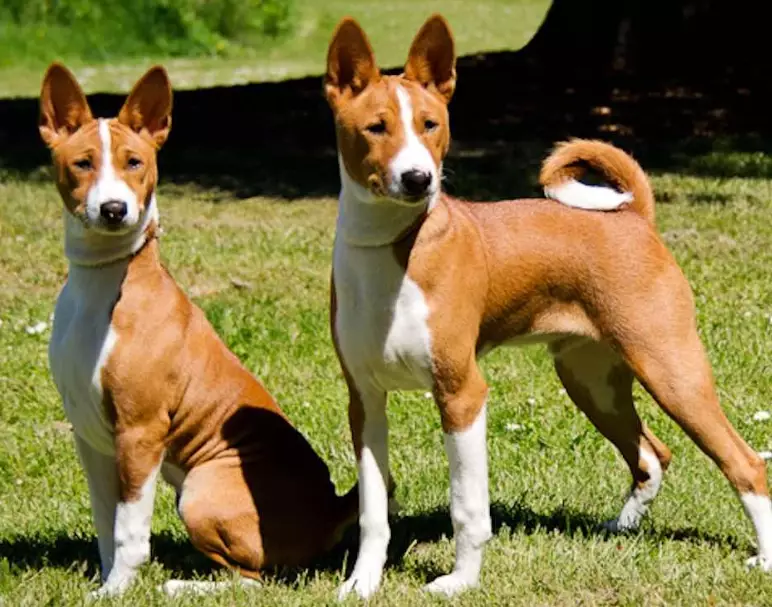
Where Did the Basenji Come From? A Slice of Canine History
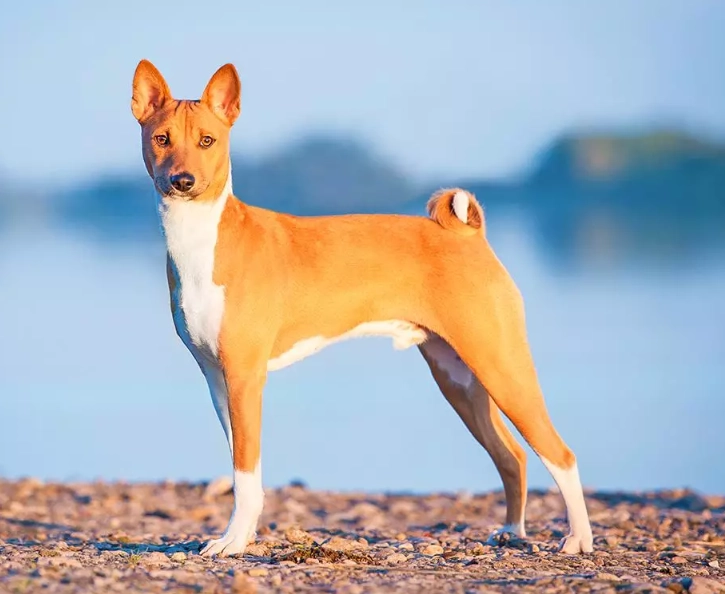
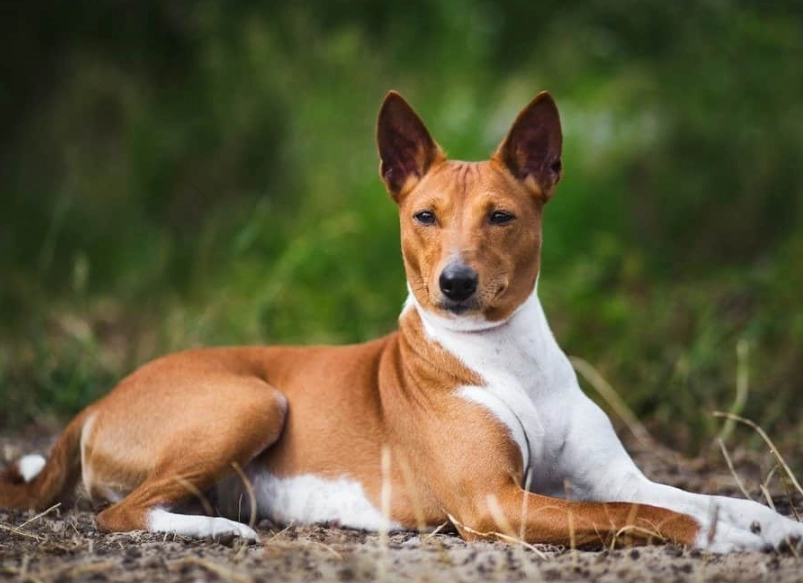
What Does a Basenji Look and Act Like? Beyond the Barkless Label
The Physical Package: Elegance and Efficiency
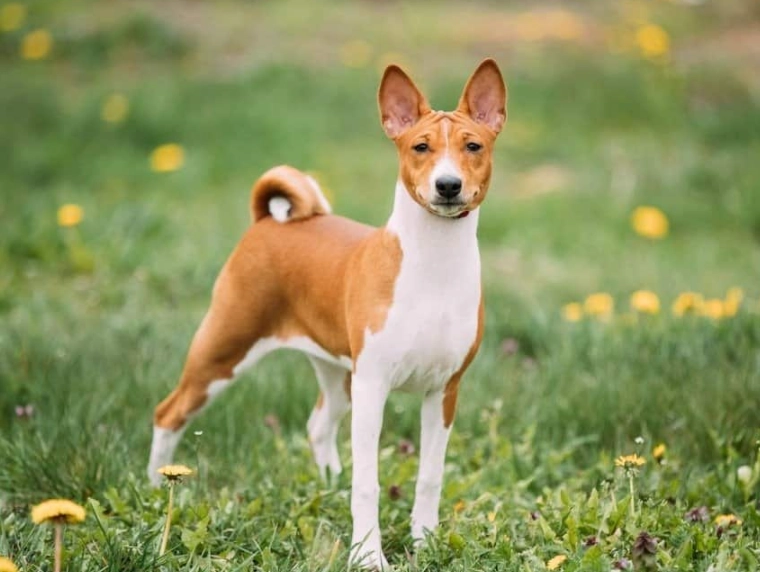
The Personality: Cat, Monkey, or Dog?
Living with a Basenji: The Day-to-Day Reality
Exercise Needs: More Than a Walk Around the Block
Training: Patience, Creativity, and High-Value Treats
Grooming and Care: The Easy Part
Basenji Health: What You Need to Watch For
Health Condition
Description
Prevention/Management
Fanconi Syndrome
A serious kidney disorder where the kidneys fail to properly reabsorb nutrients. It typically appears in middle age (4-7 years old).
There is a DNA test available. Responsible breeders test for it. Owners of Basenjis should do annual urine glucose tests starting at age 3. Early detection and management (diet, supplements) can lead to a good quality of life. The Basenji Health Foundation has extensive resources.
Progressive Retinal Atrophy (PRA)
A group of diseases that cause the gradual deterioration of the retina, leading to blindness.
DNA test available. Breeders should test and not breed affected dogs.
Hypothyroidism
Underactive thyroid gland, leading to weight gain, lethargy, and skin issues.
Diagnosed via blood test. Easily managed with daily medication.
Hemolytic Anemia
Immune-mediated disease where the body destroys its own red blood cells. Can be triggered by certain medications (like sulfa drugs).
Inform your vet your dog is a Basenji. Avoid medications known to trigger it. Be aware of symptoms: lethargy, pale gums, rapid breathing.
IPSID (Immunoproliferative Systemic Intestinal Disease)
A severe intestinal malabsorption disease, similar to Crohn's disease in humans.
Can be managed with specialized diets and medications under a vet's care.
Is a Basenji the Right Dog for You? A Brutally Honest Checklist
Finding a Basenji: Breeder, Rescue, or Bust?
Working with a Responsible Breeder
Considering Basenji Rescue
Your Basenji Questions, Answered
Do Basenjis really not bark at all?
Are Basenjis good with kids?
Are Basenjis good apartment dogs?
Why is my Basenji so destructive?
Are Basenjis hypoallergenic?
The Final Word on the Basenji Breed
The Basenji Dog Breed: Complete Guide to the Barkless Dog
Comment