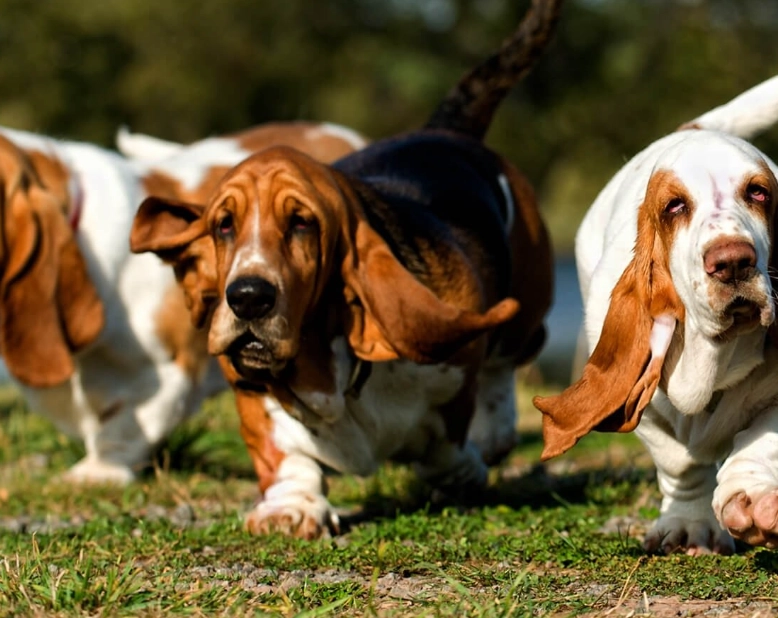
Let's be honest, you probably clicked on this because you saw a picture of a Basset Hound. Those soulful eyes, those ears that could probably sweep the floor, that long, low body that seems to defy physics. They look like a cartoon character come to life. I get it. I was the same way. But is that droopy face all fun and games? Is a Basset Hound the right dog for you? That's what we're going to dig into, and we're not going to sugarcoat it. I remember visiting a friend who had two of them, named Bert and Ernie. The first thing that hit me wasn't the sight of them—it was the smell. A distinct, earthy, houndy odor mixed with the scent of whatever they'd rolled in that morning. The second thing was the symphony of snoring from the couch. The third was watching Ernie completely ignore my friend's call to come inside, opting instead to follow his nose on a critical mission to investigate a mole hill. That's the Basset Hound experience in a nutshell: charming, stubborn, and operating on their own unique frequency. Before we get into the nitty-gritty of living with one, let's talk origins. The Basset Hound, as we know it, was perfected in France and Great Britain. "Basset" comes from the French word "bas," meaning low. They were bred for one job: to use their extraordinary sense of smell to track small game like rabbits and hare, while moving slowly enough for hunters on foot to keep up. Every single one of those iconic features served a purpose. Those loose, wrinkled skin? It helps trap scent particles. The long, heavy ears? They sweep scents up toward the nose. The short legs? They're for stamina and stability in dense underbrush, not for speed. This working background is the key to understanding everything about them. You're not just getting a pet; you're inviting a highly specialized, scent-driven tracking machine into your home. A machine that would rather follow a three-day-old rabbit trail than your most enthusiastic command. That's not a bug; it's a feature. Most breed descriptions will throw words like "gentle," "affectionate," and "good-natured" around. And they're not wrong. A well-socialized Basset Hound is typically fantastic with kids, tolerant of their poking and prodding, and usually peaceful with other dogs. They are not guard dogs. A burglar would more likely be licked to death than bitten. But here's the part that often gets glossed over: the stubbornness. Oh, the stubbornness. It's legendary. This isn't malice or a lack of intelligence. In fact, Bassets are quite clever. The problem is they are independent thinkers bred to make decisions miles away from their human handler. Why should they come when you call if they've just found the most interesting smell in the history of the world? Your recall command simply cannot compete with that. Training a Basset Hound requires patience, consistency, and a really good supply of high-value treats (cheese, hot dog pieces, you get the idea). They respond poorly to harsh methods. You have to make them *want* to work with you. Even then, don't expect blind obedience. You're negotiating with a four-legged diplomat who has a nose for leverage. Let's make a quick list. This breed is a fantastic fit for: Now, you might want to think twice if you: This is the most important section. Loving a Basset means committing to managing some very specific health predispositions. Responsible breeding is crucial, but even the best-bred Basset can face these challenges. Their unique structure comes with trade-offs. Here are the big ones you need to know about: Weight is Everything. I can't stress this enough. An overweight Basset Hound is a disaster waiting to happen. It puts immense strain on their already vulnerable back, joints, heart, and respiratory system. Keeping your Basset lean is the single most impactful thing you can do for their health and longevity. The Veterinary Partner resource on canine obesity is a great place to understand the risks. Daily and weekly care isn't too complex, but it's specific. Forget to do it, and you'll have problems. Grooming: Their short coat is easy to brush (once a week is fine). But the real work is in the folds. You need to check and wipe their facial wrinkles and skin folds weekly to prevent moisture and infection. Nails must be kept short to avoid affecting their gait and putting pressure on the back. And those teeth need regular brushing to prevent dental disease, which is common in the breed. Exercise: Don't be fooled by their couch potato reputation. A Basset Hound needs regular, moderate exercise to stay healthy and sane. We're talking about two good walks a day, maybe 20-30 minutes each. Let them sniff! That's mental stimulation for them. But avoid overdoing it, especially in hot weather, as they can overheat easily. Diet: High-quality food, measured precisely. Talk to your vet about the best option, considering their age and weight. Because of their risk for bloat, raised feeders are often recommended. If you've read this far and are still interested, the next question is where to get one. This is the best way to maximize your chances of getting a healthy puppy. A good breeder will: Avoid pet stores or online brokers at all costs. These often source from puppy mills where health and temperament are not priorities. This can be an incredibly rewarding path. There are many Basset Hound-specific rescues across the country that take in dogs surrendered due to lifestyle changes, unforeseen health costs, or just owners who weren't prepared for the reality of the breed. An adult dog from rescue often comes with a known personality and may already be past the destructive puppy stage. The rescue will usually have evaluated their health and temperament. Be prepared to go through a thorough application process—good rescues vet their adopters carefully. Let's talk about what it's actually like to bring one home. Puppyhood: Basset puppies are adorable, clumsy, and mouthy. They will chew. Provide plenty of appropriate chew toys. Crate training is highly recommended for housebreaking and safety when you can't supervise. Start socializing early—expose them gently to different people, sounds, and experiences. Begin basic obedience (like sit and name recognition) with tasty rewards immediately. Adulthood: This is when their true personality settles in. They'll likely mellow (a bit) but the stubborn streak remains. Consistency is key. They thrive on routine. They are creatures of comfort—a soft bed in every room is a good policy. The Senior Years: With good care, a Basset Hound can live 10-12 years, sometimes longer. Arthritis management becomes critical. You might need to add supplements (like glucosamine), provide orthopedic beds, and ramp everything. Their senses may dull, but their desire for love and food remains strong. I've gotten a lot of the same questions over the years. Here are some straight answers. Surprisingly, they can be. They are relatively low-energy indoors and don't need a yard to run in. However, you must commit to those daily walks. The bigger issue is noise—their bark and bay are loud and carry. Check your lease and be considerate of neighbors. They are moderate shedders. Their short, hard hairs tend to embed themselves in upholstery. Weekly brushing will help manage it, but you'll still find hound hair around. Invest in a good vacuum. They are pack animals and form strong bonds with their family. You are their pack. They want to be near you, often lying right at your feet or following you from room to room. It's a sign of affection, though sometimes it can border on velcro-dog behavior. I would strongly advise against it. Unless you are in a completely secure, fenced area, do not let a Basset Hound off-leash. Their nose takes over, and they can wander off for miles, completely deaf to your calls. It's a major cause of lost Bassets. A long-line training lead in a safe open area is a much better option. It depends heavily on the individual dog and early socialization. Remember, they were bred to track small game. Some Bassets can live peacefully with cats they are raised with, but their high prey drive means careful, supervised introductions are a must. Never assume it will be fine. So, is a Basset Hound the right dog for you? Look, they're not for everyone. They can be messy, loud, stubborn, and expensive. If you want a pristine home, a dog that obeys instantly, or a jogging buddy, look elsewhere. But if you want a dog with a personality bigger than its body, a gentle soul who will make you laugh every single day, and a companion whose love is as deep as their bark is loud, then a Basset Hound might just be your perfect, low-to-the-ground match. Just go in with your eyes wide open. Know about the ear cleanings, the drool towels by the door, the selective hearing. Be prepared to be patient. Have a savings fund for vet bills. And if you do it right, you'll have a loyal, funny, utterly unique friend who will leave paw prints on your heart—and probably your couch. Do your homework. Talk to breeders and rescues. Meet some Bassets in person. Smell them. Listen to them. See if that wonderful, challenging, rewarding Basset Hound life is the life for you.In This Guide
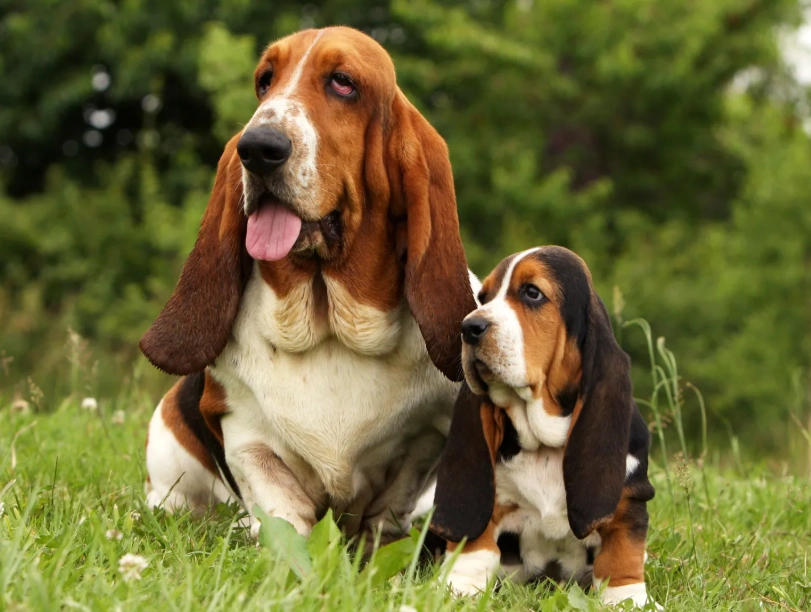
What Exactly Is a Basset Hound?
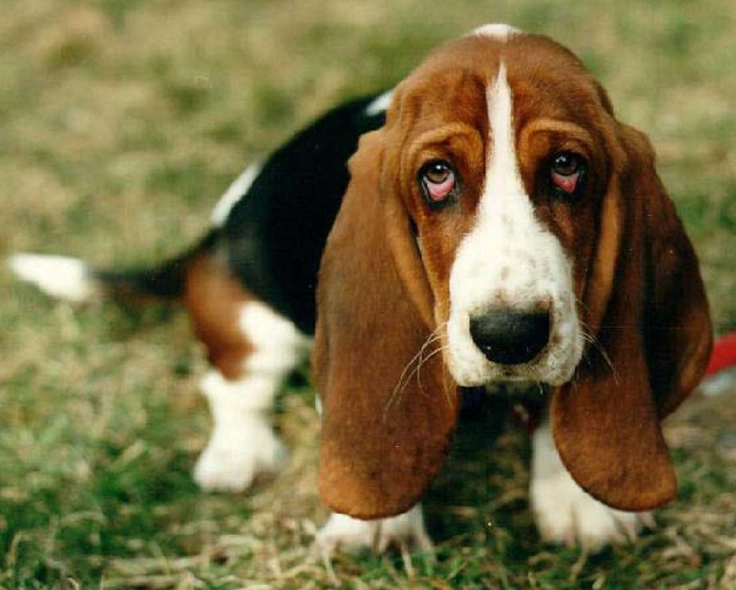
The Basset Hound Personality: Gentle Clown or Stubborn Mule?

Who Should (and Shouldn't) Get a Basset Hound
The Not-So-Glamorous Side: Basset Hound Health & Care
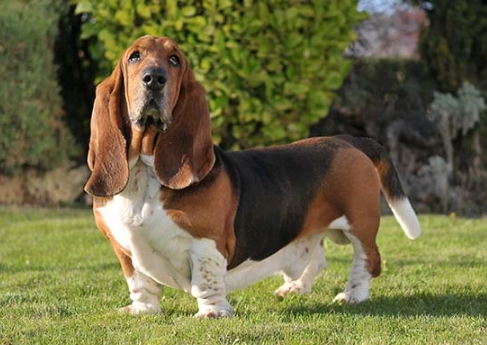
Common Health Problems in Basset Hounds
Health Condition What It Is Prevention & Management Orthopedic Issues Their long back and heavy bone structure make them prone to intervertebral disc disease (IVDD) and arthritis. IVDD can lead to pain, nerve damage, and even paralysis. Keep them at a healthy weight (CRUCIAL). Use ramps for furniture/cars. Avoid stairs and jumping. Regular, low-impact exercise. Ear Infections Those magnificent, floppy ears create a dark, warm, moist environment perfect for yeast and bacteria. Weekly ear cleaning with a vet-approved solution is non-negotiable. Dry ears thoroughly after baths/swimming. Eye Problems Ectropion (droopy lower eyelids) and entropion (inward rolling eyelids) are common. They can also get glaucoma. Regular eye checks. Keeping the face clean and dry. Knowing the signs of eye pain (squinting, redness, discharge). Obesity This is a MAJOR accelerator of almost all their other health problems. Bassets love food and are not naturally active. Strict portion control. Measure food. Limit treats. No free-feeding. Regular weigh-ins. Bloat (GDV) Like other deep-chested breeds, they are at risk for Gastric Dilatation-Volvulus, a life-threatening stomach torsion. Feed multiple small meals a day. Avoid vigorous exercise right before and after eating. Know the emergency signs. Your Basset Hound Care Checklist
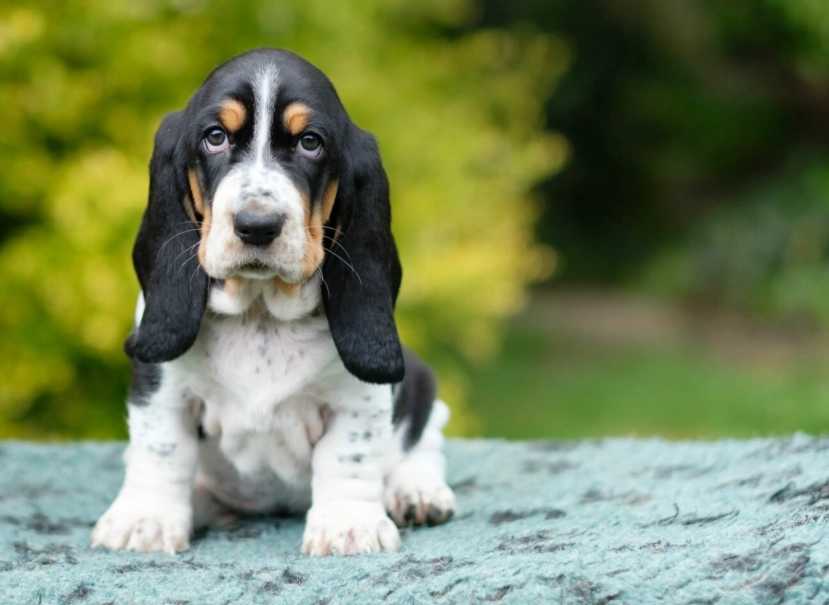

Finding a Basset Hound: Breeder vs. Rescue
Going Through a Responsible Breeder
Adopting a Basset Hound
Living the Basset Life: The First Year and Beyond
Answering Your Basset Hound Questions
Are Basset Hounds good apartment dogs?
How much do Basset Hounds shed?
Why does my Basset Hound follow me everywhere?
Can I let my Basset Hound off-leash?
Do they get along with cats or other small pets?
The Final Sniff Test
The American Kennel Club (AKC) describes the Basset Hound as "among the most appealing of dogs." They're a member of the Hound group, and their official AKC breed standard highlights their substantial bone, powerful build, and gentle, but never timid, demeanor.
My friend with Bert and Ernie had a strict "ear cleaning Wednesday" ritual. It wasn't anyone's favorite activity, but skipping it meant a trip to the vet for itchy, miserable dogs and a hefty bill. It's just part of the Basset package deal.
Comment