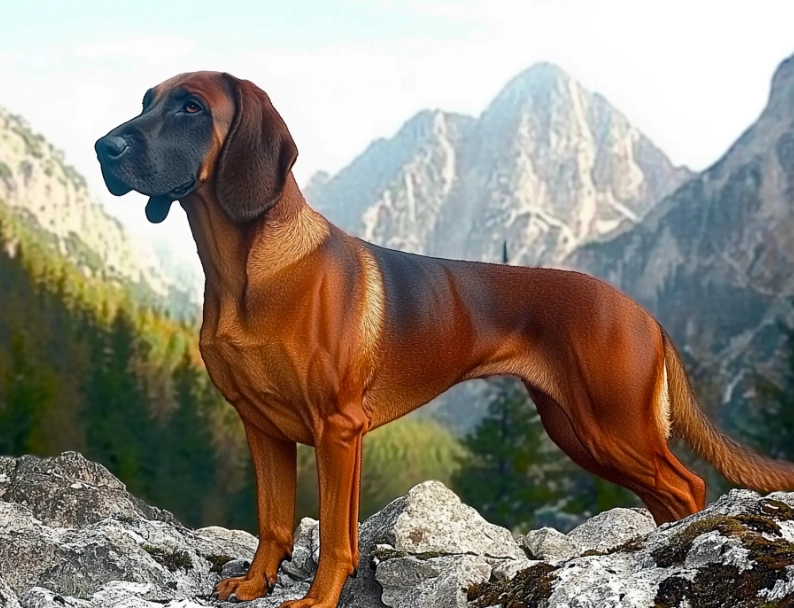
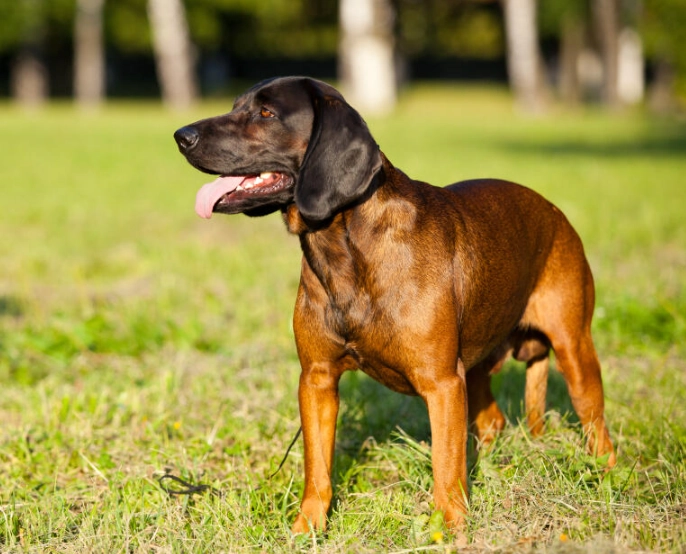
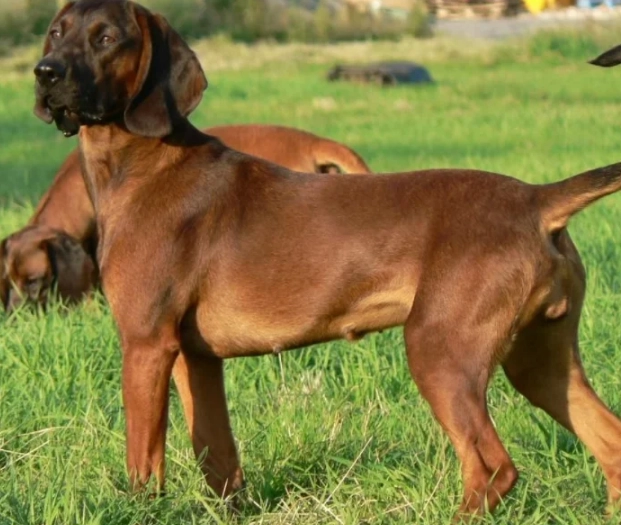
So you're curious about the Bavarian Mountain Hound. Maybe you saw a picture of one, all serious expression and those droopy ears, and wondered what makes this dog tick. Or perhaps you're a hunter looking for the ultimate cold-trail specialist and keep hearing this breed's name whispered with a kind of reverence. Let me tell you, this isn't your average family Labrador. Owning a Bavarian Mountain Hound is a commitment to a specific, driven, and incredibly rewarding lifestyle. I've spent time with a few of these dogs, and the first thing that strikes you is their intense focus. The world for them is a novel written in smells, and they are determined readers. They're rare, especially outside of Central Europe. You won't see them at every dog park. That rarity adds to the mystery, but it also means good, practical information can be hard to find. A lot of generic dog advice just doesn't cut it for a breed with such a specialized history. That's why I wanted to put this together – not just a breed profile, but a real, no-nonsense look at what life with a Bavarian Mountain Scent Hound is actually like. We'll get into the good, the challenging, and the downright messy parts. To understand the Bavarian Mountain Hound of today, you have to go back to the 19th century in, well, Bavaria. Hunters in the rough, mountainous terrain needed a dog that could do one thing exceptionally well: follow a cold trail. We're talking about the scent of a wounded deer or chamois that's been gone for hours, over rocks, through streams, and across miles. The old Hanoverian Scenthounds were brilliant trackers, but they were heavy, slower, and not quite agile enough for the steep Alps. So, breeders got to work. They crossed those Hanoverian Hounds with lighter, nimbler local farm and hunting dogs from the Alpine regions. The goal was singular: create a dog with an unmatched nose for cold trails, the endurance of a marathon runner, the sure-footedness of a goat, and a quieter, more manageable desire to work closely with its handler. The result was the Bavarian Mountain Hound. It was never meant to be a show dog or a casual companion. Every line in its body, every instinct in its brain, was refined for a specific job in a specific place. The official breed club in Germany, the Jagdgebrauchshundverband (JGHV), which governs hunting dog tests, has always been central to maintaining these working standards. In the US, the breed is recognized by the American Kennel Club (AKC) as the Bavarian Mountain Scent Hound, but their heart remains in the field. That origin story explains everything about them. If you're imagining a hyper, bouncing-off-the-walls hound, think again. Around the house, a well-exercised and mentally satisfied Bavarian Mountain Hound is often calm, even-tempered, and downright cuddly with their family. They form deep, loyal bonds. But it's a quiet loyalty, more steadfast companion than in-your-face clown. They're known for being reserved with strangers. Don't expect a wagging tail and kisses for visitors at the door. They'll likely assess the newcomer with a thoughtful, serious gaze. This isn't aggression; it's caution, a trait valued in a hunting dog that shouldn't be easily distracted. With their family, though, that reserve melts away. They can be surprisingly affectionate and sensitive to the mood of their people. Now, here's the big one: prey drive. It's not just high; it's the core of their being. That amazing nose is always working. A squirrel in the yard, a rabbit scent on your walk – it triggers a deep, hardwired focus. Recall off-leash in an unfenced area with wildlife around? Forget it. It's not disobedience; it's like asking a fish not to swim. This is the single most important thing for any potential owner to internalize. Their world is olfactory, and when a compelling scent story presents itself, nothing else matters. Let's get practical. What does it actually take to keep one of these dogs happy and well-adjusted? Forget the idea of a leisurely 20-minute stroll around the block. That's a warm-up for a Bavarian Mountain Hound. They need vigorous, meaningful exercise. We're talking 60-90 minutes minimum per day. And it's not just about distance; it's about engagement. A tired Bavarian Mountain Hound is a good Bavarian Mountain Hound. An under-exercised one will find its own job, and you probably won't like it (think: redecorating your couch). They are smart, which means they learn quickly. But they are also independent thinkers. Why should they sit when there's a fascinating smell over there? Training requires patience, positive reinforcement (find a treat they go nuts for), and an understanding that you're working with their instincts, not against them. Early and extensive socialization is non-negotiable. Expose them calmly and positively to all sorts of people, places, sounds, and other animals (with careful management due to prey drive). A well-socialized Bavarian is a confident, stable dog. Obedience training is less about fancy tricks and more about rock-solid basics for safety: a reliable recall in controlled environments, a solid "leave it," and loose-leash walking. My personal experience: I knew a Bavarian Mountain Hound named Bruno. His owner was an avid hiker. On the trail, Bruno was in his element—sniffing every bush, checking the wind, a picture of concentration. At home, he was a rug. But one day, a garden gate was left unlatched. A cat wandered through. Bruno was gone in a silent, focused flash. They found him two hours later, having tracked something deep into a neighboring woodlot. It wasn't malice; it was pure, undistilled instinct. It drove home the point about security like nothing else. This is straightforward. Their short, dense, glossy coat is low-maintenance. A weekly brush with a rubber grooming mitt or a bristle brush will remove loose hair and distribute skin oils. They shed, but it's manageable. Baths are only needed when they get into something particularly smelly (which, given their hobbies, might be more often than you'd like). Check their ears weekly. Those lovely droopy ears can trap moisture, so keeping them clean and dry helps prevent infections. Trim nails regularly, and brush their teeth several times a week for good overall health. Thanks to their history as working dogs where soundness is paramount, Bavarian Mountain Hounds are typically healthy. Reputable breeders screen their stock. The breed's average lifespan is 10 to 14 years, which is good for a dog of their size. That said, no breed is immune to issues. Potential concerns to be aware of and ask breeders about include: Regular check-ups with your vet, a high-quality diet appropriate for their activity level, and keeping them lean are the best things you can do. Resources like the Veterinary Partner site provide reliable, vet-authored info on these conditions. Ask yourself these questions honestly: If you answered "yes" to most of these, you might be a candidate. If several "no's" popped up, especially regarding time, space, and experience, there are many wonderful breeds that would be a happier fit for you and for the dog. Loving the idea of a breed is different from loving the reality. This is a rare breed. You will not find them in pet stores, and you should be deeply suspicious of any breeder who always has puppies available. Patience is required. Reputable Breeders: They will be focused on health, temperament, and preserving working ability. They will ask you as many questions as you ask them. They will show you health clearances for the parents (OFA/PennHIP for hips/elbows). They will be involved with the breed club, like the Bavarian Mountain Hound Club of America or their European counterparts. Expect to be on a waiting list. Rescue: It's rare, but Bavarian Mountain Hounds do sometimes end up in rescue or with breed-specific foster groups. Often, this happens because an unprepared owner was overwhelmed by the dog's needs. Adopting a rescue can be incredibly rewarding, but be prepared to work through potential behavioral issues with patience and possibly professional help. The Bavarian Mountain Hound is a dog of profound contradictions. Calm in the home, a dynamo in the field. Deeply affectionate with family, aloof with strangers. Incredibly intelligent, yet single-minded to a fault when on a scent. They are not for everyone. In fact, they are for very few. But for that right person—the active hunter, the serious hiker, the scent sport enthusiast who has the time, space, experience, and deep appreciation for a canine mind wired for one glorious purpose—there is no better dog. They offer a partnership built on mutual respect for ability. They are not servants; they are colleagues with a wet nose and four legs. If, after reading this, you're more excited than ever, then start your research. Connect with the breed club, talk to owners, meet the dogs if you can. If you have doubts, listen to them. The best thing you can do for any dog, especially a niche breed like the Bavarian Mountain Hound, is to be brutally honest about whether you can provide the life it truly needs. When the match is right, it's pure magic.Quick Guide
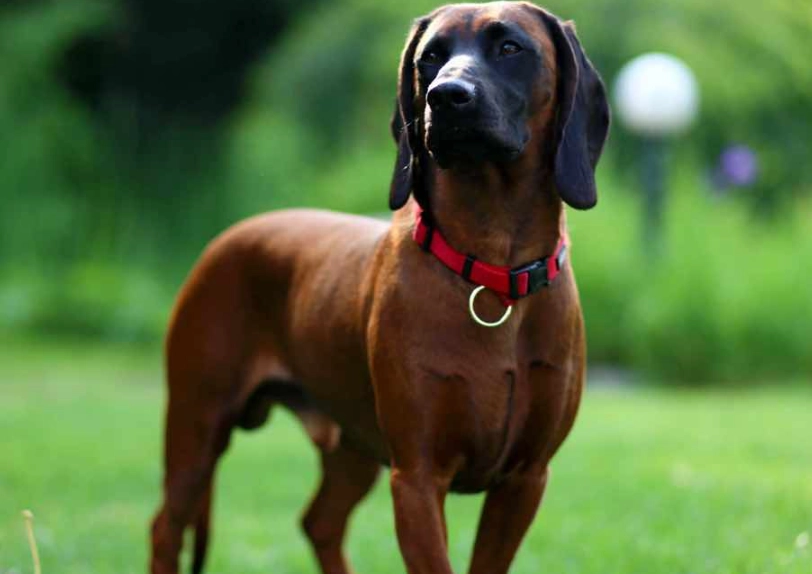
Where Did This Dog Come From? A History Forged in the Alps
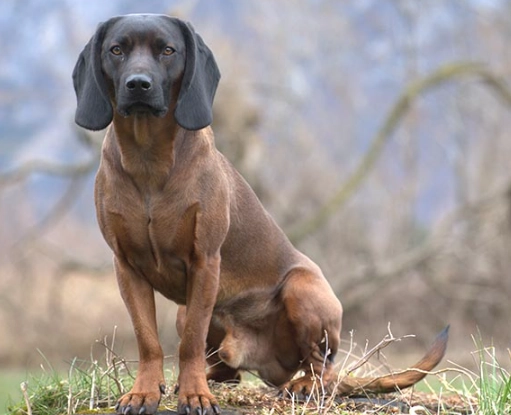
What's the Personality Really Like? Beyond the Stoic Exterior
The Good Stuff (The Pros)
The Real Challenges (The Cons)
Living with a Bavarian Mountain Hound: The Daily Reality Check
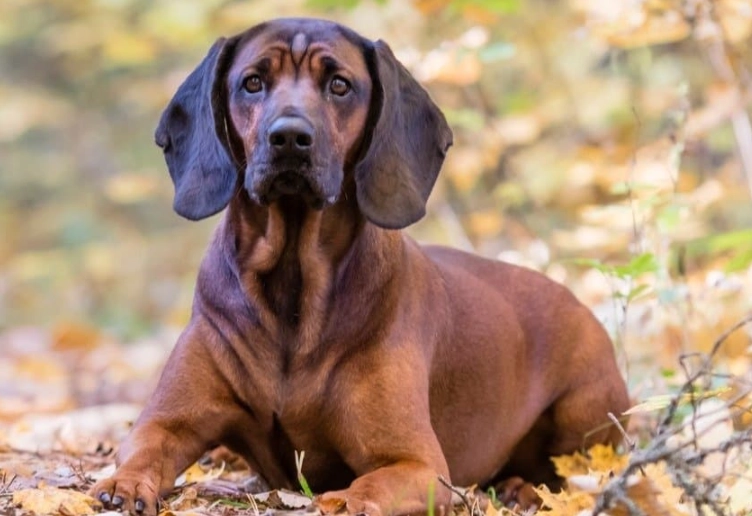
Exercise: It's Not a Walk, It's a Mission
Training: Patience, Consistency, and Really Good Treats
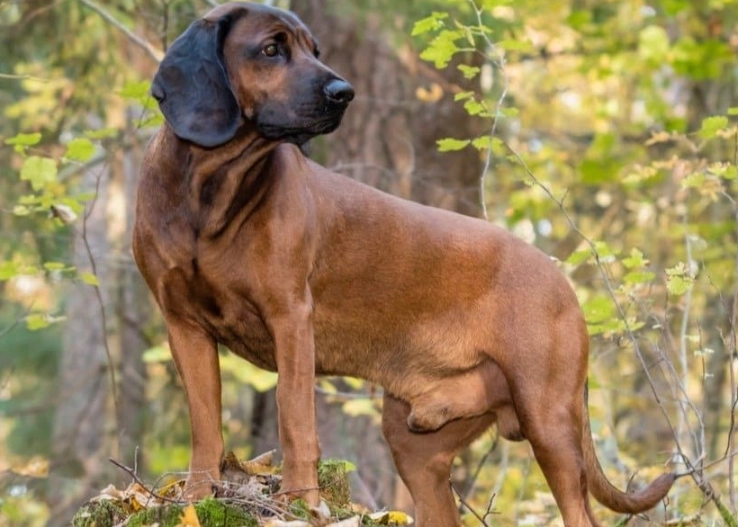
Grooming and Care: The Easy Part
Health and Lifespan: A Generally Robust Breed
Health Concern
Description
Prevention/Management
Hip Dysplasia
A malformation of the hip joint that can lead to arthritis.
Buy from breeders who have OFA or PennHIP certification on their dogs. Maintain a healthy weight.
Ear Infections
Common in floppy-eared breeds due to poor air circulation.
Regular weekly cleaning and drying after swimming/bathing.
Elbow Dysplasia
Similar to hip dysplasia, affecting the front legs.
Again, screening by breeders is key. Avoid over-exercising puppies on hard surfaces.
Bloat (GDV)
A life-threatening stomach twisting. A risk for many deep-chested breeds.
Feed multiple small meals instead of one large one, avoid vigorous exercise right after eating, know the symptoms (restlessness, drooling, unproductive retching).
Is a Bavarian Mountain Hound the Right Dog for You? The Honest Quiz
Finding a Bavarian Mountain Hound Puppy or Rescue
Your Bavarian Mountain Hound Questions, Answered
The Final Sniff Test
Q: Are Bavarian Mountain Hounds good with children?
A: They can be, if raised with them and if the children are taught to respect the dog. Their calm house demeanor is a plus. However, they are not naturally overly playful or tolerant of poking and prodding. Supervision is always essential, and their size and energy could accidentally knock over a small child. They are best suited for families with older, respectful kids.
Q: Can they live in an apartment?
A: It's a major, major challenge. It's not impossible if you are an ultra-dedicated, active person who can provide multiple long outings every single day, rain or shine. But their need for space to move and their potential for vocalization (when frustrated or bored) makes a house with a secure yard a much, much better fit. An under-exercised Bavarian in an apartment is a recipe for stress for both dog and owner.
Q: How are they with other dogs and pets?
A: With other dogs, they often do fine, especially with proper socialization. They can enjoy canine companionship. With cats and other small pets, it's a huge risk. Their prey drive is too high to ever trust them unsupervised with smaller animals. Some may learn to coexist with a family cat if raised together from puppyhood, but the instinct is always there, lurking. I'd never recommend it.
Q: Are they easy to train?
A: "Easy" isn't the word I'd use. They are capable of learning quickly. But their motivation is key. You must make training rewarding and engaging. Food motivation is usually high, which helps. They excel at tasks that use their nose and intelligence. Basic obedience for safety is essential, but don't expect blind, robotic compliance. They will think about it first.
Q: What's the biggest misconception about the breed?
A: That they are just a pretty, medium-sized hound. People see their handsome face and sturdy build and don't grasp the sheer intensity of their working drive. They are not a casual pet. They are a specialist tool that requires a specialist owner. The other misconception is that they are unfriendly. They're not; they are selectively loyal and reserved, which is a different thing altogether.
Comment