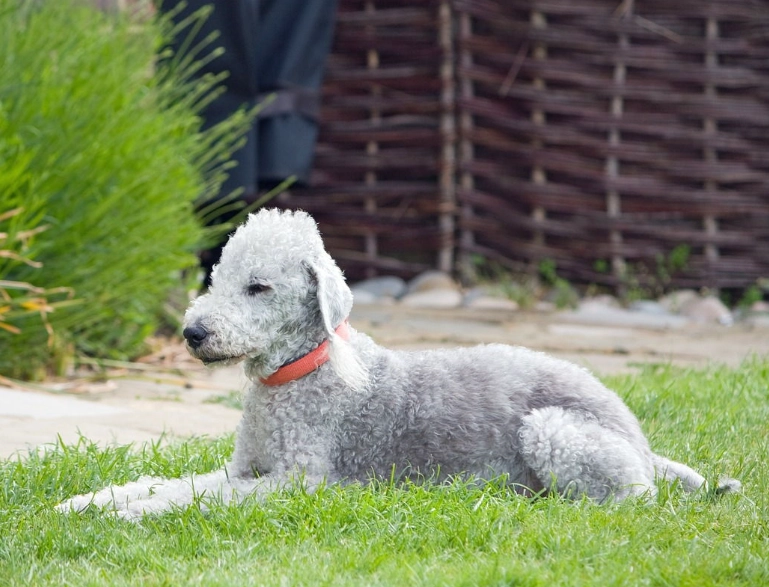
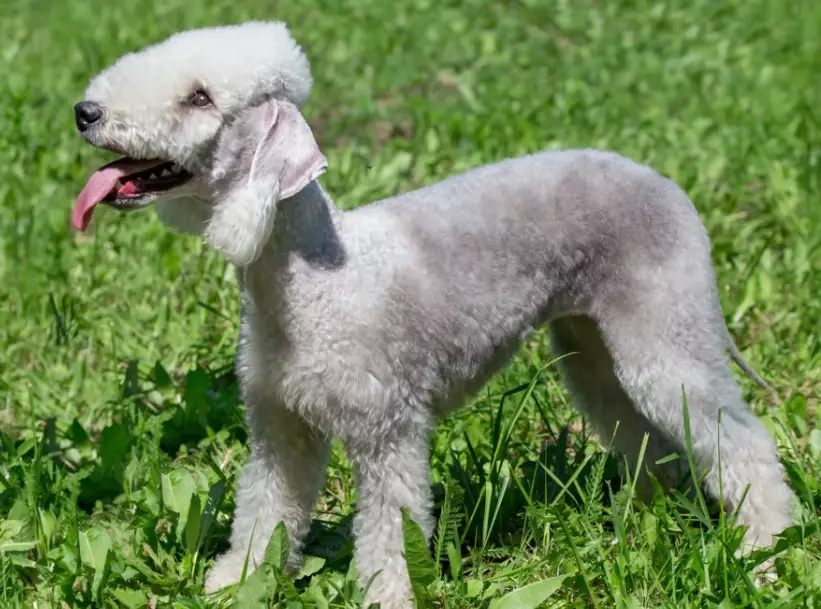
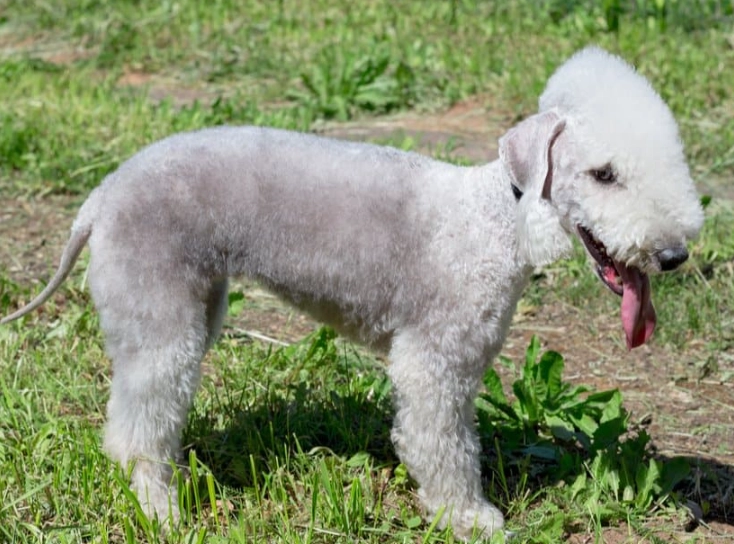
So you've seen a picture. A dog that looks like a little, curly, grey lamb trotting around on a leash. Your first thought was probably, "What on earth is that?" That, my friend, is a Bedlington Terrier. And let me tell you, that adorable, innocent lamb exterior is one of the greatest disguises in the canine world. Underneath that soft, woolly coat beats the heart of a true terrier—feisty, brave, and full of surprises. I remember the first time I met one in person. I was at a park, and this graceful, light-footed creature was weaving through the grass. I thought it was some kind of rare miniature sheepdog. The owner laughed when I said that. "He's a Bedlington," she said. "And he just spent the last ten minutes trying to dig a hole to China after a squirrel." That's the Bedlington Terrier in a nutshell. Elegant and gentle one moment, a determined little hunter the next. You don't get a look this distinctive by accident. The Bedlington Terrier's story starts in the 1800s, in the mining town of Bedlington in Northumberland, England. Forget fancy show rings—these dogs were working men's companions. Miners and gypsies used them for what terriers do best: hunting vermin. Rabbits, badgers, you name it. They were prized for their speed, tenacity, and silence (a barking dog isn't much good when you're trying to sneak up on something). Their unique look? It's functional. That arched back and tucked-up waist gave them the agility of a greyhound. The topknot of hair on the head? Folklore says it was protection—if a rat or larger animal turned on them, it would get a mouthful of hair instead of scalp. Whether that's entirely true is up for debate, but it stuck around and became their signature style. The breed really took off when a dog named "Piper" won a series of rat-killing contests in the 1870s. That kind of publicity gets attention. They transitioned from the mines to the homes of the wealthy, and the first breed club was formed in 1875. The American Kennel Club (AKC) officially recognized the breed in 1886, which tells you they've been turning heads in America for a very long time. You can read more about their official standard on the AKC's Bedlington Terrier page. Okay, let's talk about the elephant in the room—or rather, the lamb in the living room. What exactly gives the Bedlington its look? This is the big one. It's a unique mix. It has hard and soft hair woven together, creating a crisp but linty texture. It's not like a Poodle's tight curl or a Spaniel's silky feathering. It's... woolly. And yes, it sheds very little, which lands the Bedlington Terrier on many "hypoallergenic" dog breed lists. But—and this is a huge but—"hypoallergenic" doesn't mean no maintenance. It means the opposite. Bedlington Terrier puppies are often born dark. Blue puppies are nearly black, and liver puppies are dark chocolate. Then, something magical (and genetically programmed) happens. They fade. Most Bedlingtons lighten significantly as they mature into their adult coat. That sleek blue puppy might become a silvery-blue adult. The liver becomes a sandy, pale brown. There's also a sandy color. The Kennel Club in the UK has great detail on the breed's color genetics, which you can cross-reference for deeper understanding. Look past the fluff. The body is muscular and racy. They have a distinctive arched loin, a deep chest, and long, slender legs. They move with a light, springy step—not a terrier's choppy trot. It's a hint to their past, where speed was a matter of catching dinner. This is where people get confused. Which is the real Bedlington? The calm, gentle couch cuddler or the spirited ratter? The answer is: both. It's a dual personality. Inside the home, with their family, they are often described as sensitive, mild-mannered, and wonderfully affectionate. They love to curl up next to you. They can be quiet and observant. They're known for being good with sensible children, though no dog should ever be left unsupervised with a toddler. Flip the switch. Take them outside. A small animal scurries, or another dog challenges them. The lamb vanishes, and the lion appears. They are fast, focused, and fearless. This is not a dog you can reliably let off-leash in an unsecured area. That prey drive is powerful. They were bred for it. With other dogs, it's a mixed bag. They can do fine, especially if socialized from a young age. But some Bedlington Terriers have a low tolerance for rude or pushy canine behavior and won't back down from a confrontation. It's not malice; it's terrier pride. Don't let the elegant looks fool you. A Bedlington Terrier has energy to burn. They need a good 45-60 minutes of activity daily. This isn't just a slow walk. They thrive on games of fetch, flirt pole sessions (great for the prey drive in a controlled way), and opportunities to run in a safely fenced area. A bored Bedlington is a destructive Bedlington. They'll find their own fun, and you might not like what they choose. They're whip-smart. This means they learn commands fast, but they also learn how to get what they want fast. Positive reinforcement is the only way to go—treats, praise, play. Harsh methods will make them shut down or become sneaky. The key is motivation and consistency. Make training a game. Keep sessions short. Socialization is non-negotiable. Expose your Bedlington Terrier puppy to all sorts of people, places, sounds, and friendly dogs in a positive way. It helps soften those sharper terrier edges and builds confidence. Let's get granular about what keeping a Bedlington looking like a Bedlington actually involves. This is the most important section for any potential owner. Being informed is being responsible. The Bedlington Terrier is generally a healthy, long-lived breed (often 12-16 years), but they have one major, breed-specific health concern that every single owner must be aware of. This is an inherited liver disorder where the dog cannot properly metabolize dietary copper. Copper accumulates in the liver, causing progressive damage, cirrhosis, and eventually liver failure. It's serious. The good news? There is a reliable DNA test for the mutations that cause it. Any reputable Bedlington Terrier breeder will have tested their breeding stock and will provide you with the results. There are three possible results: Responsible breeders will only breed Clear to Clear, or Clear to Carrier, and will never breed two Affected dogs. They will be transparent about this. The Orthopedic Foundation for Animals (OFA) maintains a database for these test results. Ask for them. The bottom line? Go to a breeder who does the health testing and can show you the paperwork. It's your best shot at a healthy puppy. The Bedlington Terrier Club of America (BTCA) is an excellent resource for finding ethical breeders who adhere to a strict code of ethics, including health testing mandates. This is a journey, not a quick purchase. Expect to be on a waiting list. A good breeder will interview you as much as you interview them. They will: Price? From a reputable breeder, expect to pay between $2,500 and $4,000 for a Bedlington Terrier puppy. Yes, it's a lot. But it reflects the cost of all that health testing, proper care, and the breeder's lifetime commitment. This can be a wonderful option. Adult dogs often end up in rescue through no fault of their own—a divorce, a move, an owner who passed away, or an owner who underestimated the grooming needs. Rescue dogs are often house-trained and past the crazy puppy stage. The BTCA has a national rescue network. You can also check Petfinder and Adopt-a-Pet, but be cautious. Some "Bedlington mixes" may not have much Bedlington in them at all. A rescue will assess the dog's temperament and known health history as best they can. Let's wrap this up with some straight talk. A Bedlington Terrier could be a fantastic fit for you if: You want a unique, affectionate companion that doesn't shed. You have an active lifestyle and enjoy interactive play. You appreciate intelligence (even if it comes with stubbornness). You understand and can manage a strong prey drive. Most importantly, you can and will commit to a lifelong schedule of professional grooming without resentment. You should probably look at another breed if: You want a low-maintenance dog. You're on a tight budget (grooming + potential health costs). You dream of off-leash hikes in the woods. You have very young children. You want a dog that blindly obeys every command without question. The Bedlington Terrier is not a dog for everyone. They are a niche breed for a reason. But for the right person or family, they are utterly irreplaceable. That combination of gentle companion and spirited adventurer, wrapped in one of the most distinctive packages in the dog world, creates a bond that owners cherish. Do your homework. Meet some in person. Talk to breeders and owners. Be brutally honest with yourself about the grooming. If it all adds up, you might just find your heart stolen by a little dog that looks like a lamb but has the courage of a lion.Quick Guide
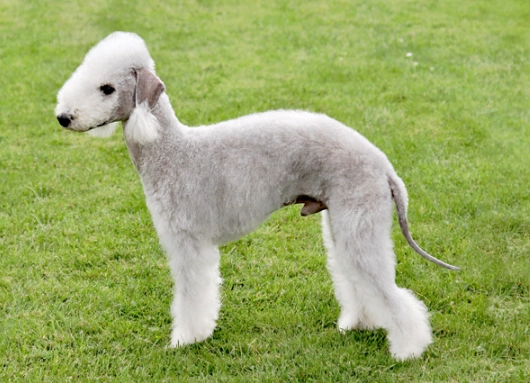
Where Did This "Lamb Dog" Come From Anyway?
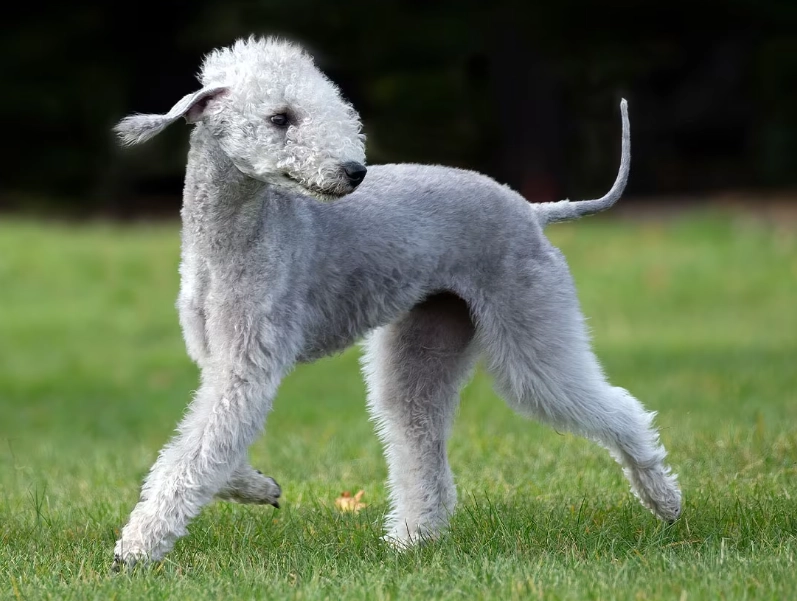
That Unmistakable Bedlington Terrier Look: Breaking Down the "Lamb" Features
The Coat: It's Not Just Curly
Colors and the Fading Gene
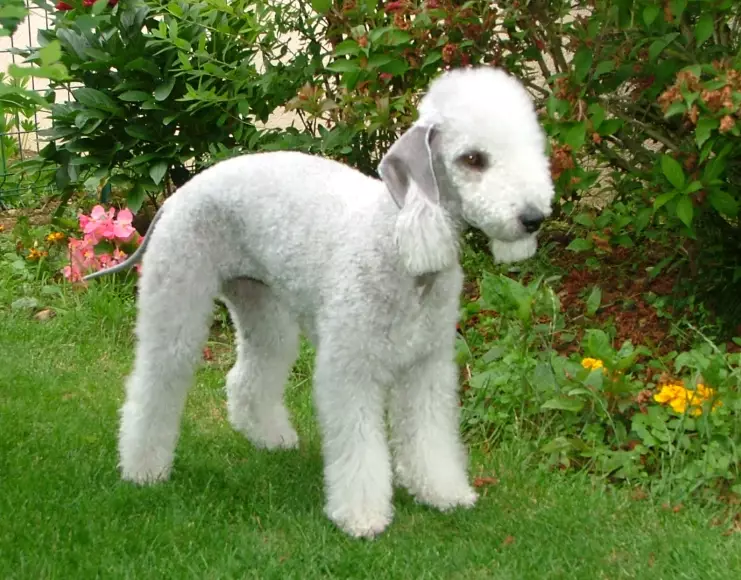
The Body: Built for Speed
The Good Stuff (The Pros)
The Challenges (The Cons)
The Bedlington Terrier Temperament: Gentle Companion or Feisty Hunter?
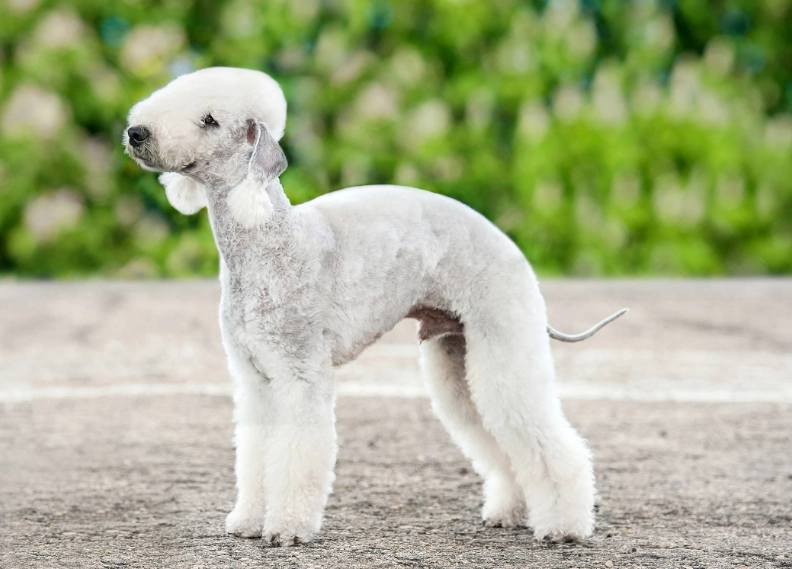
Living with a Bedlington: Daily Care and Training
Exercise Needs: More Than a Walk Around the Block
Training: Be Smarter Than the Terrier
The Grooming Reality: A Step-by-Step Breakdown
Bedlington Terrier Health: What You Need to Know
Copper Toxicosis (CT): The Big One
Other Health Considerations
Condition
What It Is
Notes for Owners
Patellar Luxation
Knee cap slipping out of place.
Common in small breeds. Can range from mild to requiring surgery.
Renal Cortical Hypoplasia
Underdeveloped kidneys.
A less common inherited issue. Reputable breeders screen for it.
Eye Issues
Including retinal dysplasia, distichiasis.
Annual vet eye checks are recommended. Breeders should have breeding dogs certified by a veterinary ophthalmologist.
Thyroid Issues
Hypothyroidism.
Manageable with medication if diagnosed. Simple blood test.
Finding a Bedlington Terrier: Breeder vs. Rescue
Choosing a Reputable Breeder
Considering Bedlington Terrier Rescue
Your Bedlington Terrier Questions, Answered
The Final Verdict: Who Should (and Shouldn't) Get a Bedlington Terrier
Let's get real about what living with one of these unique dogs is actually like.
Here's the truth bomb: That beautiful coat is a high-maintenance commitment. It grows continuously, like human hair. If you don't trim it, your Bedlington will turn into a shaggy, matted mess. We're talking professional grooming every 6-8 weeks, which isn't cheap. I've talked to owners who budget over $800 a year just for haircuts. This is the number one reason people surrender these dogs—they fall in love with the look but not the upkeep.
A Bedlington owner once told me, "Mine is the sweetest dog in the world... to me. To the neighbor's cat, he's a terrifying predator. I have to manage both of those truths every single day." That sums it up perfectly.
Training Tip: Harness that prey drive for good! Use a toy as a reward for recall training. Getting them to come back to you has to be more exciting than chasing that squirrel. It's a constant work in progress.
Red Flag at a Breeder: If a breeder says "My lines are healthy, we don't need to test," or "I've never had a sick dog," walk away. This is non-negotiable science, not opinion. Testing is the mark of an ethical breeder.
Is a Bedlington the right dog for YOU?
Are Bedlington Terriers good family dogs?
They can be excellent family dogs for families with older, respectful children. Their sensitive nature means they don't tolerate rough handling well. They thrive in a calm, consistent environment where they are part of the family activities.
How much exercise does a Bedlington Terrier really need?
More than you think! A minimum of 45-60 minutes of active exercise daily. This is a sporting terrier. A couple of short walks won't cut it. They need to run, play, and use their brains to be happy and well-behaved.
Is the grooming as bad as everyone says?
It's a significant commitment of time and money. If you view a $100 groom every 6 weeks as a burden, this is not your breed. If you see it as essential healthcare and part of owning this unique-looking dog, and you can budget for it, then you're thinking correctly.
Can I let my Bedlington off-leash?
In a vast majority of cases, no. Their prey drive is exceptionally strong. The sight, sound, or smell of a small animal can trigger an instinctive chase, and they will not listen to you. This should only be attempted in completely secure, fenced areas.
Are they barkers?
They are not known as excessive, nuisance barkers like some small terriers. They will alert bark—letting you know someone's at the door. But they are generally quieter in the home.
Bedlington Terrier vs. Whippet? They look similar.
They share a similar arched silhouette, but that's about it. Whippets are sighthounds (quiet, couch potatoes, sprint then sleep). Bedlingtons are terriers (energetic, cunning, always ready for action). The Whippet coat is short and easy-care. The Bedlington coat is high-maintenance. They are very different dogs in personality and care.
Comment