Let's cut to the chase. If you're asking this question, you're probably looking at pictures of this adorable, rugged little dog and wondering if their charming exterior hides a non-stop alarm system. The short, honest answer is yes, Australian Terriers have a strong tendency to be vocal. They were bred for it. But that "yes" comes with a massive, crucial caveat: whether their barking becomes a problem is almost entirely up to you, the owner.
I've lived with an Aussie Terrier for over a decade. His name was Scruffy, and he taught me more about canine communication than any textbook. The first week, I thought I'd made a terrible mistake. Every leaf rustle, every distant car door, every footstep in the hallway was met with a sharp, insistent bark. It wasn't aggression; it was a full-throated report. "Hey, human! Potential thing happening! I'm on it!" Understanding that mindset—the terrier as a vigilant, enthusiastic reporter—is the first step to harmony.
Your Quick Guide to Aussie Terrier Barking
Why Are Australian Terriers So Vocal? It's in Their Job Description
You can't talk about an Australian Terrier's behavior without understanding their origin. Developed in 19th-century Australia, they weren't lapdogs. Their job description, as outlined by historical accounts and breed standards from organizations like the American Kennel Club, was demanding: hunt rodents and snakes, guard the homestead, and herd small livestock. Every one of those tasks requires a dog that is alert, brave, and communicative.
Barking was a feature, not a bug. A bark to alert the farmer to a stranger approaching. A sharp yelp to signal a cornered rat in the barn. A persistent call to move chickens. This genetic wiring for vigilance and vocalization is still very much present in the modern pet Aussie Terrier.
The 5 Types of Australian Terrier Barks (And What They Mean)
Not all barks are equal. Learning to distinguish them is your superpower. Here’s a breakdown of what you’re likely to hear.
| Bark Type | Sound & Trigger | Underlying Cause | Immediate Action |
|---|---|---|---|
| The Alert Alarm | Sharp, quick, repetitive. Doorbell, knocking, unfamiliar sounds. | Instinct to report. "I heard something you should know about!" | Acknowledge calmly ("Thank you"), then redirect to a settled behavior. |
| The Demand Bark | Staccato, focused on you. You're eating, on the phone, not paying attention. | Frustration or learned behavior. "Pay attention to me NOW." | Complete and deliberate ignoring. Any reaction (even negative) rewards it. |
| The Boredom/Play Bark | Higher-pitched, often during play or when staring out the window. | Pent-up mental or physical energy. "I need an outlet!" | Provide structured play or a mental puzzle toy before the barking starts. |
| The Anxiety Whine-Bark | Mixed with whining, pacing. Often during departures or storms. | Stress or insecurity. "I'm uncomfortable/where are you going?" | Address the root anxiety, never punish. Create positive associations. |
| The Territorial Challenge | Deeper, more sustained. Another dog or person near their property. | Guardian instinct. "This is my space, stay back." | Manage environment (block window views), train a strong recall away from the trigger. |
See that "Immediate Action" column? That's where most plans fall apart. People try to use the same strategy for every bark. Yelling "Quiet!" at an anxious dog often increases anxiety. Giving in to a demand bark teaches them it works.
The #1 Training Mistake Owners Make (And How to Avoid It)
After working with dozens of Aussie Terrier owners, the most common and damaging mistake is crystal clear: focusing solely on suppressing the bark without addressing the underlying need.
You buy a citronella spray collar. You shout. You spray water. The dog may stop momentarily, but the reason they barked—boredom, alertness, anxiety—is still there, simmering. This often leads to what I call "displacement behavior"—the barking might stop, but you get digging, chewing, or nervous pacing instead. You've treated the symptom and ignored the disease.
The terrier brain needs a job. If you don't give it one, it will invent one, and that job is usually "find things to bark at."
A Better Approach: Fulfillment First, Manners Second
Your first line of defense against nuisance barking isn't a command; it's a schedule. A well-exercised, mentally stimulated Australian Terrier has less fuel for the barking fire. We're not talking about a leisurely stroll. Aim for 45-60 minutes daily, split between:
- Physical exercise: Brisk walks, games of fetch in a secure area, flirt pole sessions.
- Mental work: 10-minute training sessions (obedience, tricks), food puzzle toys, sniffing games (hide treats around the room).
This drains the energy that would otherwise convert into vocalization. It's the foundation everything else is built on.
Practical Solutions: How to Manage the Barking
Okay, foundation is set. Now for the specific tactics. These work because they respect the terrier's drive while shaping it.
For Alert Barking: The "Thank You" protocol. When your dog barks at a sound, say "Thank you" in a calm, casual voice (this acknowledges their report), then immediately ask for an incompatible behavior like "Go to your bed" or "Find it" (toss a treat on the floor). You're not punishing the alert; you're telling them the job is done and giving a new task. Over time, the trigger predicts going to their bed for a chew, not a barking frenzy.
For Demand Barking: Ruthless consistency. The millisecond demand barking starts, you become a statue. No eye contact, no words, no touch. Turn away. The second there is a pause of even two seconds of quiet, immediately reward with attention or the thing they wanted. They learn quiet gets results; barking gets nothing.
For Boredom Barking: Environmental management. This is huge. If your dog barks at passersby through the window, use static-cling window film to obscure the lower half. If they bark in the yard unsupervised, bring them inside. Supervision is key. Provide a rotating selection of chew toys and puzzles before you need to focus on your own work.
Can an Australian Terrier Live in an Apartment?
This is a major concern for city dwellers. I'll be blunt: an Australian Terrier is not a natural "easy mode" apartment dog like a Cavalier King Charles Spaniel. But with the right owner, they can be fantastic apartment companions. The suitability is 90% about the owner's lifestyle.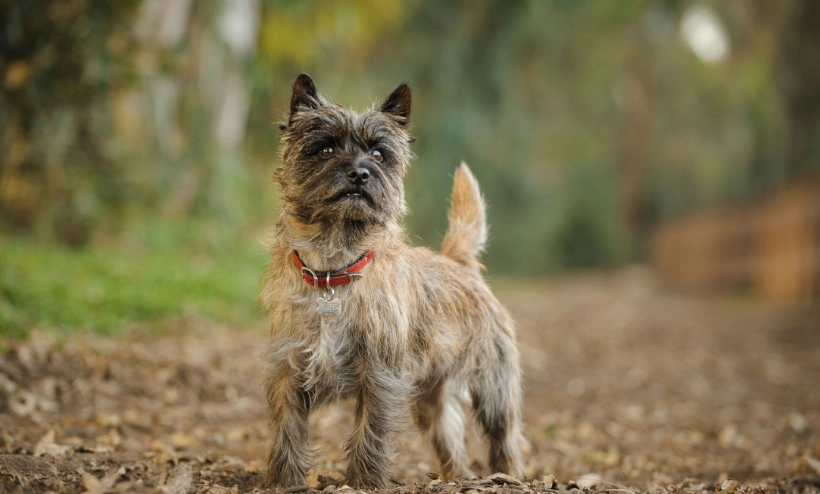
An Aussie Terrier can thrive in an apartment if: You are an active person who commits to multiple daily outings (walks, trips to a dog park or sniff spot). You are proactive about training from day one. You use tools like white noise machines to buffer outside sounds and create a dedicated, cozy crate or bed space as their "den." You don't mind a vocal opinion about the delivery person.
An Aussie Terrier will struggle in an apartment if: You want a dog that sleeps 20 hours a day. You are gone for 9+ hours regularly without a midday walker. You are sensitive to noise and unprepared to train through it. You expect them to get all their exercise in a 500-square-foot space.
It's a commitment. But their small size, minimal shedding, and huge personality make the work worth it for the right person.
Your Top Barking Questions Answered
 So, do Australian Terriers bark a lot? Their potential is high. But their intelligence and desire to work with you is higher. You're not getting a silent statue; you're getting a spirited, engaged partner. The barking is part of the package—a lively commentary on the world. With understanding, ample activity, and smart training, you can turn that commentary from a loud shout into a manageable, even endearing, conversation.
Reader Comments