Let's be real. You've probably seen a picture of a Bernese Mountain Dog online—that gorgeous tri-color coat, those gentle dark eyes, that massive, fluffy frame looking perfectly at home in a snowy field or cuddling with kids. It's an image that tugs at the heartstrings. I get it. I've been there, scrolling through Berner photos, dreaming of the perfect family companion. But before you let that dream take root, you need to look beyond the Instagram filter. Owning a Bernese Mountain Dog is a monumental commitment, filled with incredible joy and, frankly, some pretty heavy challenges. This isn't just another breed overview. This is the straight talk I wish I'd had before I fell in love with the breed. We're going to dig into everything: the soul-melting good moments, the frustratingly short lifespan, the vet bills that can make your eyes water, and the daily reality of living with a dog the size of a small pony. Is a Bernese Mountain Dog the right dog for you? Let's find out. Originating from the Swiss Alps (specifically the canton of Bern, hence the name), the Bernese Mountain Dog was a classic farm utility dog. They weren't bred to look pretty on a couch—though they excel at that now. They were bred to work. They pulled carts loaded with milk and cheese to market, drove cattle, and stood guard over the farm. This history is stamped into their DNA. They are strong, sturdy, and have a deep-seated desire to be with their people and have a job to do, even if that "job" is just following you from room to room. The American Kennel Club (AKC) classifies them in the Working Group, and their official breed standard describes them as "intelligent, strong, and agile enough to do the draft and droving work for which they were used in the mountainous regions of their origin." That strength and intelligence are key to understanding them. Both. Absolutely both. The typical Bernese Mountain Dog temperament is a beautiful contradiction. They are famously gentle, patient, and affectionate with their families, especially children. They tend to be calm indoors, often content to be a rug with a heartbeat. But they are also famously clownish and can be incredibly silly, especially as puppies and young adults. That wagging tail is a weapon of mass destruction on coffee tables. They are usually loyal and bond deeply with their families. They are not typically "one-person" dogs; they love their whole pack. However, they can be reserved or aloof with strangers, which makes them decent watchdogs—they'll let you know someone's there with a deep, resonant bark, but they're unlikely to be aggressive. Early and ongoing socialization is non-negotiable to ensure this reserve doesn't tip into shyness or anxiety. If you take away one thing from this guide, let it be this: Bernese Mountain Dogs have significant, prevalent health issues. Ignoring this is setting yourself and the dog up for heartbreak. Reputable breeders work tirelessly to improve the breed's health, but the genetic load is real. Cancer: This is the leading cause of death. Histiocytic sarcoma, mast cell tumors, and lymphoma are particularly common. It's cruel and unfair. When you choose a Berner, you are statistically choosing a dog you will likely lose to cancer. Talk to any long-time Berner owner, and they'll have stories. Orthopedic Issues: Their large, fast-growing frames are hard on their joints. Other Conditions: Bloat (Gastric Dilatation-Volvulus), which is a life-threatening stomach torsion; progressive retinal atrophy (PRA) leading to blindness; and von Willebrand's disease, a bleeding disorder. Choosing a breeder who prioritizes health above all else is the single most important thing you can do. Forget the initial Bernese Mountain Dog price tag for a puppy from a reputable breeder (which can range from $2,000 to $4,000+). That's just the entry fee. The lifetime cost is what will stagger you. Let's break down the annual and lifetime estimates. These are conservative figures for a dog with moderate health issues—a "best-case" scenario that still isn't cheap. That gorgeous double coat sheds. A lot. And I don't mean a little. It's a seasonal event called "blowing coat" twice a year where you will fill trash bags with fur. Weekly brushing is a minimum to prevent mats, especially behind the ears and in the feathering on the legs. You'll need a slicker brush, an undercoat rake, and a good vacuum cleaner. Nail trimming and ear cleaning are also regular chores. Bernese Mountain Dogs need regular, moderate exercise to stay fit and happy, but they are not endurance athletes. A couple of good walks a day, some playtime in a yard, and maybe some light hiking (once they're fully grown) are perfect. Avoid forced running on hard surfaces, especially while they're growing. Their joints are vulnerable. Mental stimulation is just as important—training sessions, food puzzles, and nose work games are excellent. Start early. Socialization is not just about meeting people and dogs; it's about exposing them positively to all sorts of sights, sounds, and surfaces. Puppy kindergarten is a great idea. Use positive reinforcement—treats, praise, play. They are sensitive souls and do not respond well to harsh methods. Essential commands to master early: This is where you make your most critical choice. A good breeder is your partner for the dog's life. They will ask you as many questions as you ask them. They will show you health clearances for the parents (OFA hips/elbows, cardiac, eyes), have the puppies raised in their home, and have a contract that includes a health guarantee and a clause requiring you to return the dog to them if you can't keep it. Start with the Bernese Mountain Dog Club of America (BMDCA) breeder referral. Club members pledge to follow a code of ethics. Be prepared to wait—a good breeder often has a waiting list. Avoid pet stores, online marketplaces, and breeders who have multiple litters available at once or won't let you see where the dogs live. Rescue is a wonderful option. Organizations like BMDCA Rescue work to rehome Bernese Mountain Dogs. An adult dog's personality is already known, and you are giving a deserving dog a second chance. Many are owner surrenders due to lifestyle changes, not because of anything wrong with the dog. Generally, yes, they have a legendary patience with children. But supervision is always necessary due to their size. A toddler can be knocked over by a happy tail swipe. Teach kids how to interact respectfully with the dog. Profusely. If you are a neat freak or have allergies, this is not your breed. You will have Berner glitter (hair) on your clothes, in your food, and in places you didn't think possible. It's possible, but not ideal. They are calm indoors, but they are large and need easy access to outside for potty breaks. A house with a securely fenced yard is the better setup. They are intelligent and want to please, which makes them trainable. However, they can also be stubborn and have a "what's in it for me?" attitude. Keep training sessions short, fun, and rewarding. A combination of genetics, their large size (larger dogs generally have shorter lifespans), and the prevalence of specific cancers within the breed gene pool. Responsible breeding is the only path to improving this. So, after all that, should you get a Bernese Mountain Dog? Get a Bernese Mountain Dog if: you have a stable, active family life; a spacious home; a significant budget for food, grooming, and inevitable vet care; a high tolerance for shedding and drool; and most importantly, a heart prepared for a deep, profound, but likely shorter-than-average love affair with a canine companion. You must be able to look the health risks squarely in the eye and commit anyway. Consider another breed if: you are on a tight budget, cannot handle constant shedding, live in a very hot climate, are not prepared for high medical expenses, or know that losing a dog after only 7 or 8 years would be too devastating to bear. For the right person, a Bernese Mountain Dog is not just a pet; they become a defining part of your family's story. They leave giant paw prints on your floors and an even bigger one on your heart. The love is immense. The loss is, too. Go into it with your eyes wide open, and if you do take the leap, you'll be welcomed into a community of people who understand that unique, bittersweet, and wonderful journey.Quick Navigation
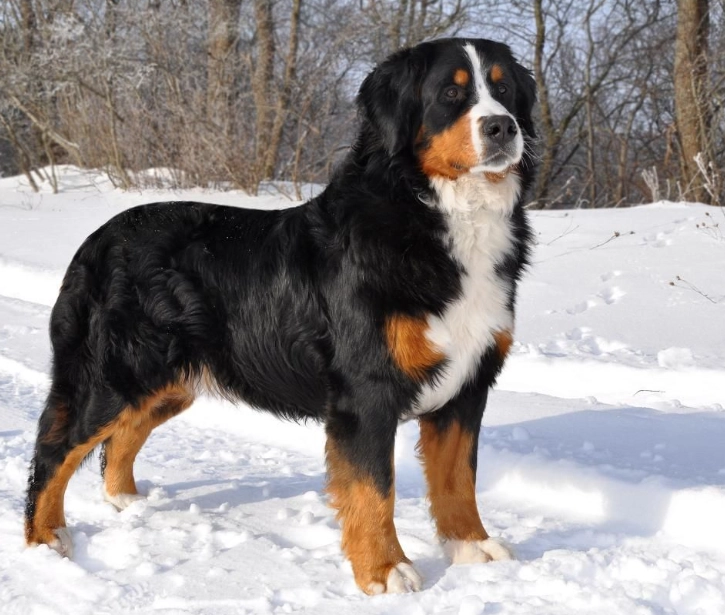
What Exactly Is a Bernese Mountain Dog?
The Bernese Mountain Dog Personality: Gentle Giant or Clumsy Goofball?
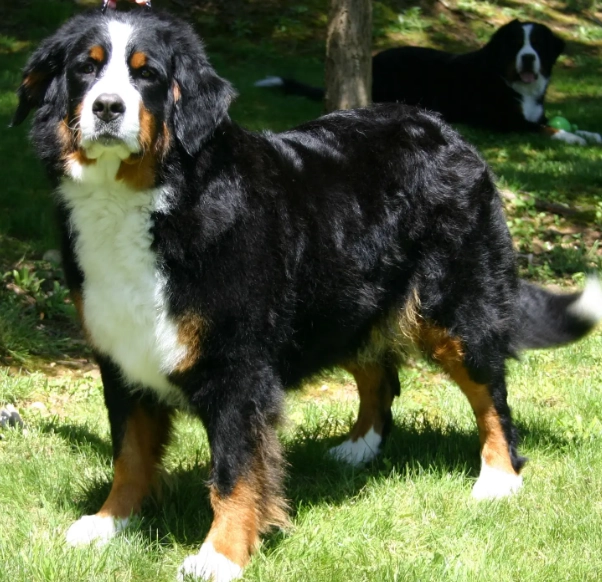
The Good Stuff (The Pros)
The Hard Parts (The Cons)
The Health Elephant in the Room: What You MUST Know
Major Health Concerns
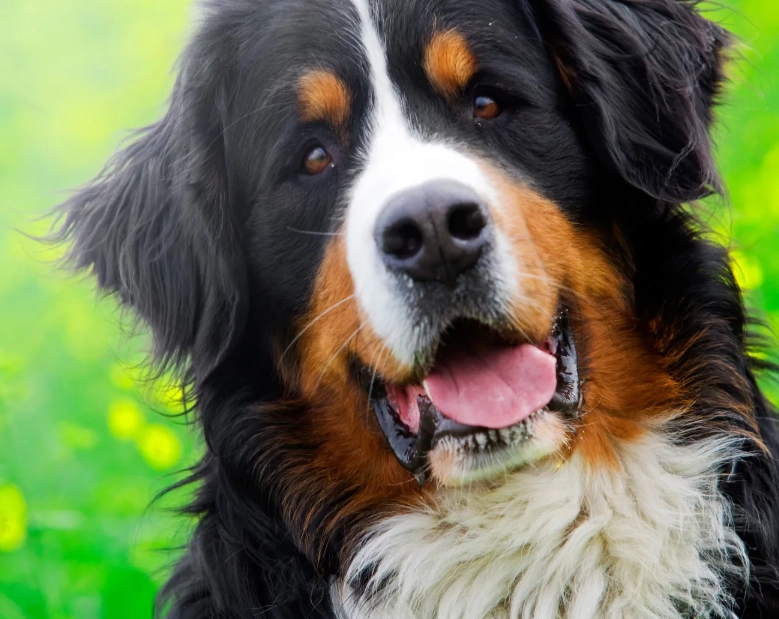
Health Condition
What It Is
Prevention/Mitigation
Histiocytic Sarcoma
An aggressive, often fatal cancer common in the breed.
No guaranteed prevention. Research into genetics is ongoing. Buy from breeders who openly discuss cancer in their lines.
Hip Dysplasia
Malformed hip joint causing arthritis.
OFA/PennHIP screening of parents, maintaining lean weight, proper nutrition, avoiding excessive jumping as a pup.
Bloat (GDV)
Stomach fills with gas and twists, cutting off blood supply.
Feed multiple small meals, avoid exercise right after eating, know the signs (restlessness, unproductive retching).
The Real Cost of a Bernese Mountain Dog

Expense Category
Estimated Annual Cost
Notes
High-Quality Food
$1,200 - $1,800
They eat a lot! Large-breed specific formula is a must.
Routine Vet Care
$800 - $1,200
Exams, vaccines, preventatives. Costs more due to weight-based dosing.
Grooming & Supplies
$600 - $1,000
Professional grooming every 6-8 weeks or significant DIY time.
Pet Insurance
$1,000 - $2,000
HIGHLY RECOMMENDED. For a Berner, this is not optional luxury coverage.
Toys, Beds, etc.
$300 - $500
Everything must be "extra-large" and durable.
Potential Emergency Fund
$5,000+ (one-time)
For a cruciate surgery, cancer treatment, or bloat surgery.
Getting pet insurance the day you bring your puppy home, before any conditions appear, is the smartest financial decision a Berner owner can make. It can literally be the difference between being able to afford treatment and having to make an impossible choice.
Daily Life with a Berner: The Nitty-Gritty
Grooming: It's a Part-Time Job
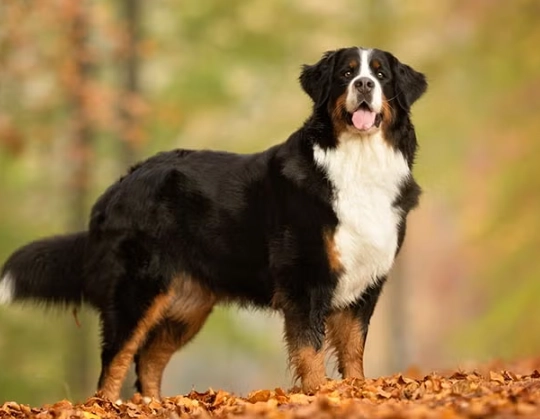
Exercise Needs: Sturdy, Not Sporty
Training Your Bernese Mountain Dog

Finding a Reputable Breeder or Considering Rescue

Common Questions (The Stuff You're Actually Searching For)
Are Bernese Mountain Dogs good with kids?
How much do they shed?
Can they live in an apartment?
Are they easy to train?
Why is their lifespan so short?
Final Thoughts: Is This Your Dog?
I remember visiting a friend who had a Berner named Molly. The first thing that hit me wasn't her size, but her calmness. She just... observed. She'd plop down in the middle of the kitchen, a serene island in the chaos of family life, watching everyone with this wise, patient expression. It was like having a gentle, furry guardian.
Let's be blunt: The Bernese Mountain Dog health issues are the primary reason many people ultimately decide against the breed. It's a tough but necessary consideration.
Puppy Warning: Bernese Mountain Dog puppies are adorable land sharks. They are mouthy, clumsy, and strong. They will chew anything they can reach. Consistent training and providing a mountain of appropriate chew toys from day one is critical.
Comment