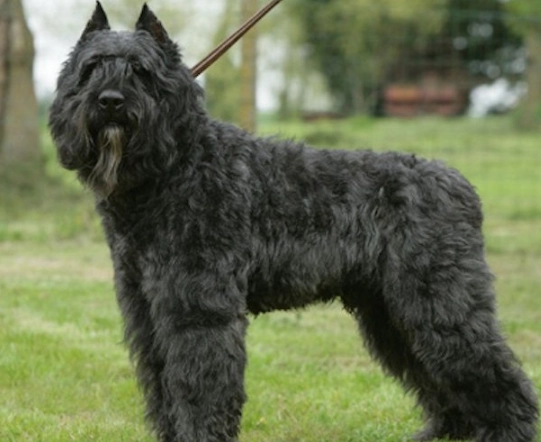
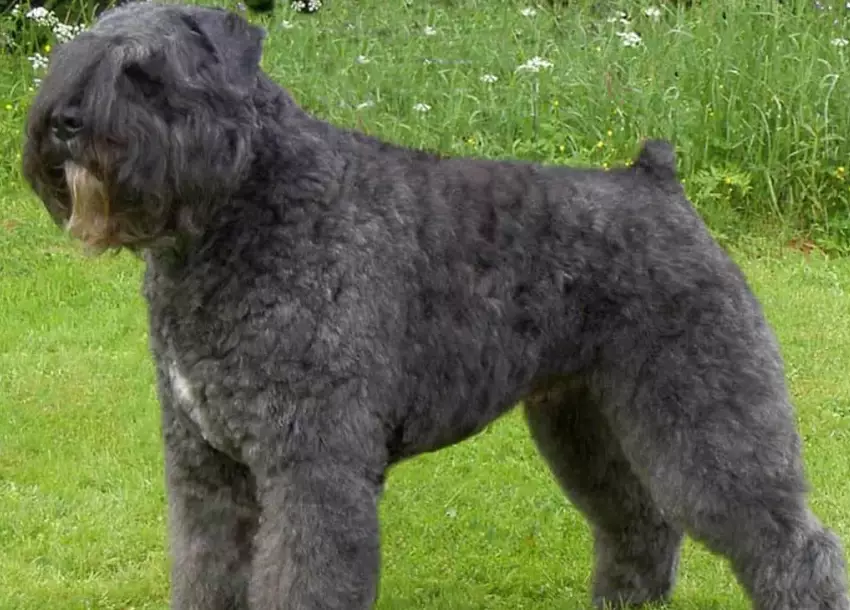
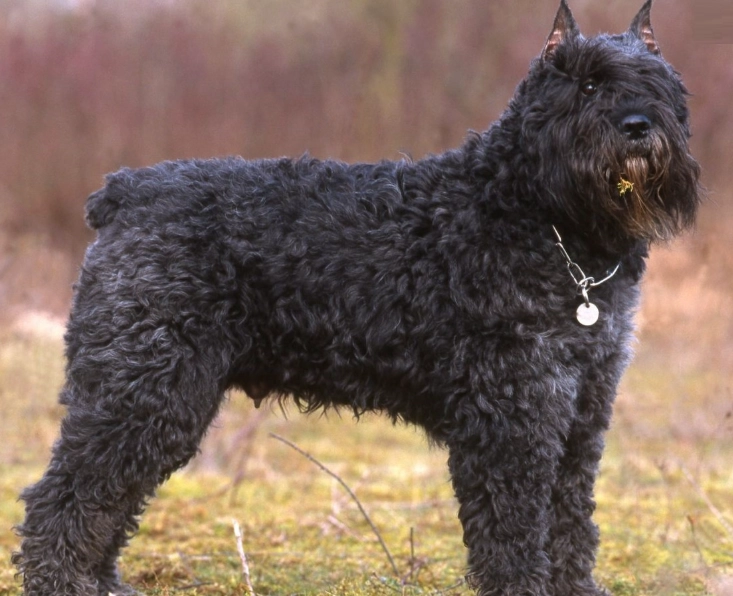
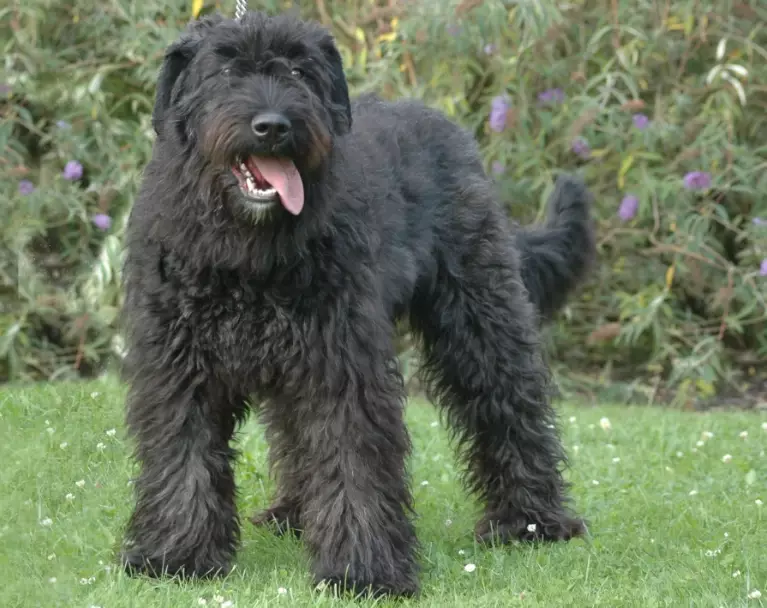
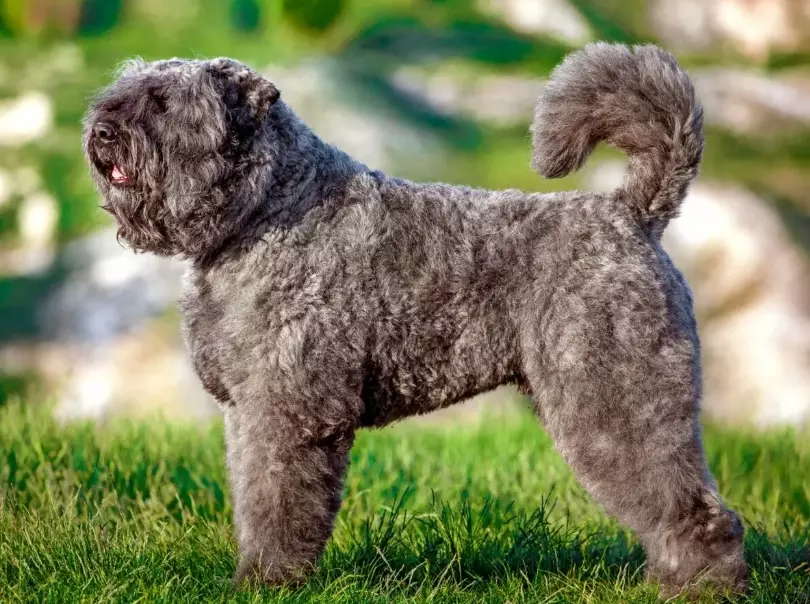
Let's be honest. You probably saw a picture. A big, shaggy, bear-like dog with a wise expression and a beard that would make a lumberjack jealous. Maybe it was in a movie, or you met one on a walk and were struck by its calm, imposing presence. The Bouvier des Flandres has that effect on people. It's not a dog you forget. But here's the thing nobody posts on Instagram: that magnificent coat is a part-time job. That serene intelligence comes with a stubborn streak. And that loyal, protective nature means you're not just getting a pet; you're inviting a 100-pound family guardian into your home who thinks it's his solemn duty to oversee everything. I've lived with a Bouvier for the better part of a decade. His name is Gus. He's my shadow, my comic relief, and occasionally, my most frustrating project. This isn't a breed summary copied from a kennel club website. This is a real, messy, honest look at what life with a Bouvier des Flandres is actually like—the sublime, the ridiculous, and the endless brushing. Let's start with the basics. The name itself is a clue: "Bouvier des Flandres" translates from French as "Cow Herder of Flanders." This region, covering parts of modern-day Belgium and France, is where these dogs earned their keep for centuries. They weren't bred to be cute couch companions. They were versatile farmhands. Think about it. A farmer in the 1800s needed a dog that could do it all: herd cattle (which are huge and don't always cooperate), pull carts to market, guard the property from thieves, and be a loyal companion to the family. The Bouvier was that Swiss Army knife of dogs. This history is written into their DNA. It explains why they're so smart, so strong, and so darn independent. They were bred to make decisions on their own out in the fields, not just wait for a command. The modern Bouvier des Flandres we know was nearly lost during the World Wars, as the Flanders region was devastated. Dedicated breeders, primarily in Belgium and France, worked to rebuild the population. The standard was officially recognized by the Fédération Cynologique Internationale (FCI), and later by the American Kennel Club (AKC). You can read the detailed, official breed standard on the American Kennel Club's Bouvier page, which is a great resource for understanding the ideal structure and temperament. Okay, let's describe the elephant in the room. Or rather, the gentle giant in the living room. The Bouvier's coat is its most famous and most demanding feature. It's a double coat. The outer coat is rough, harsh, and wiry—it's meant to be weather-resistant. The undercoat is dense, soft, and fine. This combination is brilliant for a dog working outdoors in all conditions. It's less brilliant for a modern owner who values a clean house. Here's a massive misconception: people often call them "hypoallergenic" or non-shedding. That's not quite true. The coat comes in several colors: fawn, brindle, black, grey, and "pepper and salt" (a mix of dark and light hairs that gives a gorgeous, grizzled look). Gus is a pepper and salt, and in certain lights, he looks like a storm cloud with legs. This is a powerfully built, compact dog. Males stand 24.5 to 27.5 inches at the shoulder and can weigh 80 to 110 pounds. Females are a bit smaller, 23.5 to 26.5 inches and 60 to 80 pounds. They're not leggy or sleek. They're square and substantial, moving with purposeful, powerful strides. When a Bouvier leans against you, you know it. It's like a warm, furry building just decided to rest on your leg. If you want a dog that's a mindless cuddle bug, look elsewhere. If you want a dog that feels like a true partner, with a complex personality and deep emotions, you're in the right place. The loyalty of a Bouvier des Flandres is legendary and absolute. They form an intense bond with their family. Gus is polite with visitors, but his eyes are always on me or my partner. He knows where we are in the house at all times. This isn't needy clinginess; it's a quiet, vigilant attachment. You are their world. They are exceptionally intelligent. They learn commands quickly. Sometimes too quickly. The challenge isn't teaching them what "sit" means; it's convincing them that complying with your "sit" command is worth their while when they've just had a more interesting idea of their own. I call it "considered compliance." Gus will often pause, look at me, process the request, weigh it against his current desires, and then decide to obey. It's humbling and hilarious. This intelligence means they excel at complex tasks like obedience, tracking, and even search and rescue. But it also means they get bored easily with repetition. Remember, they were guard dogs. This is not an aggressive breed, but it is a profoundly protective one. They are naturally reserved with strangers. A Bouvier won't wag its tail frantically at every new person. It will assess. It will watch. It's a calm, sober sentinel. This makes early and ongoing socialization non-negotiable. You need to expose your Bouvier puppy to all sorts of people, places, sounds, and other animals in a positive way. You want the dog to learn that the world is generally safe, and that you, the human, are the one who makes the final call on what's a threat. Without this, their natural wariness can tip over into fearfulness or over-protectiveness. For such a large, working dog, a well-exercised Bouvier is remarkably calm in the house. They're not hyperactive or prone to bouncing off the walls. They're often described as "cat-like" in their ability to find a sunny spot and lounge for hours. Gus's favorite activity after a walk is what I've dubbed "rug mode"—he becomes one with the living room rug, a motionless, shaggy island of contentment. Is a Bouvier des Flandres the right dog for you? Let's break down the practicalities. They don't need to run marathons. What they need is consistent, meaningful activity. A couple of good leash walks a day (30-45 minutes each) is a good base. But they thrive on having a job. This could be: A bored Bouvier is a destructive Bouvier. That powerful jaw can do a number on a table leg if they're left to their own devices. This is the biggest hurdle for most potential owners. You cannot be lazy about this. Here's the bare minimum routine: Let's be real. It's expensive and time-consuming. I budget for grooming like it's a utility bill. Training a Bouvier des Flandres is incredibly rewarding but requires a specific approach. Forget heavy-handed dominance theory. That will backfire spectacularly with a dog this smart and proud. They respect consistency and clear rules. If jumping on the couch is wrong on Tuesday, it's wrong on Saturday too. Use positive reinforcement—treats, praise, play. They want to please you, but they need to understand the "why." Make training fun and varied. Short, engaging sessions work better than long, boring drills. This cannot be overstated. From 8 to 16 weeks, your puppy needs to see the world. Puppy kindergarten classes are golden. Invite friends over. Take calm walks in busy areas (carrying the puppy before vaccinations are complete). The goal is to build a confident, well-adjusted adult who trusts your judgment. Around 8-18 months, you may witness what I call "the teenage amnesia." Suddenly, that perfect "sit" or flawless recall disappears. They test boundaries. This is normal. Don't get frustrated; just go back to basics with patience. It's a phase, and they come out the other side as wonderful adults. A well-bred Bouvier is generally a robust dog with a lifespan of 10-12 years. However, like all purebreds, they are prone to certain health conditions. Responsible breeders test their breeding stock for these issues. When looking for a breeder, ask for proof of health clearances from organizations like the Orthopedic Foundation for Animals (OFA). Key tests include: My best advice? Connect with the national breed club. The American Bouvier des Flandres Club (ABdFC) is an invaluable resource. They have a code of ethics for breeders, health information, and can refer you to reputable breeders who prioritize health and temperament above all else. This is a marathon, not a sprint. Good breeders often have waiting lists. They will interview you as thoroughly as you interview them. They should: If a breeder has multiple litters available at all times, only communicates via email, and is eager to ship a puppy to you without meeting, walk away. That's a red flag for a puppy mill or backyard breeder. Adult Bouviers sometimes need new homes due to changes in an owner's circumstances, not because of anything wrong with the dog. Rescue is a wonderful option, especially for a first-time Bouvier owner, as you often get a dog whose personality is already known. The ABdFC has a rescue network, and there are regional Bouvier rescue groups. An adult dog lets you skip the puppy chewing and potty-training phase, though you may need to work on training and bonding. Living with a Bouvier is a commitment that shapes your life. It's not for everyone. The grooming is relentless. The food bills are substantial. The training requires a calm, confident leader. You will have hair (even if it's not on the floor) and drool on your clothes. Your vacuum cleaner will work overtime. But. If you can meet their needs, you get something extraordinary in return. You get a companion whose loyalty is absolute. A presence that makes you feel safe. A dog with a sense of humor and a profound, quiet dignity. You get a friend who reads your moods, who leans against you when you're sad, and who gazes at you with an ancient, knowing intelligence. So, do your research. Talk to breeders. Talk to owners. Meet the dogs. Get honest about your time, budget, and lifestyle. If you decide to welcome a Bouvier des Flandres into your home, you're not just getting a dog. You're gaining a steadfast, shaggy-hearted partner for the journey.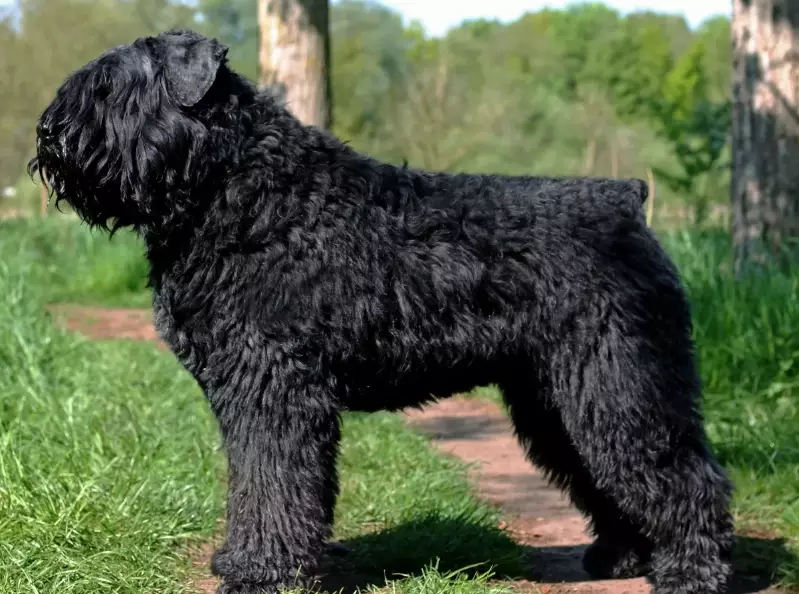
Guide to This Article
What Exactly Is a Bouvier des Flandres?
Beyond the Fluff: The Bouvier's Look and Feel
The Signature Coat: A Double-Edged Sword
Size and Build: Substance Over Flash
The Bouvier Mind: Temperament and Personality
Loyalty That Runs Deep
A Thinker, Not Just a Doer
The Guardian Instinct
Surprisingly Calm Indoors
Life with a Bouvier: The Daily Reality
Exercise Needs: Quality Over Mindless Quantity
Grooming: The Non-Negotiable Commitment
Every 6-8 Weeks: Professional grooming. Most owners opt for a "puppy cut" or a trimmed-down version of the traditional look for manageability. The traditional, unshaven look requires even more meticulous hand-stripping to maintain the correct coat texture.
Regularly: Check and clean those beard and mustache after meals (they're a mess), clean ears, and trim nails.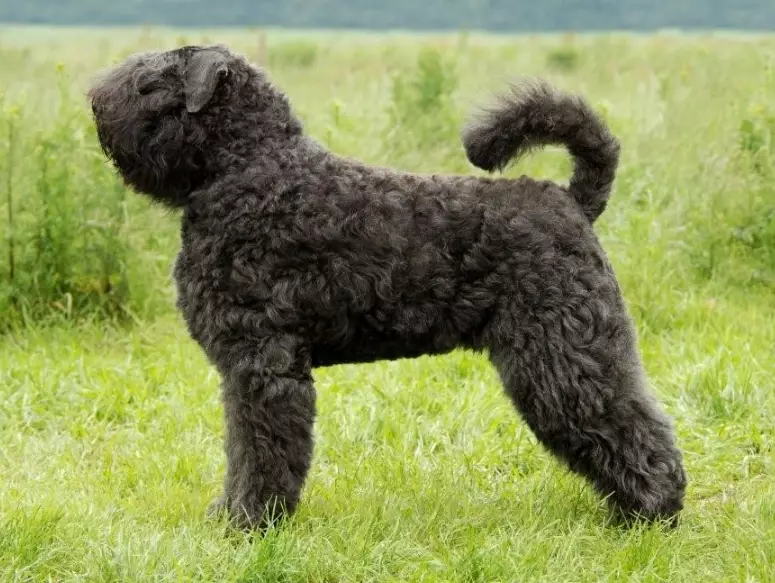
Top 5 Grooming Mistakes New Bouvier Owners Make
Mistake
What Happens
The Fix
Brushing only the top layer
Mats form invisibly at the skin level, leading to painful pulling, skin infections, and eventually, the need to shave the dog bald.
Always use a comb after brushing to ensure it glides through the hair down to the skin.
Bathing a matted dog
Water tightens mats like a vice, making them impossible to brush out later.
Always brush out ALL mats completely before the dog ever sees the bathtub.
Using the wrong tools
Shedding blades or rakes can damage the harsh outer coat. A soft pin brush won't penetrate the undercoat.
Invest in a high-quality slicker brush and a sturdy, long-toothed metal comb.
Neglecting the "problem areas"
Mats love to hide behind ears, under the collar, in the armpits, and on the belly.
Make a checklist and inspect these areas every single brushing session.
Waiting too long between professional grooms
The coat gets out of control, making the groomer's job a nightmare and your bill much higher.
Stick to a strict 6-8 week schedule with a groomer experienced with double-coated breeds.
Training Your Bouvier: Patience is a Virtue
Be Consistent, Be Fair, Be Interesting
Socialization is Part of Training
The Adolescent Phase: Brace Yourself
Health and Lifespan: What to Watch For
Finding Your Bouvier: Breeder vs. Rescue
Choosing a Reputable Breeder
Considering Bouvier Rescue
Answering Your Big Questions (FAQ)
The Final Verdict: Is a Bouvier des Flandres Your Dog?
I remember the first time I took Gus to a new vet. The vet tech took one look at him, sighed, and said, "Ah, a Bouvier. We'll need to block out extra time for the exam." I thought she meant because of his size. She meant because he would need to be thoroughly checked for mats hidden under all that fur. It was a foreshadowing of my future.
Let's clear this up: Bouviers do shed, but unlike a Labrador that leaves hair tumbleweeds everywhere, their loose hair gets trapped in that dense undercoat. If you don't brush it out, it stays there, felting into mats close to the skin. So, you don't find hair on your sofa, but you will create a living, breathing felt statue if you neglect grooming. For people with allergies, it's often the dander (skin flakes) that's the problem, not the hair itself. A well-groomed Bouvier produces less airborne dander, which can be better for some allergy sufferers, but it's not a guarantee. Always spend time with the breed before committing.
But don't mistake this calm for low energy. They need their outlet.
Weekly: A thorough brushing all the way down to the skin with a slicker brush and a metal comb. This isn't a five-minute pat. This is a 30-60 minute session, checking for mats, especially behind the ears, in the armpits, and around the tail.
Are Bouvier des Flandres good with kids?
Generally, yes, but with critical caveats. They are typically very patient and protective of "their" children. However, their large size means they can accidentally knock over a toddler. And like any dog, they should never be left unsupervised with young children. Teach kids to respect the dog's space, especially when eating or sleeping.
Are they good with other pets?
This depends heavily on early socialization. They can do well with other dogs, especially if raised together, but some can have same-sex aggression issues as adults. Their herding instinct might make them want to chase cats or small animals. Careful introductions and management are key.
Can a Bouvier des Flandres live in an apartment?
It's possible, but not ideal. Their calm indoor nature helps, but they are large and need ample daily exercise and mental stimulation. Access to a secure yard is a huge plus. In an apartment, you must be fanatical about providing enough structured outdoor activity.
Are they easy to train for first-time dog owners?
I'm going to be blunt: usually not. Their intelligence, size, strength, and independent streak present a challenge that can overwhelm a novice. An inexperienced owner might unintentionally create a stubborn, pushy dog. If you're set on a Bouvier as a first dog, be prepared to invest heavily in professional obedience classes from day one.
How much does a Bouvier des Flandres puppy cost?
From a reputable breeder, expect to pay between $2,500 and $4,000 USD. This reflects the cost of health testing, quality care for the dam and puppies, and the breeder's investment in the breed's future. The initial cost is just the beginning—factor in lifelong expenses for food, grooming, vet care, and training.
Gus is more than a pet. He's a part of the family's rhythm. His morning "woof" to go out, the sound of his nails on the floor, the way he sighs dramatically when we're late with dinner—these are the textures of my life now. I wouldn't trade it for the world, even on the days I'm picking vegetable scraps out of his beard for the third time.
Comment