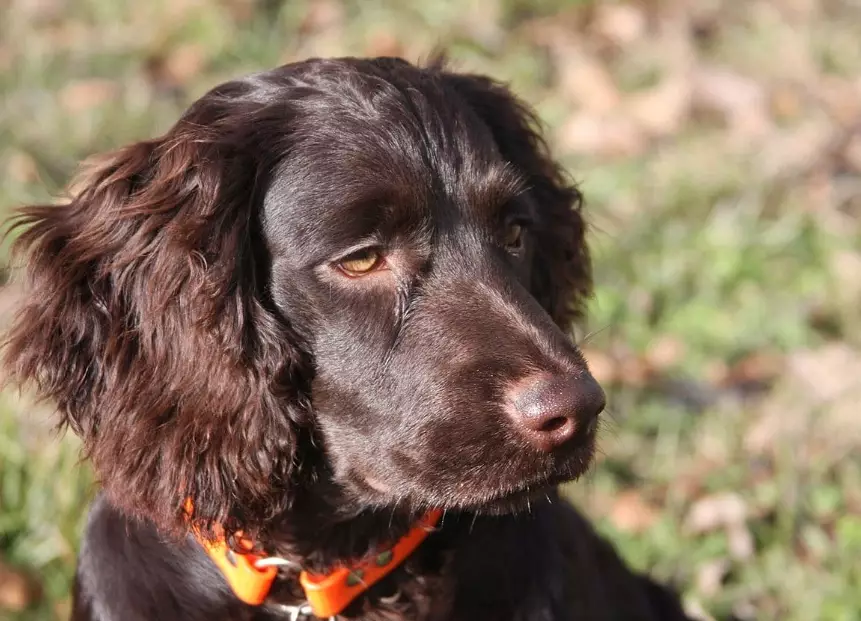
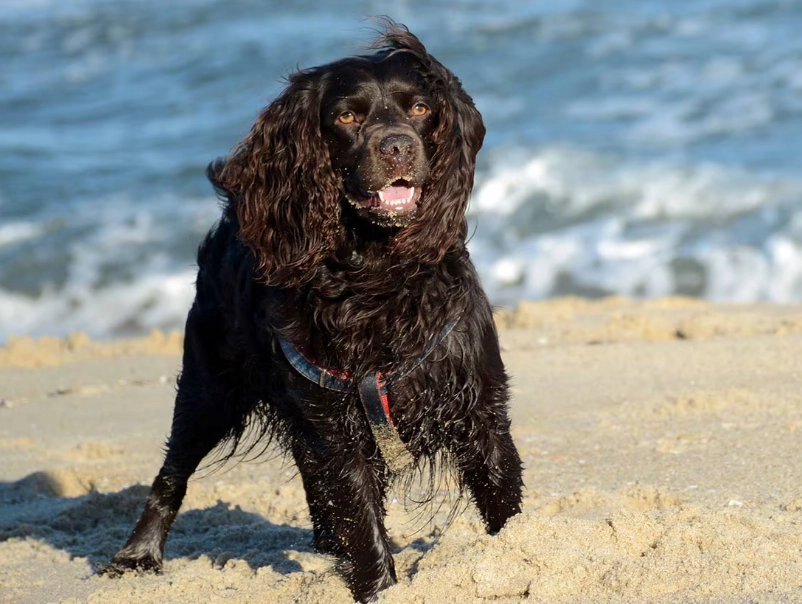
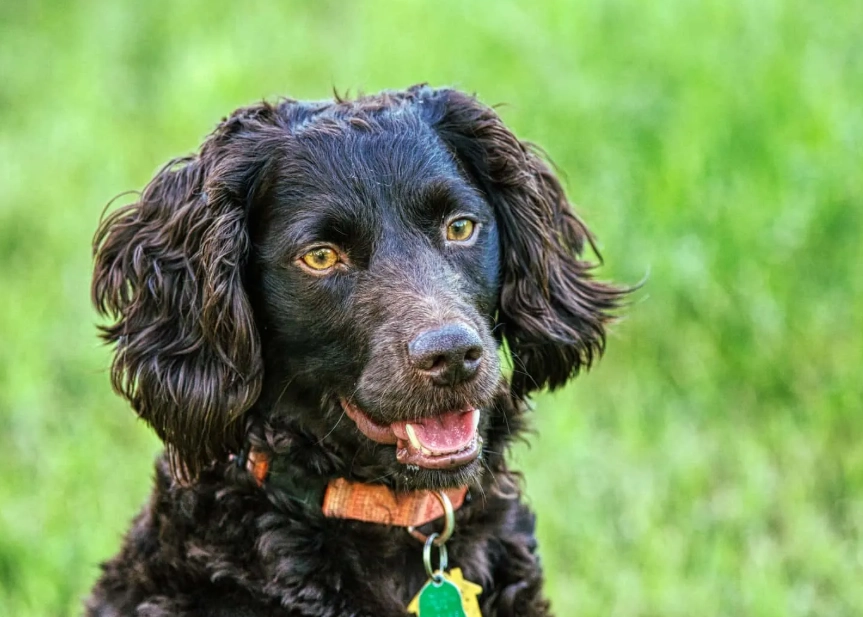
So you're thinking about getting a Boykin Spaniel, huh? Maybe you saw one at a park, its rich liver-colored coat shining in the sun, wagging its tail like it's powered by a perpetual motion machine. Or perhaps a hunting buddy won't stop raving about theirs. Let me tell you, these dogs are something else. They're not your average spaniel, that's for sure. I remember the first time I met a Boykin. A friend brought his over, and within minutes the dog had fetched a ball, tried to herd the cat, and then sat politely waiting for a treat. The energy was contagious, but also... a lot. It got me digging into what makes this breed, South Carolina's official state dog, so special. And whether that specialness is a good fit for a regular home. The Bottom Line Up Front: The Boykin Spaniel is an incredibly versatile, energetic, and affectionate dog bred for hunting waterfowl and turkey in the swamps and rivers of the American South. They're brilliant family companions but demand an active lifestyle. If you want a couch potato, look elsewhere. If you want a partner for adventure, you might have just found your match. The story of the Boykin Spaniel starts, unsurprisingly, with a guy named Boykin. L. Whitaker Boykin, to be precise, in the early 1900s around Camden, South Carolina. The legend goes that a stray small brown spaniel-type dog was found outside a church. This dog, named "Dumpy," showed a natural talent for retrieving. Boykin and other hunters started breeding him, mixing in other breeds like the American Water Spaniel, Springer Spaniel, Cocker Spaniel, and later, the Chesapeake Bay Retriever. The goal was specific: create a compact dog that could fit in a small boat (a "johnboat") for solo hunters, swim powerfully in the swamps and rivers, and have a soft mouth for retrieving game like ducks and turkeys. They succeeded wildly. The Boykin Spaniel became a regional legend before gaining national recognition. The American Kennel Club (AKC) finally gave them full recognition in 2009, which is pretty recent in the dog world. That "Swamp Poodle" nickname? It's a term of endearment, I swear. It nods to their water-loving nature and their often curly or wavy coat. It's a badge of honor for this tough little worker. Let's cut to the chase. What's it actually like to live with one of these dogs? I've spoken to owners who say the first two years are like living with a furry tornado. But then, they mellow into the most incredible companions. It's an investment. Training a Boykin Spaniel isn't about imposing your will; it's about building a team. They're sensitive souls despite their ruggedness. Harsh methods will shut them down. Use praise, treats, and play. Start early with puppy socialization—expose them to different people, places, sounds, and safe dogs. Focus on these core commands: Consider advanced training like field work, agility, or dock diving. It taps into their genetics and tires them out beautifully. The Boykin Spaniel Society is a fantastic resource for training tips and events. That wavy, liver-colored coat is pretty low-maintenance for a sporting dog. It's designed to shed water and dirt. They are moderate shedders. You'll find hair around, but it's not like a Husky blowout. The coat color ranges from a rich liver to a dark chocolate. You can't put cheap fuel in a high-performance engine. Feed your Boykin Spaniel a high-quality dog food formulated for active, medium-sized breeds. The amount varies wildly based on age, metabolism, and activity level. A working hunting dog may need 50% more food than a weekend warrior pet. Watch their weight. They're food-motivated and can easily become pudgy if under-exercised. A lean Boykin is a healthy, agile Boykin. Now, exercise. This isn't optional. If your idea of a perfect weekend is a movie marathon, this is not your breed. Seriously. Overall, they're a robust breed with a lifespan of 14-16 years. But like all purebreds, they have some predispositions. Responsible breeders test for these. Pet insurance is a really good idea for this breed. Or start a dedicated savings account. The peace of mind is worth it. A vet once told me the healthiest Boykins she sees are the ones kept lean and fit. That extra five pounds puts a lot of stress on their joints over a lifetime. It stuck with me. This is where you must do your homework. A good breeder's goal is to improve the breed, not just sell puppies. Red Flags: Multiple litters available at once, puppies always ready, no health testing on parents, unwilling to let you visit the home, selling puppies online with no interview. Green Flags: They ask you as many questions as you ask them. They show you health clearances (OFA, EIC test, eye certs). The dogs live in the home as part of the family. They have a contract requiring you to spay/neuter unless sold for breeding (and they carefully vet those homes), and they'll take the dog back at any point in its life if you can't keep it. They are involved with the American Boykin Spaniel Club or other breed clubs. Expect to be on a waitlist. Expect to pay a premium for a well-bred puppy from health-tested lines. It's worth every penny for a healthy, stable-tempered dog. This can be a wonderful option. Sometimes Boykins end up in rescue because well-meaning people underestimated their energy needs. Rescue organizations do a great job of assessing a dog's temperament and matching them with the right home. Check with the Boykin Spaniel Rescue network. You might find a young adult whose energy has leveled out a bit, which can be perfect for a first-time Boykin owner. Be prepared for a thorough application process—they want to ensure these dogs never bounce again. Look, I love this breed. Their intelligence, their joy, their unwavering loyalty. But I'm also realistic. The perfect Boykin Spaniel owner is active, probably outdoorsy, wants a true partner in crime, and has the time for training and exercise. They might have a family with kids who can match the dog's energy. They have a secure yard or a solid plan for daily activity. They understand that this dog is a commitment for the next 15 years. The wrong owner wants a low-maintenance pet, works long hours away from home, or gets frustrated easily. This dog will amplify your lifestyle, for better or worse. If you've read this far and you're not scared off but instead intrigued and excited by the challenge, then you might be on the right track. Go meet some. Talk to breeders, talk to rescue folks, talk to owners at a spaniel field trial. Get the real, muddy, slobbery picture. And if you do take the plunge, give that smart, loving, energetic Swamp Poodle the adventurous life it deserves. You'll get it back tenfold in companionship.In This Article
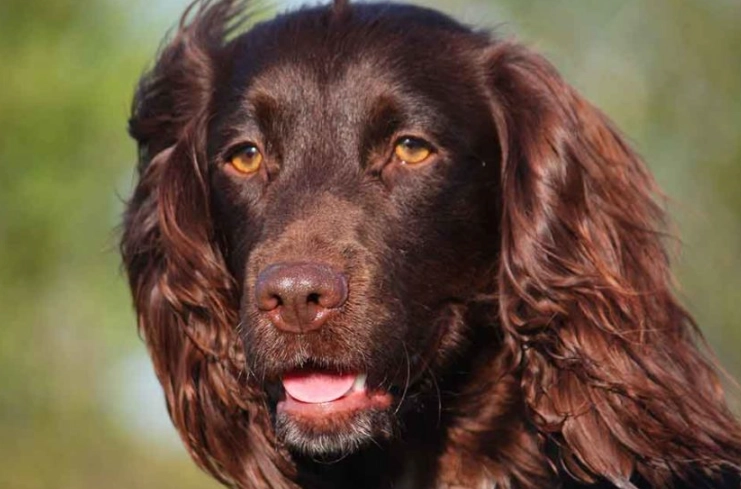
Where Did This "Swamp Poodle" Come From Anyway?
What's a Boykin Spaniel Really Like? The Good, The Bad, The Energetic
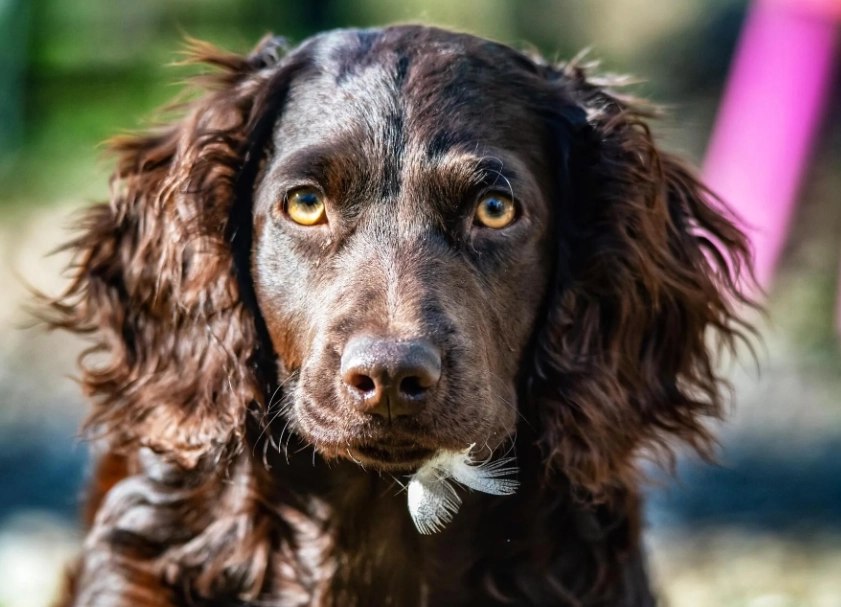
The Pros: Why People Fall in Love with Boykins
The Cons: The Realities You Need to Prepare For
A Deep Dive into Boykin Spaniel Care
Training Your Boykin: It's All About Partnership
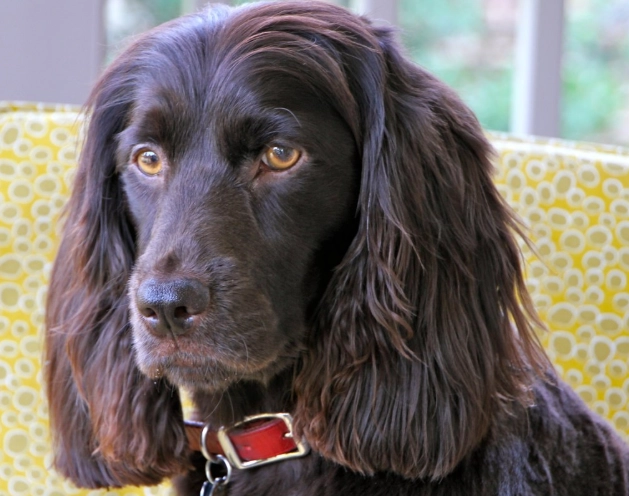
Grooming: It's Not That Bad, Honestly
Nutrition and Exercise: Fueling the Engine
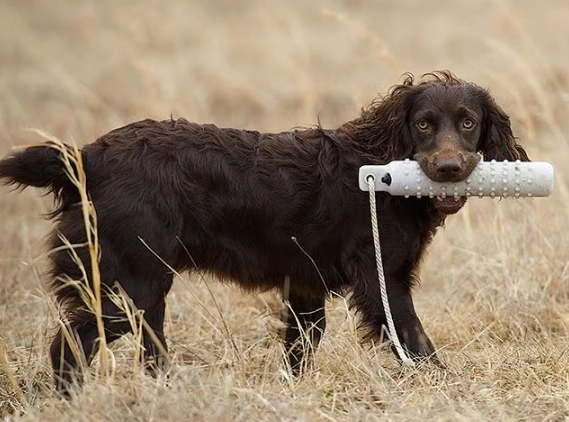
Boykin Spaniel Health: What to Watch For
Health Condition What It Is Prevention/Screening Hip Dysplasia A malformation of the hip joint that can lead to arthritis and pain. Ask breeders for OFA (Orthopedic Foundation for Animals) or PennHIP certification of the parents. Exercise-Induced Collapse (EIC) A genetic disorder where dogs become weak and wobbly after intense excitement/exercise. Genetic test available. Reputable breeders test parent dogs. Cardiac Issues Various heart conditions, including pulmonic stenosis. Cardiac exams by a veterinarian, often with an ultrasound. Eye Conditions Can include cataracts, retinal issues. Annual vet eye exams; CERF (Canine Eye Registration Foundation) screening for breeding dogs. Skin Allergies Some lines can be prone to itchy skin and ear infections, often food or environmental. Work with your vet to identify triggers; may require special diets or medications. Boykin Spaniel Puppy or Rescue? The Big Decision
Finding a Reputable Breeder
Considering a Rescue
Your Boykin Spaniel Questions, Answered
Final Thoughts: Is the Boykin Spaniel Right for YOU?
Consistency is the magic word. Five minutes of training every day beats a one-hour marathon on Saturday.
Are Boykin Spaniels good apartment dogs?
It's possible, but it's hard mode. The apartment itself isn't the issue; the lack of a backyard is. If you live in an apartment, you must be fanatical about providing multiple long walks, trips to a dog park (if dog-friendly), and indoor mental games every single day, rain or shine. A tired Boykin is a good Boykin, anywhere.
How are they with cats?
It depends on the individual dog and the cat. Their hunting instinct can be triggered by a running cat. With slow, careful introductions and a cat that stands its ground, many can learn to coexist peacefully. Never leave them unsupervised until you're 1000% sure. A kitten might be seen as prey.
Do they bark a lot?
They are alert barkers. They'll let you know someone's at the door. But they aren't typically nuisance barkers left to their own devices... unless they're bored. A bored Boykin will find ways to entertain itself, and barking can be one of them.
What's the difference between a Boykin Spaniel and a Cocker Spaniel or Springer Spaniel?
Size and drive. Cockers are smaller. Springers are often larger and can have a slightly more independent streak. The Boykin is a unique blend—compact like a Cocker but built for tougher, wetter work with more of the retriever's soft mouth and desire to please. Their energy level is generally higher than both.
I'm not a hunter. Should I still get a Boykin?
Absolutely! Most Boykins today are family companions. You just need to provide an outlet for their instincts. Fetch, swimming, agility, nose work, long hikes—these all satisfy that deep need to work and use their brain and body. The hunting heritage just explains why they are the way they are.
A Boykin Spaniel isn't just a pet; it's a lifestyle choice. Choose wisely.
Comment