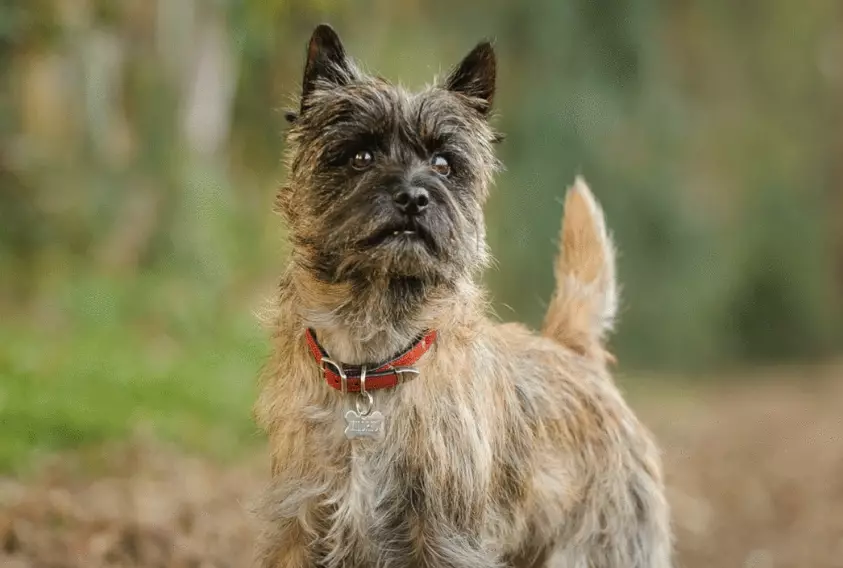
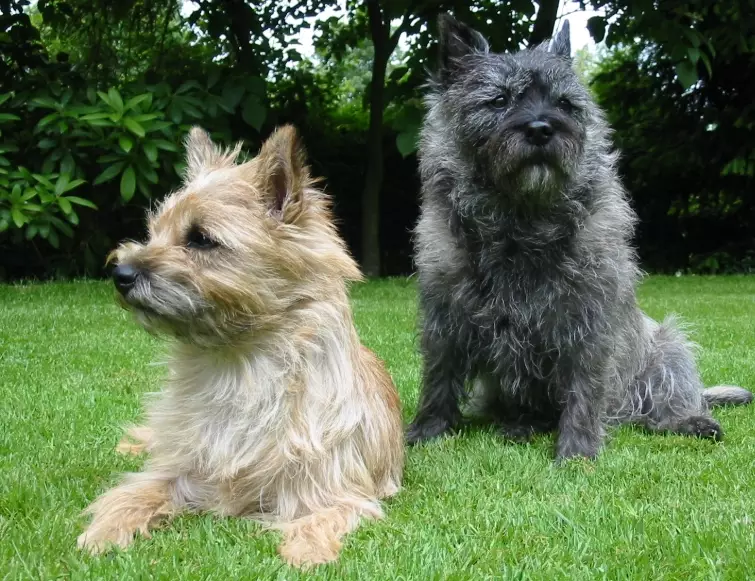
Let's be honest, you probably saw one in a movie. Maybe it was the classic, the one and only Toto from The Wizard of Oz. That scruffy, fearless little dog trotting down the yellow brick road is the image most of us have. And it's a good one, but it's just the trailer for the full feature film of owning a Cairn Terrier. I've had one for eight years now. His name is Finn, and he's a handful in the best and sometimes most frustrating ways. This guide isn't just a rehash of breed standard facts. It's the real, down-to-earth stuff you need to know before you bring one of these big-personality dogs into your home. We'll talk about the good, the great, and the "oh boy, what did I get myself into" moments. Quick Breed Snapshot: The Cairn Terrier is a small, hardy working terrier from the Scottish Highlands. They were bred to bolt foxes and other small game from cairns (rock piles). They're known for their shaggy, weather-resistant double coat, bright eyes, and an independence that can border on stubbornness. They're not a "lap dog" in the passive sense—they're a lap dog that wants to be in on the action. If you want a dog that just sits and looks pretty, look elsewhere. A Cairn Terrier is a live wire. They're confident, curious, and possess a level of self-assurance that seems outsized for their small frame. Fearless and Fun: There's a joyful, almost mischievous spark to them. Everything is an adventure, from a walk in the park to investigating a new grocery bag. Their courage is legendary—Finn once tried to "herd" a vacuum cleaner three times his size. Loyal and Affectionate (On Their Terms): Don't mistake independence for aloofness. My Cairn is deeply attached to our family. He follows me from room to room, not in a needy way, but as a supervisor making sure everything is up to code. He loves a good cuddle, but only after he's decided playtime is over. Intelligent and Engaging: They're clever problem-solvers. This is great for learning tricks, but it also means they can figure out how to open a loose cabinet door if they smell something interesting inside. Stubborn as a... Well, as a Terrier: Training requires patience. They have a mind of their own. The American Kennel Club's breed description calls them "independent thinkers," which is a polite way of saying they'll weigh your command against their own desire in the moment. Consistency is non-negotiable. Prey Drive is Real: Remember, they were bred to hunt. Squirrels, rabbits, even fast-moving cats or small dogs can trigger a chase instinct. A secure, fenced yard is absolutely essential. They are not dogs you can trust off-leash in an unsecured area. Can Be Vocal: They are alert barkers. A delivery person, a strange noise, a leaf blowing suspiciously across the yard—all worthy of commentary. It's manageable with training, but if you need absolute quiet, this might not be your breed. My own moment of truth? The first time Finn saw a rabbit in our backyard. The transformation from sleepy companion to focused, trembling hunter was instantaneous. It's not aggression; it's pure, distilled instinct. You have to respect it and manage it. This isn't about good or bad, it's about fit. A Cairn Terrier thrives in the right environment and can be a nightmare in the wrong one. A Cairn Terrier might be a great fit if you: Think twice about a Cairn Terrier if you: It's the question everyone has. They look similar, they're both Scottish terriers, so what's the difference? Having spent a lot of time with both breeds, here's the practical breakdown. In the end? They're more alike than different. The color is the biggest obvious factor. Some say Westies are a touch more outgoing, Cairns a touch more independent, but you'll find huge individual variation within each breed. Choose based on the individual dog and a reputable breeder, not just the breed label. This is the nitty-gritty. Owning a dog like this is a commitment to specific routines. This is the biggest surprise for many new owners. That adorable scruffy coat has a purpose and needs specific care. You have two main options: Hand-Stripping: This is the traditional method. The dead outer coat is pulled out by hand or with a stripping knife. It encourages new, harsh growth and preserves the coat's weather-resistant qualities and color. It's a skill—most owners use a professional groomer every 6-8 weeks. The Cairn Terrier Club of America has excellent resources on finding groomers familiar with the technique. Clipping: Using clippers is easier and faster, but it changes the coat. It cuts the hair, leaving the soft undercoat behind. Over time, the coat can become softer, woolier, and more prone to matting and holding dirt. The color may also fade. Many pet owners clip for convenience, but it's not the breed standard. Weekly Home Maintenance: Regardless of professional grooming, you need to brush your Cairn at least once a week with a slicker brush and a metal comb to prevent mats, especially behind the ears and in the "armpits." Check ears weekly for dirt and wax. Trim nails regularly. These are not couch potatoes. A bored Cairn Terrier will find its own entertainment, and you probably won't like it (think digging, chewing, excessive barking). Start early. Socialization (positive exposure to people, places, sounds, other dogs) is critical before 16 weeks. Obedience classes are highly recommended—not just for the commands, but for the controlled environment. Key Commands: "Leave it," "come," and a solid "watch me" are lifesavers given their prey drive and curiosity. Use positive reinforcement. They can be sensitive to harsh corrections and will just shut down. My biggest training win with Finn was a rock-solid recall using the best treats imaginable (boiled chicken). It took months, but it gives me peace of mind. Overall, they're a tough, long-lived breed (often 13-15 years). But being informed is key. Finding a Healthy Puppy: This is the most important decision. A good breeder health tests their breeding stock. They should openly discuss health clearances for eyes, knees (patellas), and ideally for PSS (via bile acid tests). They will ask you as many questions as you ask them. Avoid anyone who has multiple litters available, sells puppies online with no questions asked, or cannot provide health documentation. The AKC Marketplace can be a starting point, but always vet the breeder thoroughly. Puppies aren't the only option. Many wonderful adult Cairn Terriers end up in rescue through no fault of their own—a divorce, a move, an owner's passing. An adult dog often comes with known personality traits and may be past the intense puppy chewing phase. Breed-specific rescues are fantastic resources. The Cairn Terrier Rescue Committee (CAIRN) is a well-regarded national network. You're not just getting a dog; you're getting support from people who deeply understand the breed. Living with a Cairn Terrier is never boring. Some days, the barking drives me up the wall. The grooming bills are real. The stubborn streak can be infuriating. But then he curls up next to me with a contented sigh, or makes me laugh with his comical "terrier tantrum" when playtime ends, or greets me with such pure, unbridled joy that it erases a bad day. The loyalty, the humor, the sheer life force in that small package—it's something special. They're not the easiest dog, but for the right person, they might just be the best dog. If you do your homework, know what you're signing up for, and are ready to meet the challenge with patience and a sense of humor, a Cairn Terrier will reward you with a friendship full of personality and heart for over a decade. Just maybe hide your good shoes first.Quick Navigation
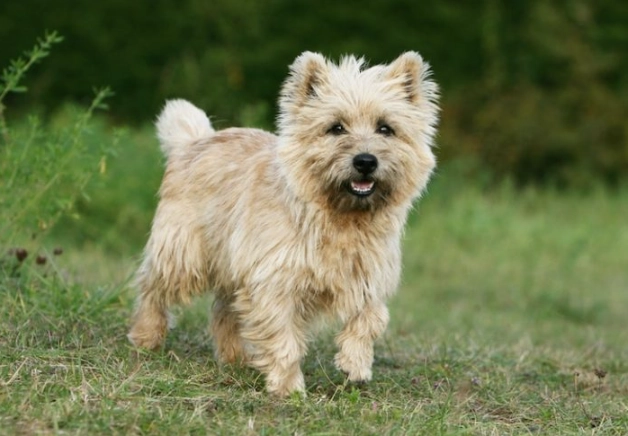
What's a Cairn Terrier Really Like? The Personality Deep Dive
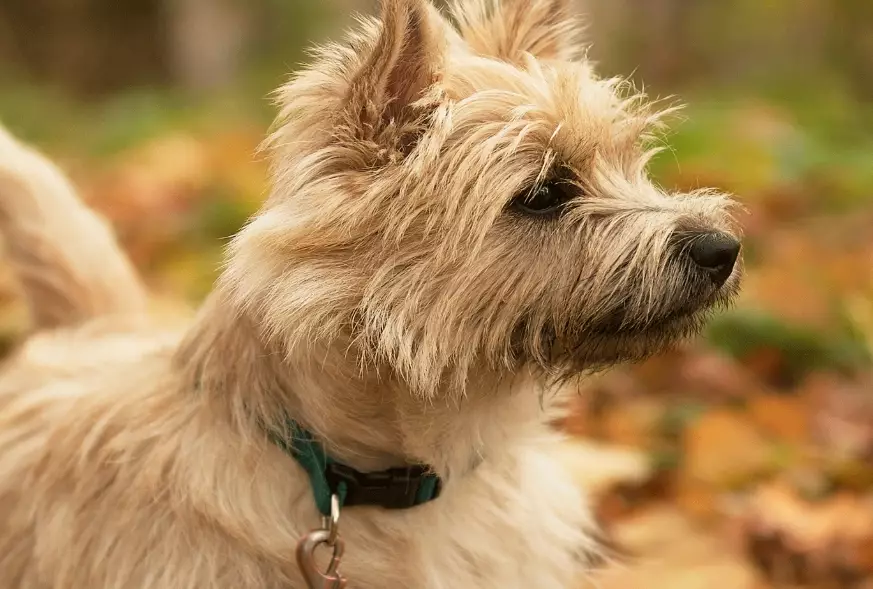
The Good Stuff (The Reasons You'll Fall in Love)
The Challenging Bits (What Nobody Tells You Upfront)

Is a Cairn Terrier the Right Dog For You? A Honest Checklist
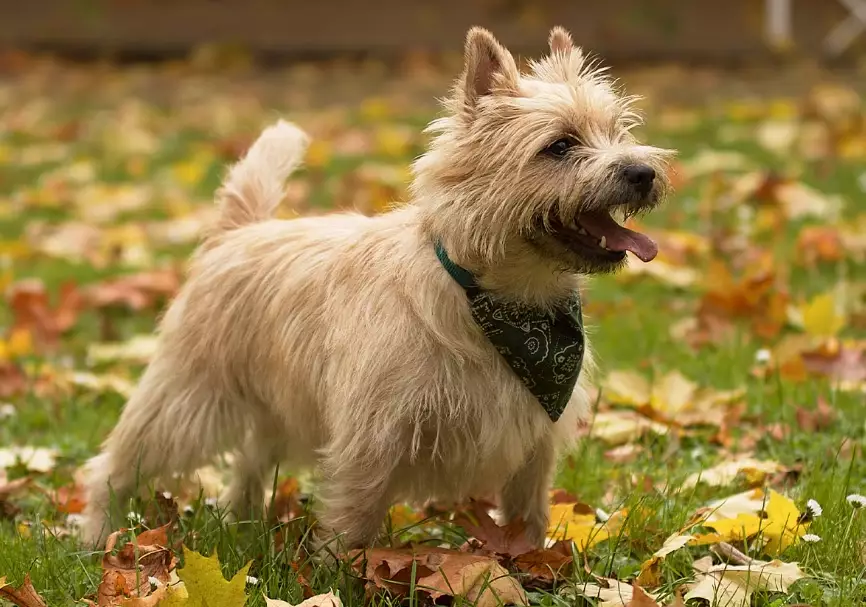
Cairn Terrier vs. West Highland White Terrier: The Classic Comparison
Feature
Cairn Terrier
West Highland White Terrier (Westie)
Coat Color
Any color except white. Cream, wheaten, red, gray, or nearly black. Often brindled.
Always pure white (a defining breed standard).
Coat Texture
Shaggy, harsh outer coat; soft undercoat. Meant to be weatherproof.
Very similar double coat, but the white can sometimes feel a bit softer.
Personality
Often described as slightly more "independent" and adaptable. A classic, all-purpose farm terrier.
Still a true terrier, but some owners and breeders note a tiny bit more "showmanship" and alertness.
Grooming Need
Requires hand-stripping to maintain texture and color. Clipping softens the coat.
Also requires hand-stripping, but the white coat shows dirt and tear stains more easily.
Common Health Concerns
Generally robust. Can be prone to allergies, luxating patellas, and a liver shunt (Portosystemic Shunt).
Similar robust health. Also watch for skin allergies (atopy) and craniomandibular osteopathy ("lion jaw").
The Day-to-Day: Caring for Your Cairn Terrier
Grooming: It's Not Optional, It's Essential
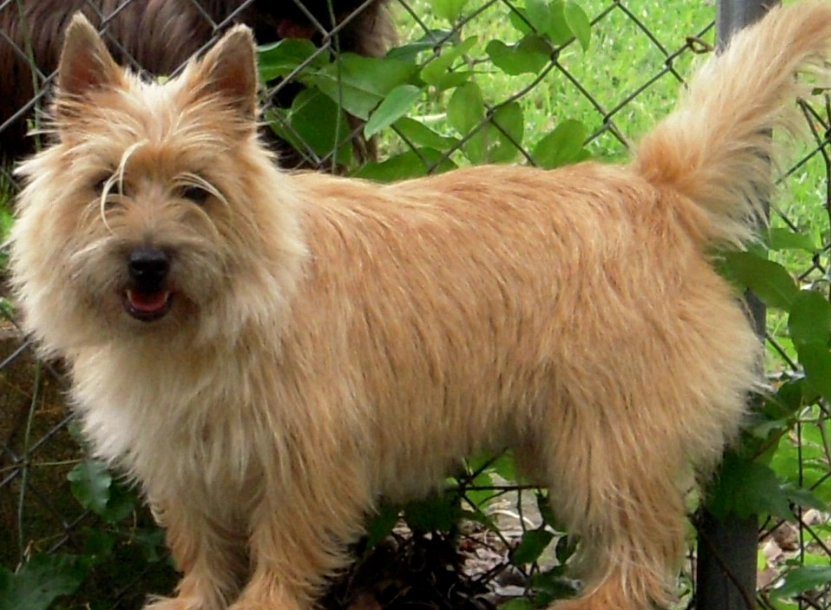
Exercise & Mental Stimulation: A Tired Terrier is a Good Terrier
Training Your Cairn: Patience, Consistency, and High-Value Treats
Cairn Terrier Health: What to Watch For
Consider Adoption: Giving an Adult Cairn a Home
Your Cairn Terrier Questions, Answered
Final Thoughts: Is It Worth It?
Q: Are Cairn Terriers good with kids?
A: Generally, yes, if raised with them or properly socialized. They are sturdy enough for gentle play with older children. However, they have low tolerance for being poked, prodded, or tail-pulled. All interactions between dogs and young children must be supervised. Teach kids to respect the dog's space, especially when eating or sleeping.
Q: Do Cairn Terriers shed?
A: They are not heavy shedders like a Labrador, but they are not non-shedding. The loose, dead hair from their undercoat mostly gets caught in the outer coat, which is why weekly brushing is crucial to remove it before it ends up on your furniture. Hand-stripping removes this dead hair directly during grooming sessions.
Q: Can a Cairn Terrier live in an apartment?
A: It's possible, but not ideal without significant effort. They are energetic and vocal. Apartment living requires a committed owner who will provide multiple daily walks, trips to a dog park (if dog-friendly), and ample indoor play and mental stimulation. Without it, the pent-up energy will lead to behavioral problems.
Q: Are they easy to housebreak?
A: They can be stubborn about it. Crate training is highly recommended. Consistency, a strict schedule, and massive praise for going outside are key. Some take to it quickly; others, like Finn, seemed to view the house as an extension of the great outdoors for a frustratingly long time. Patience wins.
Q: What's the best diet for a Cairn Terrier?
A: There's no single answer. A high-quality commercial diet (kibble or wet) appropriate for their life stage is fine. Many do well on diets formulated for small, active breeds. Due to potential allergies, some owners find success with limited-ingredient diets or novel proteins (like salmon or duck). Always consult your vet. Avoid overfeeding—they can gain weight easily, which stresses their joints.
Comment