Let's be real. When most people think of getting a dog, they picture a loyal Golden Retriever, a goofy Labrador, or maybe a tiny, portable Chihuahua. The Canaan Dog? It's not usually on that list. And there's a reason for that. This isn't a breed created in a Victorian parlor for companionship. This is a survivor. A dog with thousands of years of history written into its DNA, shaped by the harsh deserts of the Middle East. Owning a Canaan Dog is less about having a cuddly pet and more about forging a partnership with a living piece of history. It's fascinating, challenging, and absolutely not for everyone. I remember the first time I saw one at a rare breed show. It wasn't barking or jumping. It was just... watching. Its posture was alert, its ears swiveling like satellite dishes, taking in every movement in the room with a calm, calculated intelligence. It looked regal and slightly aloof, like it knew a secret the other dogs didn't. That's the essence of the Canaan Dog. So, if you're curious about this ancient guardian, buckle up. We're going deep on what it's really like to live with one. You can't understand the Canaan Dog without understanding where it came from. Its story is unlike almost any other modern breed. We didn't "create" it through selective breeding for specific looks. Instead, we rediscovered it. The ancestors of today's Canaan Dogs are the pariah dogs that lived feral and semi-feral in the deserts and villages of the Levant (modern-day Israel, Lebanon, Jordan) for millennia. They survived by their wits, forming loose packs and scavenging. The modern chapter starts in the 1930s with Dr. Rudolphina Menzel. Tasked by the pre-state Israeli defense force to develop a dog for sentry and messenger work, she looked to these hardy native dogs. She saw their intelligence, resilience, and strong survival instincts. Instead of importing European breeds that would wilt in the desert heat, she began capturing and selectively breeding these feral dogs for temperament and trainability. The result was the foundation of the breed we know today. The American Kennel Club (AKC) officially recognized the Canaan Dog in 1997, but its soul is ancient. This history explains everything about their behavior. This is the most important section. Get this wrong, and you'll have a miserable dog and a miserable life. The Canaan Dog temperament is a complex, sometimes contradictory mix. They are incredibly devoted to their family unit. Once you're in, you're in. They form a deep, quiet bond. They're not usually in-your-face lap dogs (though some individuals can be affectionate on their own terms), but they show loyalty through constant, vigilant guardianship. They are also remarkably clean, almost cat-like in their fastidiousness. Many owners report they're easy to housebreak for this reason. Their intelligence is off the charts. But it's a different kind of smart. It's not the "eager-to-please, what-can-I-do-for-you" intelligence of a Border Collie. It's a problem-solving, analytical, "what's-in-it-for-me" intelligence. They learn commands quickly, but they also quickly question why they should obey them if there's no clear benefit. Aloofness with strangers is a breed hallmark. It's not aggression; it's a reserved, cautious assessment. They will bark to alert you. They may not welcome a stranger immediately. This makes them excellent watchdogs but terrible candidates for a dog park social butterfly. Early and ongoing socialization is non-negotiable, but it manages this trait; it doesn't erase it. Then there's the independence. A Canaan Dog has its own opinions. Recall can be a lifelong project. If they see something more interesting (a squirrel, a strange scent), your call might be ignored. They have a high prey drive for small, furry creatures. This, combined with their intelligence, means they can be master escape artists. A six-foot fence is a suggestion, not a guarantee. So, who is it good for? Someone who appreciates an independent thinker, who values a natural guardian, who has a secure yard, and who approaches dog training as a fascinating negotiation rather than a simple command structure. Let's talk practicalities. What does caring for a Canaan Dog actually involve? This is the easy part. They have a double coat—a short, harsh outer coat and a soft undercoat. They are seasonal shedders, meaning they "blow" their undercoat heavily twice a year. During those times (usually spring and fall), you'll need to brush them daily with an undercoat rake. Outside of shedding season, a weekly brush is plenty. They are naturally clean and don't have a strong "doggy" odor. Baths are rarely needed. Here's a surprise: they aren't ultra-high-energy maniacs. A couple of good walks a day, some playtime in the yard, and they're often content. But boredom is their enemy. A bored Canaan Dog is a destructive Canaan Dog. Their exercise needs are more mental than physical. Puzzle toys, scent work (which they excel at), training sessions that challenge them, and exploring new, safe environments are key. A long walk on the same route every day will bore them intellectually. Training a Canaan Dog requires patience, consistency, and a good sense of humor. Positive reinforcement is the only method that works. Harsh corrections will make them shut down or become resentful. They respond to respect, not dominance. Keep sessions short, fun, and rewarding. They excel at dog sports that engage their minds, like obedience (though they may not be the fastest), rally, agility, and most of all, nosework. Their natural scenting ability is phenomenal. One of the huge perks of a breed with a large, diverse founding gene pool is genetic health. Canaan Dogs are typically very healthy with a long lifespan of 12-15 years. They aren't plagued by the extreme exaggerated features that cause problems in many popular breeds. However, no breed is immune. Reputable breeders screen for the following conditions: The single most important thing you can do for health is to find a breeder who openly shares all health testing results for the parents. The official parent club, the Canaan Dog Club of America (CDCA), is an excellent resource for finding ethical breeders who prioritize health and temperament. The American Kennel Club's breed page also provides a reliable overview of the breed standard and care. You should expect to provide your vet with a history from the breeder. A good breeder is your partner for the dog's life. Let's make this personal. Here are some quick-fire scenarios to see if a Canaan Dog fits. See what I mean? It's a breed of very specific yeses and nos. This is a rare breed, so you won't find them in every city. Patience is key. This is the most common path. A good breeder will interview you as thoroughly as you interview them. They will want to know about your lifestyle, experience, and home environment. They should: Be prepared for a waitlist. Good breeders don't have litters constantly. Yes, Canaan Dogs do end up in rescue, often because someone didn't understand the breed's needs. The CDCA has a rescue network. Adopting an adult can be a wonderful option because their personality is already known. The rescue will work to match you with a dog whose temperament fits your home. It can be a more direct way to give a great dog a second chance. So, after all this, what's the bottom line on the Canaan Dog? I think they're one of the most fascinating breeds on the planet. They're a living link to the past, intelligent, beautiful in a rugged, natural way, and unshakably loyal to their people. The bond you form, once earned, is profound precisely because it isn't freely given. But I also think they're one of the most commonly misunderstood and potentially mismatched breeds. The internet can paint them as just "spitz-type" dogs, glossing over the depth of their independence and wariness. Someone wanting a friendly, biddable family pet will be in over their head. If your lifestyle aligns—if you have a secure home, appreciate canine intelligence in its rawest form, don't need constant slobbery affection, and are ready for a training journey that's more like a dialogue—then a Canaan Dog could be an incredibly rewarding companion. You won't just own a dog; you'll be the steward of an ancient legacy. If your life is chaotic, you have a revolving door of guests, or you dream of off-leash adventures in the mountains from day one, look elsewhere. There are plenty of wonderful breeds that would be happier in that setting, and you'll be happier too. Do your homework. Talk to breeders (the CDCA website is the place to start). Talk to owners. Maybe even meet a few dogs. Go in with your eyes wide open, respecting the breed for what it truly is, not what you might wish it to be. That's the only way a partnership with a Canaan Dog can truly succeed.In This Guide
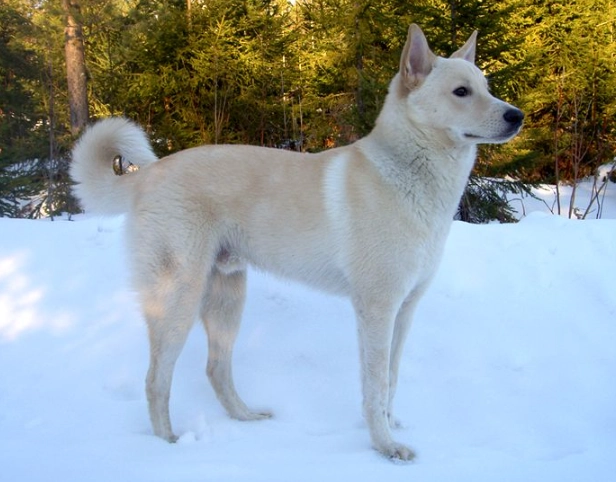
Where Did This Breed Even Come From? A History Lesson
Cracking the Canaan Dog Code: Personality & Temperament
The Good Stuff (And It's Really Good)
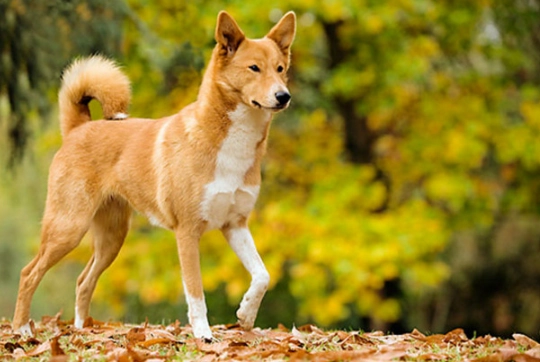
The Challenging Stuff (You Need to Be Prepared)
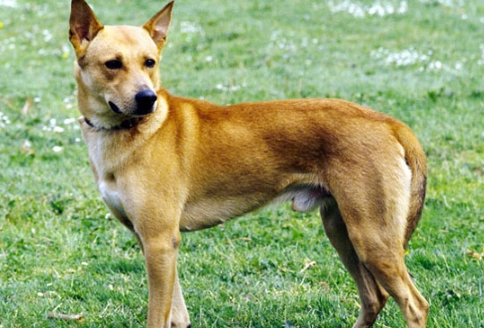
Living with a Canaan Dog: The Day-to-Day Reality
Grooming and Shedding
Exercise Needs: Mental Over Physical
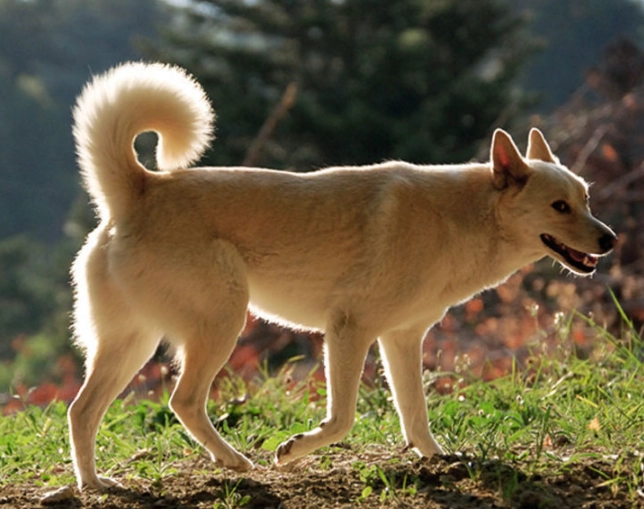
The Training Tightrope
Canaan Dog Health: A Generally Hardy Breed
Health Concern Description Prevalence What Breeders Should Do Hip Dysplasia Malformation of the hip joint. Low to Moderate Screen breeding stock via OFA or PennHIP X-rays. Elbow Dysplasia Malformation of the elbow joint. Low Screen breeding stock via OFA X-rays. Progressive Retinal Atrophy (PRA) Degenerative eye disease leading to blindness. Present in the breed Test breeding stock for the known gene mutation (via organizations like the OFA). Hypothyroidism Underactive thyroid gland. Occasional Monitor symptoms; can be managed with medication. Epilepsy Seizure disorder. Rare No direct test; breeders should know family history. 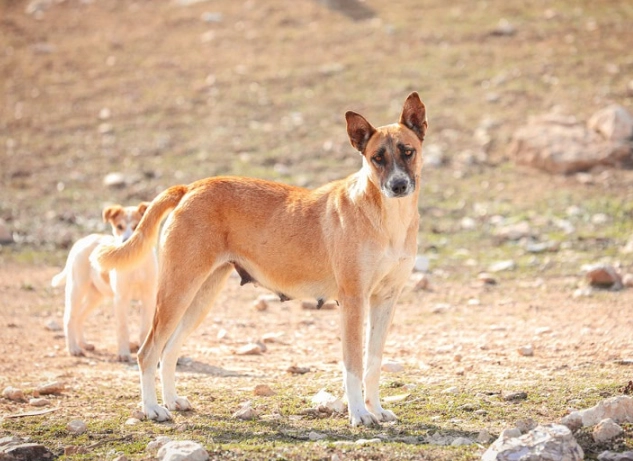
Canaan Dog vs. Your Life: Are They a Match?

Finding Your Canaan Dog: Breeder or Rescue?
Going Through a Reputable Breeder
Considering Rescue
Straight Answers to Your Burning Questions (FAQ)
The Final Verdict: A Niche Breed for a Specific Person
Key Takeaway: The Canaan Dog is a landrace breed turned into a standardized breed. Its behaviors—wariness, intelligence, independence—are not flaws but deeply ingrained survival traits honed over centuries.
Think Twice If: You want a dog that will happily greet all your guests, play fetch for hours without question, or reliably come when called off-leash in an unfenced area. The Canaan Dog will likely frustrate you.
Pro Tip: Use their food drive to your advantage. Many Canaan Dogs are highly motivated by food. Use their daily kibble ration for training exercises instead of just plopping it in a bowl. It turns every meal into a brain game.
It's not a dog you get on a whim. It's a dog you choose after serious consideration.
Q: Are Canaan Dogs aggressive?
A: Not typically. They are aloof and wary, which is different. They are guardians who will bark and posture to protect their home. Proper socialization prevents this from tipping into fear-based aggression. They are not a breed known for human-directed aggression within their family.
Q: How much do Canaan Dog puppies cost?
A: From a reputable breeder, expect to pay between $1,800 and $2,500. The price reflects the health testing, careful breeding, and early care provided. A much lower price is a major red flag.
Q: Can they live in hot/cold climates?
A: Their double coat insulates them well. They handle heat remarkably well due to their desert origins, but always provide shade and water. They can handle cold too, but shouldn't be left outside for extended periods in extreme weather. They are house dogs.
Q: Are they related to the Basenji or Dingo?
A: They are all considered primitive or ancient breeds, sharing common ancestral traits (independence, intelligence, clean habits). However, they are not directly related in a recent genealogical sense. The Canaan Dog's development is unique to the Levant.
Q: Do they get along with other dogs?
A: They can, especially if raised with them. Same-sex aggression (particularly between females) can occur. They often do best with a dog of the opposite sex. Their social style is often more "tolerant housemate" than "playful best friend." Early socialization and careful introductions are key.
Comment