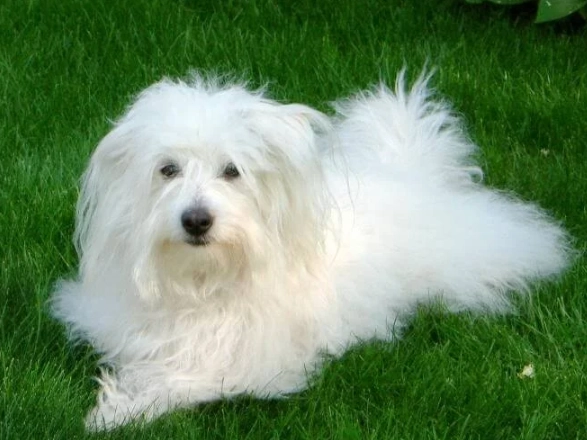
Let's be honest. You've probably seen the pictures. A cloud of white, fluffy fur with dark, sparkling eyes that looks like it stepped out of a fairytale. The Coton de Tulear (pronounced KO-Tone de too-LEE-arr) is often labeled as the ultimate companion dog, a hypoallergenic gem from Madagascar. But behind that adorable, cotton-like coat lies a real dog with specific needs, a quirky personality, and a history that's more fascinating than most breed guides tell you. I remember the first time I met one at a friend's house; it wasn't just sitting prettily—it was doing a playful little "Coton hop" across the living room, demanding attention in the most charming way possible. This isn't just another list of breed standards. We're going to dig into what life is actually like with a Coton de Tulear. From the serious investment of their grooming needs to their surprising sensitivity to being alone, we'll cover the glorious highs and the practical challenges. Whether you're an allergy sufferer hoping for a sneeze-free life or a family looking for a resilient, happy-go-lucky member, let's figure out if this breed's reality matches its radiant reputation. Their story starts far from modern breeding clubs. The Coton de Tulear's ancestors are believed to be small white companion dogs that survived shipwrecks off the coast of Madagascar centuries ago. They found their way to the island's port city of Tulear (now Toliara) and were eventually adopted by the Merina royal family, becoming a cherished status symbol for the nobility. This royal patronage is key to their temperament—they weren't bred for hunting or herding, but purely for companionship and charm. For a long time, exporting them from Madagascar was forbidden, which added to their mystique. The American Kennel Club (AKC) only fully recognized the breed in 2014, but its popularity has been steadily climbing, especially among those in apartments and allergy-prone households. What's fascinating is how their isolated development shaped them. They're tough little dogs, adaptable to the Malagasy climate, yet their sole purpose was to be a delightful, affectionate companion. It's a history that's literally bred into their DNA. So, what exactly are you looking at? The Coton de Tulear is a small but sturdy dog. They typically stand between 9 to 11 inches at the shoulder and weigh 8 to 13 pounds for females and 9 to 15 pounds for males. Don't let the small size fool you—they're surprisingly robust and not as fragile as some other toy breeds. Now, the main event: the coat. It's long, fluffy, and yes, cotton-like—hence the name. It's soft to the touch and grows continuously, much like human hair. This is the source of their "hypoallergenic" label. No dog is 100% allergen-free, but Cotons are a fantastic option for many allergy sufferers because they shed very little. The dander (skin flakes) and saliva proteins that trigger allergies don't get launched into the air via shedding fur. Instead, the loose hair and dander get trapped in that dense coat. Here’s the critical flip side: that glorious coat doesn't maintain itself. Calling it "high-maintenance" is an understatement. It mats and tangles with breathtaking speed. We're not talking about a weekly brushing here. I’ve seen owners who thought they could manage with less frequent grooming quickly end up with a dog covered in painful, tight mats that require the groomer to shave the entire coat off. It's traumatic for the dog and avoidable. If you dislike grooming or have a tight schedule, the classic "Coton cut"—a shorter, puppy-like trim—is a popular and completely acceptable way to reduce daily maintenance while keeping them comfortable and cute. This is where the breed truly shines. The Coton de Tulear temperament is famously cheerful, affectionate, and adaptable. They are often described as clowns—they love to make their people laugh with silly antics, like the signature "Coton hop" or rolling around with a toy. They are intensely social and form strong bonds with all family members. They tend to get along wonderfully with other dogs, cats, and children, making them excellent family pets. Their alertness makes them decent little watchdogs (they'll let you know someone's at the door), but their friendly nature means they're more likely to greet an intruder with a wagging tail than a snarl. Training a Coton is generally a joy because they are intelligent and eager to please... up to a point. They have an independent, sometimes stubborn streak. They respond far better to positive reinforcement—treats, praise, play—than to any harsh corrections. House training can sometimes be a challenge, requiring consistency and patience. Socialization from a young age is non-negotiable to ensure their natural friendliness extends to all situations. The Coton de Tulear is generally a healthy breed with a lifespan of 14 to 16 years, sometimes longer. However, like all purebred dogs, they are predisposed to certain genetic conditions. Responsible breeders test their breeding stock for these issues. Regular veterinary care, a high-quality diet appropriate for their age and size, and maintaining dental hygiene (small breeds are prone to dental disease) are crucial. Their floppy ears also need regular checking and cleaning to prevent infections. Let's cut through the marketing. Here’s a real-world assessment of living with a Coton de Tulear. For the right person—someone home often, committed to grooming, and seeking a velcro companion—the Coton de Tulear is a nearly perfect dog. For a busy professional who travels frequently or someone unwilling to dedicate significant time to coat care, this breed can be a source of frustration for both owner and dog. If you've decided a Coton de Tulear is for you, finding an ethical source is paramount. Start with the national breed club, like the United States of America Coton de Tulear Club (USACTC). They maintain a list of breeders who adhere to a strict code of ethics, which includes health testing (like OFA patella certifications and PRA DNA tests), responsible breeding practices, and lifetime support. Avoid puppy mills and pet stores at all costs. A reputable breeder will welcome your questions, show you where the dogs live, introduce you to the puppy's parents, and have a stack of health clearances. They will also ask you plenty of questions to ensure you're a good fit. Be prepared for a waitlist and a higher price tag—this reflects the cost of proper health testing and care. Consider rescue. While less common than with some breeds, Coton de Tulears do end up in rescue, often due to owners underestimating their grooming or companionship needs. Organizations like Coton de Tulear Rescue work to rehome these dogs. Adopting an adult dog can give you a clearer idea of their personality and grooming needs. Bringing a Coton de Tulear into your life is inviting in a bundle of joy, fluff, and unwavering loyalty. It's a commitment to daily care and constant companionship. But for those who meet them on their own terms, the reward is a funny, loving, and utterly devoted friend for many, many years. Just keep that comb handy.Quick Guide

From Royalty to Your Living Room: The Coton's Journey
Anatomy of a "Cotton Ball": Size, Coat, and Hypoallergenic Truths
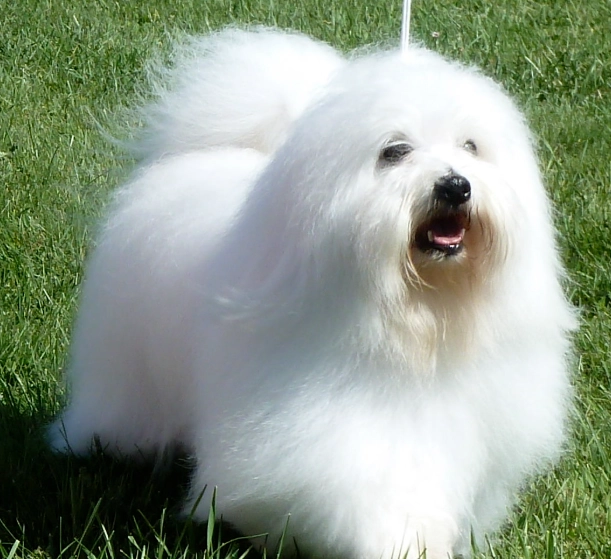
The Non-Negotiable Grooming Schedule
The Coton de Tulear Personality: Sunbeam with Stubborn Streak

Health and Lifespan: What to Watch For
Health Condition Description Prevention/Management Luxating Patellas A kneecap that slips out of place. Common in small breeds. Can range from mild to severe, potentially requiring surgery. Maintain a healthy weight. Avoid letting the dog jump from high furniture. Breeders should have patellas certified by a veterinarian. Progressive Retinal Atrophy (PRA) A degenerative eye disease that eventually leads to blindness. DNA testing is available. Reputable breeders test their dogs and should provide proof that parents are clear of the gene. Cardiac Issues Including mitral valve disease. Annual vet check-ups with stethoscope examination. Advanced screening via echocardiogram for breeding dogs. Liver Shunts A congenital blood vessel abnormality that bypasses the liver. Symptoms include stunted growth and neurological issues. Requires veterinary diagnosis and often surgery. 
The Honest Breakdown: Weighing the Pros and Cons

Finding Your Coton: Breeder vs. Rescue
I once spoke to a breeder who emphasized this history. She said, "You can't separate the Coton from its role as a companion. They get confused if you ignore them. They think, 'But my job is to be with you!'" It reframed their potential clinginess not as a fault, but as a deep-seated part of their identity.
Potential owners, listen up: Their greatest strength is also their greatest vulnerability. Cotons are prone to severe separation anxiety. They were bred for centuries to be constant companions. Leaving them alone for long, regular periods can lead to destructive behaviors, incessant barking, and genuine distress. This isn't a dog you can leave in a crate for 9 hours a day while you work.
Is the Coton de Tulear really hypoallergenic?
While no dog is 100% allergen-free, the Coton is an excellent choice for many allergy sufferers. Their hair-like coat sheds minimally, trapping dander close to the skin instead of releasing it into the environment. However, allergies are triggered by proteins in saliva and dander, which all dogs produce. Spending time with a Coton before committing is the only sure way to know your individual reaction.
Are Coton de Tulears good for first-time dog owners?
They can be, but with a major caveat. Their friendly nature and trainability are pluses. However, the extensive grooming demands and their susceptibility to separation anxiety present significant challenges. A first-time owner must be fully prepared for the time and financial commitment of grooming and willing to adjust their lifestyle to avoid leaving the dog alone excessively.
How much exercise does a Coton need?
They have moderate energy needs. A couple of short walks daily, combined with active play sessions indoors or in a yard, are usually sufficient. They are adaptable and can thrive in an apartment if their mental and physical exercise needs are met. They love interactive games, puzzle toys, and learning new tricks.
Pros: Hypoallergenic/low-shedding coat. Exceptional, happy, and affectionate temperament. Great with families, kids, and other pets. Adaptable to various living situations. Generally healthy with a long lifespan. Intelligent and trainable with positive methods.
Cons: Extremely high-maintenance grooming requirements. Prone to severe separation anxiety. Can be stubborn and challenging to housebreak. Requires consistent, positive training. Potential for specific genetic health issues. The puppy and ongoing care (especially grooming) can be expensive.
Comment