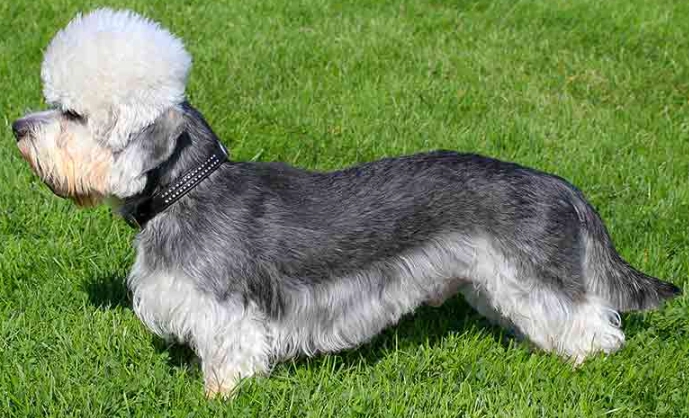
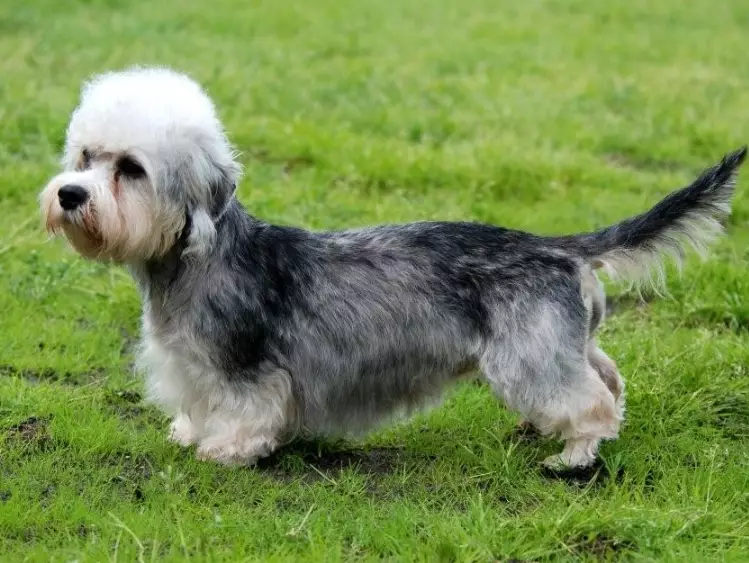
Let's be honest, when you first hear the name "Dandie Dinmont Terrier," it sounds like something out of a Victorian novel. And you wouldn't be wrong. This isn't your average, run-of-the-mill terrier you see at every dog park. It's a breed with a silhouette you can't forget—a long, low body, a distinctive "topknot" of silky hair, and eyes that seem to hold centuries of Scottish border country wisdom. I remember the first time I met one at a rare breed show; it wasn't barking its head off like the others. It just sat there, observing everything with a calm, almost dignified air, as if it knew it was something special. That quiet confidence stuck with me. If you're here, you're probably past the stage of just googling "cute small dogs." You've stumbled upon this unique name and you're digging deeper. Maybe you saw a picture and were charmed by the odd proportions. Maybe you're looking for a terrier that's a bit less... intense. Whatever the reason, you're asking the right questions. What's it really like to live with one? Are they good with kids? How much work is that coat? This guide isn't just a list of facts from a kennel club pamphlet. We're going to walk through everything—the history, the personality, the nitty-gritty of daily care, the health stuff nobody likes to talk about, and the reality check of whether this rare gem is the right fit for your life. Think of me as that friend who's owned one, talked to breeders, vets, and owners, and is giving you the unvarnished truth. To understand the Dandie, you have to go back to the Cheviot Hills between Scotland and England. We're talking the 1600s and 1700s. These weren't show dogs; they were working terriers, bred by border farmers and gypsies to "go to ground"—meaning to bolt otters and badgers from their dens. Their long, flexible backs and powerful rear ends were perfect for digging and maneuvering in tunnels. Their unique look wasn't for fashion; it was function. The soft topknot protected their eyes from brush and dirt, while the tougher jacket on the body shielded them from the elements and rough terrain. The breed gets its unforgettable name from a fictional character. Sir Walter Scott, in his 1814 novel Guy Mannering, created a farmer named Dandie Dinmont who owned a pack of these "pepper and mustard" terriers. The name stuck. It's one of the oldest terrier breeds recognized today. The American Kennel Club (AKC) officially recognized the Dandie Dinmont Terrier in 1886, and it remains one of the rarest breeds in their registry. For a deep dive into their historical standards and preservation, the British Dandie Dinmont Terrier Club is an invaluable resource. So, you're not just getting a pet; you're getting a living piece of history with a strong work ethic buried in its DNA. That independent streak you'll hear about? It comes straight from having to make decisions underground, far from its handler. This is where the Dandie Dinmont Terrier really diverges from the common terrier image. If you expect a yappy, hyper, constantly digging ball of energy, you'll be surprised (mostly). My friend who owns one, Sarah, put it best: "He's the most human-like dog I've ever had. He's not constantly seeking my approval. He's my companion, my equal in his own mind. Some days he's cuddly, some days he gives me the side-eye and goes to sleep on the other sofa. I respect that." That's the Dandie Dinmont Terrier temperament in a nutshell—a confident, loving, but self-possessed little individual. Don't let the couch potato reputation fool you into thinking they're inactive. A Dandie Dinmont Terrier needs daily mental and physical stimulation, but they don't require marathon runs. A couple of good 20-30 minute walks a day, combined with some playtime or puzzle toys, is usually sufficient. They love to sniff and explore, so a leisurely walk where they can process the world is better than a forced march. Their hunting instincts make games like "find the treat" or flirt pole play a huge hit. A bored Dandie might find its own entertainment, and you might not like what they choose (think: rearranging the stuffing in your couch). Training a Dandie is an exercise in diplomacy. Yelling, harsh corrections, or repetitive drills will cause them to shut down completely. They respond brilliantly to positive reinforcement—high-value treats, praise, and play. Keep sessions short, fun, and varied. They get bored easily. Housebreaking can sometimes be a challenge with small breeds, and the Dandie is no exception. Consistency and a good schedule are key. The stubbornness is real. You might ask for a "sit" and get a long, deliberate stare as if to say, "I've considered your request, and the answer is no, unless you have chicken." You have to laugh at it. It's part of their charm. Enrolling in a positive reinforcement puppy class is one of the best things you can do for socialization and foundational skills. This is a big one. A well-socialized Dandie Dinmont Terrier from a breeder who focuses on temperament can be a wonderful family member. They are generally good with respectful children who understand how to interact gently with a small dog. However, they are not crash-test dummies. Their long backs can be vulnerable to injury from rough handling, jumping on/off furniture, or being dropped by a small child. They do best in homes with older, calmer children or as a companion for adults. They thrive on routine and a peaceful environment, so a chaotic, loud household might stress them out. This is the number one commitment for a Dandie Dinmont Terrier owner. That beautiful, crisp, pily coat doesn't maintain itself. It's a double coat with a soft, linty undercoat and a harder, crisper topcoat. The good news? They are considered a low-shedding breed. The not-so-easy news? They require hand-stripping or clipping. Here’s a breakdown of the two main grooming methods: Most pet owners opt for clipping. You'll need to do this every 6-8 weeks. In between, weekly brushing with a slicker brush and a metal comb is essential to prevent mats, especially in the feathering on the legs and the soft hair under the ears and chest. That adorable topknot needs to be kept clean and out of the eyes, often with a small rubber band or clip. I won't sugarcoat it—grooming costs add up. A professional groomer familiar with terrier coats can charge a premium. Many owners learn to do basic clipping at home to save money, but it's a learning curve. The Dandie Dinmont Terrier has an average lifespan of 12-15 years, which is pretty good for a purebred dog. But like all breeds, they have predispositions to certain health conditions. A responsible breeder is your first and most important line of defense. They should be testing their breeding stock and openly sharing the results. Let’s be honest, that’s a big concern. Here are the key health issues to be aware of: Pet insurance for a Dandie Dinmont Terrier is something I strongly recommend considering from puppyhood. Given the potential for back issues, having that financial safety net can be a lifesaver. This is not a breed you find in a pet store. Ever. That's a major red flag. Due to their rarity, you need to be patient and do your homework. Expect to be on a waiting list, sometimes for a year or more. A good breeder is interviewing you as much as you are interviewing them. They will ask about your lifestyle, your experience, your home. They should: The puppy price will reflect all this care and testing. Be prepared for a significant investment. While rare, Dandie Dinmont Terriers do sometimes end up in need of new homes. Breed-specific rescues are your best bet. The Dandie Dinmont Terrier Club of America has a rescue network. Adopting an adult dog can be a wonderful experience—you often get a clearer sense of their personality, and you're giving a second chance to a great dog. Be honest about what you can handle; some rescue dogs may come with behavioral or medical baggage. After all this, the question remains. Let's make a quick checklist. You might be a perfect Dandie person if you: You should probably look at another breed if you: The Dandie Dinmont Terrier isn't for everyone, and that's okay. Its rarity is part of its charm. For those who click with them, they are more than a pet; they're a devoted, quirky, and utterly captivating member of the family. They offer a unique kind of companionship that's quiet, deep, and filled with personality. If you've read this far and your heart is still saying "yes," then you might just be one of the special few meant to share your life with this extraordinary little dog from the Scottish borders. Do your homework. Meet breeders. Meet the dogs. The effort you put into finding the right one will be repaid a thousandfold in companionship.Explore This Guide
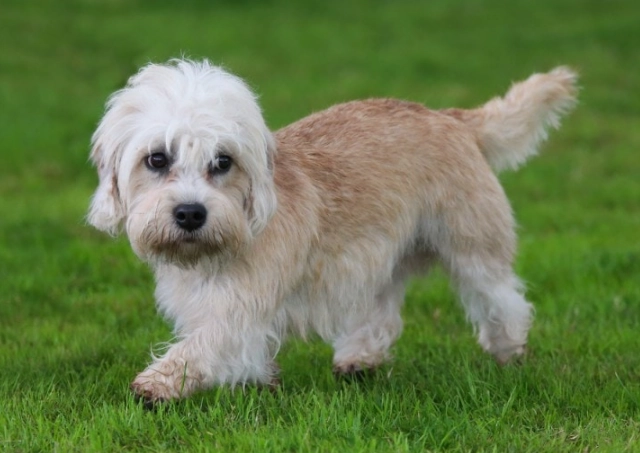
Where Did This Oddball Breed Come From? A Dash of History
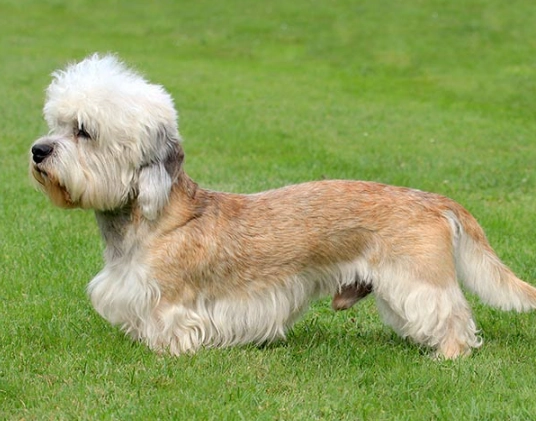
The Dandie Dinmont Terrier Personality: Not Your Average Terrier Terror

The Good, The Charming, The Wonderful
The Challenges & Quirks
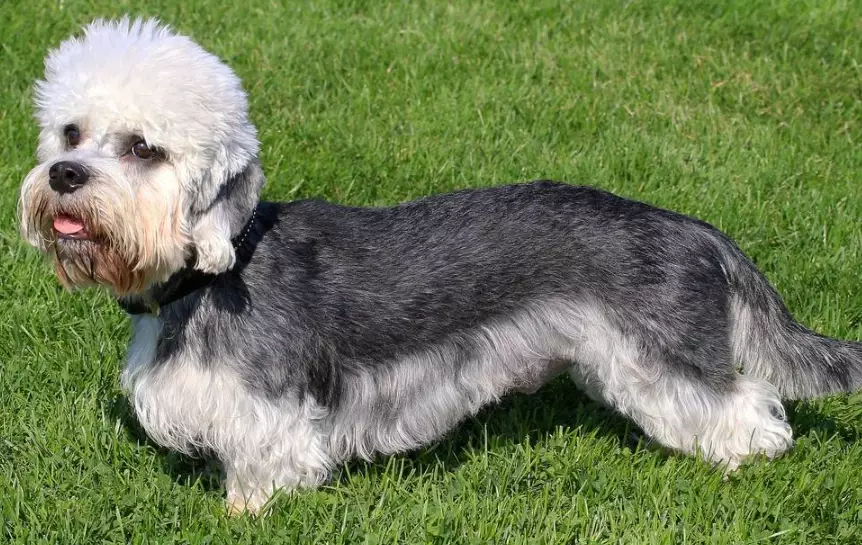
Living with a Dandie: The Day-to-Day Reality
Exercise Needs: Quality Over Quantity
Training: Firm, Fair, and Funny
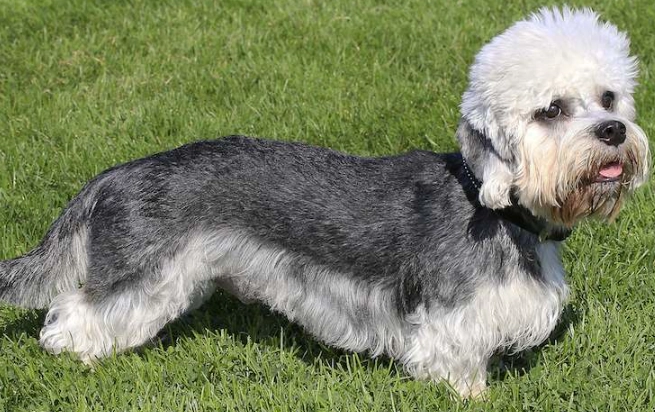
Are They Good Family Dogs?
The Coat: Beauty is Work (The Grooming Deep Dive)
Method
What It Is
Pros
Cons
Best For...
Hand-Stripping
Using fingers or a stripping knife to pull out dead topcoat hair from the root. This is the traditional method.
Preserves the correct texture and color of the coat. Healthier for the skin. Coat lasts longer between sessions.
Time-consuming. Requires skill to learn. Can be uncomfortable for the dog if done incorrectly. Often requires a professional groomer who knows the breed.
Show dogs, owners committed to the breed standard, or those who can find/learn from a skilled professional.
Clipping/Carding
Using electric clippers or a carding knife to cut the hair short.
Much faster and easier. Less stressful for many dogs. More groomers know how to do this.
Softensthe coat texture over time (can become woolly). Can dull the classic pepper/mustard colors. Needs to be done more frequently.
Pet owners, first-time Dandie owners, or those who prioritize comfort and convenience.
Health and Lifespan: What You Need to Screen For
Finding a Dandie Dinmont Terrier Puppy or Rescue
Going Through a Responsible Breeder
Rescue and Adoption
Dandie Dinmont Terrier FAQ: Your Burning Questions Answered
Final Thoughts: Is the Dandie Dinmont Terrier Right for You?
- Want a loyal, affectionate, and calm indoor companion.
- Appreciate a dog with a big personality and don't mind a bit of stubbornness.
- Are committed to the specific (and ongoing) grooming requirements, either financially or with your own time.
- Have a relatively calm, predictable household.
- Are proactive about health, weight management, and preventing back injuries.
- Value uniqueness and don't need a dog that's eager to please every stranger.
- Want a low-maintenance, wash-and-wear dog.
- Are looking for an easy-to-train, first-time dog.
- Have very young, boisterous children.
- Want a dog park social butterfly or a jogging partner.
- Are on a tight budget (initial cost + grooming + potential health issues).
Bottom Line Up Front: The Dandie Dinmont Terrier is a low-shedding, intelligent, and affectionate companion with a uniquely calm terrier temperament. However, they require dedicated, specific grooming, can be stubborn to train, and prospective owners must be vigilant about certain health screenings. They are not a breed for everyone, but for the right person or family, they are an utterly irreplaceable friend.
Heads Up: Neglecting their coat leads to matting, skin problems, and a dog that looks and feels miserable. You cannot just brush a Dandie and call it a day. Grooming is a significant time and/or financial investment.
Non-Negotiable Question for a Breeder: "Can I see the OFA (or equivalent) health clearances for both parents, specifically for eyes (CERF) and any other recommended tests for this breed?" A good breeder will have this information readily available and be proud to share it.
Q: Are Dandie Dinmont Terriers hypoallergenic?
A: No dog is 100% hypoallergenic. However, their low-shedding, hair-like coat produces less dander than many breeds, which is the primary allergen. Many people with mild allergies do well with Dandies, but there are no guarantees. Spending time with one before committing is essential.
Q: How much do they cost?
A: From a reputable breeder, expect to pay anywhere from $2,500 to $4,000+ for a Dandie Dinmont Terrier puppy. The initial cost is just the beginning. Factor in lifetime expenses for grooming, high-quality food, insurance, and potential health care.
Q: Can they live in an apartment?
A: Yes, absolutely. Their moderate exercise needs and generally quiet nature make them excellent apartment dogs, provided they get their daily walks and mental stimulation. A secure balcony is a plus, but not a substitute for a walk.
Q: Are they easy for first-time dog owners?
A: I'd say they are an "intermediate" breed. Their grooming needs and independent streak can be challenging for a novice. A first-time owner who is committed, does extensive research, and is prepared to invest in training and grooming can succeed, but a more biddable breed might be an easier start.
Q: What's the difference between "pepper" and "mustard" color?
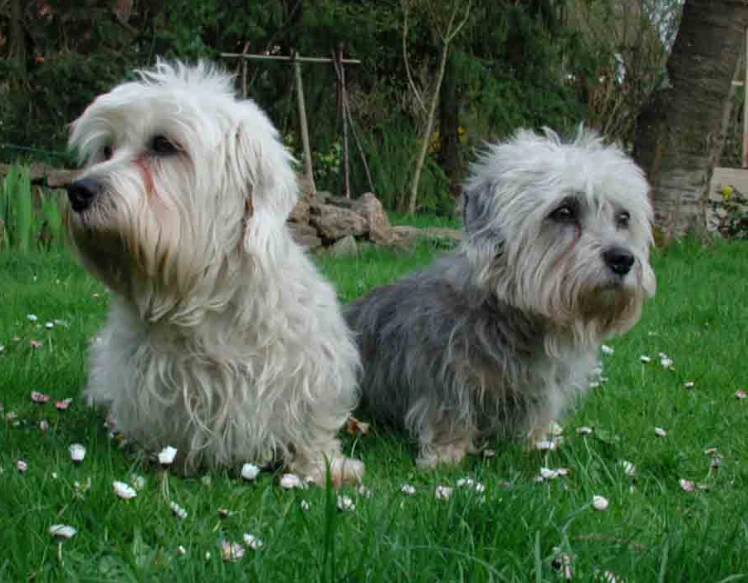
A: Pepper ranges from a dark bluish-black to a light silvery gray. Mustard ranges from a reddish-brown to a pale fawn. Both have characteristic lighter furnishings on the legs and that distinctive topknot. The colors are quite beautiful as they mature.
Comment