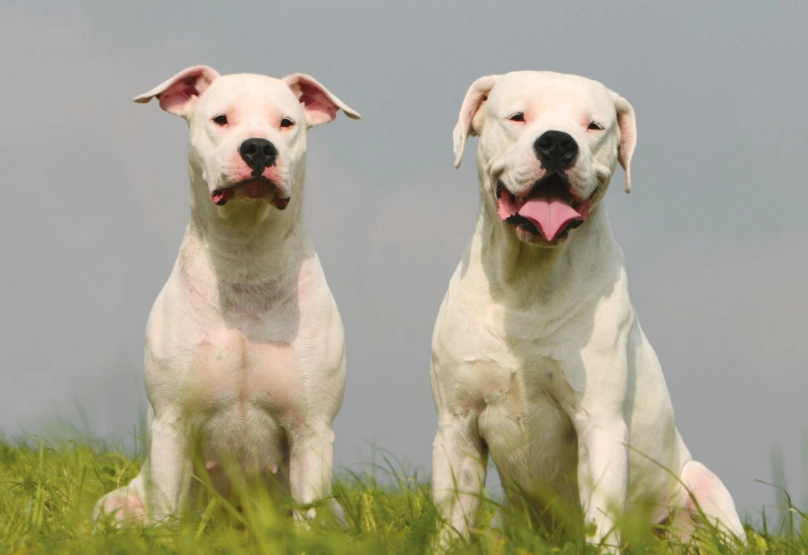
Let's be real. You're not here for a fluffy, sugar-coated description of just another dog breed. You've probably seen a picture of a Dogo Argentino—that stunning, all-white muscular frame, that confident gaze—and thought, "Whoa." Then you did a quick search and found a whirlwind of opinions. "The perfect family guardian!" says one site. "A dangerous breed banned in many places!" screams a headline. So which is it? I've spent years around working dogs, and the Dogo Argentino sits in a unique category. It's not a beginner's dog. It's not an apartment dog. But for the right person? It can be one of the most loyal, courageous, and loving companions you'll ever find. This guide is here to cut through the noise. We'll talk about its history as a big-game hunter, its real temperament with kids, the health issues you must know about, and the kind of lifestyle that actually works for this breed. My goal is simple: to give you all the information, the good and the not-so-good, so you can decide if a Dogo Argentino is a dream come true or a terrible mismatch. To understand the Dogo Argentino of today, you have to go back to 1920s Argentina. A surgeon named Dr. Antonio Nores Martinez had a vision. He wanted to create the ultimate hunting dog for the rugged terrain of Cordoba—a dog that could track, chase, and hold large, dangerous game like wild boar and puma, but also be a loyal protector for the family home. He started with the now-extinct Viejo Perro de Pelea Cordobés (Old Fighting Dog of Cordoba), a tough but aggressive fighter. But Dr. Martinez didn't want just a fighter; he wanted a cooperative hunter and a stable companion. So, he began a meticulous breeding program, mixing in at least nine other breeds to refine specific traits. The American Kennel Club (AKC) notes this complex ancestry, which included: The result was a masterpiece of functional design. The Dogo Argentino was built for stamina, strength, and bravery. Its pure white coat wasn't just for looks; it made the dog highly visible to hunters in dense brush, preventing accidental shootings. In 1973, the breed was officially recognized by the Federación Cinológica Argentina and later by the Fédération Cynologique Internationale (FCI). The AKC followed suit, granting full recognition to the Dogo Argentino in 2020. This history is crucial—it explains the core DNA of the breed. You can't separate the modern Dogo from its purpose-built past as a pack hunter. You can't miss them. A well-bred Dogo Argentino is the picture of athletic power. They move with a purpose, a sort of quiet, efficient strength that's more impressive than frantic energy. According to the official breed standard, males stand 24 to 26.5 inches at the shoulder, while females are slightly smaller at 23.5 to 25.5 inches. Weight should be in proportion, but you're looking at 80 to 100 pounds for males, and 75 to 90 pounds for females. It's all lean muscle, not bulk. The head is powerful with a strong jaw, the chest is deep, and the tail is long and carried like a saber. And of course, the coat. It's short, smooth, and uniformly white. Sometimes you might see a single dark patch on the head, but a completely pure white coat is the ideal. It feels sleek and firm to the touch. That white coat does mean they can sunburn easily, something we'll get into later. People often confuse the Dogo with the American Pit Bull Terrier or the American Bulldog. While they share some common ancestry, they are distinct. See the difference? The Dogo's entire being was shaped for a specific, demanding job. That doesn't make it better or worse—just different, with different needs. This is where most of the questions—and misconceptions—lie. Let's break it down. Inside the home, a well-socialized Dogo Argentino is often a gentle giant. They form intense bonds with their human "pack" and are famously patient and affectionate with children they are raised with. I've seen Dogos used as therapy dogs in controlled settings, their heads resting gently on a patient's lap. They crave physical contact and will often be your shadow, following you from room to room just to be near you. Their loyalty is absolute. Here's the flip side. The Dogo Argentino is naturally aloof and wary of strangers. This is a breed trait, not a flaw—it's what makes them excellent watchdogs. They are not typically indiscriminate barkers, but they will alert you to unusual activity. A properly socialized Dogo should be confident and steady, not fearful or hyper-aggressive. They should accept polite strangers, especially when introduced by their owner, but they won't be the dog wagging its tail at every passerby in the park. This reserve is part of their job description. This is the biggest potential deal-breaker for many households. The Dogo Argentino was bred to chase and hold large, dangerous game. That prey drive is hardwired. While early and constant socialization can help, many Dogos will never be trustworthy with small animals like cats, rabbits, or even small dogs. Same-sex aggression (especially between males) is also common in the breed. Can a Dogo Argentino live with another dog? It's possible, particularly if they are raised together from puppyhood and are of the opposite sex. But it requires careful management and an understanding that a high level of dog-to-dog tolerance, not friendship, might be the best you can achieve. Introducing an adult Dogo to a home with existing pets is a very high-risk endeavor that should only be done with professional guidance. Don't just ask if you want the dog. Ask if your life can truly accommodate one. Here’s a checklist. Be honest. If you checked "no" to any of the first four points, seriously reconsider. Training a Dogo Argentino isn't about teaching cute tricks (though they can learn them). It's about establishing clear, respectful communication and leadership. They are intelligent and learn quickly, but they can also be stubborn and will test boundaries. You must be confident, consistent, and fair. That hunting heritage means they have energy to burn. A leashed walk won't cut it. They need jobs and vigorous activity. Grooming is a breeze. That short white coat needs a weekly brush with a rubber curry or hound glove to remove loose hair and distribute skin oils. Baths are only needed when they get dirty. Check ears weekly and trim nails regularly. Health, however, requires vigilance. Reputable breeders screen for the following major conditions, and you should ask to see the results (OFA or PennHIP certifications): A well-bred Dogo Argentino has a lifespan of 9 to 15 years. Proactive care from a vet familiar with large breeds is essential. This is where your journey truly begins, and it's the single most important decision you'll make. Going to a backyard breeder or pet store for a Dogo is inviting a lifetime of potential behavioral and health problems. The Dogo Argentino is a study in contrasts. Unwavering loyalty to family, wariness of the unknown. Gentle patience with children, intense drive toward animals. Stunning beauty, and serious responsibility. This isn't a breed you get on a whim because they look impressive. Getting a Dogo Argentino is a conscious lifestyle choice—a commitment to being a leader, an activity partner, and a vigilant guardian of your dog's well-being and public perception. The reward, for the right person, is a bond like no other: with a courageous, loving, and utterly devoted companion who would stand by you through anything. But if your life doesn't match the checklist, if you have doubts about your experience or capacity to meet their needs, please listen to that voice. There are many amazing breeds out there that might be a perfect fit. The greatest act of love for the Dogo Argentino breed is ensuring each dog ends up in a home truly prepared for everything that comes with that beautiful white coat and powerful heart. Do your homework. Be brutally honest with yourself. And if you decide to move forward, do it right—find an amazing breeder, commit to the training, and get ready for an incredible journey with one of the dog world's most remarkable creatures.Inside This Guide
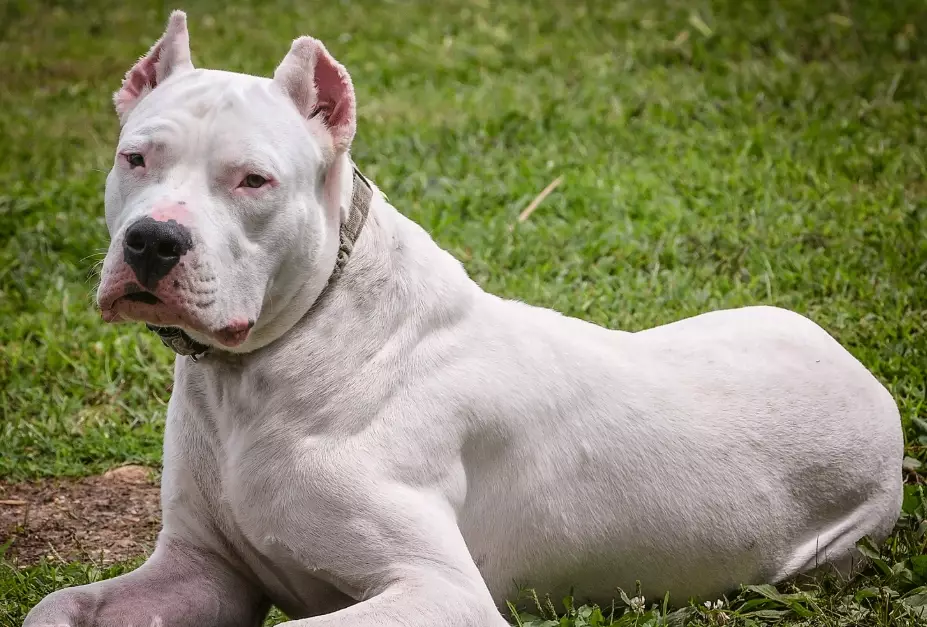
From the Argentine Pampas to Your Home: The Dogo's Origin Story

What Does a Dogo Argentino Look and Feel Like?
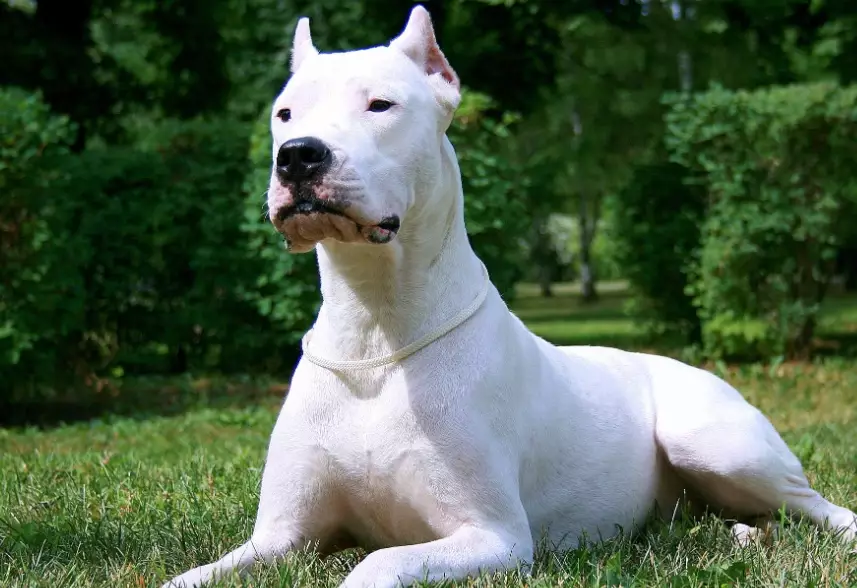
The Physical Blueprint
Dogo Argentino vs. Other White Power Breeds: A Quick Comparison
Breed
Primary Original Purpose
Size
Temperament Key Notes
Energy Level
Dogo Argentino
Big-game hunting (boar, puma)
Large (80-100 lbs)
Confident, pack-oriented, high prey drive, reserved with strangers
Very High
American Pit Bull Terrier
Farm work, "catch dogs" for livestock
Medium (30-65 lbs)
People-oriented, eager to please, athletic, can be dog-aggressive
High
American Bulldog
Farm guardian, catch dogs for feral pigs
Large (60-120 lbs)
Assertive, loyal, confident, can be stubborn
Moderate to High
White Swiss Shepherd
Herding & companionship
Large (50-90 lbs)
Intelligent, alert, family-focused, can be sensitive/anxious
High
The Dogo Argentino Temperament: The Heart of the Matter
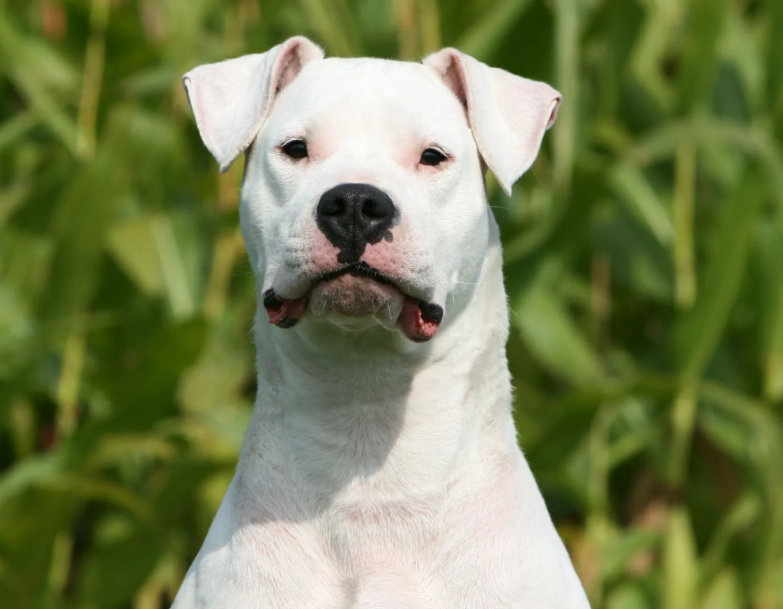
With Family: The Protector's Heart
With Strangers: The Reserved Guardian

With Other Animals: The Prey Drive Challenge
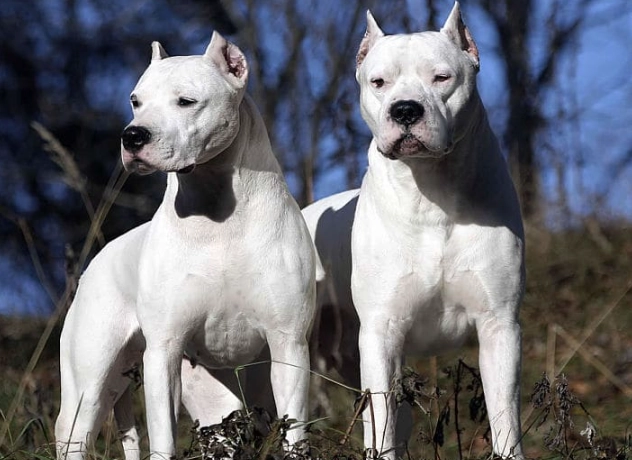
Is a Dogo Argentino the Right Dog For You? The Lifestyle Test
Owning a Dogo Argentino: The Day-to-Day Reality
Training: Non-Negotiable Leadership
Exercise: More Than a Walk Around the Block
Grooming and Health: The Surprisingly Easy and the Critically Important
Finding a Dogo Argentino Puppy: Doing It Right is Everything
The Final Word: A Breed of Contradictions and Profound Rewards
Your Dogo Argentino Questions, Answered
Bottom Line Up Front: The Dogo Argentino is a large, powerful, and strong-willed breed originally developed in Argentina for hunting big game like wild boar. They are fiercely loyal to their family, surprisingly gentle with children they are raised with, but possess a high prey drive and require an experienced, active owner who can provide firm, consistent leadership and extensive socialization. They are not a breed for passive or first-time dog owners.
A crucial note on kids: No dog, regardless of breed, should ever be left unsupervised with young children. Due to their size and power, even playful bumping from a Dogo can knock a small child over. Always teach children how to interact respectfully with any dog.
Let's be blunt: If you have cats, frequent small animal visitors, or dream of a multi-dog household where they all play together freely, a Dogo Argentino is likely a poor choice. That innate drive to chase is incredibly strong and can surface in an instant.
Are Dogo Argentinos aggressive?
This is the biggest myth. They are not inherently human-aggressive. They are protective, reserved with strangers, and have a high prey drive toward animals. Poor breeding, lack of socialization, abuse, or irresponsible ownership can create aggression in any breed, but a well-bred, properly raised Dogo is stable and confident, not aggressive.
Are Dogo Argentinos illegal?
They are banned or restricted in several countries (like the UK, Australia, and parts of Canada) and in many cities and counties across the United States (e.g., Denver, CO; Aurora, CO; and subject to restrictions in many others). You must check your local laws before even considering this breed. This also affects homeowners or renters insurance.
Can a Dogo Argentino be a family dog?
Yes, but with major caveats. They can be wonderful, loyal, and gentle with their family members, including children. However, they are only suitable for families with experienced dog owners who have the time, space, and commitment to provide the necessary training, exercise, and management. They are not a "set and forget" family pet.
How much does a Dogo Argentino puppy cost?
From a reputable breeder who does all the necessary health testing, you can expect to pay between $1,500 and $3,000 USD, sometimes more for show-quality lines. The initial cost is just the beginning; budget for high-quality food, training, vet care, and potential insurance.
Are Dogo Argentinos easy to train?
They are intelligent and capable of learning quickly, but "easy" is the wrong word. They are strong-willed and require a trainer who is more persistent and consistent than they are. They respond best to positive, motivational methods that build a partnership. They are not for passive owners.
Comment