Let's cut to the chase. If you're picturing a docile, decorative lapdog that will quietly admire you from a cushion, an Australian Terrier is not your dog. But if the idea of a bold, bright, and fiercely loyal little character with the heart of a lion appeals to you, then you're on the right track. I've shared my life with terriers for over a decade, and the Aussie stands out as a compact package of surprising contradictions. They're not for everyone, but for the right person, they're an unmatched companion.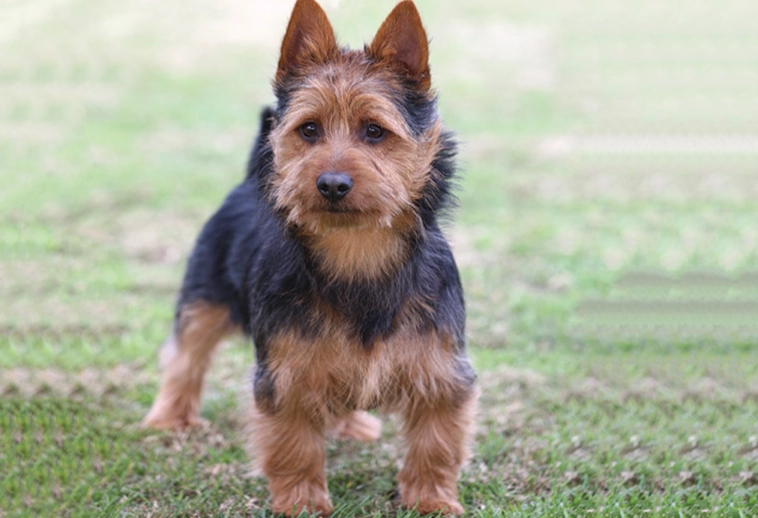
What's Inside This Guide
- The Aussie Personality: More Than Just Cute
- Australian Terrier Pros and Cons at a Glance
- Training Reality: It's a Negotiation, Not a Dictatorship
- Is an Australian Terrier a Good Fit for Your Lifestyle?
- Health and Care: What You Need to Budget For
- Finding Your Australian Terrier: Breeder vs. Rescue
- Your Australian Terrier Questions Answered
The Aussie Personality: More Than Just Cute
Bred in the harsh Australian outback to control snakes, rodents, and guard properties, the Australian Terrier is all business wrapped in a 10-inch tall, 14-pound frame. This history shapes everything about them.
Confidence is their middle name. They carry themselves with a swagger that's almost comical. Nothing seems to intimidate them. A friend's Aussie once stood its ground, barking defiantly, at a curious deer five times its size. That's typical.
Loyalty runs deep. They often bond most strongly with one person, becoming a velcro shadow. This isn't a needy clinginess, but a purposeful attachment. They want to be involved in whatever you're doing.
But here's the nuance many breed summaries gloss over: their alertness can tip into suspicion. Socialization isn't optional; it's critical. An unsocialized Aussie can become a sharp, wary barker at every stranger or novel sight. It's not aggression, but a loud, persistent declaration of "I see you, and I'm not sure about you." You need to work hard to convince them the world is a friendly place.
Australian Terrier Pros and Cons at a Glance
Let's lay it out clearly. This table isn't about good vs. bad, but about matching traits to your expectations.
| The Upsides | The Challenges |
|---|---|
| Low-shedding coat: Great for people who prefer less hair on furniture. Requires regular grooming, though. | Stubborn streak: They think for themselves. "Come" might mean "I'll be there in a minute... if it suits me." |
| Adaptable size: Perfect for apartments, condos, and travel. Fits anywhere. | High prey drive: Squirrels, rabbits, cats (sometimes). Recall off-leash in unfenced areas is risky. |
| Robust health: Generally a hardy breed with a lifespan of 12-15 years. | Vocal tendencies: They are alert barkers. The mailman, a leaf blowing by, a weird noise—all warrant commentary. |
| High intelligence: Quick to learn games, tricks, and puzzles. | Requires mental work: A bored Aussie is a destructive Aussie. Intelligence needs an outlet. |
| Moderate energy: A good daily walk and some play usually suffice. Not a hyper marathon dog. | Can be dog-selective: Not always the dog park party animal. Early socialization is key. |
Training Reality: It's a Negotiation, Not a Dictatorship
Forget the idea of robotic obedience. Training an Australian Terrier is about building a partnership based on mutual respect and really good treats.
The biggest mistake I see? Using harsh corrections. It backfires. They dig their heels in. Positive reinforcement—clickers, praise, chicken bits—works because it engages their problem-solving brain. Make it a game. "Find the treat," puzzle toys, and short, fun sessions beat long, repetitive drills every time.
Recall is the ultimate test. Start in a boring, fenced area. Make coming to you the best party ever. But always, always weigh the risk. That prey drive is hardwired. In an area with wildlife, a long line is your best friend for years, maybe forever.
One non-negotiable? Bark management. You can't eliminate it, but you can control it. Teaching a "quiet" cue (rewarding moments of silence) and managing their environment (closing blinds to reduce "alerts") are essential skills for urban living.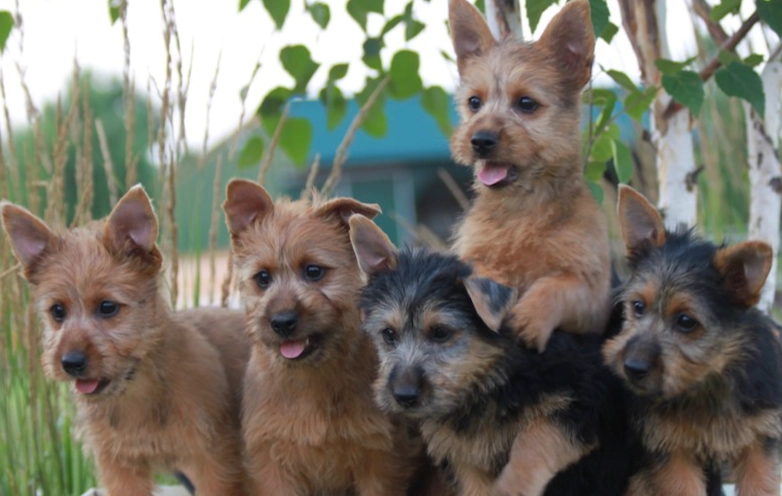
Essential Skills to Teach Early
- Hand Targeting ("Touch"): Builds focus and is a foundation for everything else.
- Settle on a Mat: Teaching an off-switch is crucial for this alert breed.
- Voluntary Nail Trims/Body Handling: Start day one. Make vet exams easier.
Is an Australian Terrier a Good Fit for Your Lifestyle?
Let's run through some common scenarios.
The Apartment Dweller: Yes, absolutely—with caveats. Their size is perfect. But you must commit to their daily mental and physical exercise. A bored terrier in a small space will redecorate with your baseboards. A 30-minute sniffari walk and a 10-minute training session are better than an hour of mindless pacing.
The Retiree: Often a fantastic match. They offer companionship and a reason for a routine. Their moderate exercise needs are manageable. Just be prepared for their occasional bursts of terrier "zoomies" and ensure you can keep up with their grooming.
The Active Family with Young Kids: Proceed with careful supervision. Aussies can be playful and fun, but they have little patience for tail-pulling or being treated like a stuffed animal. They are best with children who have been taught to respect animals. The terrier may give a warning nip if provoked.
The First-Time Dog Owner: This is the trickiest match. An Aussie's independence can be frustrating for someone learning basic dogmanship. If you're a dedicated novice willing to learn about terrier mindset, take classes, and be patient, it's possible. But many would find a more naturally biddable breed (like a Cavalier King Charles Spaniel) an easier introduction to dog ownership.
Health and Care: What You Need to Budget For
They're tough, but not invincible. Responsible breeders screen for specific conditions. According to the Australian Terrier Club of America, priorities include:
- Patellar Luxation: A slipping kneecap. Ask breeders for OFA or PennHIP clearance.
- Diabetes Mellitus: There seems to be a higher incidence in the breed. Know the signs: excessive thirst, urination, weight loss.
- Legg-Calvé-Perthes Disease: A degenerative hip condition.
Grooming is not just for looks. That wiry, double coat needs brushing weekly to prevent mats. To maintain its proper texture and color, many owners opt for hand-stripping a few times a year—a process of pulling dead hair. It's specialized and can cost $60-$100 per session. Clipping is easier but can soften and discolor the coat over time.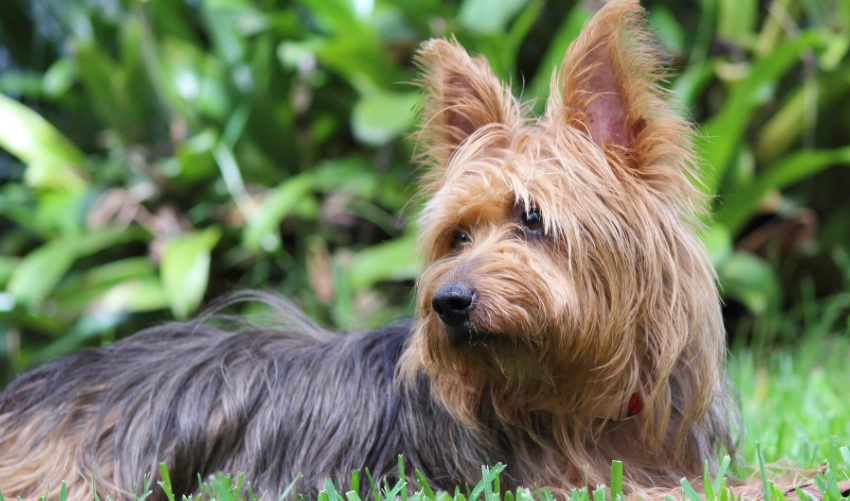
Finding Your Australian Terrier: Breeder vs. Rescue
A good breeder is your best bet for a predictable temperament and health history. They should ask you as many questions as you ask them. Be wary of anyone who has puppies constantly available. Expect to be on a waitlist. A well-bred Aussie puppy can cost between $1,500 and $2,500.
Rescue is a noble route. Check with the Australian Terrier Club of America's rescue network. You might find a wonderful adult dog whose personality is already known, bypassing the puppy chaos. The adoption fee is typically much lower, but be prepared to work on any unknown behavioral history.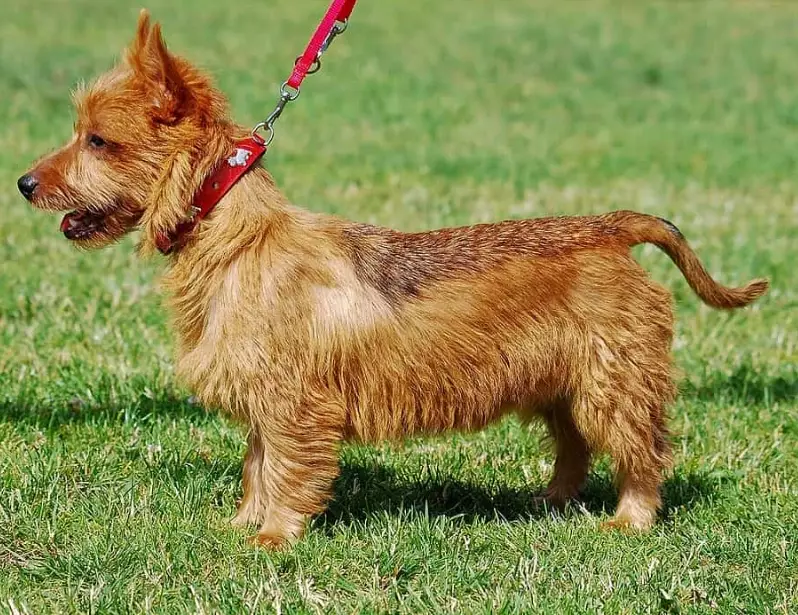
Your Australian Terrier Questions Answered
 So, are Australian Terriers good pets? The answer is a resounding yes—for the right household. They are not an easy, low-effort dog. They demand engagement, respect their independence, and require an owner who appreciates a dog with a big personality in a small package. If you want a loyal, entertaining, and endlessly surprising companion who will keep you on your toes and make you laugh every single day, an Australian Terrier might just be your perfect match. If you want effortless obedience and serene quiet, look elsewhere. The choice, as they might say, is yours to negotiate.
Reader Comments