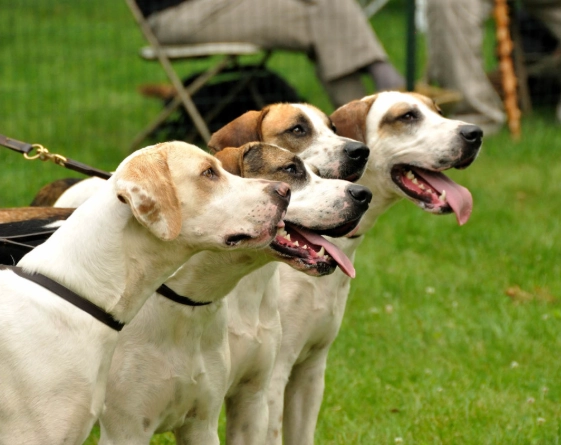
Let's talk about the English Foxhound. You've probably seen paintings of them. Aristocrats in red coats on horseback, and a whole pack of these sturdy, focused dogs streaming across the countryside. That image is pretty much baked into their DNA. But what happens when you take a dog bred for centuries to run for miles in a group and try to make it a suburban sofa companion? That's the real question, isn't it? I've met a few English Foxhounds over the years, mostly through friends involved in drag hunting or folks who live on serious acreage. They're not your everyday pet, and that's the first thing anyone considering this breed needs to understand. This isn't a casual commitment. But if you get it right, you get a dog with a history as rich as the English countryside itself, a genuinely good-natured soul, and a living piece of canine history. Bottom Line Up Front: The English Foxhound is a pack animal, bred for endurance and scent, with an independent streak. They are friendly but not needy, energetic to an extreme degree, and come with a built-in desire to follow their nose that can override your recall command. They are not typically a first-time dog owner's breed. To get the English Foxhound, you have to go back. Way back. After the Norman Conquest in 1066, the French nobility brought over their stag-hunting traditions and their hounds. Over the next few centuries, English hunters started wanting a hound better suited for fox—a smaller, quicker, and more cunning quarry than a stag. So, they began mixing and matching. The recipe for the English Foxhound likely included the old Southern Hound (known for its incredible nose but slow pace), various types of Greyhounds (for speed and sight), and probably some Bulldog ancestry way back when (for tenacity). By the 1700s, the breed was pretty much set in its modern form. This was all about function. The goal was a hound that could run for hours, follow a cold scent, have the stamina to keep going, and the voice to let the hunting party know where it was. What's fascinating is how institutionalized it became. Famous "packs" were established by wealthy families and schools—like the Duke of Beaufort's Hunt or the famous packs associated with Oxford and Cambridge. These packs were, and in some cases still are, meticulously maintained, with breeding records dating back hundreds of years. The Kennel Club in the UK, the official registry for pedigree dogs, recognizes the breed but notes its primary purpose is as a working pack hound. You can feel that history when you look at one. They're built for a very specific job. Forget flashy colors or dramatic fluff. The English Foxhound is all about athletic efficiency. They are the marathon runners of the dog world. They're substantial dogs. Males stand about 22 to 25 inches at the shoulder, females a touch smaller, and they weigh a solid 65 to 75 pounds. It's all lean muscle and bone, though. No bulk. Their coat is short, dense, and hard—a "hound coat" meant to shed mud and water and protect from brambles. The classic tri-color (black, white, and tan) is most common, but you see bi-colors (white and tan, white and lemon) too. The ears are set low, hanging close to the head with a soft fold. The eyes are large, brown or hazel, and have a kind, pleading expression that can be utterly disarming. But the key features are all about the chase. A deep chest for lung capacity. Long, straight legs for ground-eating strides. Powerful shoulders and hindquarters for propulsion. The tail (or "stern") is carried high, acting like a rudder and a flag during the hunt. Everything about them says "distance" and "endurance." They are the polar opposite of a compact, cobby little lapdog. If you're curious about the official blueprint, the The Kennel Club (UK) breed standard lays it out in detail. It emphasizes symmetry, power without lumber, and that essential quality of being built for speed and stamina. The American Kennel Club (AKC) standard is very similar, as the breed's form is so tightly linked to its function. This is where things get interesting, and where most people's assumptions might be wrong. With people and other dogs, the typical English Foxhound is famously good-natured. They were bred to work in a large, noisy, chaotic pack without fighting. So, dog aggression is highly undesirable in the breed. They are usually gentle, tolerant, and even-tempered. They're not "one-person" dogs; they're more like amiable colleagues. They'll be friendly to you, your kids, and the neighbor who comes over. They don't tend to be guard dogs—they're more likely to greet an intruder with a wagging tail. But. That legendary nose and hunting drive create a powerful independent streak. An English Foxhound on a scent is a dog in its own world. Your calls, your treats, your panic—it all fades into the background against the primal urge to follow that trail. This is the single biggest challenge of owning one. Their recall is only reliable until it isn't. Until a rabbit scent crosses the yard. They are also vocal. They don't just bark; they have a deep, melodious, carrying bay. It's beautiful in the woods. It's less beautiful at 7 AM in a quiet suburb when a squirrel runs along the fence. This is a breed that can test your patience and your neighbors' goodwill. A Personal Observation: A friend who rehomed an ex-hunting English Foxhound said the most frustrating thing wasn't the energy—it was the selective hearing. "He'd be perfect, glued to my side in the field, for 45 minutes. Then his head would snap to the side, his whole body would tense, and he'd be gone. Just gone. Not maliciously, just… completely absorbed. You become irrelevant in that moment." It's not disobedience in the way a willful terrier disobeys. It's a deep, bred-in-the-bone instinct taking over the controls. Thinking about getting an English Foxhound? Let's be brutally honest about what they need. This isn't a checklist; it's a lifestyle compatibility test. A long walk around the block is a warm-up. A fenced yard is a necessity, not a luxury, and the fence needs to be high and secure. These are athletic jumpers and, if motivated, diggers. We're talking about 90 minutes to 2 hours of vigorous exercise every single day. And not just leashed walking. They need to run. They need to sniff. They need to explore. Canicross (running with your dog), hiking over miles of trails, or letting them sprint in a securely enclosed area are the kinds of activities that will keep them sane. A bored, under-exercised English Foxhound will find its own fun, and you won't like it. Destructive chewing, incessant barking, escape attempts—these are symptoms of a fundamental need not being met. See what I mean? This is a serious commitment of time and energy. English Foxhounds are intelligent, but they are not eager-to-please in the way a Border Collie or a Golden Retriever is. They are cooperative if they see the point. Training requires consistency, positive reinforcement (food motivation is usually high!), and a good sense of humor. They can be stubborn. Obedience for obedience's sake isn't a big motivator for them. Socialization from puppyhood is non-negotiable. Expose them to all the sights, sounds, and experiences you can. Because of their pack background, puppy classes and playdates are great. But remember, their prey drive extends to small, furry things. A cat they grow up with might be safe (with careful management), but the neighbor's pet rabbit or a squirrel will always be a potential target. Here's some good news. Grooming an English Foxhound is a breeze. That short coat needs a quick brush-down with a hound glove or rubber curry brush once a week to remove dead hair and distribute skin oils. Baths only as needed. The main tasks are checking and cleaning those long ears weekly to prevent infections, and keeping their nails trimmed. Health-wise, they are generally a robust breed, a testament to their working origins. But like all purebreds, they have some predispositions to be aware of. The key is to find a breeder who does health testing, not just genetic tests, but hip and elbow evaluations. Ask to see the OFA or equivalent certificates. A good resource to understand these health tests is the OFA Breed Statistics page—you can see the prevalence of issues across breeds. Lifespan: You can expect an English Foxhound to live between 10 to 13 years on average. With good care, proper exercise, and a bit of luck, they can be hearty companions for a good long while. You're feeding an athlete. A high-quality dog food formulated for active, medium-to-large breeds is essential. The amount will vary wildly based on age, metabolism, and most importantly, activity level. My friend's ex-hunting dog would eat nearly 4 cups a day during peak activity season, but much less in the winter when things slowed down. Monitor their weight. You should be able to feel their ribs easily under a thin layer of muscle. The classic "tucked up" waist and abdominal slope should be visible from the side. An overweight English Foxhound is at risk for joint problems and will lack the energy they're famous for. Let's cut to the chase. Ask yourself these questions honestly. If you answered "yes" to all of these, then an English Foxhound might be a contender. If several answers were "no," especially the first three, I'd strongly urge you to look at other breeds. It's not about being a bad owner; it's about finding the right match. This breed suffers when placed in the wrong environment. Here's something many people don't know. There are organizations dedicated to rehoming hounds who have retired from hunting packs or who didn't make the cut for the field. These dogs are often adults with known personalities and are already accustomed to kennel life (which can mean they are easy to crate train). Adopting an adult English Foxhound can be a wonderful way to skip the puppy chaos and offer a dignified retirement to a hard-working dog. They still have all the same exercise and space needs, but what you see is more likely what you get temperament-wise. Search for "hound rescue" or "foxhound rescue" organizations in your region. The English Foxhound is not for everyone. In fact, it's probably not for most people. That's okay. There's a strange pressure to make every breed sound like a perfect fit for any willing home, but that does a disservice to the dog and the owner. This is a specialist. A dog of tradition, endurance, and simple, honest purpose. If you are the active, land-owning, patient, and understanding owner they require, you will be rewarded with a uniquely good-natured, historic, and hearty companion. You'll have a dog that embodies centuries of hunting tradition, a dog that is content in the company of its pack (that's you), and a dog whose joy in a long run across a field is a pure thing to see. But if your life is urban, busy, or confined, the English Foxhound's needs will become a constant source of friction. Their virtues will turn into vices. There are so many wonderful dog breeds out there. The kindest choice is often the most honest one: to admire the English Foxhound for what it is, and to choose a different companion whose needs align perfectly with the life you can actually provide. For the right person, though, there's nothing else quite like them.Quick Guide
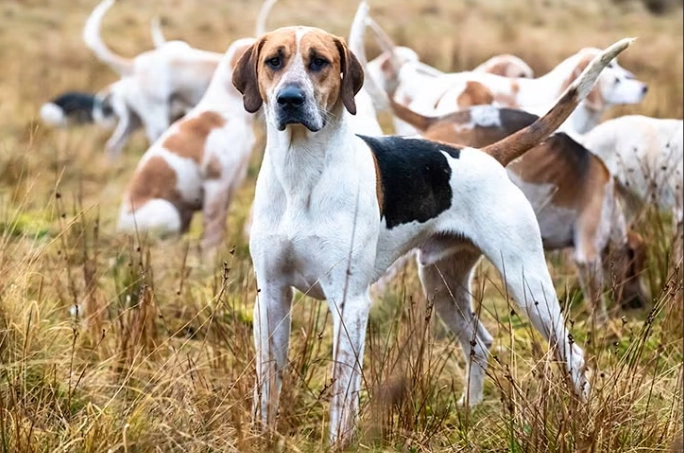
A Scent of History: From Norman Hunts to Modern Fields
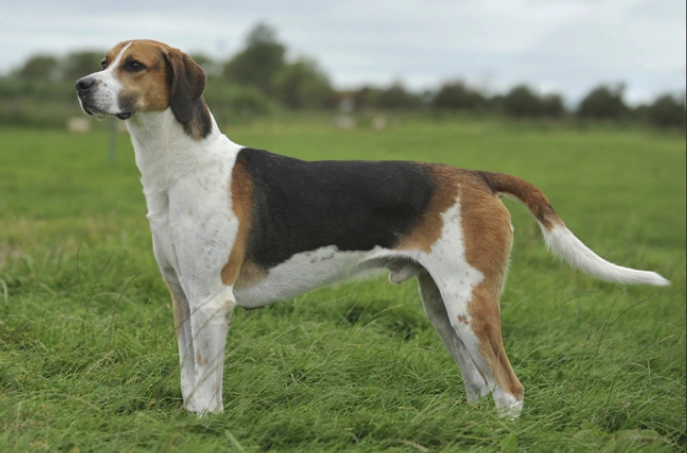
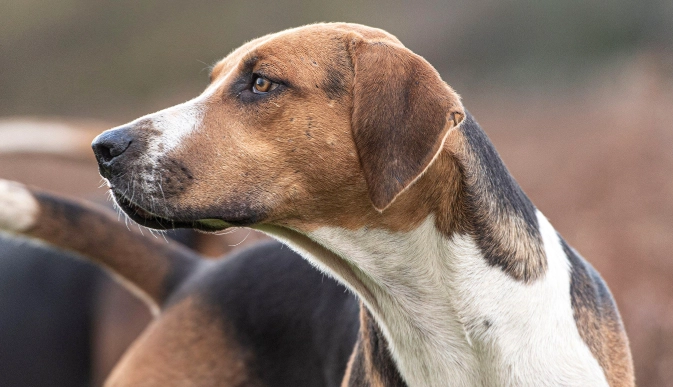
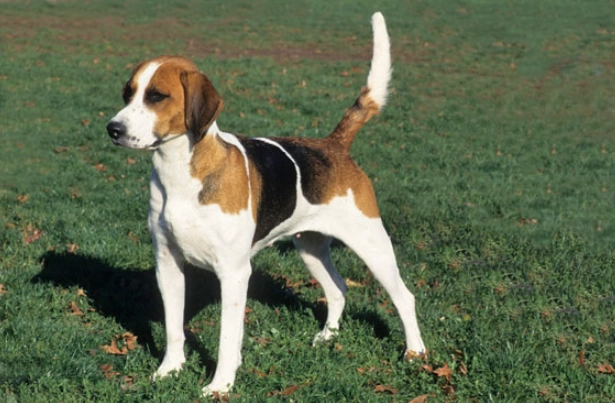
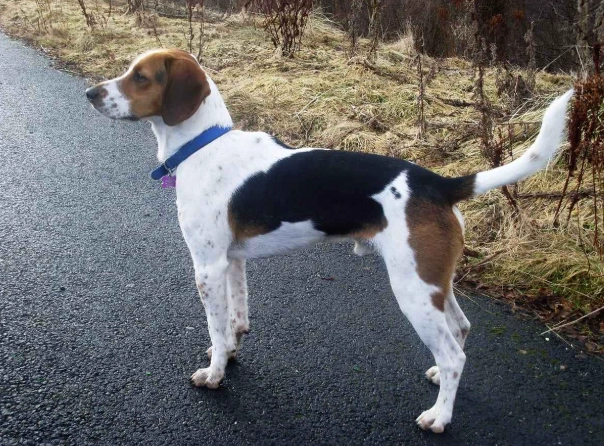
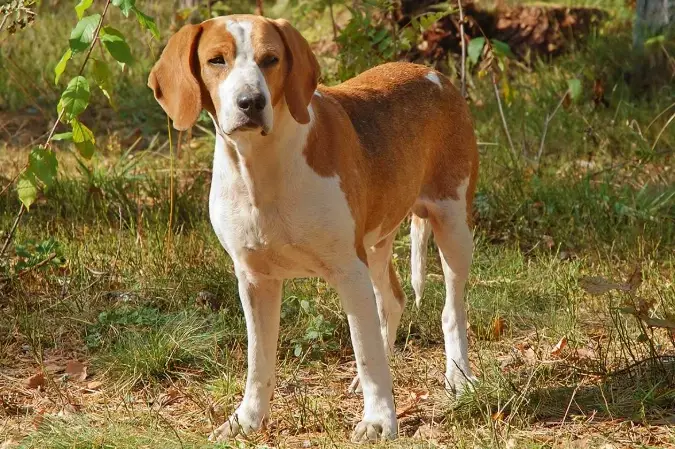
What Does an English Foxhound Look Like? The Anatomy of a Runner
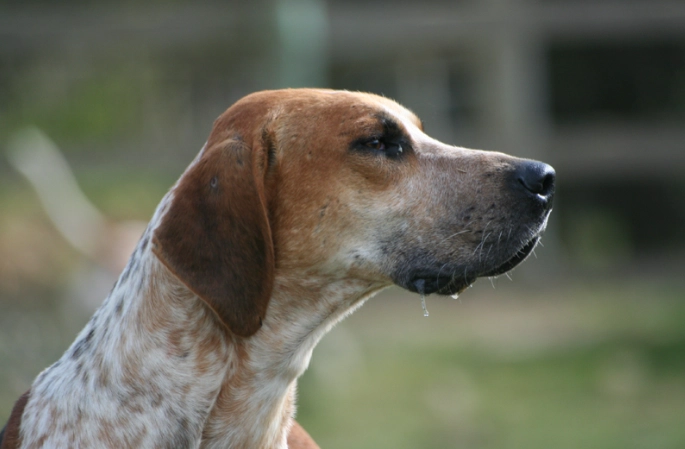
Breed Standard Snapshot
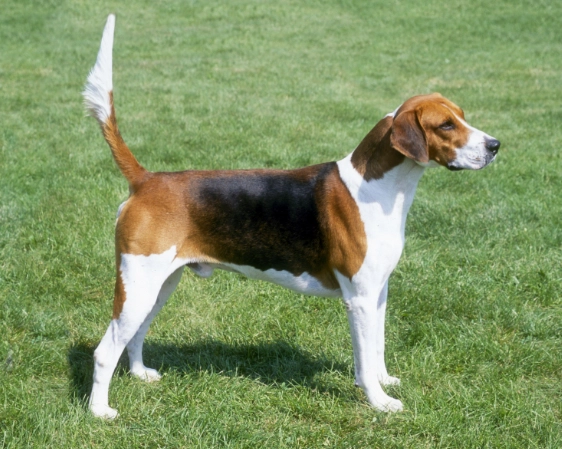
The English Foxhound Temperament: Gentle Packmate, Stubborn Hunter
Living with an English Foxhound: The Non-Negotiable Requirements
Space and Exercise: This is the Big One
Activity Why It's Good for an English Foxhound Considerations Long-Distance Hiking Taps into their endurance heritage; satisfies mental (sniffing) and physical needs. Must be on-leash or in a completely safe, remote area due to prey drive. Canicross or Bikejoring Allows them to run at their natural pace; excellent cardio. Requires training and proper equipment. Start slow. Scent Work or Nosework Classes Channels their powerful nose into a structured, rewarding game. One of the best mental stimulations for this breed. Highly recommended. Secure Field Runs Freedom to sprint and explore safely. Double-check fencing. GPS collars are a wise investment for peace of mind. Training and Socialization: Patience is Key
Grooming and Health: The Easy Part (Mostly)
Feeding Your Fuel-Burning Hound
Is an English Foxhound the Right Dog for You? The Honest Quiz
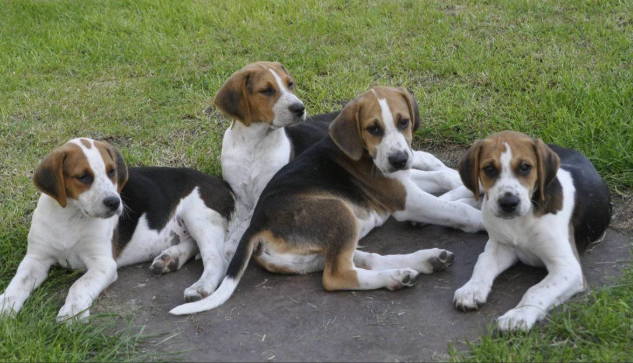
Consider Adoption: Giving an Ex-Hunter a Home
English Foxhound FAQs: Your Quick-Fire Questions Answered
 It all comes down to honesty—with yourself about your lifestyle, and with the breed about what it truly is.
Final Thoughts: A Niche Breed for a Specific Life
Are English Foxhounds good family dogs?
They can be, with major caveats. Their gentle, tolerant nature is great with respectful children. But, their size and exuberant energy can accidentally knock over small kids. And the family must be committed to providing the massive amount of exercise and secure containment the dog requires. They are not a low-maintenance "backyard dog."
Can an English Foxhound live in an apartment?
I would strongly advise against it. It's one of the least suitable breeds for apartment life. Their need for space to move and their powerful, resonant bay make it a recipe for stress for both the dog and your neighbors.
Are English Foxhounds and American Foxhounds the same?
No, they are distinct breeds! They share common ancestry, but the American Foxhound, recognized as the state dog of Virginia, was developed for different terrain and quarry. American Foxhounds are often lighter, rangier, and can have a wider variety of coat colors. The English Foxhound tends to be stockier and more uniform. The AKC page for the American Foxhound highlights these differences well.
How do I find a reputable English Foxhound breeder?
Avoid anyone advertising on generic pet sales websites. Start with the national breed club. In the US, that's the English Foxhound Club of America. A reputable breeder will ask you as many questions as you ask them, will welcome you to visit their home/kennels, will show you health clearances for the parents, and will have a contract that includes a take-back clause at any point in the dog's life.
Comment