Let's be honest right from the start. The Treeing Walker Coonhound isn't your average, go-with-the-flow family dog. You don't just get a Walker; you sign up for a lifestyle. I've seen too many people fall for those soulful eyes and sleek build, only to be completely overwhelmed by the reality of living with a canine athlete bred for single-minded pursuit. This guide isn't a sugar-coated breed profile. It's the straight talk you need to decide if you can provide what this incredible, challenging hound truly requires to thrive, not just survive.
What's in this guide?
What is a Treeing Walker Coonhound?
Developed in the United States from English Foxhounds (with likely some Virginia Hound influence), the Treeing Walker was crafted for one job: finding raccoons and chasing them up a tree, then holding them there with their distinctive, ringing bay until the hunter arrives. The "Treeing" part is obvious. The "Walker" comes from the breed's early developer, John W. Walker of Kentucky. Recognized by the American Kennel Club (AKC) in the Hound Group, they are the epitome of a working scent hound.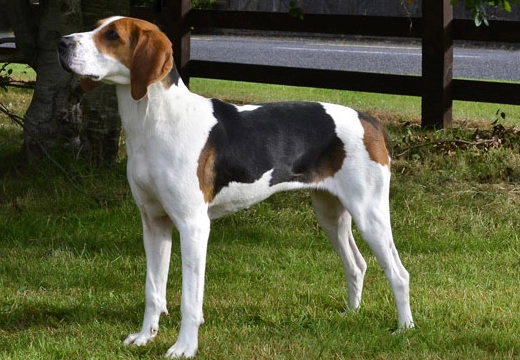
Physically, they're built for endurance and speed. Think lean, muscular, and balanced. They typically stand 20 to 27 inches at the shoulder and weigh between 50 and 70 pounds. The coat is short, smooth, and tricolor (white, black, and tan) is most common, though some can be bi-color (white and tan).
The biggest mistake newcomers make? Assuming because they're a "coonhound," they're all the same. Walkers are often considered the faster, more agile, and sometimes more driven cousins within the coonhound family. They have a reputation for being particularly "hot-nosed"—intensely focused and quick on a trail.
Treeing Walker Coonhound Temperament: The Hunter at Home
Understanding the Treeing Walker temperament means understanding the conflict between their two modes: work mode and home mode.
Home Mode: The Couch-Loving Companion
Inside, with their needs met, Walkers can be absolute clowns. Affectionate, gentle, and often goofy, they form strong bonds with their family. They are typically good with children, possessing a tolerant and friendly nature. They're not guard dogs; they're more likely to greet an intruder with a wagging tail. This is the side breeders' websites love to show.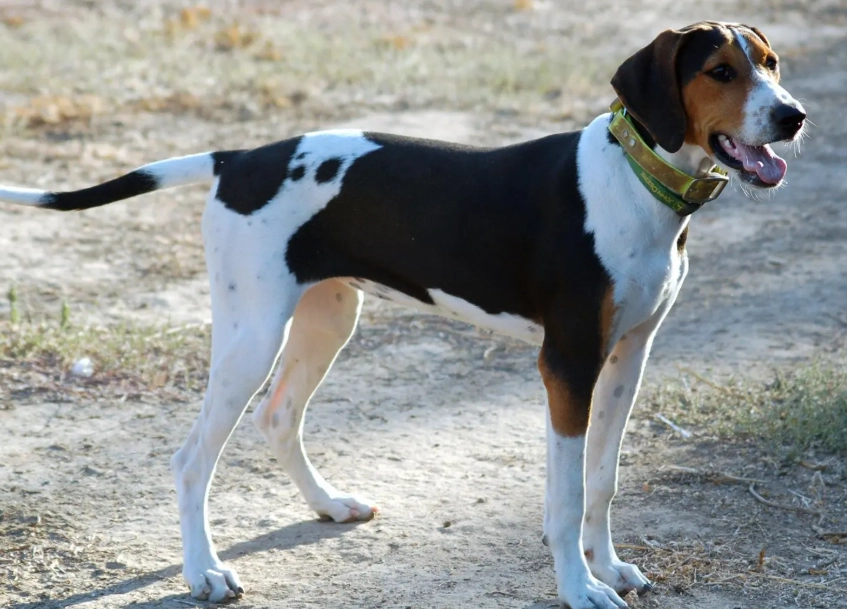
Work Mode: The Nose-Driven Machine
Flip the switch. Outside, when that nose hits the ground or a squirrel darts up a tree, everything else disappears. This is pure instinct. Their prey drive is off the charts. Recall? Obedience? Your voice becomes distant background noise. They will bay—a loud, melodious, and carrying bark/howl—to signal the find. This isn't disobedience in their mind; it's them doing their job perfectly.
The Non-Consensus Reality Check
Many generic breed descriptions label them "good with other pets." This is dangerously simplistic. With cats and other small animals, it's a massive risk. Their genetic wiring says "chase and tree." While some can coexist with a family cat raised alongside them, it's a management task, not a guarantee. Introducing an adult Walker to a home with rabbits or cats is asking for trouble. Their friendliness is reserved for humans and often other dogs, not prey-sized creatures.
Treeing Walker Coonhound Care Guide
Caring for a Walker isn't about luxury; it's about meeting fundamental, non-negotiable needs.
Exercise Needs: More Than a Walk in the Park
A leashed walk around the block is a warm-up, not exercise. We're talking 60-90 minutes of vigorous activity daily. This isn't optional; it's the price of admission.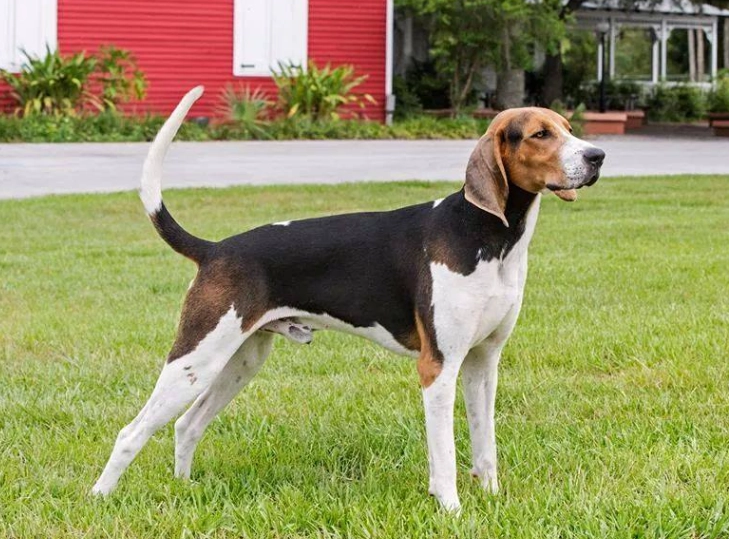
- Running: Jogging, biking alongside (with proper training), or running in a secure area.
- Scent Work: This is mental gold. Hide treats, use scent kits, or drag a scent trail for them to follow.
- Secure Off-Leash Time: This is the holy grail. A tall, secure fence (6+ feet, as they can jump) or a designated hunting property where they can run and explore safely. Dog parks can be risky due to their high-prey-drive reactions.
A bored, under-exercised Walker will find their own fun: digging, chewing, escaping, and nuisance barking.
Grooming: Surprisingly Low Maintenance
Their short coat is easy. A weekly brush with a rubber curry or hound glove removes dead hair. They shed moderately. Baths only as needed. The key grooming focus should be on their long, floppy ears. Check and clean them weekly with a vet-approved solution to prevent moisture buildup and infections.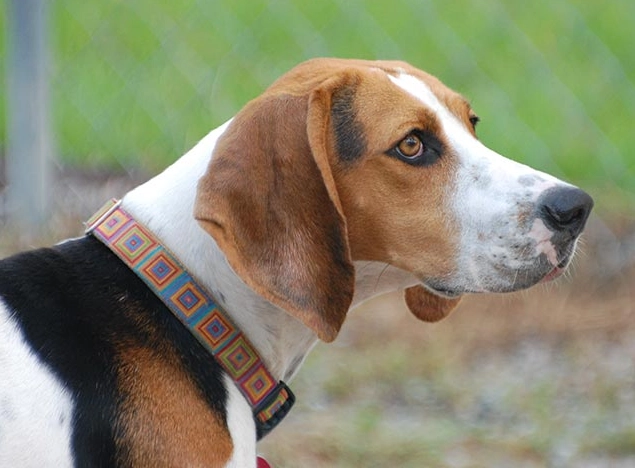
Diet: Fueling the Engine
High-quality, high-protein food formulated for active, medium-to-large breeds. Portion control is crucial to avoid weight gain, especially if their exercise isn't consistent. An average adult may need 3 to 4 cups of dry food daily, split into two meals, but always follow your vet's and the food brand's guidelines based on your individual dog's weight and activity level.
Training Your Treeing Walker Coonhound
Forget the idea of effortless, eager-to-please obedience. Training a Walker is a negotiation, not a dictatorship.
| Training Area | Challenge | Expert Strategy |
|---|---|---|
| Recall (The Most Important) | Instinct to follow scent overrides all commands. | Never train recall off-leash in an unsecured area. Start with a long line (30-50 ft). Use the highest-value rewards (real meat, cheese). Make coming to you the best party ever. Accept that 100% reliability in the face of strong prey is unlikely. |
| Basic Obedience | Independent, can be stubborn. Gets bored with repetition. | Keep sessions short (5-10 mins), fun, and reward-based. Use their food drive to your advantage. Incorporate training into games and scent work. |
| Baying/Vocalization | It's a core breed trait, not misbehavior. | Manage, don't suppress. Ensure needs are met to reduce boredom barking. Teach a "quiet" command by rewarding moments of silence. Provide appropriate outlets—let them "find" and bay at a toy in a controlled setting. |
| Leash Walking | Pulls intensely when they catch a scent. | Use a front-clip harness for more control. Practice "heel" in low-distraction environments first. Be more interesting than the world: use treats and praise when they check in with you. |
Professional training classes, especially for puppy socialization and foundational skills, are a brilliant investment. Look for trainers experienced with hounds or independent breeds.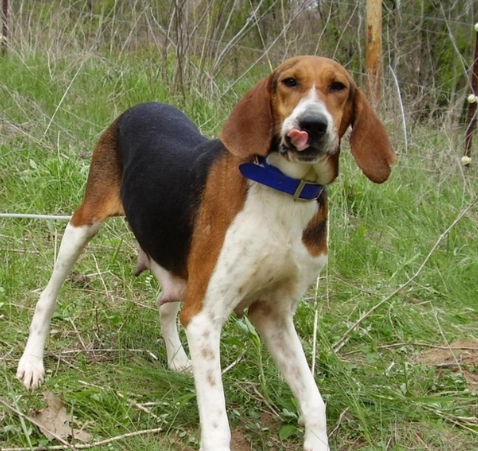
Treeing Walker Coonhound Health and Lifespan
Generally a robust breed with a lifespan of 12-15 years. Responsible breeders screen for health conditions to improve the breed's overall health, as noted by resources like the Orthopedic Foundation for Animals (OFA).
Common Health Considerations:
- Hip Dysplasia: A malformation of the hip joint. Ask breeders for OFA or PennHIP clearance on the parents.
- Ear Infections: Those beautiful floppy ears trap moisture. Weekly cleaning is preventive medicine.
- Bloat (Gastric Dilatation-Volvulus): A life-threatening emergency more common in deep-chested breeds. Feed multiple small meals, avoid vigorous exercise right after eating, and know the symptoms (restlessness, drooling, unproductive retching, distended abdomen).
- General Care: Regular vet check-ups, vaccinations, parasite prevention, and dental care are essential.
Is a Treeing Walker Coonhound Right for You?
Let's make a quick checklist. You might be a match if:
- You have an active, outdoor-oriented lifestyle (runner, hiker, hunter).
- You have a securely fenced yard (6+ feet) or direct access to safe, open land.
- You appreciate a goofy, affectionate family dog indoors.
- You have patience for independent thinking and don't need robotic obedience.
- You can tolerate a loud, musical voice and don't have close neighbors who would complain.
- You have no small pets (cats, rabbits, etc.).
You should probably look at another breed if:
- You live in an apartment or lack a yard.
- You want a low-energy, couch-only companion.
- You need a dog with impeccable off-leash recall in all situations.
- You have or want cats or other small animals.
- You are sensitive to noise or have noise-restricted housing.
- You are a first-time dog owner looking for an "easy" train.
If you're still nodding yes, the reward is a loyal, energetic, and uniquely charismatic partner. Connect with reputable breeders through the AKC marketplace or consider rescue groups like the American Black & Tan Coonhound Rescue, which often take in Walkers. Ask breeders tough questions about health testing, temperament, and what they do with dogs that don't make the cut for hunting. A good breeder will interview you just as thoroughly.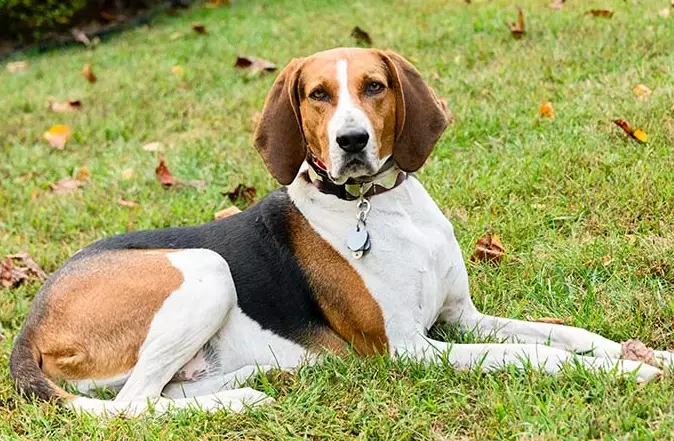
Reader Comments