Let's cut to the chase. You're here because you've heard about the Chesapeake Bay Retriever – the Chessie – and you're intrigued. Maybe you saw a picture of one, all muscular and wavy-coated, looking like it just stepped out of a duck blind. Or perhaps a hunter friend swears by theirs. But you've also heard whispers. "They're tough." "They've got a mind of their own." "Not for first-time owners."
You're searching for the real story behind the Chesapeake Bay Retriever temperament. Is it a loyal family companion or a single-minded hunting machine? Can it be both? I've lived with Chessies for over a decade, trained them, worked with them, and seen countless owners get it right (and sadly, some get it very wrong). This isn't just a breed description. It's a reality check. The Chessie personality is a complex, rewarding, and sometimes challenging package forged by ice, water, and a very specific job. Understanding it is the difference between having the best dog you've ever owned and a frustrating mismatch.
In This Article: Navigating the Chessie Mind
- The Chessie Temperament Matrix: A Quick Snapshot
- Defining the Chesapeake Bay Retriever Personality Traits
- Why Are Chessies Like This? History Shapes Temperament
- Is a Chesapeake Bay Retriever a Good Family Dog? The Honest Guide
- Training a Chessie: Navigating Independence and Will
- Daily Life with a Chessie: Exercise, Care, and Social Needs
- Your Chesapeake Bay Retriever Temperament Questions Answered
The Chessie Temperament Matrix: A Quick Snapshot
Before we dive deep, here's a visual breakdown of the core Chesapeake Bay Retriever personality traits. This isn't about good or bad; it's about intensity and purpose.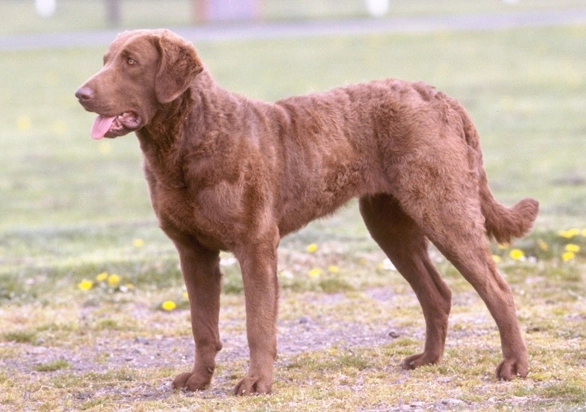
| Trait | Manifestation | Intensity (1-10) | Key For |
|---|---|---|---|
| Tenacity & Toughness | Unwavering drive in water/cold, high pain tolerance, persistent problem-solver. | 10 | Hunting, retrieving through harsh conditions. |
| Independence | Thinks for itself, can be aloof with strangers, not a constant shadow. | 8 | Working alone at a distance from the hunter. |
| Loyalty & Protectiveness | Deep bond with family, wary of strangers, natural guarding instinct. | 9 | Guarding the hunter's catch and the family home. |
| Intelligence & Will | Learns quickly but questions "why," can be stubborn if unmotivated. | 9 | Making independent decisions in the field. |
| Affection (on their terms) | Deeply affectionate with inner circle, not overtly demonstrative with everyone. | 7 | Strong pack/family bonding. |
| Energy & Drive | High physical stamina, needs purposeful activity, not just a walk. | 9 | Long days retrieving in rough water. |
See that high score for independence and will? That's the curveball for many owners expecting a typical eager-to-please retriever. It's the cornerstone of the Chessie dog personality.
Defining the Chesapeake Bay Retriever Personality Traits
Let's unpack what these labels really mean in day-to-day life.
Tenacity: More Than Just "Stubborn"
People call Chessies stubborn. I think that's a lazy label. What you're seeing is tenacity. It's a core part of their being, bred into them for breaking through ice and swimming against punishing currents to retrieve ducks. In your living room, this means if they want the toy under the couch, they will work at it with a focused intensity that's impressive (and sometimes destructive) until they succeed. This isn't disobedience; it's problem-solving mode. You can't command this away. You have to channel it.
The Independent Thinker
This is the big one. The American Kennel Club breed standard describes them as having an "independent and protective nature." In practice, your Chessie will learn a command, understand it perfectly, and then occasionally look at you as if to say, "I hear you, but I've assessed the situation and my plan is better." This drives obedience-focused owners nuts. It's why they flunk out of traditional, repetitive training. They're partners, not puppets. This independence also shows in their affection. They'll come for cuddles when *they* want to, often leaning against you or placing a paw on your lap—a quiet, profound connection, not constant slobbering kisses.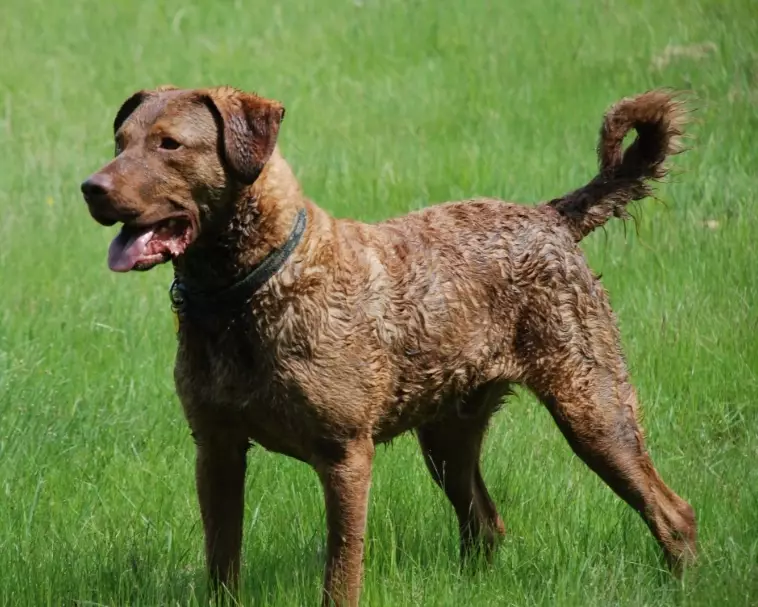
Protectiveness: Guardian of the Hearth
Forget the image of the goofy, everyone's-friend retriever. A Chessie's loyalty is deep but exclusive. They are naturally protective of their home and people. The doorbell rings, and you'll get a deep, serious bark and a dog positioned between the door and the family. This isn't uncontrolled aggression; it's a sober assessment. They need proper, early socialization to learn what's a real threat versus the mail carrier. But that guardian instinct never fully switches off. It's a feature, not a bug.
Why Are Chessies Like This? History Shapes Temperament
You can't understand the Chessie dog without understanding why they were made. In the early 1800s on the icy, rough waters of the Chesapeake Bay, duck hunters needed a dog that could do more than fetch. They needed a canine icebreaker—a dog with unparalleled stamina, a water-resistant oily coat, and the mental fortitude to work independently, often out of sight of the boat, in brutal conditions.
Dogs that were merely obedient didn't cut it. They needed dogs that were determined, intelligent, and tough-minded. Survivors. That selective pressure created a temperament utterly different from the more biddable Labrador or Golden Retriever. Every trait in the modern Chessie—the independence, the protectiveness over retrieved game (which translates to protectiveness over home), the quiet confidence—stems from this history. As the AKC notes, they were bred for "ability to endure hardship" first and foremost.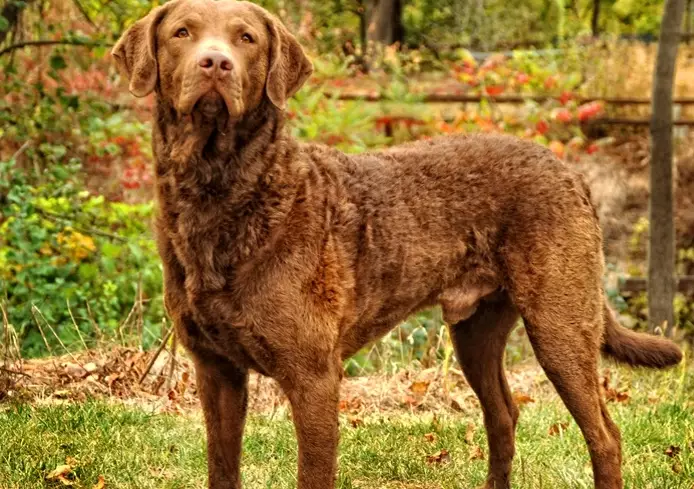
Is a Chesapeake Bay Retriever a Good Family Dog? The Honest Guide
This is the million-dollar question. The answer is a conditional yes, but with major caveats. They are not a generic "family pet." They are a specific family's dog.
The Ideal Chessie Family:
- Active & Outdoorsy: Hikers, runners, hunters, people with land. A daily walk is an insult to their stamina.
- Experienced with Dogs: Preferably with working breeds. First-time dog owners often feel overwhelmed by the Chessie's will and strength.
- Seeking a True Companion: Not a velcro dog, but a respectful, bonded partner who shares your adventures.
- Understanding of Canine Psychology: Willing to use motivation (food, toys, praise) over force, and to provide clear, consistent leadership.
The Wrong Fit:
- The family wanting a low-maintenance, easygoing pet.
- Apartment dwellers without a rigorous activity plan.
- Households with a very busy, passive lifestyle.
- Those who crave a dog that greets every stranger with a wagging tail.
With children, a well-socialized Chessie from a good breeder can be a patient and gentle guardian. But their size and exuberance can bowl over small kids, and they have little tolerance for ear-pulling or tail-grabbing. Supervision is non-negotiable.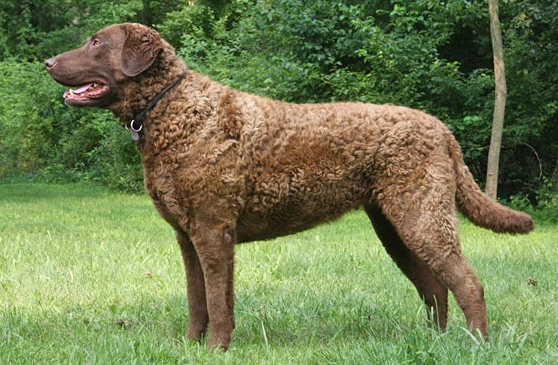
Training a Chessie: Navigating Independence and Will
Traditional, repetitive obedience training will fail. Here's what works, drawn from hard-won experience.
Rule 1: Become a Partner, Not a Commander. Frame training as a collaboration. "We're going to learn this cool thing together that will be fun/useful."
Rule 2: Find the Currency. What motivates your Chessie? For most, it's food. High-value treats are essential. For some, it's a specific toy. Use it. They work for something, not just because.
Rule 3: Keep it Short, Smart, and Varied. Five-minute sessions with high engagement beat twenty minutes of drills. If they get bored, they'll walk away. End on a success.
The Biggest Mistake I See: Owners trying to physically force a Chessie into a position (like a "down") out of frustration. This erodes trust and triggers their oppositional streak. It's a battle you will lose. Lure them, reward them, make them think it was their idea.
Socialization is not optional. It's critical. Expose them positively and consistently from puppyhood to all sorts of people, places, sounds, and other dogs. This curbs the natural wariness and ensures their protectiveness is balanced and appropriate.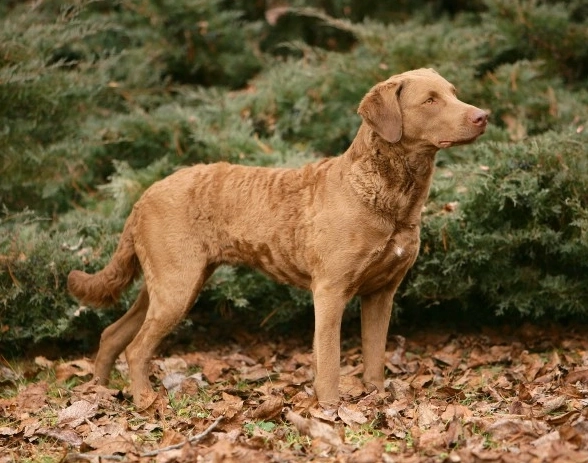
Daily Life with a Chessie: Exercise, Care, and Social Needs
A tired Chessie is a good Chessie. But "tired" means mentally and physically exhausted.
Exercise: Think 90+ minutes daily. This isn't leashed strolls. This is running alongside a bike, long hikes, fetch in a lake, advanced nosework, or field training. They need a job. Canicross, dock diving, or advanced obedience are perfect outlets.
Grooming: That famous oily, wavy coat has a distinct, earthy smell. Some people hate it. It's part of the package. Weekly brushing is needed to prevent mats. They shed seasonally—a lot.
Living Space: A securely fenced yard is highly recommended. They are not suited for long periods alone in an apartment. Their intelligence and energy will turn to destructive creativity.
Your Chesapeake Bay Retriever Temperament Questions Answered
The Chesapeake Bay Retriever temperament is a masterpiece of specialized breeding. It's not for everyone, and that's okay. In the right hands—with an active, experienced owner who respects their intelligence and channels their drive—a Chessie transforms from a challenging puppy into an unparalleled companion: loyal, courageous, and capable of a deep, quiet bond that feels earned. They are a living link to a rugged history, and sharing your life with one is a unique and deeply rewarding adventure. Just go in with your eyes wide open.
Reader Comments