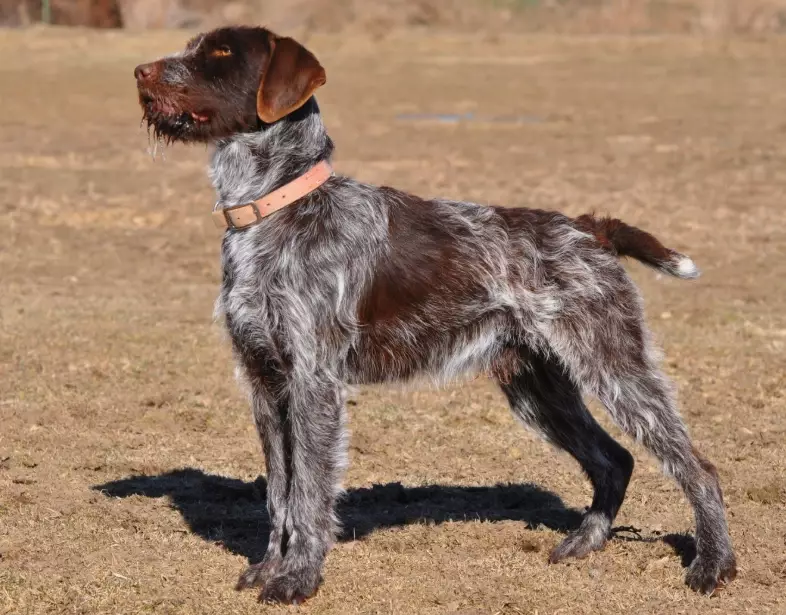
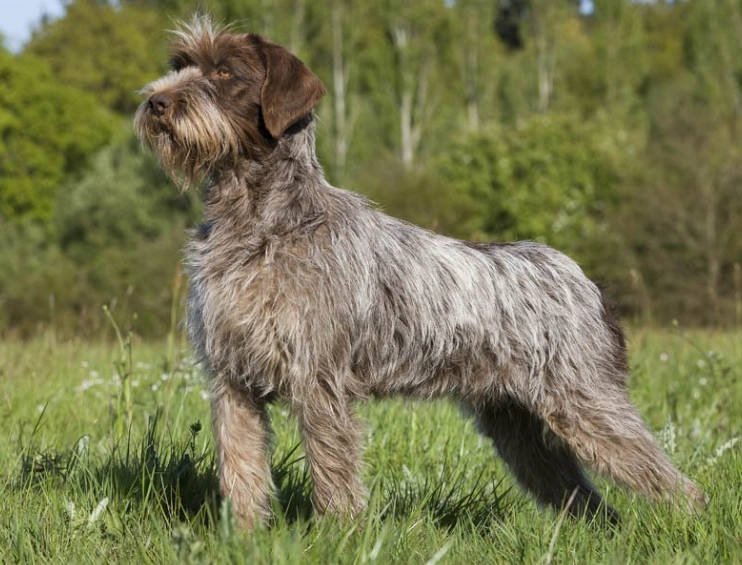
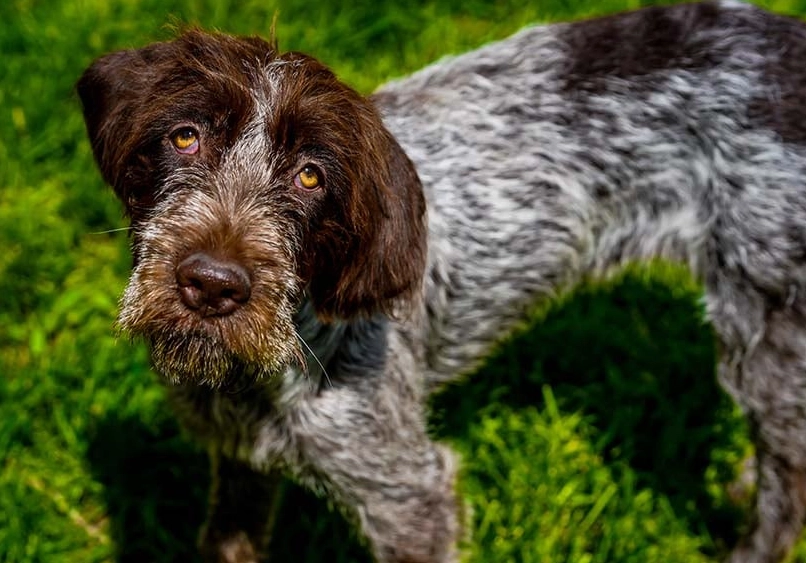
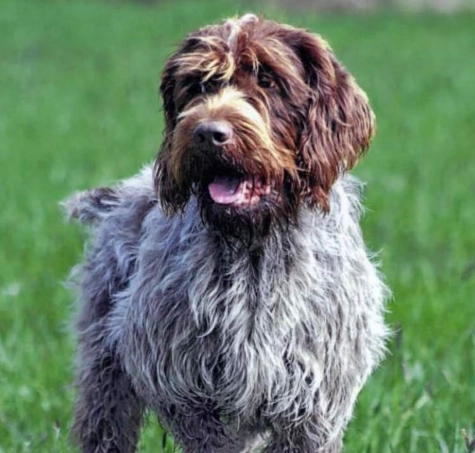
Let's cut to the chase. You're not here for a fluffy, poetic description of a dog that looks like a mop. You're here because you've seen that earnest, wiry-coated face and heard the term "versatile gun dog," and you need to know the reality. Is the Wirehaired Pointing Griffon a relentless hunting machine that would demolish your apartment? A sensitive family companion? A bit of both, and a whole lot of dog in between. I've spent over a decade around pointing breeds, and the Griffon holds a special, complicated place. They're often called the "supreme gundog," a label that's both accurate and a massive oversimplification. It tells you nothing about what it's like to live with one. This guide is for the person who wants the truth—the mud, the brilliance, the stubbornness, and the unwavering loyalty. Eduard Korthals. Remember that name. In the late 1800s, this Dutchman wasn't just breeding dogs; he was engineering a tool. He wanted a rugged, weather-resistant hunter that could work all day in the harsh polders (reclaimed wetlands) of the Netherlands, pointing feathered game and retrieving from icy water with equal gusto. He mixed various griffon-type dogs, spaniels, and pointers, selecting relentlessly for utility, not looks. The result was a dog with a specific, purposeful coat. That famous wiry, tousled look isn't for fashion. It's a dense, water-resistant undercoat with a harsh, mud-shedding outer layer that protects from brambles and cold water. Every feature, from their expressive eyebrows to their webbed feet, serves the hunt. The American Kennel Club recognized the breed in 1887, but their heart remains in the field. This history explains everything about their personality: they are workers first. This is the million-dollar question. Let's break it down with a brutally honest table, then dive into the nuances. The biggest mistake I see? People falling for the "gentle and affectionate" descriptions (which are true) while glossing over the "requires vigorous daily exercise" part (which is equally true). A Griffon's affection is earned through partnership and activity. They're often described as "soft" in temperament. Don't confuse this with timid. It means they are sensitive to your tone and mood. Yelling or harsh corrections will shut them down completely. They work for praise and partnership. But here's the non-consensus part: this sensitivity coexists with a profound stubbornness. A friend's Griffon, Duke, once sat down in the middle of a training session and simply looked at her. He'd decided they were done. He wasn't scared; he was bored and made a executive decision. They are clownish and deeply bonded. My friend's dog will bring her a toy, then dramatically flop over for a belly rub the moment she reaches for it. They thrive on being part of the action, whether it's gardening, fixing the car, or just following you from room to room. Forget vague recommendations. Here's a concrete, realistic schedule for a happy Griffon. Morning (6:30 AM): Quick potty break, then breakfast in a puzzle toy to engage their brain. Not a bowl. They need to work for it. Mid-Morning (9:00 AM): The main event. This isn't a walk around the block. This is 45-60 minutes of off-leash running in a safe area, a vigorous hike, or a training session that involves running and searching. If you can't provide this, your day is about to get difficult. Afternoon: They'll crash. Hard. A well-exercised Griffon is a calm, cuddly house dog. This is the sweet spot everyone loves. Late Afternoon (4:00 PM): Second wind. Time for another 30-minute activity. This could be fetch, a training refresher, a swim, or a structured walk with lots of sniffing. Sniffing is mental exercise—tire that nose out. Evening: Chew time. A long-lasting chew (like a yak milk chew) keeps them settled and satisfies their need to gnaw. Then, more velcro time on the couch. Here's a huge pet peeve of mine: people calling them "low-shedding" or "hypoallergenic" as a selling point. It's misleading. They shed. It's not big clumps of fur on your couch, but fine, prickly hairs that embed themselves in carpets and upholstery. You'll find them in your socks. Their coat also traps dirt, leaves, and the legendary "Griffon glitter" (dried mud flakes that appear magically in your home). The coat requires stripping/em> or clipping every 2-4 months. Stripping—pulling out dead hairs by hand or with a tool—is preferred to maintain the harsh, protective texture. Clipping softens the coat over time. You'll need to brush them weekly to prevent mats, especially behind the ears and in the "feathers" on their legs. Those adorable beards get wet and dirty constantly; get used to wiping it after they drink. Generally a robust breed with a lifespan of 12-15 years, but responsible breeding is everything. Reputable breeders test for: Hip Dysplasia: Common in many medium-large breeds. Ask for OFA or PennHIP clearance from the parents. Eye Conditions: Such as entropion (eyelids rolling inward). The Orthopedic Foundation for Animals (OFA) also offers eye certification. Canine Epilepsy: There is a known incidence in the breed. A good breeder will be transparent about the health history of their lines. The scruffy face comes with a minor but common issue: they can be prone to ear infections. Those folded ears and hairy ear canals trap moisture. A monthly check and clean with a vet-approved solution is smart prevention. If you go the breeder route, do not skip steps. The American Kennel Club marketplace is a start, but dig deeper. Look for breeders who are members of the Wirehaired Pointing Griffon Club of America. The best ones will: * Ask you more questions than you ask them. Rescue is a noble option. Breed-specific rescues like those affiliated with the WPGCA occasionally have adults or older puppies needing homes. These dogs often come with some known history, which can be a advantage. Be prepared for potential baggage, but also for incredible gratitude. Is the Wirehaired Pointing Griffon a good dog for first-time owners? It depends heavily on your lifestyle. First-time owners who are highly active, committed to consistent training, and prepared for a dog with a strong hunting drive can succeed. However, their intelligence and energy can be overwhelming for someone unfamiliar with dog behavior. If you're not ready for at least 90 minutes of vigorous activity daily and firm, patient leadership, consider a more forgiving breed. How much exercise does a Wirehaired Pointing Griffon really need? A lot. We're talking 60-90 minutes of dedicated, heart-pumping exercise every single day. A couple of leash walks won't cut it. They need to run, explore, and use their noses. Think off-leash hikes, long jogs, structured play like fetch or flirt poles, and most importantly, scent work or hunting activities. A bored Griffon is a destructive Griffon. Are Wirehaired Pointing Griffons actually hypoallergenic? This is a major misconception. No dog is truly hypoallergenic. Griffons shed less than many breeds, but they do shed fine hairs and produce dander, which is the primary allergen. Their wiry coat also traps pollen and dust. While they might be better for some allergy sufferers, spending time with one before committing is non-negotiable. What are the biggest challenges of owning a Wirehaired Pointing Griffon? The two biggest challenges are meeting their extreme physical/mental exercise demands and managing their potential for stubbornness. They are sensitive but opinionated. If they deem an activity pointless, they may simply refuse. This requires creative, motivational training. Also, their strong prey drive means rock-solid recall training is essential for safety; they will chase squirrels, birds, or cats. So, where does that leave us? The Wirehaired Pointing Griffon is not a decorative dog. They are a project, a partner, and a profound commitment. They will challenge you, make you laugh with their antics, and reward you with a loyalty that's hard to describe. If your idea of a good time involves mud on your boots, a dog at your heel, and the shared satisfaction of a job well done, you might just have found your perfect match. If you're looking for a low-key couch ornament, keep looking. This scruffy-faced wonder has work to do.What You'll Find in This Guide
From Dutch Swamps to Your Backyard: The Griffon's Origin Story
Is the Wirehaired Pointing Griffon the Right Dog for You?
The Ideal Griffon Owner
The Poor Fit for a Griffon
An active hunter or someone passionate about dog sports (nosework, barn hunt, field trials).
A sedentary person or a "weekend walker."
Experienced with dog training, understands positive yet firm leadership.
A first-time dog owner looking for an easy, biddable breed.
Has a securely fenced yard or immediate access to open spaces for off-leash running.
Lives in a small apartment without a yard and limited nearby parks.
Values a loyal, velcro dog that wants to be involved in everything.
Prefers an independent dog that's content to be alone for long periods.
Doesn't mind some dirt, drool, and a dog that expresses opinions.
Desires a perfectly clean, impeccably obedient, and always quiet companion.
The Personality Deep Dive
A Day in the Life: What Living With a Griffon Actually Looks Like
The Grooming Reality: It's Not "No Maintenance"
Health & Lifespan: What to Watch For
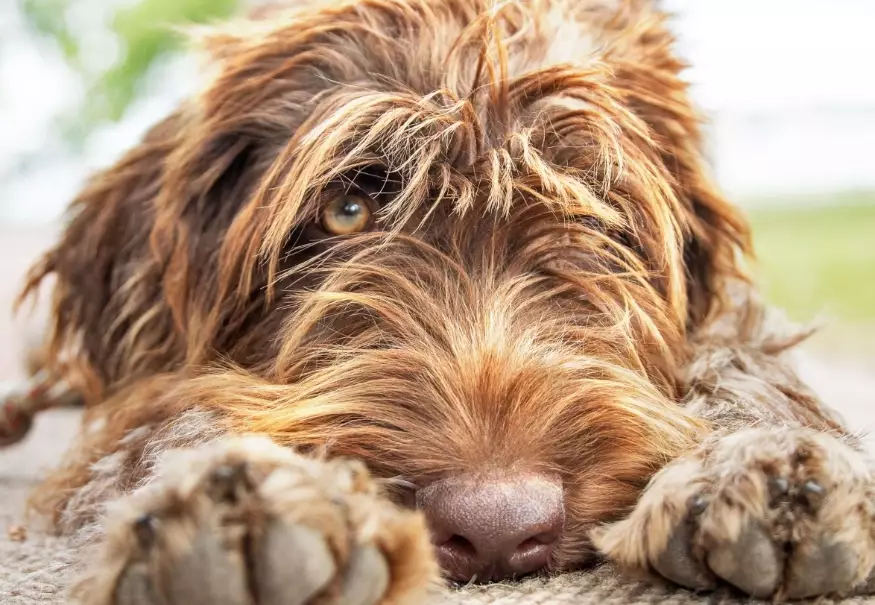
Finding Your Griffon: Breeder vs. Rescue
* Show you health clearances for both parents.
* Have you visit their home to meet the dogs.
* Talk about where their puppies end up (mainly hunting/field homes vs. mainly pet homes).
* Offer a lifelong take-back guarantee.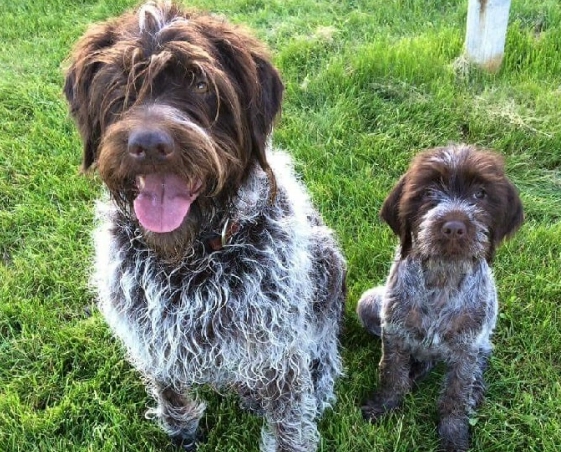
Your Wirehaired Pointing Griffon Questions, Answered
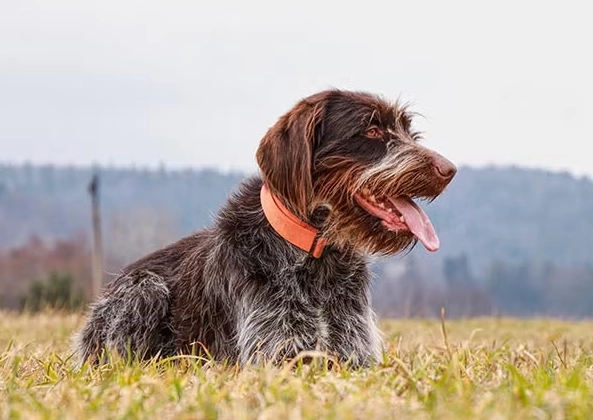
Key Takeaway: The Griffon was built from the ground up as a practical, all-weather hunting companion. This DNA is not a suggestion; it's the core of their being. Ignore it at your peril.
I've seen too many "problem" Griffons whose only issue was chronic under-stimulation. A tired Griffon is a good Griffon. It's not just a cliché; it's the fundamental law of owning this breed.
Comment