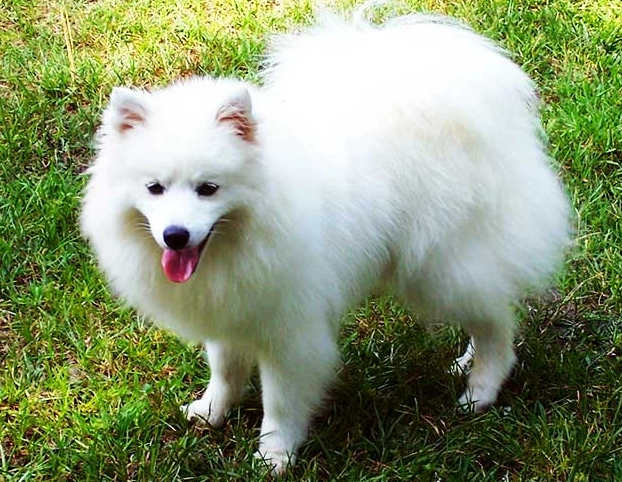
That cloud of white fur with dark, intelligent eyes—the American Eskimo Dog captivates at first sight. But behind the stunning appearance lies a temperament that's equally brilliant, often misunderstood, and absolutely not for everyone. I've lived with Eskies for over a decade, and the number one thing I tell prospective owners is this: you're not getting a living stuffed animal. You're bringing home a sharp, energetic, and profoundly loyal spitz breed with a mind of its own. Their temperament is a fascinating blend of circus-performer intelligence and watchful guardian, wrapped in a deceptively charming package. Let's cut through the generic breed descriptions. Is the American Eskimo Dog a good family pet? Yes, for the right family. Are they smart? Alarmingly so. Are they barkers? Let's be honest—they have opinions and aren't shy about sharing them. This guide isn't just a list of traits; it's a roadmap to living successfully with an Eskie, covering the joys, the challenges, and the subtle mistakes even experienced dog owners make with this unique breed. Describing an Eskie as "friendly and smart" is like describing the ocean as "wet." It's true but misses the depth. Their temperament is built on several interconnected pillars. Intelligence That Demands a Job: This is the cornerstone. According to Stanley Coren's ranking of dog intelligence, the American Eskimo Dog is in the "Excellent Working Dogs" category. They learn new commands in under 15 repetitions and obey on the first command 85% of the time or better. But here's the catch: this intelligence isn't passive. An untrained, under-stimulated Eskie will invent their own jobs, like reorganizing your trash, "herding" children by nipping, or perfecting the art of opening cabinet doors. Their problem-solving skills are impressive, often frustratingly so. Boundless Energy in a Mid-Sized Frame: Don't let the toy variety fool you. All Eskies, from toy to standard, possess a spitz heritage of stamina. This isn't just a need for a daily walk. It's a need for vigorous play, running, and mental challenges. A bored Eskie is a recipe for behavioral issues. Their energy is often channeled into agility, trick training, or nose work—activities they excel at. Loyalty with a Side of Wariness: Eskies form incredibly strong bonds with their families. They are true companions, often shadowing their favorite person from room to room. This loyalty translates into a natural protectiveness. They are alert watchdogs, always aware of their surroundings. This can manifest as initial aloofness or wariness around strangers. It's not aggression; it's assessment. They need time to decide if a new person is friend or foe. This trait makes early, positive socialization non-negotiable. The Vocal Conversation: The Eskie bark is a major part of their temperament. They bark to alert you to a squirrel, the mailman, a leaf blowing by, or a change in the household ambiance. It's a sharp, loud bark. This isn't a dog you can train to be silent; it's a dog you manage and communicate with. Teaching a "quiet" command is essential, but understanding why they bark is more important. Genetics provide the blueprint, but environment and upbringing build the house. An Eskie's temperament is highly malleable in the first two years. Force-based training will break your relationship with an Eskie. They are sensitive and remember slights. Positive reinforcement—using treats, praise, and play—is the only effective path. They thrive on making you happy, but they also need to understand the "why." The biggest training secret? Turn everything into a game. Waiting for their food? That's an impulse control game. Coming when called? That's the best chase game ever, ending with a fantastic reward. They get bored with pure repetition. I made the mistake early on of drilling the same command too many times in a row; my Eskie would literally lie down, sigh, and look away. Short, fun, varied sessions win every time. Socialization isn't just about playing with other dogs. It's about creating positive associations with the wide world. For an alert breed like the Eskie, this is critical to prevent over-protectiveness or fearfulness. Let's get practical. Who actually thrives with an Eskie? Their compatibility with other pets varies. They generally do well with other dogs if properly socialized, but their high prey drive (a spitz trait) means careful, slow introductions are needed for cats or small animals. It's not impossible, but it's not automatic. After years in Eskie communities, I see patterns. These aren't failures of love, but misunderstandings of the breed's nature. 1. Underestimating the Need for Mental Exercise. A tired Eskie is a good Eskie, but physical exhaustion alone isn't enough. You must also tire their brain. A 20-minute sniffari walk where they choose the path is more tiring than a 40-minute forced march. Puzzle feeders, hide-and-seek games with toys, and learning new tricks are daily necessities. 2. Inconsistent Rules. Eskies are master legalists. If they're allowed on the couch when you're in sweats but not in work clothes, they will notice and protest the inconsistency. Decide on house rules (furniture, begging, barking thresholds) and have all family members enforce them uniformly. 3. Misreading Protective Barking as Aggression. An Eskie barking fiercely at the door is doing its job. The mistake is yelling at them to stop, which they interpret as you joining the alert. The better tactic is to calmly acknowledge ("Thank you, I hear it"), ask for a quiet, and then reward the silence. You validate their role while teaching control. 4. Neglecting Grooming's Role in Temperament. Matting is painful. A matted, uncomfortable Eskie can become snappish, especially around sensitive areas. Regular brushing isn't just for looks; it's for their comfort and your bond. Make it a positive, gentle routine from day one. The American Eskimo Dog temperament is a beautiful, complex puzzle. They offer unwavering loyalty, hilarious antics, and a deep, communicative bond. In return, they ask for your time, your patience, and your active participation in their life. They are not a backdrop pet; they are a co-star in your daily routine. If you're ready for a partner who is clever, spirited, and fiercely devoted, the Eskie might just be the most rewarding companion you'll ever have. Do your homework, meet some in person (check the American Kennel Club's breed page for reputable breeder or rescue referrals), and be honest about your lifestyle. The right match leads to years of fluffy, brilliant joy.What You'll Find Inside
The Eskie Core Personality: More Than Just "Friendly"

Shaping the Ideal Eskie Temperament: Training & Socialization
Training Philosophy: Be Smarter and More Consistent
The Socialization Imperative: Beyond the Dog Park
Is an American Eskimo Dog Right for Your Family?
Ideal Eskie Home
Challenging Fit for an Eskie
Active individuals or families who enjoy daily walks, hikes, or outdoor play.
Sedentary households or those wanting a low-energy lap dog.
Engaged owners who see training as a fun, lifelong bonding activity.
Owners unwilling to invest time in consistent, positive training.
Families with older, respectful children (generally 8+).
Households with very young toddlers who may not understand gentle handling.
Patient personalities who understand the "alert watchdog" role and vocal nature.
Those living in thin-walled apartments with noise-sensitive neighbors.
Someone home a good portion of the day (or can provide a dog walker). They bond deeply and dislike long isolation.
People who work long hours away from home without a plan for companionship.

Common Mistakes New Eskie Owners Make (And How to Avoid Them)
Your Eskie Temperament Questions Answered
A Quick Note on Size & Temperament: While the breed standard describes one breed in three size classes (Toy, Miniature, Standard), you might see slight temperament correlations. Toys can be more attached and sometimes more vocal. Standards may have a slightly calmer demeanor and stronger herding instincts. However, a well-bred Eskie of any size should exemplify the core breed temperament.
Expert Pitfall: A common error is stopping socialization after puppyhood. An Eskie's wariness can increase during adolescence (6-18 months). If you stop exposing them to novel experiences, you risk that natural caution hardening into genuine fear or reactivity. Keep it up for life.
Can an American Eskimo Dog live happily in an apartment?
Yes, but with major caveats. Their compact size is deceptive. Eskies have high mental and physical energy needs. Apartment life only works with a committed owner who provides multiple daily walks, dedicated play sessions, and consistent mental enrichment like puzzle toys or short training drills. Without this, their intelligence turns to mischief—boredom barking and destructive chewing become likely. A house with a yard is easier, but the yard is not a substitute for active engagement.
How difficult is it to train an American Eskimo Dog compared to other breeds?
They are among the easiest breeds to train for obedience commands and tricks due to their eagerness to please and quick intellect. The difficulty lies not in teaching but in maintaining consistency and managing their independent streak. They test boundaries. A common mistake is assuming they're 'trained' after a few repetitions and then becoming lax. Training must be lifelong, integrated into daily routines, and always positive. Their sensitivity means harsh methods backfire spectacularly, damaging trust.
Are American Eskimo Dogs good with young children?
They can be wonderful with children they are raised with, but they are not a universally 'kid-proof' breed. Their herding lineage might lead to gentle nipping at running children's heels. They are loyal but may not tolerate rough handling from toddlers. Supervised, calm interactions are key. It's crucial to teach children how to respectfully interact with the dog and to give the Eskie a safe space to retreat. Proper socialization from puppyhood is non-negotiable for a harmonious child-dog relationship.
What's the most effective way to manage excessive barking in an Eskie?
Trying to completely eliminate barking is fighting their genetics. The goal is management. First, identify the trigger (alert, boredom, anxiety). For alert barking, teach a 'quiet' command by marking the moment of silence after a few barks and rewarding heavily. For boredom barking, increase physical exercise and mental stimulation dramatically. Never yell 'stop!'—it just adds to the noise they think you're joining. Providing a designated lookout spot where they can observe 'their territory' without feeling the need to patrol can also reduce stress-based barking.
Comment