Let's clear something up right away. Asking "how big do American Eskimo Dogs get?" is like asking how long a piece of string is. There's no single answer, and that's the most important thing you need to know. This breed comes in three distinct size varieties: Toy, Miniature, and Standard. Picking the right one isn't just about aesthetics; it's about matching a lively, intelligent dog's needs to your lifestyle. Get it wrong, and you could end up with a frustrated pet and a stressed-out household. I've seen too many people fall in love with the fluffy white coat and smiling face, only to be completely unprepared for the reality of their chosen size. A Standard Eskie crammed into a studio apartment is a recipe for chaos. A Toy Eskie treated like a fragile ornament misses out on the robust play they crave. This guide will give you the hard numbers, but more importantly, it'll connect those numbers to real-life implications. The American Kennel Club (AKC) is the governing body that sets the breed standard. According to their official American Kennel Club guidelines, here’s how they break down. It's crucial to note that these are height measurements at the shoulder (the withers), not the top of the head. Notice the weight ranges have some overlap? That's where confusion starts. A robust, heavy-boned 15-inch Miniature might weigh 20 pounds, while a fine-boned 16-inch Standard might only weigh 19 pounds. The height is the primary classifier, but build matters. A Key Distinction: Unlike some breeds where "teacup" is an unofficial marketing term, all three American Eskimo sizes are officially recognized varieties within the same breed. They should all look like proportionally scaled versions of each other. Numbers on a page are one thing. Living with the dog is another. A 10-pound Toy Eskimo isn't a silent, sleeping fluffball. It's a 10-pound alarm system with springs for legs, capable of jumping onto your kitchen counter if motivated. Their small size makes them seem manageable, but their energy is not miniaturized. The Standard, at 30 pounds, isn't a giant. But that weight is pure, dense muscle wrapped in a double coat. When they lean against you or decide to play, you feel it. They take up more space on the couch, in the car, and in your path when they zoom around the yard. The Miniature? It's often the sweet spot. They're small enough to scoop up easily but substantial enough to handle rougher play with kids. In my opinion, their popularity isn't an accident. Predicting adult size is a top concern for new owners. You look at that tiny, 8-week-old fluffball and wonder what you've signed up for. The most reliable predictor is always the puppy's parents. Reputable breeders will be transparent about the sire and dam's sizes. If you're adopting, it's a bit more guesswork. Here’s a general growth timeline for each variety. Remember, these are averages, and individual dogs will vary. The Paw Test Myth: Many people swear by looking at a puppy's paw size to judge adult size. While oversized paws can indicate more growth to come, it's a very crude tool, especially within the same breed. A better indicator is the puppy's overall bone structure and thickness, which a vet can help you assess around 16 weeks. This is the decision-making part. Forget which one is cutest for a second. Let's match the dog to your reality. For Apartment/Condo Dwellers: For Families with Young Children: For Active Individuals/Hikers: The Budget Factor (The Unspoken Truth): Maintaining a healthy weight is critical for all dogs, but with Eskies, the risks are size-specific. Toys and Miniatures are prone to patellar luxation (slipping kneecaps). Extra weight puts immense strain on those tiny joints, accelerating wear and tear and increasing the likelihood of expensive surgery. You must resist the urge to over-treat them. Standards have a higher risk of hip dysplasia. Again, obesity is a major contributing factor. Carrying an extra 5 pounds on a 30-pound frame is a huge percentage of body weight. It's not just about looks; it's about pain management and mobility in their senior years. Feeding Guidelines Are Just Guidelines. The bag of food gives a recommendation based on weight. You must adjust based on your individual dog's metabolism and activity level. A highly active Standard may need more than the bag says. A couch-potato Miniature may need less. Weigh your dog monthly and adjust portions accordingly. Feel their ribs—you should easily feel them under a thin layer of fat. That glorious white coat doesn't care about size. All Eskies need regular brushing. But here's the practical math: brushing a Toy thoroughly might take 15 minutes. Doing the same thorough job on a Standard can take 45 minutes to an hour. Shedding season? Multiply that. If you dislike grooming, a Toy is objectively less work. Professional grooming costs will also reflect the size difference. Choosing an American Eskimo Dog size is a long-term commitment. It's the difference between a pet that seamlessly integrates into your life and one that becomes a constant source of adjustment. The Toy offers portability but demands careful handling. The Standard offers robust companionship but requires significant space and activity. The Miniature often strikes a beautiful, manageable balance. Look past the initial fluff. Consider your daily routine, your living space, your budget, and your activity level for the next 12-15 years. Match that reality to the numbers and needs outlined here. When you get the size right, you unlock the true joy of living with this brilliant, beautiful breed—a loyal friend perfectly scaled for your world.What You'll Learn Inside
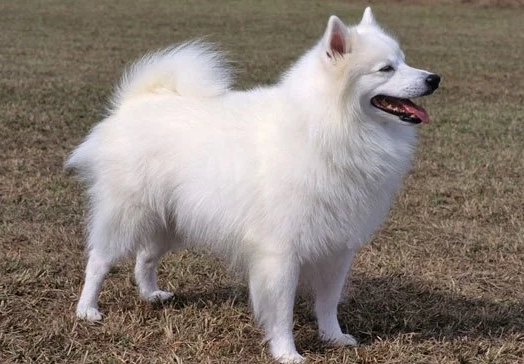
The Three Official Sizes: Breaking Down the Numbers
Variety
Height (at withers)
Weight Range
General Impression
Toy American Eskimo Dog
9 to 12 inches
6 to 10 pounds
A portable, energetic companion. Think "big personality in a small package." They are not delicate lap dogs but sturdy, active spitz dogs in miniature.
Miniature American Eskimo Dog
12 to 15 inches
10 to 20 pounds
The most popular and versatile size. Offers a balance between the toy's portability and the standard's presence. Often the "Goldilocks" choice for many families.
Standard American Eskimo Dog
15 to 19 inches
18 to 35 pounds
A substantial, athletic dog. This is the original working size. They have more bone and substance, built for endurance and activity.
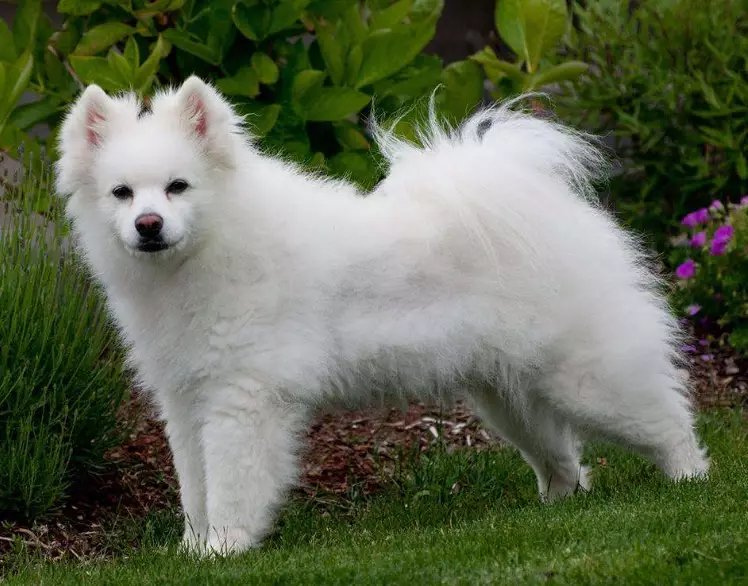
Beyond the Tape Measure: What Size Really Feels Like
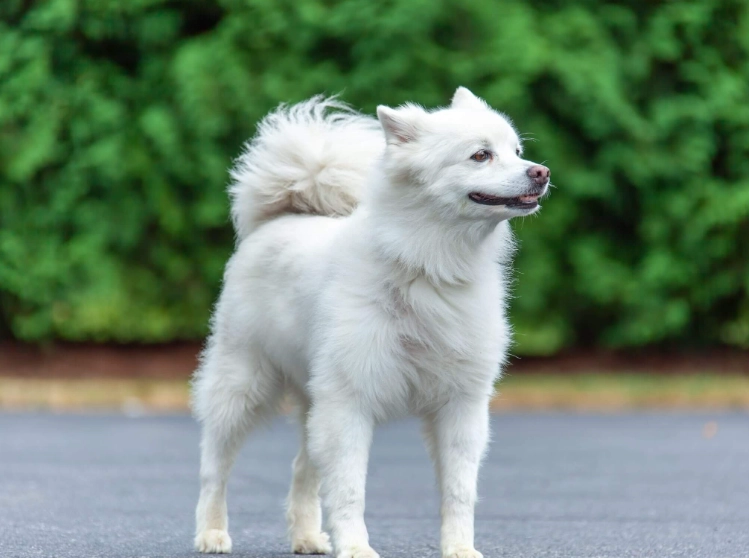
From Puppy to Adult: Your Eskie's Growth Chart
How to Choose the Right Size for Your Home
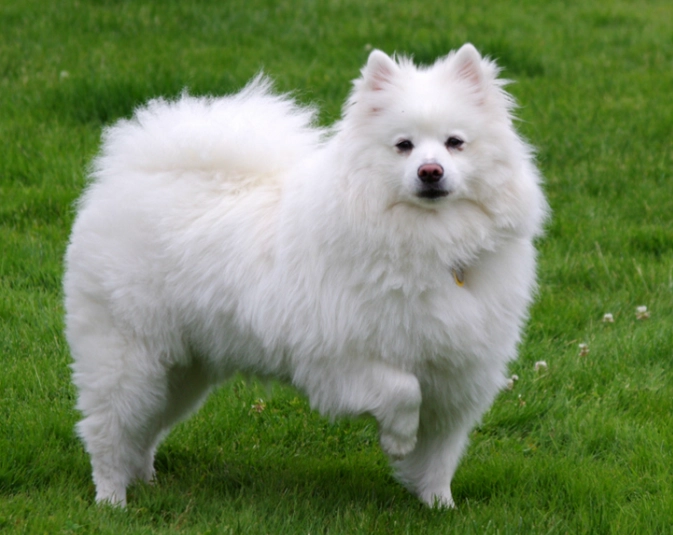
You can make any size work with enough dedication, but the effort required scales up. Toys and Miniatures are naturally more adaptable to smaller spaces. The critical factor is your commitment to providing structured exercise outside the home. A 30-minute brisk walk isn't a suggestion; it's a daily minimum to prevent pent-up energy from turning into barking or chewing. Standards in apartments need a dedicated owner who hits the trails, dog parks, or provides rigorous indoor training games daily.
Size matters here for safety. A clumsy toddler can easily injure a delicate Toy. Many breeders are cautious about placing Toys in homes with kids under 5-6. Miniatures and Standards are sturdier. However, all Eskies have a low tolerance for rude handling. Teaching children respectful interaction is non-negotiable, regardless of the dog's size.
If your dream is a trail companion, the Standard is your dog. They have the stamina for long, challenging hikes. A Miniature can handle moderate hikes, but you'll be carrying a tired 15-pounder back to the car if you overestimate their endurance. A Toy is a city walker, not a backcountry hiker.
Larger dog = larger costs. It's simple. More food, larger doses of medication, bigger crates, pricier grooming bills (that coat takes longer to wash and dry), and often higher veterinary costs for procedures scaled by weight. A Standard will cost you significantly more over its lifetime than a Toy.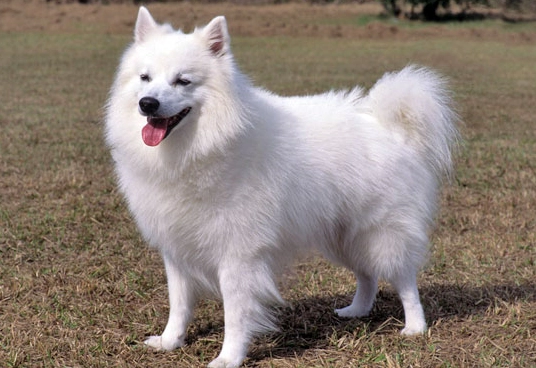
Weight, Diet, and Health: The Size Connection
The Grooming Time Multiplier
Your Top Size Questions Answered
Is an American Eskimo Dog a good choice for apartment living?
It depends heavily on the size variety. Toy and Miniature American Eskimos can adapt well to apartment life, provided they receive adequate daily exercise and mental stimulation. A Standard American Eskimo, however, requires significantly more space to move comfortably. The real challenge in apartments is not just size, but their vocal nature and high energy. Without proper outlets, any Eskie can become a noisy, destructive neighbor. Focus more on your ability to meet their exercise needs than the square footage alone.
How can I accurately predict my American Eskimo puppy's adult size?
The most reliable method is to look at the puppy's parents, as genetics are the primary determinant. If that's not possible, your vet can perform a paw size check and examine bone structure around 16 weeks old. A common, though not flawless, rule of thumb is to double the puppy's weight at 14-16 weeks. For a more precise estimate, refer to our breed-specific growth chart in the article, which tracks average weight gain patterns for each size variety. Remember, nutrition plays a huge role; overfeeding can lead to unhealthy weight gain that masquerades as 'large size'.
What's the biggest health risk related to choosing the wrong size American Eskimo Dog?
The most overlooked risk is joint stress in Toys and Miniatures. People often treat them like lap dogs, carrying them everywhere and skipping structured walks. This can lead to underdeveloped musculature that fails to properly support their joints, increasing the risk of patellar luxation. For Standards, the opposite problem occurs: owners underestimate their need for sustained, high-intensity exercise, leading to obesity—a major contributor to hip dysplasia and diabetes. Picking a size you can't properly exercise is a direct path to chronic health issues.
Do all three sizes of American Eskimo Dog have the same personality?
The core traits—intelligence, alertness, and affection—are consistent. However, energy expression often varies. In my experience, Toys and Miniatures can sometimes exhibit more 'big dog' attitude and nervous energy in compact packages, requiring diligent socialization. Standards may have a slightly more measured stamina, capable of longer hikes but also prone to more dramatic boredom behaviors if under-stimulated. Don't assume a smaller dog means less work; the mental stimulation needs are equally high across all sizes.
Comment