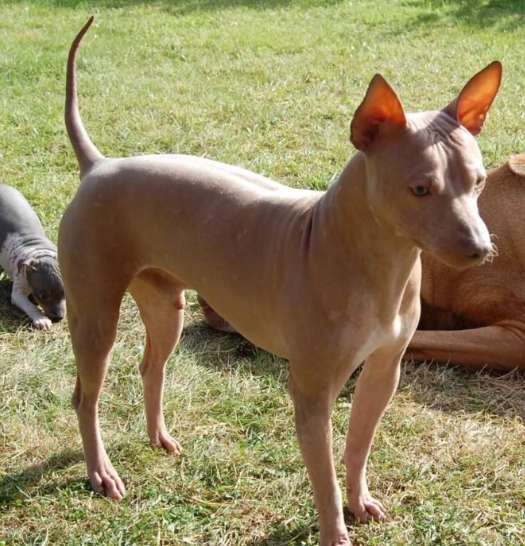
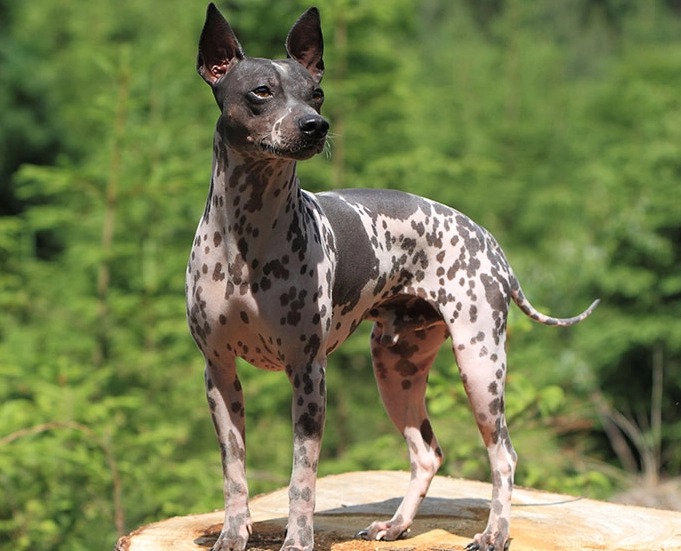
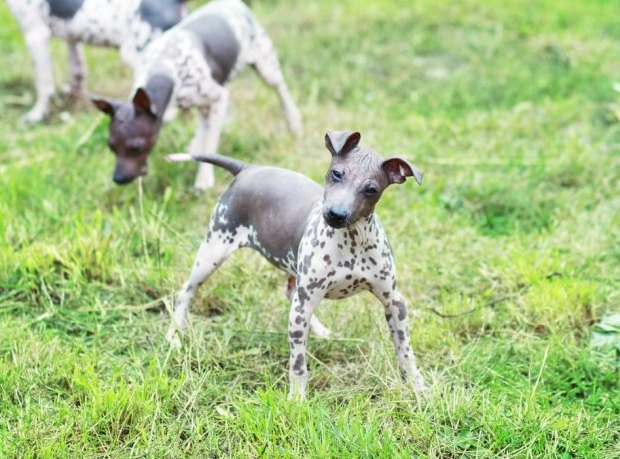
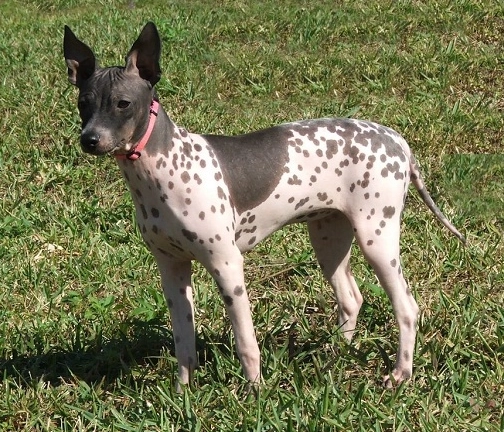
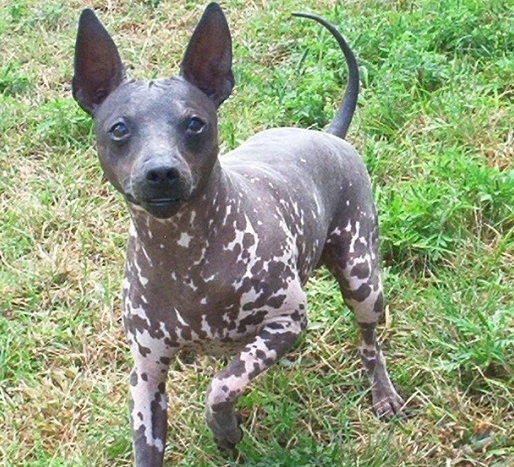
You see a picture of an American Hairless Terrier (AHT). No fur, just smooth skin, maybe with some charming spots. Your first thought, if you have allergies, might be "perfect!". If you want a low-maintenance dog, you might think "no brushing!". But here's the thing most breed overviews gloss over: the American Hairless Terrier temperament is a fascinating, complex package that has very little to do with their lack of hair and everything to do with the lively, stubborn, and deeply affectionate terrier heart beating inside. Choosing one based solely on their hypoallergenic status is like buying a sports car for its cup holders. Strip away the unique look, and you have a classic ratting terrier. The breed originated from Rat Terriers, and that drive is still front and center. They are alert, curious, and perpetually ready for action. But they've also been selectively bred to be companionable house dogs. This creates a dynamic—and sometimes contradictory—blend. Inside the home, a well-balanced AHT is a clown. They love to play, learn tricks (on their own terms), and be involved in everything you do. I've seen them invent games with bottle caps for hours. They form intense bonds with their family. Expect a shadow that follows you from room to room, not out of anxiety, but out of sheer interest in your activities. This velcro-dog tendency is one of their most endearing traits. Take them outside, and a switch can flip. That squirrel in the yard isn't scenery; it's a mission. Their prey drive is significant. This isn't a dog you can reliably trust off-leash in an unfenced area. That same focus makes them excellent at dog sports like barn hunt or agility, but it also means you need to be vigilant on walks. It's the core of the terrier temperament. A Quick Temperament Snapshot: Think of them as a blend of three familiar archetypes: the intelligence and stubbornness of a Jack Russell, the loyalty and affection of a small companion breed, and the unique, attention-grabbing appearance of, well, nothing else. Okay, so they're lively and loving. What does that actually mean for your daily life? Let's get practical. Energy Level: They are not couch potatoes. A common mistake is pairing their small size with low energy needs. An under-exercised AHT is a recipe for boredom barking, digging, and other creative (destructive) outlets. They need at least 30-45 minutes of active engagement daily. This doesn't mean just a walk around the block. It means play sessions, training games, or a good run in a secure yard. The "Hypoallergenic" Reality: This is the big one. They are often called hypoallergenic. Scientifically, no dog is 100% hypoallergenic. Allergies are triggered by proteins in dander (skin flakes), saliva, and urine. Since AHTs have skin, they produce dander. However, without fur to trap and shed it into the environment, many allergy sufferers find them much more tolerable. The key is exposure. If you have allergies, you must spend several hours with an AHT before deciding to bring one home. Skin Care is Non-Negotiable: You trade grooming for dermatology. Their skin needs protection. In summer, they need dog-safe sunscreen on pink skin areas to prevent burns. In winter, they need sweaters or coats to stay warm. They can get acne, dry skin, and are prone to minor cuts and scrapes. You'll become an expert on gentle, moisturizing dog shampoos. The Stubborn Streak: This is the terrier hallmark. They are clever and learn quickly, but they also ask "what's in it for me?" If a command is boring or doesn't have a worthwhile reward, they may simply choose to ignore it. This isn't defiance in a malicious way; it's independent problem-solving. It can be frustrating for owners who expect Labrador-like eagerness to please. Training an AHT is less about obedience and more about partnership. You can't bully them into compliance. Here’s what works and what most people get wrong. Socialization is Everything, and Early Isn't Enough: Everyone knows about early socialization. The mistake is stopping. An AHT's natural wariness of strangers and other animals can resurface during adolescence if positive exposures aren't maintained for the first 2-3 years. This means ongoing, controlled introductions to new people, places, dogs, and sounds. A poorly socialized AHT can become a fear-barker or reactive. Use Their Intelligence: Ditch the repetitive drills. Training should be short, fun, and varied. Use their love of food and play to your advantage. Puzzle toys, scent work games, and trick training are fantastic ways to tire out their brain and strengthen your bond. They excel at activities that engage their natural instincts. Let's be brutally honest. This breed isn't for everyone. They are a specific tool for a specific job. Here’s who they're perfect for, and who should probably look elsewhere. The Ideal AHT Owner: Think Twice If You: Are American Hairless Terriers good with cats? It's possible, but it's a carefully managed introduction, not a guarantee. Success depends heavily on the individual dog's prey drive and the cat's temperament. The safest route is to raise a puppy with a confident, dog-savvy cat. Introducing an adult AHT to a cat requires slow, controlled sessions with the dog on a leash and the cat having a high escape route. Many can coexist peacefully, but you should never leave them unsupervised together. Do American Hairless Terriers bark a lot? They are alert barkers. They will tell you if someone is at the door, if a leaf blows suspiciously across the yard, or if they hear an unfamiliar noise. This makes them decent little watchdogs, but it can become a nuisance without training. You can manage it by teaching a "quiet" command and ensuring they get enough mental and physical exercise to curb boredom barking. Are American Hairless Terriers good for first-time dog owners? They can be, but it's a steep learning curve. A first-time owner who is diligent, patient, committed to training classes, and has done extensive research on terriers can succeed. However, a first-timer looking for an easy, forgiving breed to learn on might find the AHT's stubbornness and energy overwhelming. A more biddable breed like a Cavalier King Charles Spaniel might be a gentler introduction to dog ownership. How do American Hairless Terriers do with children? They can be wonderful with children they are raised with, viewing them as part of their pack. Their playful nature is a great match for kids. However, their small size and sometimes sensitive skin mean they are not a rugged, tolerant breed like a Retriever. They won't appreciate rough handling, tail-pulling, or being treated like a doll. Supervision is mandatory with young children, and kids must be taught to respect the dog's space. The American Hairless Terrier temperament is a unique cocktail of affection, intelligence, and terrier tenacity. They are not a low-maintenance dog because they lack fur; they simply exchange one set of needs (grooming) for another (skin care and training). For the right person—someone who sees past the novelty of their appearance to the spirited, loyal companion within—they are an utterly irreplaceable breed. Do your homework, meet a few, and be honest about your lifestyle. If you're a match, you'll gain a devoted, entertaining, and truly one-of-a-kind best friend.What You'll Discover in This Guide
What is the American Hairless Terrier Temperament Really Like?
The Playful Companion
The Tenacious Hunter
The Realities of Living with an American Hairless Terrier
How to Train and Socialize Your American Hairless Terrier
Temperament Trait
Potential Challenge
Proactive Solution
High Prey Drive
Chasing squirrels/cats, unreliable recall.
Always use a leash or a fully fenced area. Train a solid "leave it" command using high-value treats.
Alertness & Wariness
Excessive barking at doorbells, strangers, or noises.
Desensitize to triggers. Reward quiet behavior. Provide a "place" command to go to when the doorbell rings.
Stubborn Independence
Ignoring commands they find uninteresting.
Make yourself more interesting than the distraction. Use fantastic treats (cheese, chicken) and keep sessions under 5 minutes.
Strong Bonding
Potential for separation anxiety if not taught independence.
Practice short departures from day one. Never make a big fuss when leaving or returning. Use puzzle toys to create positive alone-time associations.
Is an American Hairless Terrier the Right Dog for You?

Your American Hairless Terrier Temperament Questions Answered
Training an American Hairless Terrier isn't about showing them who's boss. It's about convincing them that listening to you is the most rewarding choice they can make.
Comment