What You'll Find in This Guide
Let's cut right to the chase. You're thinking about an Appenzeller Sennenhund, or maybe you just brought one home, and you've heard the rumors. That beautiful, tricolored coat comes with a catch. It sheds. A lot. I've lived with my Appenzeller, Koda, for eight years now. I've vacuumed enough fur to stuff a small mattress and learned what works—and what's a total waste of time. This isn't a generic dog care article. It's a survival guide written by someone who's been in the trenches, armed with the right tools and a realistic routine.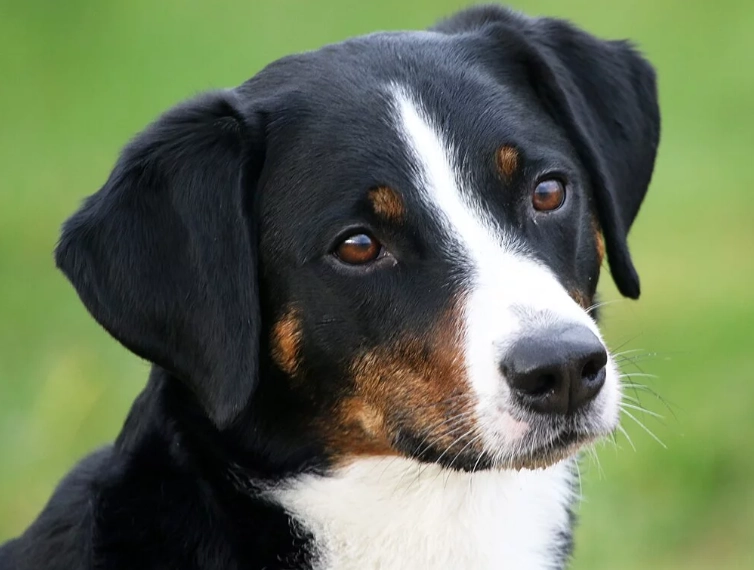
The Unvarnished Truth About Appenzeller Shedding
Appenzellers have a classic double coat. A soft, dense undercoat for insulation, topped by a harsher, weather-resistant outer coat. This design is brilliant for a Swiss farm dog but challenging for your black pants. Shedding is year-round, with two major explosions: spring (to lose the winter undercoat) and fall (to prepare for the new winter undercoat).
During these "coat blows," you'll find tufts of fur drifting across your floor like tumbleweeds. It's impressive, almost comical, if it weren't your living room.
Building Your Grooming Arsenal: Tools That Actually Work
Forget the cheap plastic brush from the pet store aisle. It's useless against this coat. You need specialized tools. Here’s the kit I've settled on after years of trial and error.
| Tool | Primary Job | Why It's Essential | Usage Frequency |
|---|---|---|---|
| Undercoat Rake | Remove loose undercoat | This is your MVP. The long teeth penetrate the topcoat to pull out the fluffy undercoat without cutting guard hairs. Look for one with rotating teeth to prevent skin scraping. | 2-3 times per week (Daily during seasonal blows) |
| Slicker Brush | Finish & detangle topcoat | After raking, the slicker brush smooths the topcoat, removes any remaining loose hairs, and prevents mats behind the ears and in the "pants" (hindquarters). | 2-3 times per week |
| De-shedding Tool (Like a Furminator*) | Fine-tuning | *Use with caution. These tools have a blade and can damage the coat if overused. I only use it for a quick pass on the back and sides after the undercoat rake has done 90% of the work. Never on the belly or thin-haired areas. | Once a week (or less) |
| High-Velocity Dryer | Post-bath blow-out | A game-changer. Blasts water and, more importantly, loose undercoat out of the coat after a bath. Cuts drying time from hours to minutes and reduces post-bath shed-drama around the house. A household hairdryer doesn't have the power. | Every 6-8 weeks (with baths) |
Investing in these four tools changed everything. The rake and slicker brush alone will handle 80% of your shedding problems.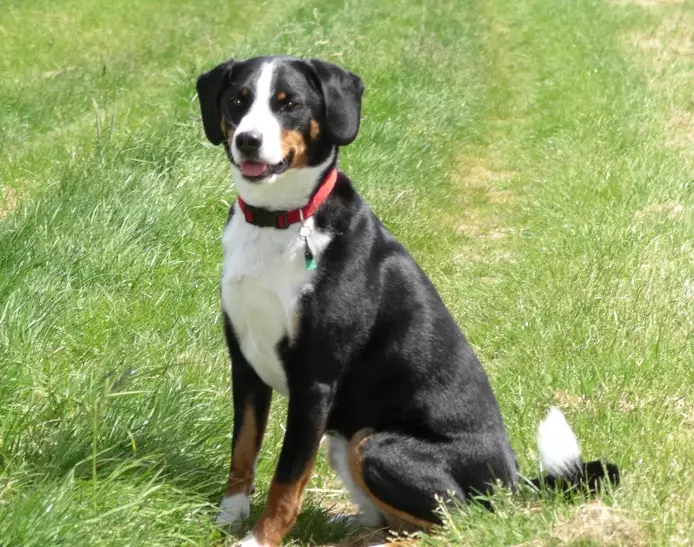
The 10-Minute Routine That Beats the Fur
Consistency beats marathon grooming sessions every month. Here's my daily/near-daily routine that keeps the fur apocalypse at bay.
Step 1: The Undercoat Assault (4 minutes)
Take your undercoat rake. Start at the neck and work back, following the direction of hair growth. Use gentle, firm strokes. You'll see mounds of soft, greyish undercoat coming out. Pay extra attention to the chest, behind the legs, and the flank. Don't press too hard; let the tool do the work.
Step 2: The Smooth-Over (3 minutes)
Switch to the slicker brush. Go over the entire coat again. This picks up what the rake left behind and leaves the topcoat looking neat and shiny. It's also great for checking for any small tangles or debris.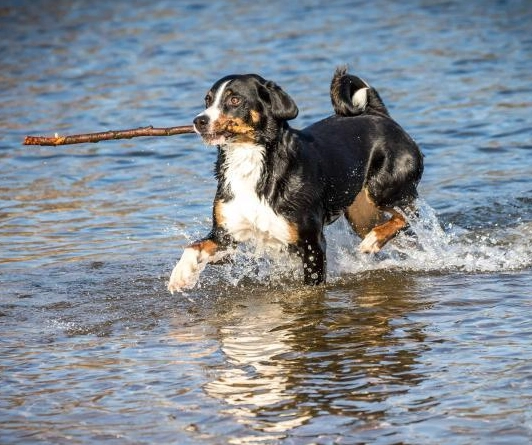
Step 3: The Clean-Up (3 minutes)
Do this outside if you can. If not, a tile floor is your friend. Use a rubber broom or a vacuum designed for pet hair (I swear by my cordless stick vac for quick daily pick-ups) to gather the fur mountain you've just created. It's instantly satisfying.
Ten minutes. That's less time than scrolling through social media. Do this 2-3 times a week, and you'll prevent the fur from ever reaching your sofa and clothes in significant quantities.
Beyond the Brush: Diet, Baths, and Home Defense
Grooming is frontline defense, but other factors play a supporting role.
Diet: A coat is only as healthy as what feeds it. A low-quality kibble full of fillers can lead to dry skin and brittle hair that sheds more readily. Look for a food with named meat proteins at the top of the list and a good source of Omega-3 and Omega-6 fatty acids (like fish oil). The American Kennel Club notes the importance of these nutrients for skin and coat health. You won't see less hair, but you'll see stronger, healthier hair that's less prone to breakage.
Bathing: Don't overdo it. Bathing too often strips natural oils. Every 6-8 weeks is plenty. The secret? A massive brushing session before the bath. Get all that loose undercoat out first. Then use a gentle, moisturizing shampoo. The bath will wash away the last of the loosened hair. That post-bath blow-dry with the high-velocity dryer is non-negotiable.
Home Tactics: Designate a "dog blanket" for your Appenzeller's favorite spot on the couch. Wash it weekly. Use a damp rubber glove to quickly wipe down upholstery—it grabs hair like magic. Consider an air purifier with a HEPA filter; it catches airborne dander and fine fur particles.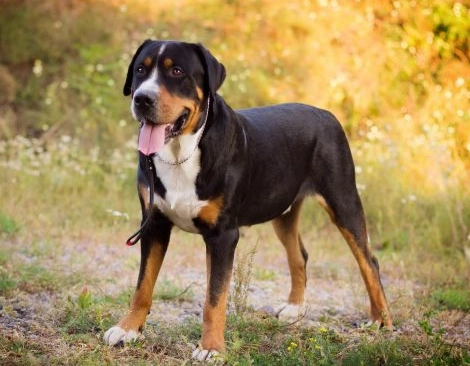
Surviving the Seasonal Coat Blow
Twice a year, for about 2-3 weeks, your normal routine will feel inadequate. The undercoat comes out in handfuls. This is normal. Don't panic.
During this time, I bump up the 10-minute routine to a daily 15-minute session. I might even do a quick pass with the undercoat rake in the morning and another at night. The key is to stay on top of it daily. Letting it go for a week means you'll be buried.
This is also the best time to consider a professional grooming session. A good groomer with an industrial dryer can do in an hour what might take you days, giving you a huge head start on the season.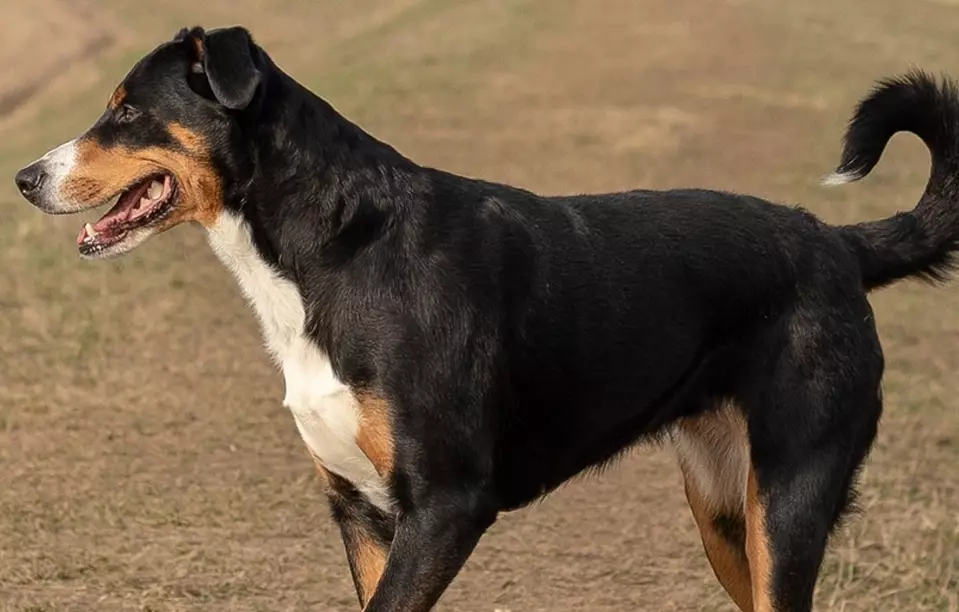
3 Common Mistakes Even Experienced Owners Make
After talking to other Appenzeller and double-coat dog owners, I see the same pitfalls.
1. Shaving the Coat. This is the cardinal sin. Shaving a double coat can ruin its insulating properties forever, leading to poor temperature regulation and sunburn. The coat may grow back patchy and weird. Never shave your Appenzeller.
2. Relying Solely on a "De-shedding" Shampoo. These shampoos can help loosen the undercoat during a bath, but they are utterly useless without the mechanical action of brushing before and after. They're an adjunct, not a solution.
3. Brushing Only the Top. You have to get to the undercoat. A quick once-over with a slicker brush on the surface does almost nothing. You must use the rake and get deep. Spend 80% of your grooming time on undercoat removal.
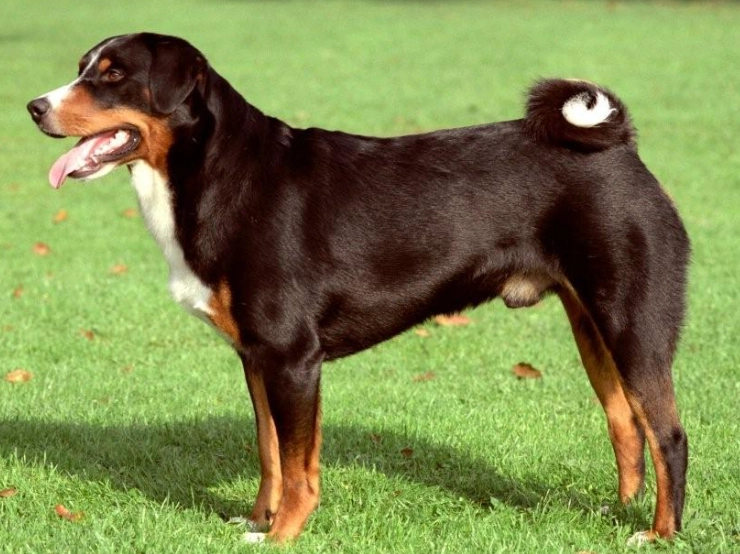
Living with an Appenzeller Sennenhund is a joy. Their energy, intelligence, and loyalty are worth every bit of extra effort. The shedding is just part of the package. See it not as a chore, but as ten minutes of bonding time with your dog. The payoff is a cleaner home, a healthier, more comfortable dog, and the privilege of sharing your life with one of the most vibrant working breeds out there. Now, go find that undercoat rake.
Reader Comments