What You'll Learn in This Guide
Let's cut to the chase. If you're searching for "Appenzeller sennenhund hypoallergenic," you're probably hoping this Swiss mountain dog is the magic solution for your allergies. I've been around dogs for over a decade, and here's the raw truth: no dog is 100% hypoallergenic, but the Appenzeller has some traits that might help. They shed moderately, produce dander like all dogs, and require specific care to minimize allergens. I once advised a friend with mild allergies who adopted an Appenzeller—she did okay with daily vacuuming, but her husband still sneezed occasionally. It's a mixed bag.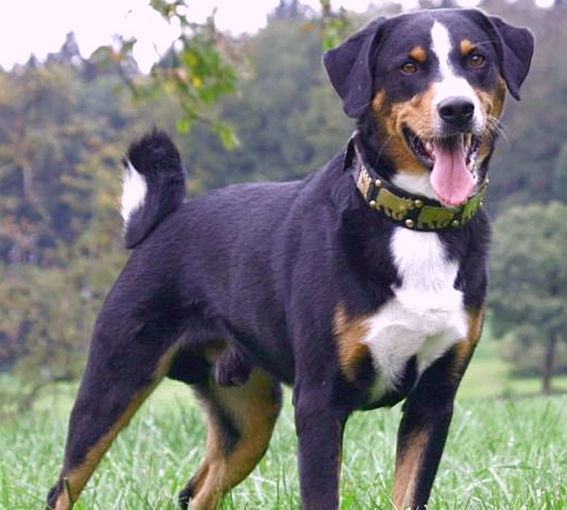
What Does Hypoallergenic Really Mean for Dogs?
Hypoallergenic is a buzzword that gets thrown around a lot. In dog terms, it usually means a breed produces fewer allergens, not none. Allergens come from dander (dead skin flakes), saliva, and urine. The American Kennel Club notes that no breed is completely hypoallergenic, but some, like Poodles, are better for sensitive people. With Appenzellers, you're dealing with a double-coated breed that sheds seasonally, which can spike dander levels.
Understanding Dog Allergens
Dander is the big culprit. It's tiny and airborne, so it spreads easily. Saliva sticks to fur when dogs lick themselves, and when that dries, it becomes airborne too. Appenzellers are active dogs, so they shed more when running around. I've seen homes where dander accumulates in corners if not cleaned regularly. It's not just about the dog; it's about your environment and how you manage it.
Is the Appenzeller Sennenhund Hypoallergenic?
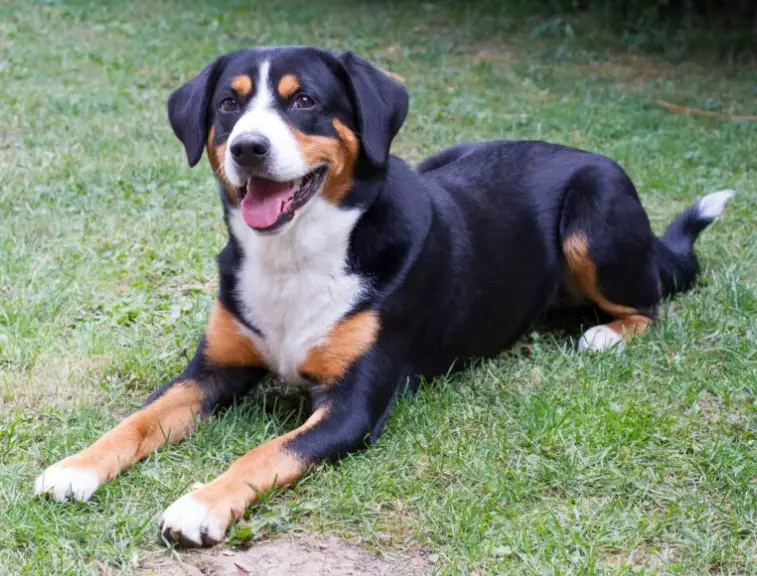
Short answer: not really, but it's not the worst choice. Appenzeller Sennenhunds have a short, dense double coat that sheds year-round, with heavier shedding in spring and fall. Compared to heavy shedders like Huskies, they're better, but they still produce dander. A common mistake is thinking their tri-color fur means less shedding—it doesn't. Fur color has zero impact on allergens.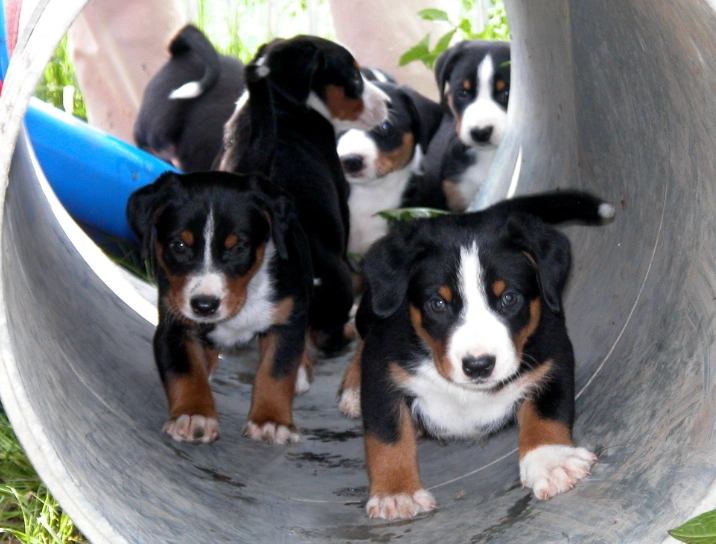
Coat Type and Shedding Patterns
Their coat is weather-resistant, which means it traps dander close to the skin if not groomed. Shedding peaks during seasonal changes. In my experience, brushing three times a week during these periods can reduce loose hair by about 50%, but you'll still find fur on your clothes. It's a commitment.
Comparing to Other Breeds
Let's put it in perspective. Here's a quick table based on my observations and data from sources like the AKC breed profiles.
| Breed | Shedding Level | Dander Production | Suitability for Allergy Sufferers |
|---|---|---|---|
| Appenzeller Sennenhund | Moderate | Medium | Fair, with strict grooming |
| Poodle | Low | Low | Good |
| Labrador Retriever | High | High | Poor |
| Bichon Frise | Low | Low | Good |
Appenzellers fall in the middle. They're not as allergy-friendly as Poodles, but they're better than many sporting breeds. If you're set on a Swiss dog, consider that Bernese Mountain Dogs shed more, while Appenzellers are more manageable.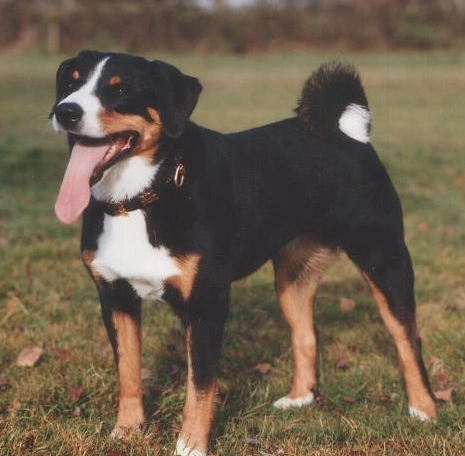
How to Care for an Appenzeller Sennenhund if You Have Allergies
This is where you can make a difference. Grooming isn't optional; it's essential. I've met owners who skip brushing, and their homes become allergy zones. Here's a routine that works.
Grooming Routine to Minimize Dander
Brush outside if possible, to keep dander out of your house. Use a slicker brush for the topcoat and an undercoat rake for the dense layer. Do this weekly, but during shedding seasons, make it every other day. Bathing every 6-8 weeks with a hypoallergenic shampoo helps, but don't overdo it—too much bathing strips natural oils and increases skin flaking. A tip: wipe your dog down with a damp cloth after walks to remove pollen and dust that can carry allergens.
Home Environment Tips
Create a dog-free bedroom. This gives you a safe space to sleep without allergens. Use HEPA air purifiers in living areas; I've found models like those recommended by allergy associations cut airborne dander by up to 80%. Vacuum daily with a HEPA-filter vacuum, and wash dog bedding in hot water weekly. Hard floors are easier to clean than carpets.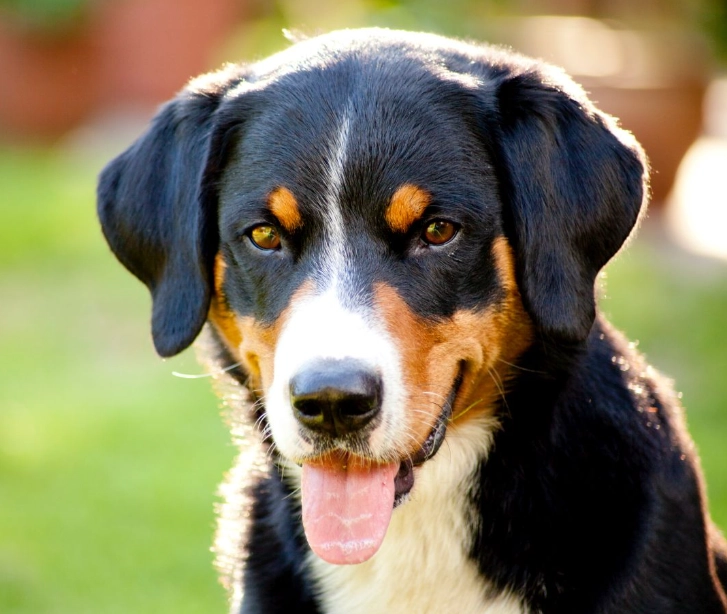
Personal note: My friend with the Appenzeller installed a good air purifier and saw her allergy symptoms drop significantly. It's an investment, but worth it.
Appenzeller Sennenhund Health and Temperament
Health issues can affect allergen levels. For example, skin conditions increase dander. Appenzellers are generally healthy, but prone to hip dysplasia and eye problems. Regular vet check-ups keep skin healthy, reducing flaking. Their temperament is energetic and loyal—they need lots of exercise, which means more dander dispersal if not managed.
Common Health Issues
Hip dysplasia is a concern; overweight dogs shed more dander. Keep your Appenzeller lean with a balanced diet. Eye issues like cataracts can lead to more face-rubbing, spreading saliva allergens. Work with a vet to monitor this.
Exercise and Training Needs
These dogs need at least an hour of vigorous exercise daily. Without it, they get bored and shed stress-related dander. Train them early to reduce anxiety—anxious dogs lick and shed more. I've seen well-trained Appenzellers that are calmer indoors, which helps allergy control.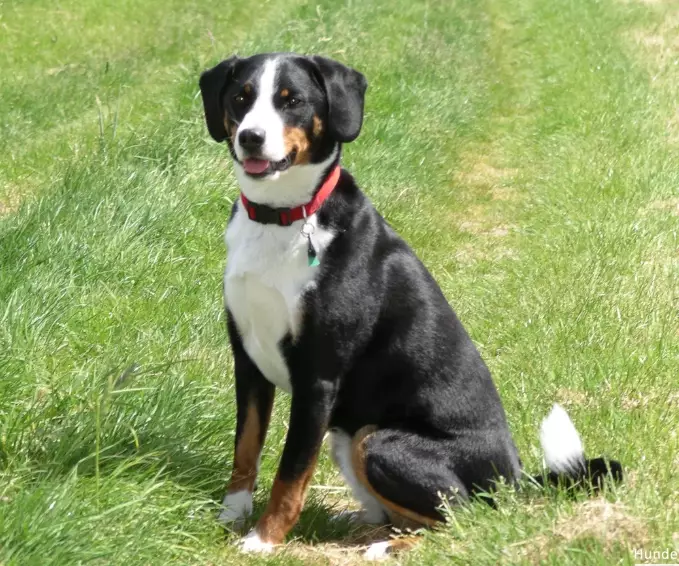
FAQ: Your Questions Answered
So, is the Appenzeller Sennenhund hypoallergenic? No, but with diligent care, it can work for some allergy sufferers. Focus on grooming, environment control, and regular health checks. If you're highly sensitive, test your reaction by visiting a breeder or rescue first. Dogs bring joy, but allergies shouldn't ruin your life. Make an informed choice.
Reader Comments