Let's cut right to the chase. You're probably here because you've heard the American Water Spaniel (AWS) is a "low-shedding" or even "hypoallergenic" dog. Maybe you're tired of vacuuming daily, or someone in your home has allergies. You're dreaming of a versatile hunting companion or family dog that won't coat your sofa in a layer of fur.
I've lived with and groomed American Water Spaniels for over a decade. The reality of their shedding is more nuanced—and honestly, more interesting—than a simple "yes" or "no." It's a story of a unique double coat, seasonal surprises, and some grooming habits that make all the difference. Getting this wrong can lead to mats, skin issues, and more hair around the house than you bargained for.
What You'll Learn Today
The Core Truth
The American Water Spaniel is a low-to-moderate shedder. They are not non-shedding. Their dense, curly to marcel (wavy) coat traps a lot of loose hair, which means it doesn't end up on your floor—it stays in the coat until you brush it out. This creates the illusion of very little shedding but demands consistent grooming. Neglect that grooming, and the shedding problem transforms into a painful matting problem.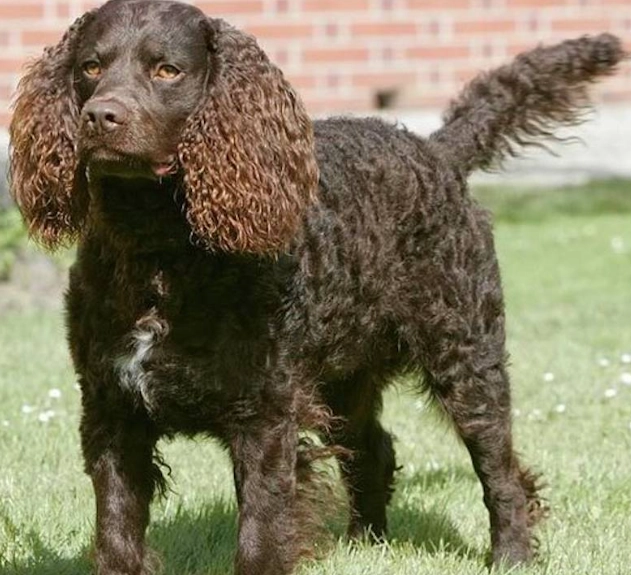
The American Water Spaniel's Coat: It's Not What You Think
To understand shedding, you have to understand the coat. The AWS sports a double coat, a feature crucial for its original job as a rugged water retriever in the chilly Great Lakes region.
The undercoat is dense, fine, and woolly. Its job is insulation, trapping body heat in cold water and air. This undercoat is the primary source of "shedding"—it's the hair that gets released as seasons change.
The outer coat (or guard hairs) is longer, and can range from tightly curled to a loose wave ("marcel"). This coat is water-repellent and protects the skin from brambles. The curl is key; it acts like a net, catching the shed undercoat hair before it can escape into your environment.
This is the first big misconception. People see the curls and think "poodle-like, non-shedding." But a Poodle has a single, continuously growing coat. The AWS has a double coat with a distinct undercoat that blows (sheds heavily) seasonally. The curls just hide the process.
When and How Much Do They Really Shed?
Shedding isn't constant. It's a cycle dictated by daylight and temperature changes. Living indoors with artificial lighting can blur these lines, but most AWS will still follow a general pattern.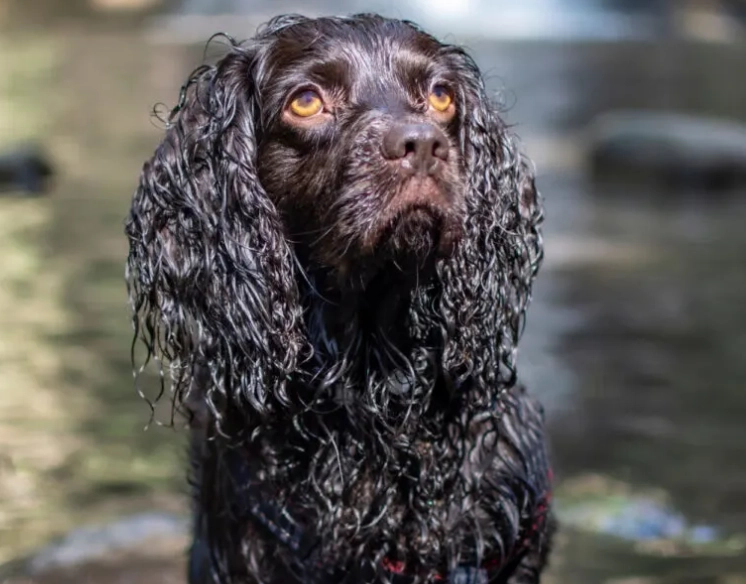
| Season | Shedding Intensity | What's Happening | Owner Action Required |
|---|---|---|---|
| Spring | High | "Coat blow." Shedding the thick winter undercoat to prepare for warmer weather. | Daily brushing for 1-2 weeks. A de-shedding tool is your best friend. |
| Summer | Low to Moderate | Maintaining a lighter coat. Some loose hair from the outer coat. | Weekly thorough brushing. |
| Fall | Moderate to High | Growing in the winter undercoat. Old hair makes way for new, denser growth. | Increase brushing to every other day. |
| Winter | Low | Coat is at its fullest. Minimal shedding as the insulation is needed. | Weekly brushing to prevent mats and distribute skin oils. |
I remember my first AWS, Finn. Every April, like clockwork, I'd start finding little tufts of woolly undercoat in his curls. If I didn't get them with a comb, they'd eventually felt together into small mats near his skin. That's the trap—the shedding is invisible until it becomes a problem.
Grooming Mastery: Tools and Techniques That Actually Work
Here's where most owners go wrong. They use a slicker brush and call it a day. A slicker brush only touches the surface of that dense AWS coat. You need tools that reach the skin.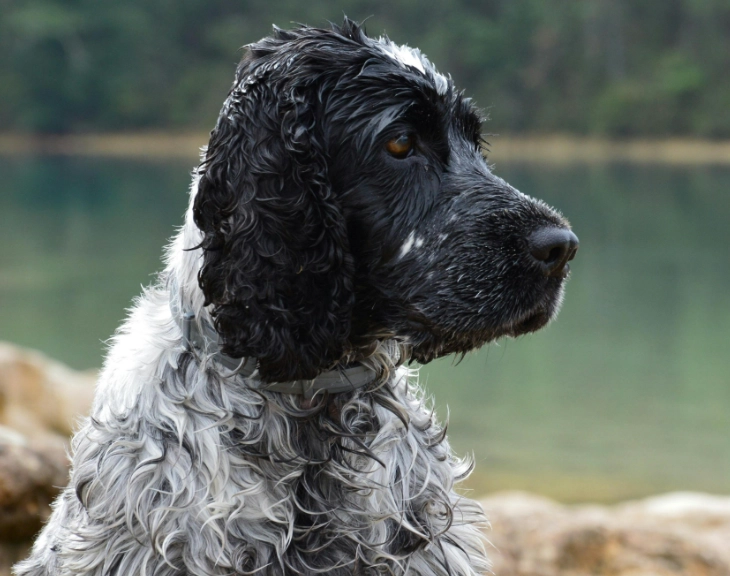
The Essential Tool Kit
A High-Quality Steel Comb: This is your diagnostic tool. Start with the wide-tooth end and work through to the fine-tooth end. If it doesn't glide through the hair from skin to tip without resistance, you have a tangle or mat starting. Non-negotiable.
A Pin Brush or a Undercoat Rake: For regular maintenance. The pins need to be long enough to reach through the outer coat to the undercoat. An undercoat rake (like the ones from Chris Christensen or similar) is fantastic during shedding season to pull out the loose undercoat without damaging the topcoat.
A De-Shedding Tool (like a Furminator-style tool): Use with caution. These are excellent for seasonal coat blows, but overuse can damage the guard hairs. Limit use to heavy shedding periods and don't press too hard.
The Technique: Section and Conquer
Don't just brush the back. Work in sections, especially on the feathering (longer hair) behind the legs, under the ears, and around the neck. Lift the top layer of curls and brush the undercoat beneath. This is the only way to prevent the hidden mats that form close to the skin.
Spritz the coat lightly with a conditioning spray or a mix of water and a drop of conditioner before brushing. It prevents breakage and makes the process easier.
Beyond Brushing: Diet, Baths, and Home Management
Grooming isn't just external. The health of the skin and coat starts from within.
Diet: A high-quality diet rich in animal proteins and Omega-3 fatty acids (from fish oil) promotes healthy skin and a strong coat. A poor diet can lead to dry, flaky skin and increased, brittle shedding. It's not an old wives' tale—I've seen dramatic improvements in coat texture and shedding reduction after switching a dog to a better food.
Bathing: Less is more. Over-bathing strips the natural oils that protect the coat and skin, potentially causing dryness and irritation. Every 6-8 weeks is usually sufficient unless they've rolled in something awful. Always use a dog-specific shampoo and a good conditioner. A conditioner helps the curls clump nicely and makes post-bath brushing easier.
The 10-Minute Rule: Set a timer. Ten minutes of focused, effective brushing every other day is infinitely better than a stressful hour-long session once a month. Do it outside if you can, and you've just solved 90% of your indoor hair problem.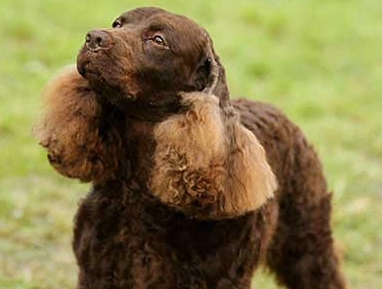
The Allergy Reality Check
This is critical. The term "hypoallergenic" is a marketing dream, not a medical reality. Allergies are primarily triggered by proteins in dog dander (dead skin flakes), saliva, and urine, not hair itself.
Because the AWS sheds less hair, it releases less dander into the air. That's the logic. However, they still produce dander. Their oily coat can also trap pollen and other outdoor allergens, which they then bring inside.
If allergies are a serious concern, there is no substitute for spending multiple hours with an American Water Spaniel before bringing one home. Reactions are highly individual.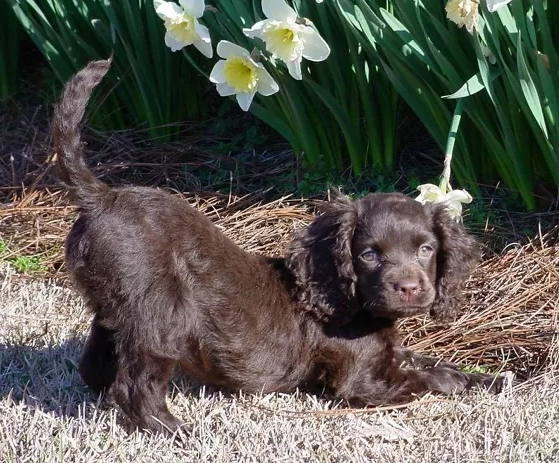
Your Shedding Questions, Answered
How much does an American Water Spaniel actually shed compared to a Labrador?
It's not even close. An American Water Spaniel sheds significantly less than a high-shedding breed like a Labrador. While you'll still find some hair, especially during seasonal changes, it's more of a light dusting versus the constant tumbleweeds a Lab produces. The AWS's tight, curly undercoat traps a lot of the loose hair until you brush it out.
What's the biggest grooming mistake owners make with an AWS coat?
Using the wrong brush or not brushing down to the skin. A slicker brush glides over the top of those curls. You need a pin brush or a metal comb that can penetrate the dense undercoat. If you only surface brush, you're creating a perfect matting scenario—the top looks fine while a hidden, tight mat forms against the skin, which is painful to remove later.
My AWS's fur seems to be felting or matting close to the skin. What do I do?
First, don't panic and don't pull. Spritz the mat generously with a detangling spray or a 50/50 mix of water and conditioner. Use your fingers to gently try and pry the edges apart. Then, take a fine-tooth steel comb and start working at the very bottom edge of the mat, not the top. Work tiny sections at a time. If the mat is large or tight, it's time to call a professional groomer. Trying to cut it out yourself is a great way to accidentally cut your dog's skin.
Will shaving my American Water Spaniel reduce shedding?
This is a terrible idea. Shaving a double-coated breed like the AWS can permanently damage the coat's texture and its ability to regulate temperature. The undercoat may grow back thicker and more prone to matting, while the guard hairs grow back slower and patchy. You also expose their skin to sunburn. You might think you're solving a shedding problem, but you're creating a host of coat health problems that could last a lifetime.
What's the single most effective thing I can do to control AWS shedding in my house?
Establish a consistent, thorough brushing routine outside your home. Ten minutes of proper brushing every other day is far more effective than a frantic hour once a month. Brushing outside captures the hair before it ever enters your living space. Pair this with a high-quality diet rich in Omega fatty acids to support skin and coat health from the inside out.
So, is the American Water Spaniel the right low-shedding dog for you? If you're willing to trade daily vacuuming for a dedicated, knowledgeable grooming routine every few days, then absolutely. Their shedding is manageable, but it's not zero-maintenance. The reward is a loyal, energetic companion with a uniquely beautiful coat that, with the right care, will keep your home relatively hair-free and your dog happy and healthy.
Ignore the grooming, and you'll have a matted, uncomfortable dog and more hair around than you expected. Embrace it as part of the bond, and you'll have a gleaming, healthy AWS who's a joy to live with. The choice, and the brush, are in your hands.
Reader Comments