You see them in handbags, starring in Instagram photos, and trotting down the street with a confidence that belies their four-pound frame. The Yorkshire Terrier. To the uninitiated, they're a cute accessory. But anyone who's lived with one knows the truth: inside that silky, show-stopping coat is the heart of a lion and the mind of a clever, sometimes mischievous, puzzle-solver. I've shared my home with Yorkies for over a decade, and let me tell you, they rewrite the rulebook on small dogs. This guide isn't about listing breed standards you can find anywhere. It's about what it's actually like to live with one, the mistakes I've seen owners make (and made myself), and how to help your Yorkie live its longest, happiest life.
In This Guide: Your Yorkshire Terrier Roadmap
- From Rat-Catcher to Aristocrat: History & The Real Yorkie Temperament
- The Grooming Dilemma: Show Coat vs. Puppy Cut & Daily Care
- The Training Challenge: How to Work With a Big-Dog Personality
- A Health Deep Dive: Proactive Care Beyond the Vet Visit
- Is a Yorkshire Terrier Right For Your Life?
- Yorkie Owner FAQs: Real Questions, Expert-Tested Answers
From Rat-Catcher to Aristocrat: History & The Real Yorkie Temperament
It's a classic rags-to-riches story. In the mid-19th century, Scottish weavers migrating to Yorkshire, England, brought along small, tough terriers—likely Clydesdale Terriers and Paisley Terriers—to control rats in the mills. These weren't pampered pets; they were working dogs. Through selective breeding, they were miniaturized and their distinctive blue and tan coat was refined, eventually captivating Victorian high society. The Kennel Club (UK) recognized the breed in 1886.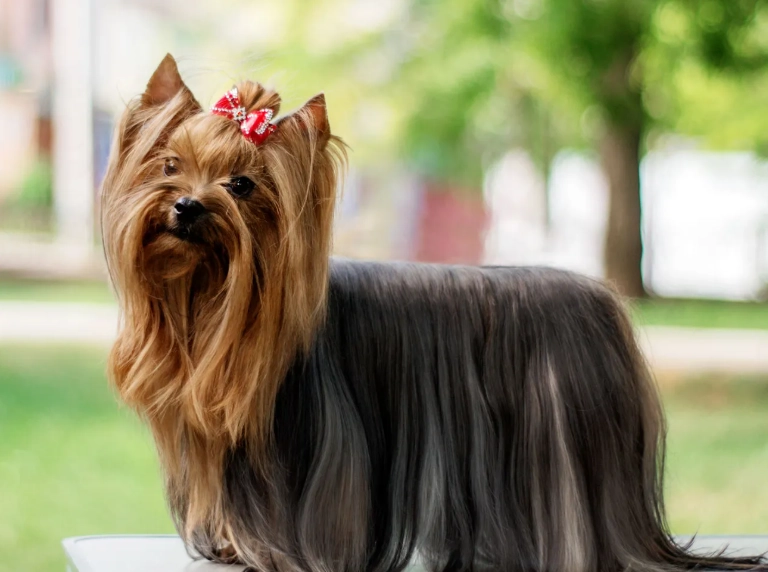
That working-class terrier spirit never left. This is the first thing new owners misunderstand. You're not getting a passive stuffed animal.
The Yorkie Personality, Unvarnished: They are fiercely loyal, often bonding intensely with one person. They're incredibly alert and will announce any visitor, leaf blowing by, or suspicious shadow—making them excellent watchdogs, if sometimes noisy ones. They're playful and can be surprisingly athletic. And yes, they can be stubborn. That terrier independence means they think for themselves. If they don't see the point in your command, they might just ignore you.
I remember my first Yorkie, Baxter. He learned "sit" in three repetitions. He also decided that "come" was merely a suggestion when he was exploring an interesting smell in the yard. Training isn't optional; it's essential for managing that big personality in a small body.
The Grooming Dilemma: Show Coat vs. Puppy Cut & Daily Care
That glorious, floor-length coat is the breed's signature. It's also a part-time job. The Yorkie coat is hair, not fur—it grows continuously like human hair and is often celebrated as hypoallergenic because it sheds minimally. But here's the non-consensus part: the "hypoallergenic" label is misleading for allergy sufferers. Allergies are primarily triggered by a protein in dog dander (dead skin cells) and saliva, not hair itself. While less shedding can mean less dander in the air, a Yorkie still produces it. Spend time with one before committing if you have allergies.
You have two main paths for coat care:
The High-Maintenance Route: The Full Show Coat
This requires daily commitment. You'll need to brush the entire coat with a slicker brush and fine comb to the skin every single day to prevent tangles and mats, which form shockingly fast and can pull on the skin, causing pain and infection. The hair is typically wrapped in soft papers or oiled and put up in wraps to protect it. This is a lifestyle choice for the dog and owner. For most pet owners, it's impractical.
The Practical Reality: The Puppy Cut (or Any Short Clip)
This is the choice for 95% of pet owners. A professional groomer clips the body hair short (e.g., 1/2 inch to 1 inch) every 4-6 weeks, leaving the head, tail, and legs slightly longer for that classic look. It's adorable, functional, and reduces daily brushing to a quick 5-minute session. It keeps them cool and clean. Anyone who tells you a short clip ruins the coat is repeating an old myth. The hair grows back just fine.
Other non-negotiable grooming: Weekly ear cleaning to prevent infections (those hairy, floppy ears trap moisture), and most critically, daily tooth brushing. We'll get to why this is a life-or-death matter in the health section.
The Training Challenge: How to Work With a Big-Dog Personality
Small dog syndrome isn't a myth—it's a human-created condition. When a Great Dane jumps, it's a problem. When a Yorkie jumps, it's "cute." When a big dog barks, you correct it. When a Yorkie yaps, you pick it up and cuddle it. See the problem? You must treat them like the dog they are, not a baby.
Training Pillars for a Yorkie:
- Socialization is Everything: Expose them positively to various people, dogs, sounds, and surfaces during their key puppy period (before 16 weeks). A well-socialized Yorkie is a confident, adaptable companion. An unsocialized one can become a fear-biter.
- Use Positive Reinforcement, Exclusively: Harsh corrections will break their spirit or make them defensive. Use high-value treats (tiny pieces of chicken, cheese), praise, and play. They're smart and food-motivated.
- Prioritize These Commands: Recall (“come”) for safety. Leave it to prevent them from picking up dangerous items. Potty training requires extreme consistency—take them out first thing in the morning, after meals, after play, and before bed. Crate training is a huge help.
- Address Barking Intelligently: Don't just yell "Quiet!". Identify the trigger. Is it boredom? Provide a puzzle toy. Is it the mailman? Manage the environment by closing blinds. Teach a "quiet" command by rewarding moments of silence.

A Health Deep Dive: Proactive Care Beyond the Vet Visit
Yorkies are generally long-lived (12-15 years is common), but they have specific, breed-centric vulnerabilities. Being proactive is your best defense.
| Health Concern | What It Is | Proactive Prevention Tips |
|---|---|---|
| Dental Disease | The #1 issue. Crowded teeth lead to rapid tartar, gum disease, and tooth loss. | DAILY brushing with dog toothpaste. Annual vet dental checkups. Dental chews as a supplement, not a replacement. |
| Patellar Luxation | The kneecap slips out of place, causing a skipping gait or limp. | Maintain a healthy weight to reduce joint stress. Avoid letting them jump from high furniture (use ramps). |
| Tracheal Collapse | A weakening of the windpipe rings, causing a honking cough. | Use a harness, never a collar that pulls on the neck. Manage weight. Avoid irritants like smoke. |
| Portosystemic Shunt (PSS) | A liver defect where blood bypasses the liver, causing toxins to build up. | A reputable breeder will screen for this. Symptoms include stunted growth, seizures, or disorientation—see a vet immediately. |
| Hypoglycemia | Dangerously low blood sugar, especially in puppies and tiny adults. | Feed small, frequent meals (3-4x/day for puppies). Always have a sugar source (like honey or Karo syrup) on hand for emergencies (lethargy, wobbliness). |
Find a vet experienced with toy breeds. Their small size means drug dosages and anesthesia protocols are critical. According to the American Veterinary Medical Association (AVMA), preventive care and early detection are key for long-term health in all pets.
Is a Yorkshire Terrier Right For Your Life?
Let's be brutally honest. A Yorkie is NOT a good fit if:
- You want a low-maintenance, "wash-and-wear" dog.
- You have very young children who might handle them roughly (they are fragile).
- You are gone for 8-10 hours a day regularly; they thrive on companionship and can develop separation anxiety.
- You desire absolute quiet.
A Yorkie IS a fantastic companion if:
- You want an energetic, engaging, and loyal shadow.
- You live in an apartment or have limited space (but still commit to daily walks/play).
- You enjoy grooming or are willing to budget for regular professional grooms.
- You're home a fair amount or can take them with you (they are great travelers).

Yorkie Owner FAQs: Real Questions, Expert-Tested Answers

Choosing a Yorkshire Terrier is choosing a dynamic, demanding, and deeply rewarding partnership. They'll make you laugh, test your patience, and fill your home with a disproportionate amount of personality. Do your homework, find a responsible breeder who health-tests their breeding stock, or consider a rescue. With the right preparation, you won't just get a pet—you'll gain a tiny, tenacious, silk-coated member of the family.
Reader Comments