If you're drawn to unique dogs, the Basenji black might have caught your eye. It's not just another pet—it's a rare breed with a personality that's equal parts independent and affectionate. I've owned a Basenji named Shadow for five years, and let me tell you, it's been a journey of surprises. This guide dives deep into what makes these dogs special, from their history to daily care, and I'll share some insights you won't find in most articles.
What You'll Find in This Guide
What is a Basenji Black?
The Basenji black refers to the black-colored variety of the Basenji breed, known for its sleek coat and elegant appearance. Unlike many dogs, Basenjis don't bark—they make unique yodel-like sounds. The black coat is one of several colors, but it's less common than the classic red or brindle. According to the American Kennel Club (AKC), Basenjis are part of the hound group, originally bred in Central Africa for hunting.
When I first got Shadow, I assumed all Basenjis were similar, but the black ones tend to have a more striking look that turns heads at the park. Their coat is short and glossy, requiring minimal grooming, but there's a catch: they shed seasonally, and black hair shows up on everything. If you have light-colored furniture, be prepared for some extra vacuuming.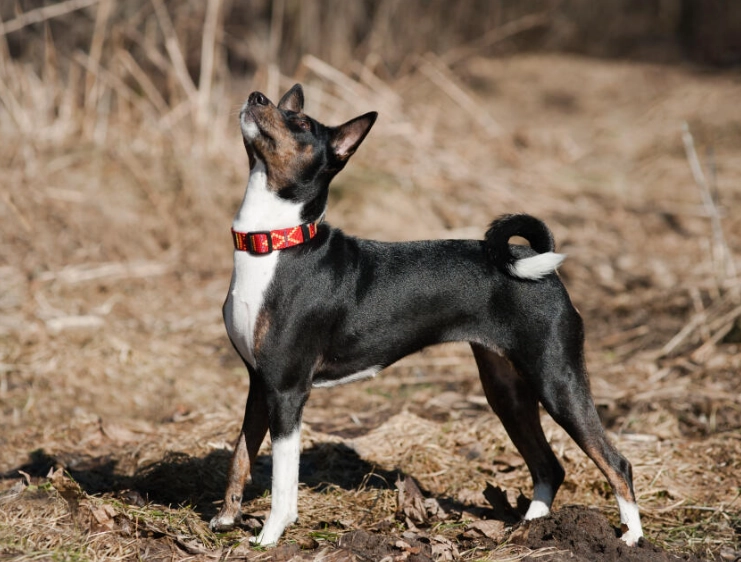
History and Origin of the Basenji
Basenjis are ancient dogs, with origins tracing back to Egypt and Congo. They were valued by African tribes for their hunting skills and quiet nature. The breed was introduced to Europe in the 1930s and later to America. The black variety emerged through selective breeding, but it's not a separate breed—just a color mutation.
One thing most articles miss: Basenjis weren't just silent hunters; their independence came from needing to make quick decisions in the wild. This trait still shows today. Shadow often ignores commands if he's not in the mood, something new owners might find frustrating.
Physical Traits of the Black Basenji
Black Basenjis share the same build as other colors. They're medium-sized dogs, weighing 22-24 pounds and standing about 16-17 inches tall. Their coat is short, fine, and lies close to the body, with the black color being solid and sometimes accompanied by white markings on the chest, feet, or tail tip.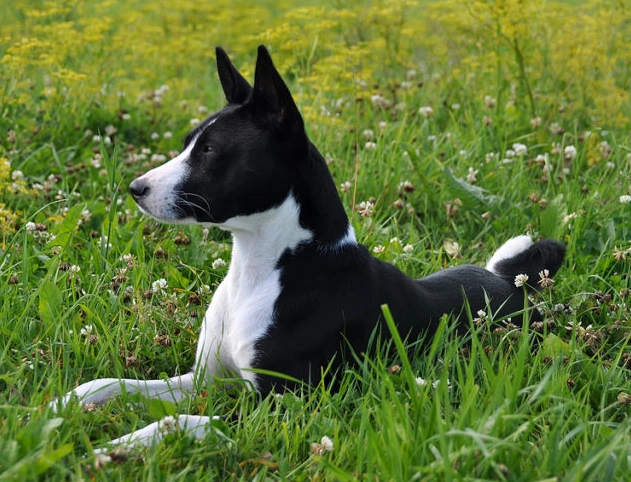
Here's a quick overview of key traits:
| Trait | Description |
|---|---|
| Coat Color | Solid black, may have white accents |
| Coat Type | Short, smooth, low-shedding but not hypoallergenic |
| Size | 22-24 lbs, 16-17 inches tall |
| Lifespan | 12-14 years on average |
| Distinct Features | Curled tail, wrinkled forehead, almond-shaped eyes |
The black coat can make them prone to overheating in direct sun, so I always keep Shadow in the shade during summer walks. It's a small detail that many owners overlook until their dog gets too warm.
Personality and Behavior
Basenjis are often described as cat-like: independent, curious, and clean. They're intelligent but stubborn, which makes training a challenge. Shadow learned basic commands quickly, but he'll only obey if there's a treat involved. This breed is not for first-time dog owners who expect eager-to-please behavior.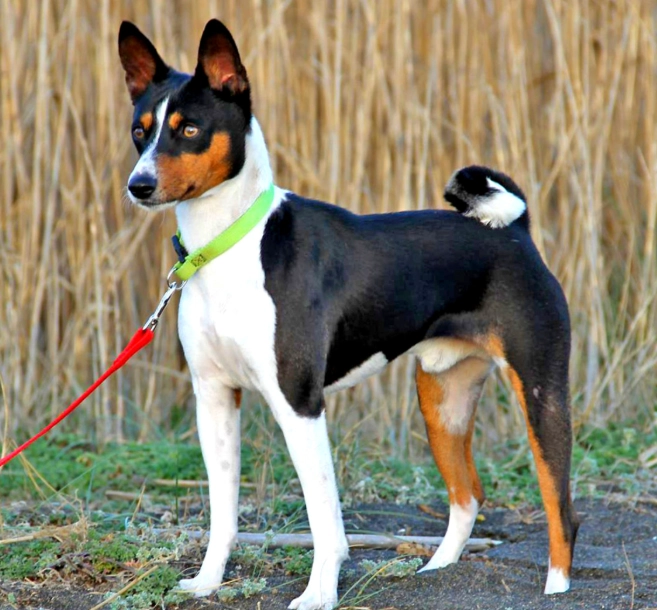
They have high energy levels and need plenty of exercise. Without it, they can become destructive—chewing furniture or digging holes. I've seen many Basenjis rehomed because owners underestimated their need for mental stimulation. Puzzle toys and agility training work wonders.
Socialization is key. Basenjis can be aloof with strangers and may not get along with small pets due to their hunting instincts. Early exposure to different people and animals helps, but don't expect them to be cuddly lap dogs. Shadow prefers to sit nearby rather than on my lap.
How to Care for Your Basenji Black
Caring for a Basenji black involves a balance of physical activity, proper diet, and minimal grooming. Here's a breakdown based on my experience.
Diet and Nutrition
Basenjis have sensitive stomachs. I feed Shadow a high-quality dry kibble with real meat as the first ingredient, avoiding fillers like corn or wheat. He gets about 1 cup of food split into two meals daily. Treats should be limited; these dogs gain weight easily if overfed.
A common mistake: feeding table scraps. Basenjis can develop food allergies, leading to skin issues. Stick to a consistent diet and consult your vet for recommendations.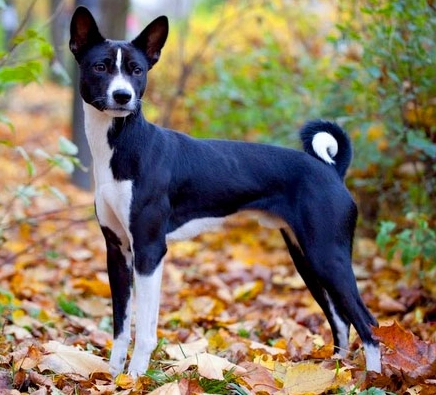
Exercise Needs
These dogs need at least 60 minutes of exercise daily. We do brisk walks in the morning and evening, plus a weekend hike or run in a fenced yard. Basenjis are escape artists, so never let them off-leash in unsecured areas. Shadow once jumped a 4-foot fence chasing a squirrel—it took hours to find him.
Mental exercise is just as important. I use interactive toys that dispense treats, and we practice new tricks weekly. Without this, they get bored and mischievous.
Grooming and Shedding
Grooming is straightforward: brush once a week with a soft bristle brush to remove loose hair and distribute skin oils. Bathing should be infrequent—every 2-3 months—to avoid drying out their skin. Use a mild dog shampoo.
The black coat does shed, especially during seasonal changes. Regular brushing helps, but expect some hair around the house. I use a lint roller on my clothes before heading out.
Pro Tip: Check their ears weekly for dirt or infection, and trim nails every few weeks. Basenjis are prone to dental issues, so brush their teeth regularly or provide dental chews.
Common Health Issues to Watch For
Basenjis are generally healthy, but they have some breed-specific concerns. From talking to other owners and vets, here are the top issues:
- Fanconi Syndrome: A kidney disorder that affects nutrient absorption. Symptoms include excessive drinking and urination. It's manageable with early detection and diet changes.
- Hypothyroidism: Can cause weight gain and lethargy. Regular blood tests help monitor this.
- Progressive Retinal Atrophy (PRA): Leads to vision loss over time. Reputable breeders screen for it.
- Hip Dysplasia: Less common but possible. Keep your dog at a healthy weight to reduce risk.
Shadow was diagnosed with mild Fanconi at age 4, and with a special diet, he's doing fine. The key is regular vet check-ups—at least once a year.
Many online sources downplay these risks, but being proactive saves a lot of trouble later. Ask your breeder for health clearances from organizations like the Orthopedic Foundation for Animals (OFA).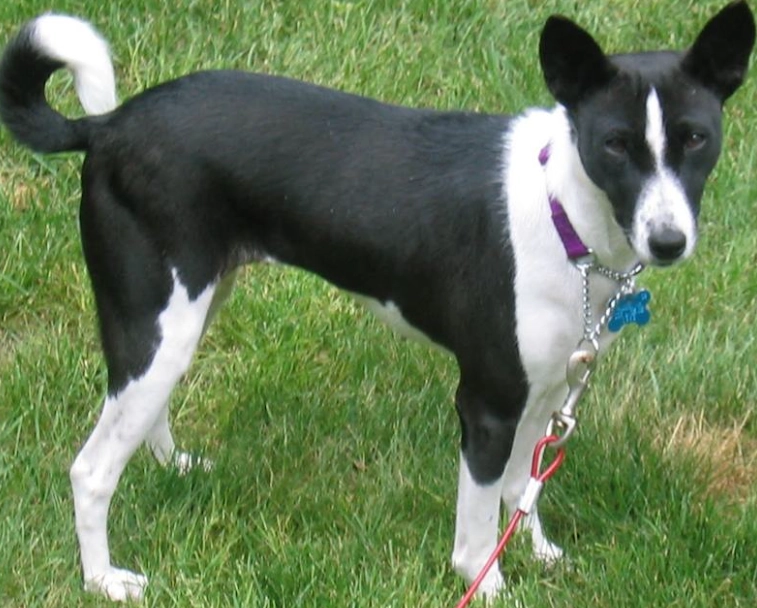
Frequently Asked Questions
Wrapping up, the Basenji black is a fascinating breed that rewards dedicated owners. They're not for everyone, but if you appreciate independence and have the time for their needs, they make loyal companions. Shadow has taught me patience and the joy of a dog who thinks for himself. For more details, check resources like the Basenji Club of America or consult with a breed-specific veterinarian.
Reader Comments