You see a stunning, jet-black Boxer trotting through the park. It looks powerful, sleek, and a bit mysterious. Your first thought might be, "Is that a purebred Boxer? I thought they were only fawn or brindle." You're not alone. The Boxer Black is one of the most misunderstood and talked-about variations in the breed. Let's cut through the myths right away. A truly solid black coat in a purebred Boxer is exceptionally rare and is not a recognized standard color by major kennel clubs like the American Kennel Club (AKC) or The Boxer Club. What you're usually looking at is either a very dark brindle that appears black from a distance, or a dog with a specific genetic makeup that includes non-Boxer ancestry. This guide isn't about gatekeeping; it's about giving you the real, unvarnished facts so you can make informed decisions, whether you're just curious, looking to adopt, or already own a dark-coated Boxer.
What's Inside This Guide?
How Does the Black Boxer Coat Happen? (Genetics Simplified)
Forget the complex science journals. Here’s the simple breakdown. Purebred Boxers have a limited color gene pool. The standard colors are fawn and brindle. Brindle means dark tiger stripes over a fawn background. A "black Boxer" is almost always a "reverse brindle" or "seal brindle." This happens when the brindle striping is so intense and dense that the fawn background barely shows, creating a dog that looks black or very dark charcoal, especially in certain lights. In sunlight, you'll often see subtle reddish or fawn hairs on the legs or cheeks.
Now, for a truly solid black coat, a dog needs two recessive "black" (K-locus) genes. This gene is not present in the purebred Boxer gene pool. If a Boxer appears solid black, it likely has another breed in its recent ancestry, like a Labrador, Rottweiler, or Mastiff. This isn't a value judgment on the dog—it can be a wonderful pet—but it's a crucial fact for breed purists and for understanding potential health and temperament mixes.
The Color Spectrum: From Fawn to "Black"
Let's visualize the range. It's not just fawn, brindle, black.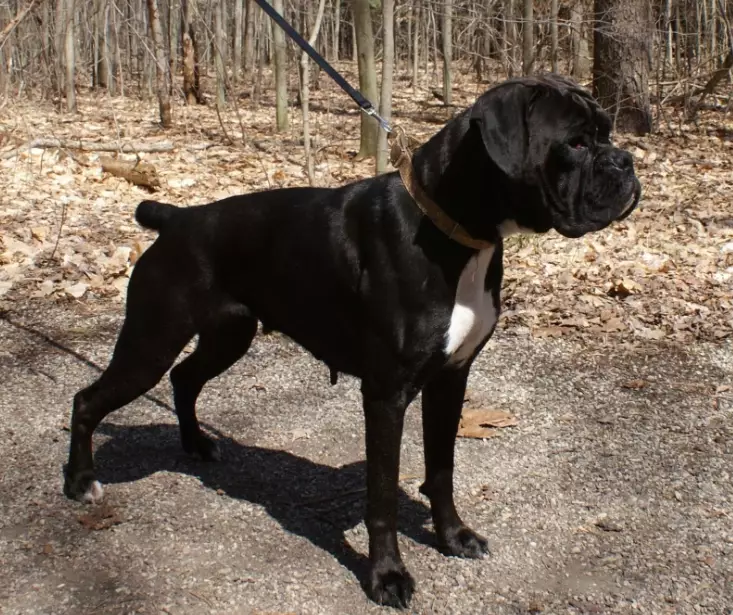
| Coat Type | What It Actually Looks Like | Genetic Basis | AKC Standard? |
|---|---|---|---|
| Fawn | Light tan to rich deer-red. Can have a black mask. | Standard Boxer genetics. | Yes |
| Traditional Brindle | Clear, distinct dark stripes on a fawn background. | Standard Boxer genetics. | Yes |
| Reverse/Seal Brindle (The "Boxer Black") | Appears black or dark gray. In sun, shows faint fawn undertones. | Heavy, dense brindling within pure Boxer lines. | Yes (as a brindle) |
| Solid Black | Jet black with no visible brindling or fawn hints. | Requires non-Boxer ancestry (e.g., Labrador gene). | No |
| White Boxer | Mostly white, may have patches of color. | Purebred, but associated with deafness risk. | No (disqualified) |
Black Boxer Health: What's Different, What's Not
Here's a critical point many miss: coat color itself does not cause health problems. The genes linked to certain colors can be associated with other issues. For a reverse brindle (the common "black" Boxer), there's no evidence it's any more or less healthy than a light fawn Boxer. They share the same breed-specific risks.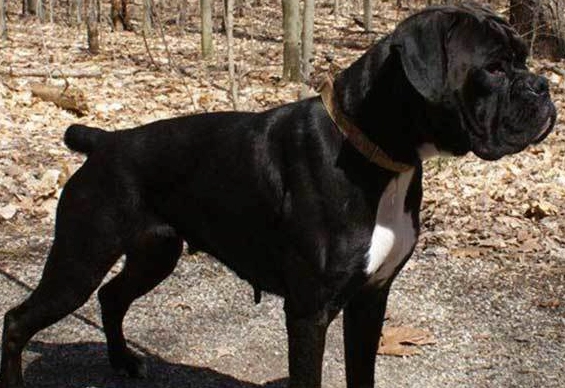
However, for a solid black dog from mixed ancestry, health becomes less predictable. You're blending gene pools. You might reduce the risk of some purebred Boxer issues but potentially introduce others from the other parent breed. The core Boxer health checklist remains essential for any dark-coated dog:
- Cardiac Issues: Boxers are prone to arrhythmogenic right ventricular cardiomyopathy (ARVC). A yearly cardiac exam by a vet familiar with the breed is non-negotiable.
- Hypothyroidism: Common. Symptoms include weight gain, lethargy, and skin problems. Simple blood test.
- Bloat (GDV): The big one. A life-threatening stomach torsion. Feed smaller meals, avoid exercise around feeding, know the emergency signs.
- Cancer: Sadly, high rates. Mast cell tumors, lymphoma. Regular skin checks and vet visits are key.
- Heat Sensitivity: This is where coat color can play a role. A dark coat absorbs more heat. My own reverse brindle, Duke, pants noticeably faster on a hot day than my friend's fawn Boxer. You must be extra vigilant in summer, providing shade, water, and limiting midday exercise.
Daily Care & Grooming for a Dark-Coated Boxer
Good news: Boxers are low-maintenance shedders, regardless of color. The bad news? That short hair seems to embed itself into every fabric. A black coat has two visual quirks: it shows dandruff and dust more easily, and it can get a reddish "sun-bleached" look on the back if overexposed.
Your grooming kit doesn't need to be fancy:
- A Rubber Curry Brush (like a Kong ZoomGroom): The absolute best tool. Use it weekly during bath time to massage in shampoo (great for their skin) and daily for 2 minutes to grab loose hair and distribute skin oils. It makes their coat shine.
- Bathing: Every 4-6 weeks, or when they get that "dog smell." Use a gentle, oatmeal-based shampoo to avoid drying out their skin. The dark coat will look spectacular when clean.
- Nail, Ear, Dental: Standard procedure. Trim nails every 2-3 weeks, check ears weekly for wax, brush teeth several times a week. Color doesn't change this.
Training & Temperament: Debunking the Color Myths
Let's bust this myth permanently: There is no correlation between coat color and personality in dogs. The idea that black dogs are more aggressive or aloof is a harmful superstition. A Boxer's temperament is shaped by genetics (from its specific parents), socialization, and training.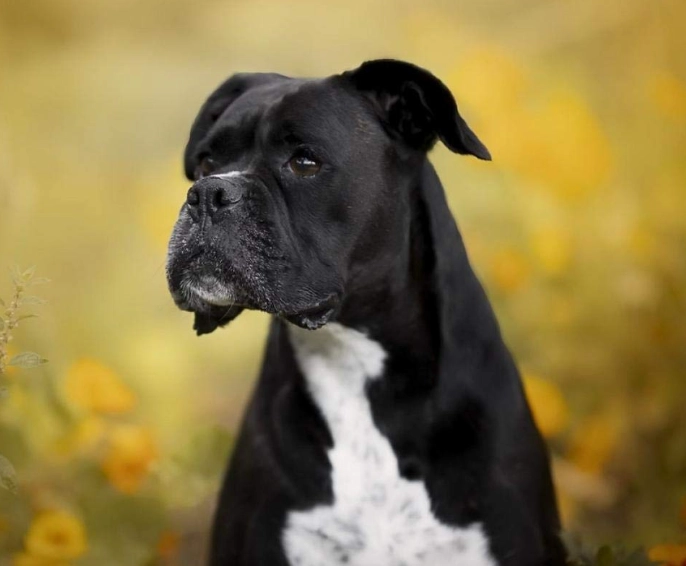
A well-bred Boxer, whether fawn, brindle, or dark reverse brindle, should exhibit the classic breed temperament: playful, energetic, loyal to their family, patient with kids (with proper training), and often a bit clownish. The challenge with any Boxer is channeling their boundless energy and intelligence.
My dark brindle Duke was a stubborn teenager. The key wasn't treating him differently because of his color; it was understanding the breed. We succeeded with:
- High-Value Treats: Forget basic kibble. Use small pieces of boiled chicken, cheese, or liver. They're smart and need motivation.
- Short, Fun Sessions: Five minutes of focused training, three times a day, beats one grueling 30-minute session.
- Socialization, Not Just Exposure: It's not just about meeting other dogs. It's about positive experiences with different people, surfaces, sounds, and environments before 16 weeks old. This is the single biggest factor in preventing fear-based behaviors later.
Finding a Black Boxer Puppy: A Responsible Approach
If your heart is set on a dark reverse brindle Boxer, please proceed with extreme caution. This specific color can attract unethical breeders.
Red Flags: - A breeder who advertises "rare black Boxers" at a premium price. - No health testing on parents (OFA cardiac, thyroid, hip exams). - Won't let you meet the mother dog. - Has multiple litters available at once. - Pressures you to pay a deposit online without questions.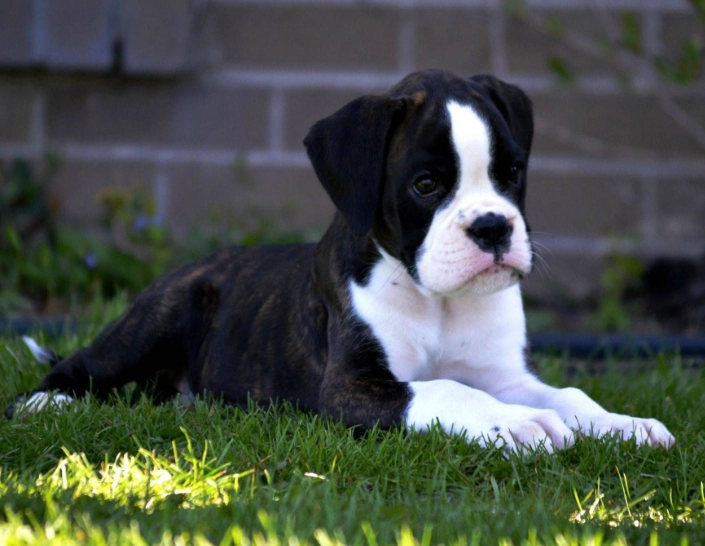
The Right Way: 1. Contact the American Boxer Club. Get a list of member breeders. These folks live and breathe the breed standard and health. 2. Be clear but flexible. Tell them you admire the dark reverse brindle coloration but that health and temperament are your top priorities. A good breeder will respect this and may have a planned litter where that color is possible. 3. Consider Rescue. Boxer rescues often have stunning dark brindles and black mixes of all ages. You're giving a home to a dog in need, and you can often find a young adult whose personality is already evident.
Adopting my first Boxer mix (who was black) from a rescue was the best decision I ever made. He wasn't "pure," but he was 100% perfect for our family.
Your Black Boxer Questions, Answered
Are black Boxers more aggressive or harder to train than other colors?
No, that's a complete myth with no scientific basis. Aggression and trainability are linked to genetics (from the specific parents), early socialization, training methods, and individual personality. A poorly socialized fawn Boxer will have more issues than a well-raised dark brindle. Focus on the breeder's reputation and the puppy's upbringing, not the coat.
My "black Boxer" puppy has little white markings on its chest and paws. Does that mean it's not purebred?
Not at all. White markings, called "flash," are very common in purebred Boxers. A full white chest, white paws, and even a white muzzle blaze are acceptable in the breed standard, regardless of whether the base color is fawn or brindle. Extensive white covering more than one-third of the body is considered a "white Boxer," which is disqualified from the show ring but is still a purebred Boxer.
Do black Boxers suffer more in hot weather?
They can be slightly more susceptible to overheating because a dark coat absorbs more solar radiation. It's a physical fact, not a major health defect. The solution is simple management: walk them in the early morning or evening during summer, always provide ample shade and fresh water, and never leave them in a parked car. All Boxers are brachycephalic (short-nosed) and heat-sensitive, so this is just an extra layer of caution for dark-coated ones.
I found a breeder with solid black Boxer puppies. They say it's a "rare line." Should I trust them?
Be very skeptical. As explained, the solid black gene isn't in the purebred Boxer pool. This breeder is either knowingly breeding mixes and not disclosing it, or they are profoundly misinformed about their own dogs' genetics. Ask for the results of the parents' genetic color testing (which would reveal the presence of non-Boxer alleles) and all standard health clearances. If they can't provide these, walk away. You're likely looking at a backyard breeder capitalizing on a "rare" trend.
What's the biggest misconception about owning a dark-colored Boxer?
People assume they're getting a different, perhaps "tougher" dog. In reality, you're getting a Boxer. The packaging is just darker. All the classic Boxer traits apply: the goofy "kid in a dog suit" personality, the sensitive stomach, the need for close human companionship, the propensity to lean against you, and the heartbreakingly short lifespan. Don't buy a color; commit to a breed.
At the end of the day, a Boxer Black—whether a magnificent reverse brindle or a sweet mixed-breed—is first and foremost a dog that needs a committed, loving home. Their color makes them unique to look at, but it's their heart, their wiggle, and their unwavering loyalty that truly define them. Do your homework, choose responsibly, and get ready for a lifetime of laughter, slobber, and unforgettable companionship.
Reader Comments