Let's cut to the chase: yes, Bavarian Mountain Hounds are rare. If you're searching for one, you've probably hit dead ends on typical pet sites. I spent months tracking this breed down before finding a reputable breeder through word-of-mouth. Their rarity isn't a myth—it's rooted in history, purpose, and modern breeding practices. But "rare" doesn't mean impossible. This guide dives deep into why they're scarce, where you might snag one, and what life looks like with these dogs.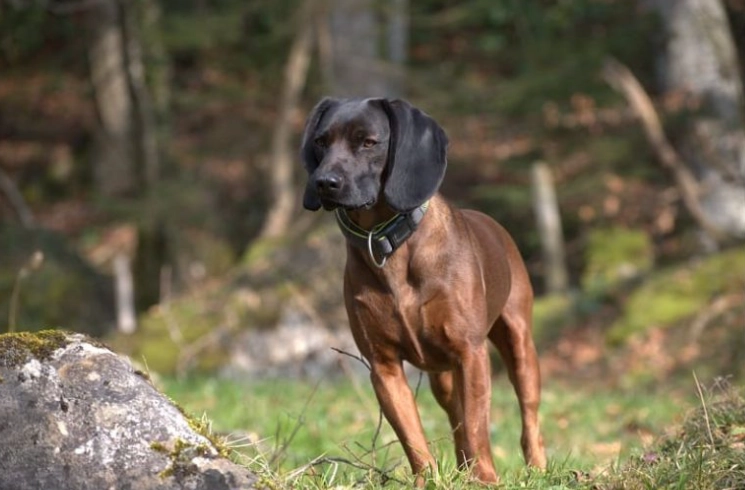
What You'll Discover in This Guide
What Does "Rare" Mean for Dog Breeds?
When dog folks say a breed is rare, they're not just talking about low numbers. It's about accessibility. A rare breed has limited breeders, small gene pools, and often, geographic concentration. Think of it like a limited-edition car—you can't walk into any dealership and drive one off the lot.
For Bavarian Mountain Hounds, rarity stems from their specialized role. They're scent hounds bred for tracking wounded game in the Alps, not for city apartments. The American Kennel Club (AKC) doesn't even fully recognize them; they're in the Foundation Stock Service, which tells you something about their obscurity in places like the U.S.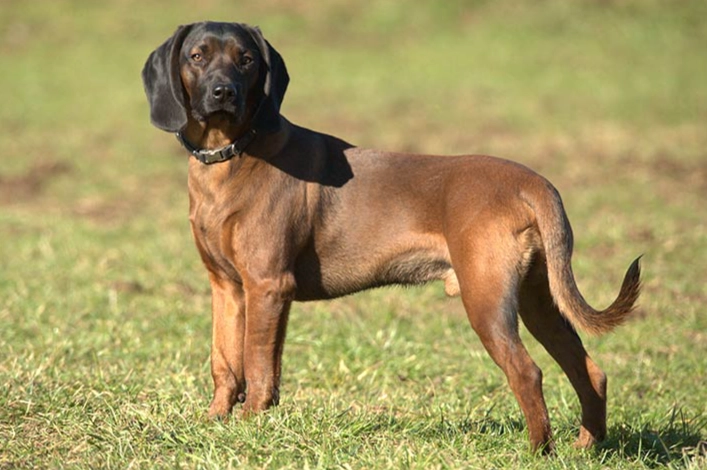
Here's a nuance most blogs miss: rarity can be a double-edged sword. Limited breeding increases the risk of genetic issues if not managed carefully. I've seen enthusiasts jump at the first available puppy, only to deal with health problems later. Patience is non-negotiable.
The Bavarian Mountain Hound: A Niche History
To get why these hounds are rare, look at their origins. Developed in Germany in the 19th century, they're descendants of Hanoverian Scenthounds, tweaked for steep mountain terrain. Their job was specific: follow cold trails of injured deer or boar over rocky slopes. This isn't a breed for casual owners—it's a working dog through and through.
Breeders historically kept lines tight to preserve tracking instincts. That focus meant fewer dogs were produced, and they stayed within hunting circles in Central Europe. Even today, most reputable breeders are in Germany, Austria, or neighboring regions. If you're outside Europe, finding one becomes a logistical puzzle.
The Breeding Purpose That Shaped Rarity
Their rarity isn't an accident. These dogs were never meant for mass production. Unlike Labradors or German Shepherds, bred for versatility, Bavarian Mountain Hounds have a singular focus. That specialization limits their appeal to a narrow audience: hunters and serious scent-work enthusiasts.
I recall chatting with a breeder in Bavaria who told me they only have one or two litters per year, prioritizing health tests over quantity. That's common among dedicated breeders, but it means waiting lists can stretch for years.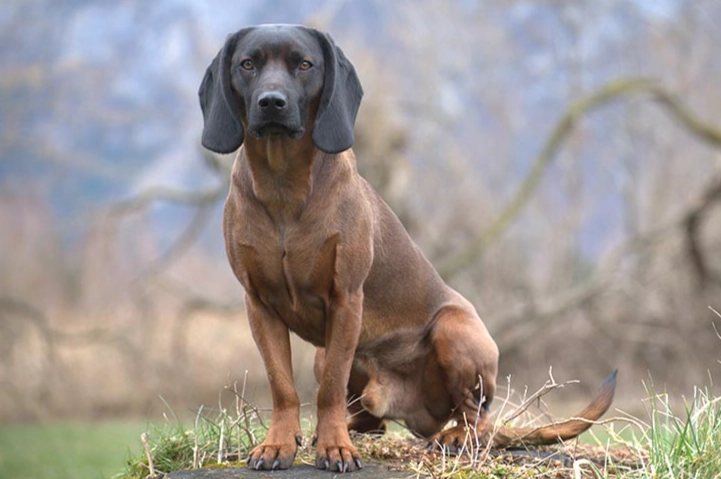
How Rare Are They Today? Numbers and Reality
Let's put numbers to the rarity. In the United States, estimates suggest there are fewer than 500 Bavarian Mountain Hounds. Compare that to popular breeds like French Bulldogs, with tens of thousands registered annually. Globally, the Fédération Cynologique Internationale (FCI) tracks them, but registrations are sparse.
>| Region | Estimated Population | Primary Sources |
|---|---|---|
| United States | 300-500 dogs | Breed clubs, Foundation Stock Service |
| Germany (home country) | 1,000-2,000 dogs | Breed clubs, hunting associations |
| United Kingdom | Under 200 dogs | Kennel Club rare breed lists |
| Worldwide | Likely under 5,000 | FCI data, breeder surveys |
These figures come from breed club reports and my own networking. Notice how concentrated they are in Europe. If you're in Asia or Australia, you might find only a handful through imports.
The scarcity affects price. Expect to pay $1,500 to $3,000 for a puppy from a responsible breeder, plus shipping costs if international. Rescues are even rarer—I've only seen two pop up in North America over the past year.
Where to Find a Bavarian Mountain Hound: A Practical Hunt
So, you're determined to get one. Here's a step-by-step approach based on my experience and breeder insights.
Start with breed clubs. The Bavarian Mountain Hound Club of America (BMHCA) is a key resource, though it's small. Their website lists breeder referrals, but don't expect instant replies. I emailed three breeders and heard back from one after three weeks. Patience, again.
In Europe, look to the Klub für Bayerische Gebirgsschweißhunde in Germany. They maintain strict breeding standards. Contact them directly—many breeders don't advertise online to avoid puppy mills.
Networking is crucial. Attend dog shows or hunting trials where scent hounds compete. I met my current dog's breeder at a field event in Colorado. Face-to-face connections often yield better results than cold calls.
Consider imports. If you're in the U.S., importing from Europe involves quarantine, paperwork, and costs around $2,000-$4,000 extra. Work with a broker who specializes in rare breeds. A friend imported one from Austria; it took six months, but the dog was worth the hassle.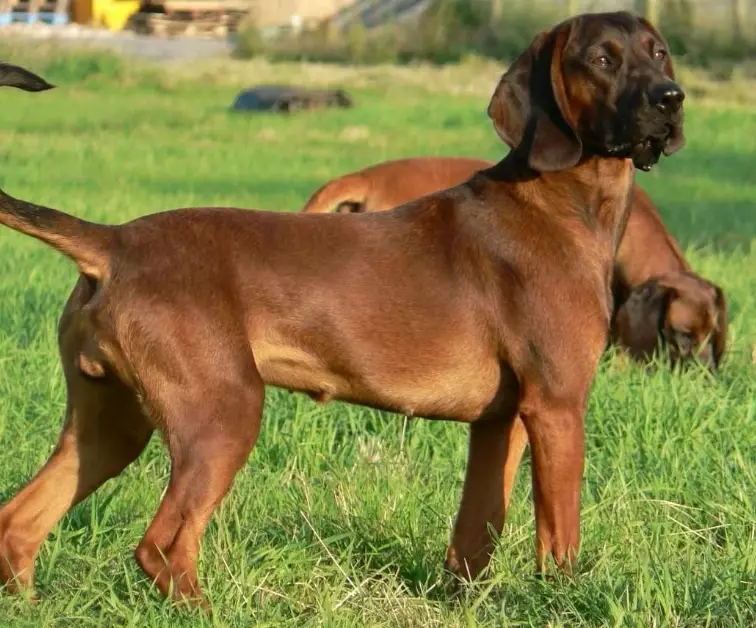
Red flag alert: avoid anyone selling Bavarian Mountain Hounds readily on platforms like Craigslist or generic pet sites. These are likely scams or backyard breeders skipping health tests. A reputable breeder will quiz you about your experience with hounds and your living situation.
What About Adoption or Rescue?
Rescuing a Bavarian Mountain Hound is like finding a unicorn. They rarely end up in shelters because owners who seek them out are usually committed. Check niche rescues like National Breed Rescue networks for scent hounds. Sometimes, breed clubs run rehoming programs for older dogs or those retired from hunting.
I helped rehome one through the BMHCA—a 5-year-old male whose owner passed away. It was a smooth process, but such opportunities are sporadic.
Living with a Bavarian Mountain Hound: Temperament and Care
Assuming you find one, what's life like? These aren't couch potatoes. They're energetic, intelligent, and need a job. If you're not into hunting, prepare for alternative activities like nose work or long hikes.
Their temperament is calm but persistent. They bond closely with families but can be aloof with strangers. Training requires consistency; their nose can lead them astray. My dog once tracked a squirrel for an hour, ignoring all calls—typical hound behavior.
Health-wise, they're generally robust, but rarity increases inbreeding risks. Responsible breeders screen for hip dysplasia and eye issues. Ask for OFA or PennHIP certificates. I've seen a few lines with ear infections due to their floppy ears, so regular cleaning is a must.
Care specifics:
- Exercise: At least 90 minutes daily. Off-leash time in secure areas is ideal.
- Diet: High-protein food for active dogs. Mine thrives on a raw diet, but consult a vet.
- Grooming: Low-maintenance—weekly brushing suffices.
- Space: A yard is almost essential. Apartments can work if you're ultra-active, but it's challenging.
One thing I learned the hard way: these dogs hate being alone for long. They're pack animals. If you work 9-to-5, get a dog walker or consider a second pet for company.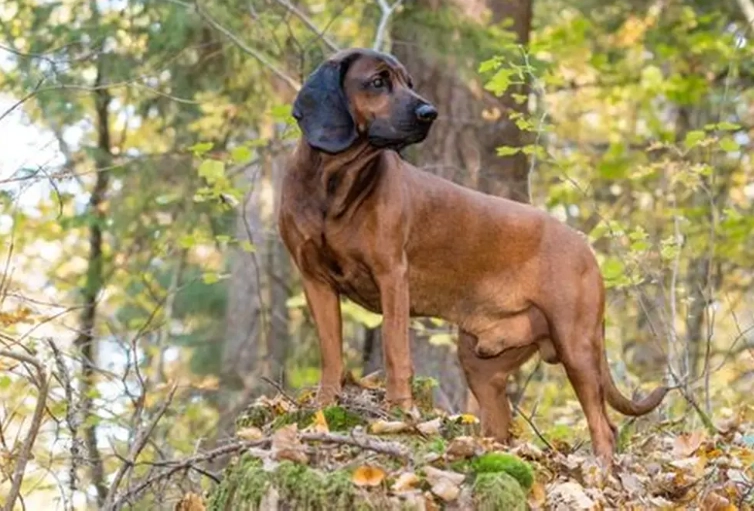
Your Burning Questions Answered
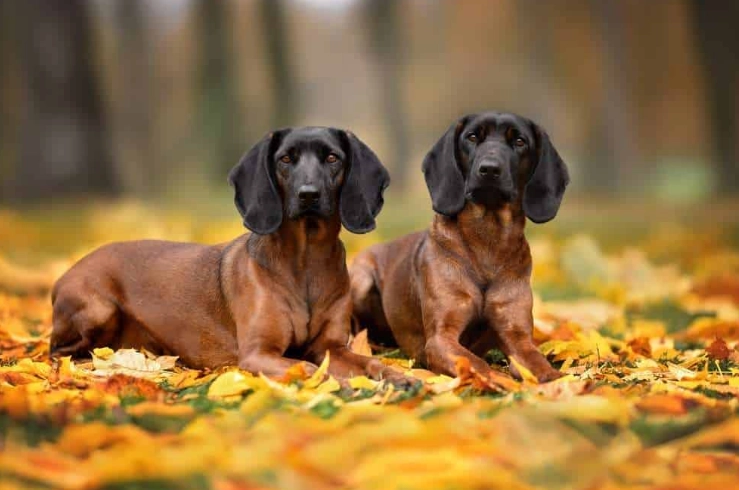 Wrapping up, Bavarian Mountain Hounds are rare for good reasons. Their scarcity demands patience and diligence from potential owners. But if you're willing to navigate the hunt, you'll get a loyal, capable partner. Don't rush the process—the right dog is worth the wait.
Reader Comments