You're asking the wrong question. Let me explain.
"Are American Water Spaniels good dogs?" implies there's a simple yes or no answer. There isn't. The real question you should be asking is, "Is an American Water Spaniel a good dog for me and my specific life?" For the right person, they are phenomenal companions—loyal, fun-loving, and uniquely talented. For the wrong person, they can be a source of endless frustration. I've seen both outcomes over the years.
So, let's cut through the generic breed descriptions. I'm going to walk you through exactly what living with an AWS is like, the good, the challenging, and the moments in between. By the end, you'll know if this rare gem of a dog is your perfect match.
What's Inside This Guide
- Meet the American Water Spaniel: More Than Just a Pretty Face
- The "Good Dog" Breakdown: Pros, Cons, and Reality Checks
- Are American Water Spaniels Good Family Dogs?
- The Non-Negotiable: Exercise and Mental Stimulation
- Grooming: The "Low-Shedding" Misconception
- Health and Lifespan: What to Expect
- Training Your AWS: Patience Over Force
- Finding an American Water Spaniel Puppy or Rescue
- Your Questions, Answered
Meet the American Water Spaniel: More Than Just a Pretty Face
First, some basics. The American Water Spaniel is one of the few breeds developed entirely in the United States, specifically in the Upper Midwest's lake country. According to the American Kennel Club, they were bred as an all-purpose hunting dog—meant to retrieve waterfowl from icy marshes and flush game from dense cover. This heritage explains everything about them.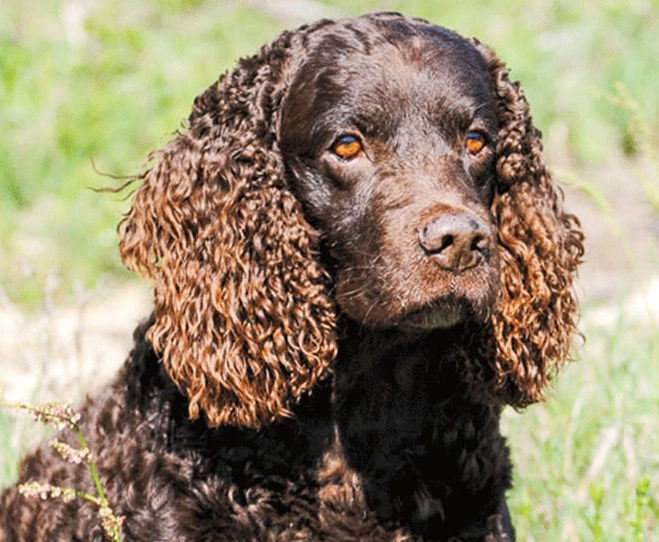
They're medium-sized, typically 30-45 pounds, with a sturdy build. That iconic curly or wavy brown coat isn't for show; it's a weather-resistant jacket. They have webbed feet. Seriously. It makes them powerful, efficient swimmers. Their expression is often described as intelligent and eager, which is spot on.
They're not common. You won't see them at every dog park. That rarity means finding a reputable breeder takes effort, and many people have never heard of them. But for those in the know, they're a treasured secret.
The "Good Dog" Breakdown: Pros, Cons, and Reality Checks
Let's get to the heart of it. Is the American Water Spaniel temperament a good fit? Here’s a no-fluff table summarizing the key points, followed by the real-world details you need.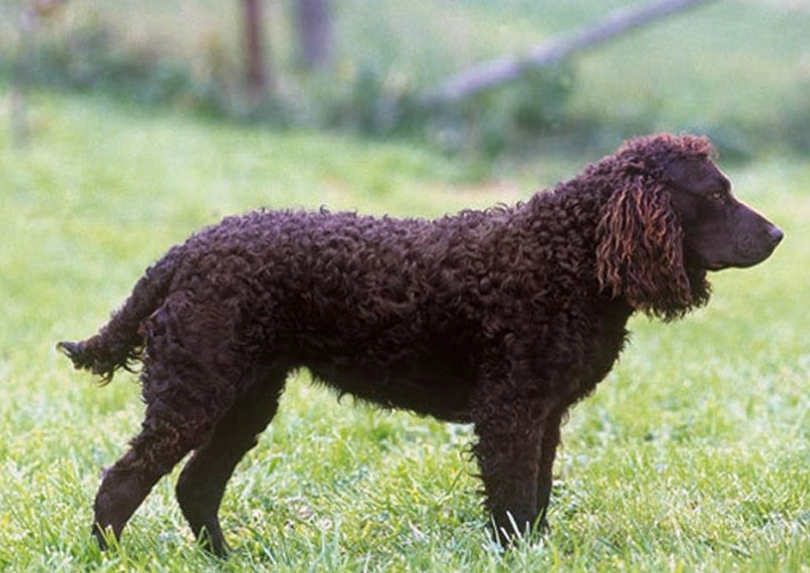
| The Good (The Highlights) | The Challenging (The Fine Print) |
|---|---|
| Unshakably Loyal & Affectionate: Bonds deeply with their family. A true velcro dog who wants to be involved in everything you do. | Prone to Separation Anxiety: That deep bond can backfire. Left alone too long or too often, they can become anxious, destructive, or vocal. |
| Energetic & Playful: Brings a joyful, puppy-like enthusiasm to life well into adulthood. Great motivator to get outside. | High Exercise Demands: This is not a casual walk-around-the-block breed. They need vigorous, meaningful activity daily. |
| Intelligent & Trainable: Quick to learn commands and eager to please when motivated correctly. | Independent Thinker: That hunting heritage means they can be stubborn. They'll question the "why" of your command if something more interesting is happening. |
| Excellent Sporting Partner: If you hunt, hike, swim, or run, you have a built-in, enthusiastic companion built for adventure. | Strong Prey Drive: Squirrels, rabbits, cats, birds—anything that moves can trigger a chase. Reliable recall off-leash requires serious training. |
| Generally Good Health: As a natural breed without extreme features, they tend to be robust with a lifespan of 10-14 years. | Specific Health Screenings Needed: Reputable breeders test for hips, eyes, and certain cardiac conditions. |
The biggest mistake I see? People get seduced by the "affectionate" and "playful" traits while glossing over the "high energy" and "prone to anxiety" parts. You have to take the whole package.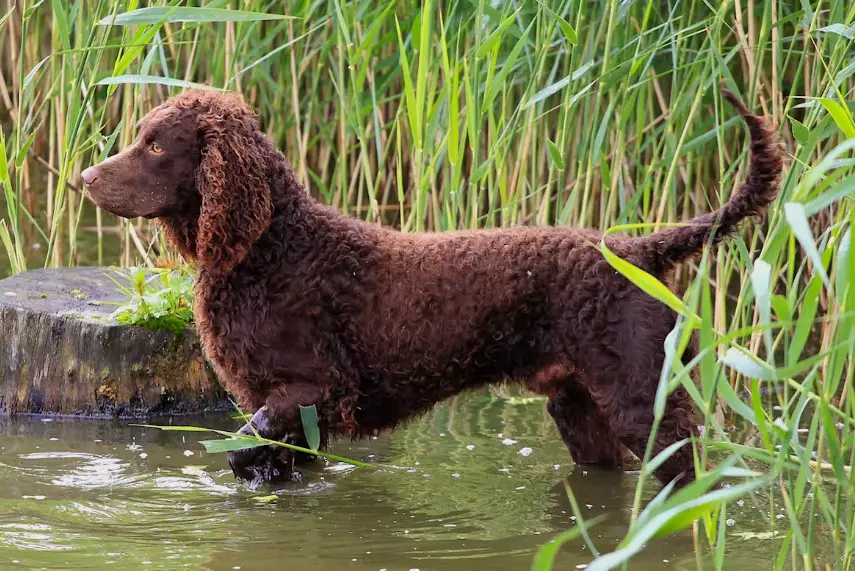
Are American Water Spaniels Good Family Dogs?
This is a top search, so let's be direct. An AWS can be a wonderful family dog, but with critical caveats.
They are typically gentle and patient with children they are raised with. Their playful nature matches a kid's energy. However, they are not a naturally placid, "nanny" breed like some others. Their exuberance can accidentally knock over a toddler. They also have a low tolerance for ear-pulling or tail-grabbing.
The ideal scenario: A family with school-aged or older children, where the dog is included as part of the active family unit. Everyone participates in walks, play, and training.
The risky scenario: A family with very young, unpredictable children or a home where the dog might be overly pestered. Also, a family that's too busy to meet the dog's substantial needs. A neglected AWS in a chaotic home is a recipe for behavioral issues.
Supervision and teaching both kids and dogs mutual respect are non-negotiable.
The Non-Negotiable: Exercise and Mental Stimulation
This is the make-or-break factor. An American Water Spaniel's exercise needs are not a suggestion. They are a requirement for a sane household.
We're talking 60-90 minutes of active exertion every single day. Not just a leash walk. They need to run, swim, hike, or engage in a dog sport like agility, dock diving, or advanced fetch sessions.
I knew an AWS owner who thought two 20-minute walks a day was enough. Within a month, the dog was digging craters in the backyard, chewing the trim off the doors, and barking at shadows. It wasn't bad behavior; it was a cry for help from a bored, under-stimulated working dog.
Mental exercise is just as crucial. Food puzzles, scent work (hiding treats), and training new tricks keep their sharp minds engaged. A tired AWS is a happy, well-behaved AWS.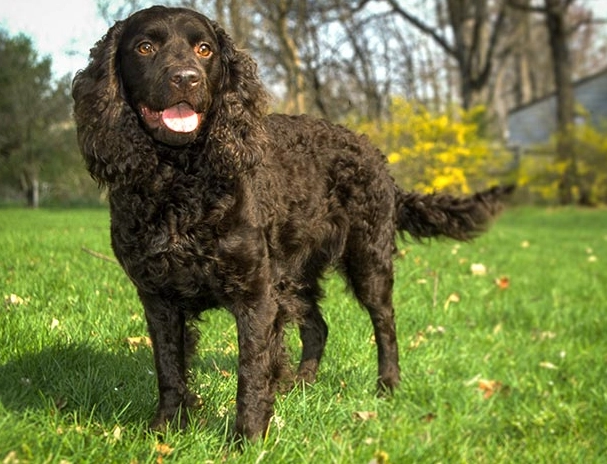
Grooming: The "Low-Shedding" Misconception
Here's a pet peeve of mine. Breed profiles love to say "low-shedding." While technically true—you won't find tumbleweeds of fur—it's misleading. What they don't tell you is that curly coat is a magnet for mats.
You must commit to a thorough brushing at least twice a week with a slicker brush and comb, paying close attention to behind the ears, the chest, and the "armpits." If you skip a week, you'll be dealing with painful tangles that may need to be shaved out.
They also need professional grooming every 6-8 weeks for a trim, especially around the ears, paws, and sanitary areas. Ears are floppy and can trap moisture, so weekly cleaning and drying is essential to prevent infections. Factor this time and cost into your decision.
Health and Lifespan: What to Expect
Overall, they're a healthy breed. A lifespan of 12-15 years is common with good care. However, responsible ownership means knowing what to screen for.
Reputable breeders will have health clearances from the Orthopedic Foundation for Animals (OFA) or similar organizations for:
- Hip Dysplasia: Common in many medium-sized breeds.
- Eye Conditions: Such as progressive retinal atrophy (PRA).
- Cardiac Issues: Certain heart murmurs can be a concern.
Always ask to see these certificates. A good breeder is proud to share them. An AWS from a well-managed breeding program is your best bet for a long, healthy life.
Training Your AWS: Patience Over Force
They're smart, so housebreaking and learning basic commands usually goes quickly. The challenge is their occasional stubborn streak and sensitivity.
Forget harsh corrections. Yelling or physical punishment will make an AWS shut down. They respond brilliantly to positive reinforcement—treats, praise, play. Make training a game.
The two most important skills to master early:
- Recall (Come): This is safety-critical given their prey drive. Practice in low-distraction areas first with high-value rewards (like real chicken). Never call them for something negative (like a bath) if you can help it.
- Impulse Control: Teaching "leave it" and "wait" is vital for managing their excitement around food, toys, and small animals.
Enroll in a puppy class. The socialization with other dogs and people is as valuable as the training itself.
Finding an American Water Spaniel Puppy or Rescue
Because they're rare, you need to be patient and proactive.
Finding a Reputable Breeder: Start with the American Kennel Club's breed page and contact the breed's parent club, the American Water Spaniel Club (AWSC). They maintain a list of breeders who adhere to a code of ethics. Expect to be interviewed and go on a waiting list. A well-bred puppy from health-tested parents will cost between $1,500 and $2,500.
Rescue: Check with the AWSC's rescue network. While less common, adult AWS do end up in rescue, often because their first family underestimated their needs. Adopting an adult can be a fantastic option, as their personality is already known.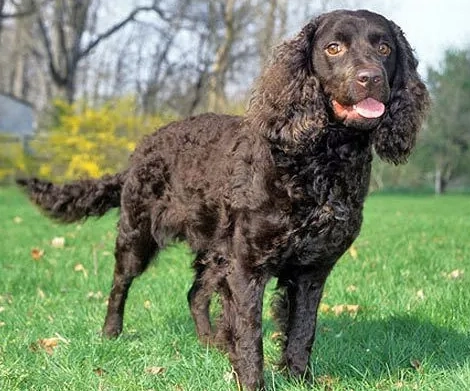
The Bottom Line Decision Helper: An American Water Spaniel is a GREAT dog for you if: You lead an active, outdoor-oriented lifestyle; you want a loyal shadow and adventure buddy; you have time for daily vigorous exercise and consistent training; and you don't mind regular grooming.
You should LOOK ELSEWHERE if: You want a low-energy couch potato; you're away from home for long hours regularly; you have very young children and limited time; or you're looking for a completely low-maintenance pet.
Your Questions, Answered
So, are they good dogs? For the right person, absolutely. They're more than good—they're incredible, rewarding partners. Just make sure you're that right person. Do your homework, meet the breed if you can, and be brutally honest about your lifestyle. If it's a match, you'll gain a funny, loving, and endlessly energetic friend for years to come.
Reader Comments