Let's cut to the chase. If you're looking at the American Water Spaniel (AWS), the "state dog of Wisconsin," and worrying about a house covered in hair, you can breathe a sigh of relief. No, American Water Spaniels do not shed a lot. They are firmly in the low to moderate shedding category. But—and this is a big but—that doesn't mean they're zero-maintenance. Their unique coat tells a more interesting story than a simple yes or no on shedding.
I've lived with sporting breeds for over a decade, and the AWS's coat is a fascinating middle ground. It's designed for work, not for your sofa's cleanliness. Understanding how it works is the key to managing your expectations and your vacuuming schedule.
What’s Inside: Your Quick Guide
How Their Unique Coat Works (The "Why" Behind Low Shedding)
The American Water Spaniel sports a double coat. The undercoat is dense and woolly, providing insulation in cold water. The outer coat ranges from marcel (loose waves) to tight curls, and it's coated in natural oils that make it water-repellent.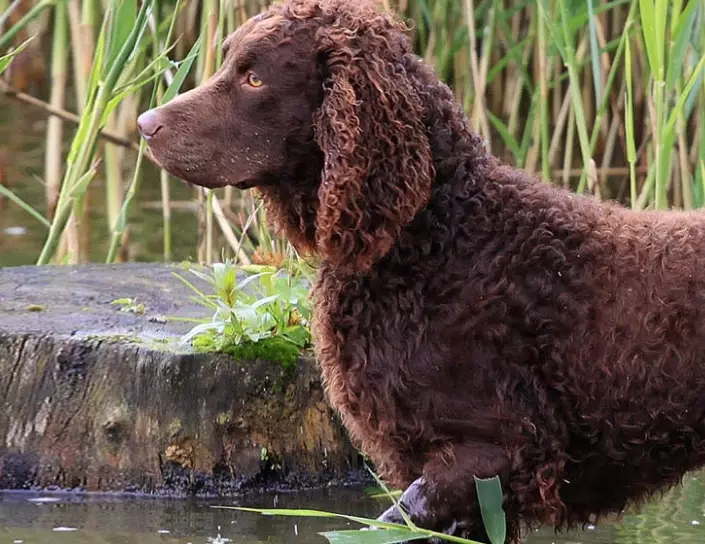
Here’s the crucial part: this coat doesn't "shed" in the traditional sense. Unlike a Labrador that leaves a tumbleweed of undercoat on your floor every spring, the AWS's loose hairs often get trapped within the curly outer layer. They don't freely release into your environment. Instead, they form mats and tangles if not removed manually.
Think of it like this: Their coat acts as a natural hair trap. The shedding happens, but the hair doesn't go far. You'll discover it during your weekly brushing session, not all over your black pants.
This is a double-edged sword. The good news is less hair on your furniture. The potential downside is that neglecting grooming doesn't just mean a messy coat; it means those trapped dead hairs and skin cells can lead to painful mats, skin irritation, and even hotspots.
Shedding Showdown: How the AWS Stacks Up Against Other Breeds
Let's put this in perspective. The American Kennel Club (AKC) describes their coat care as "moderate," which is spot-on. To visualize it, here’s how they compare to some familiar faces.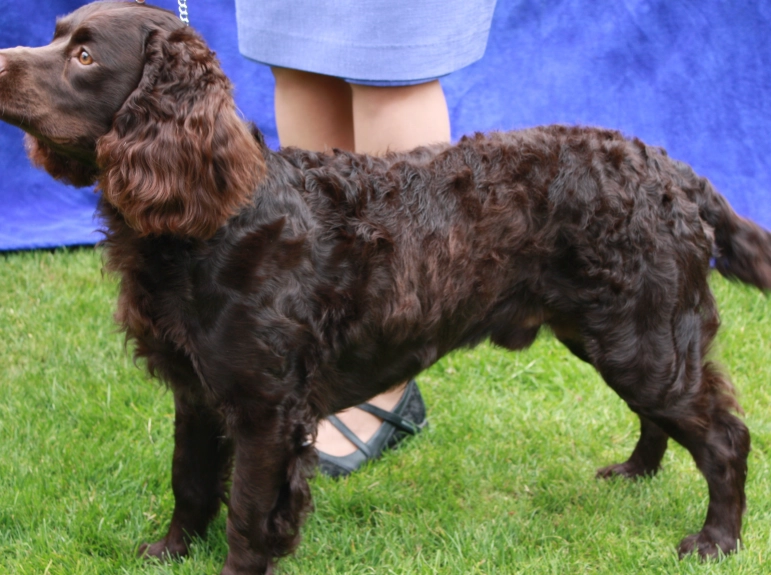
| Breed | Shedding Level | Coat Type | Key Difference from AWS |
|---|---|---|---|
| American Water Spaniel | Low to Moderate | Dense, Curly/Wavy Double Coat | Shed hair gets trapped; requires active de-shedding via grooming. |
| Golden Retriever | High | Long, Flowing Double Coat | Seasonal "coat blow" creates massive amounts of loose undercoat. |
| Labrador Retriever | High | Short, Dense Double Coat | Sheds short, prickly hairs year-round that embed in fabrics. |
| Poodle | Very Low (Non-Shedding) | Curly, Single Coat | Hair grows continuously like human hair; minimal dander release. |
| Brittany Spaniel | Moderate | Flat or Wavy Single Coat | Hair falls out freely and is more visible on surfaces. |
See the pattern? The AWS sits comfortably between the heavy shedders of the sporting group and the truly non-shedding breeds. A common mistake is lumping them with Poodles. Their coat might look similar, but the AWS has that insulating undercoat, which changes the entire shedding and grooming dynamic.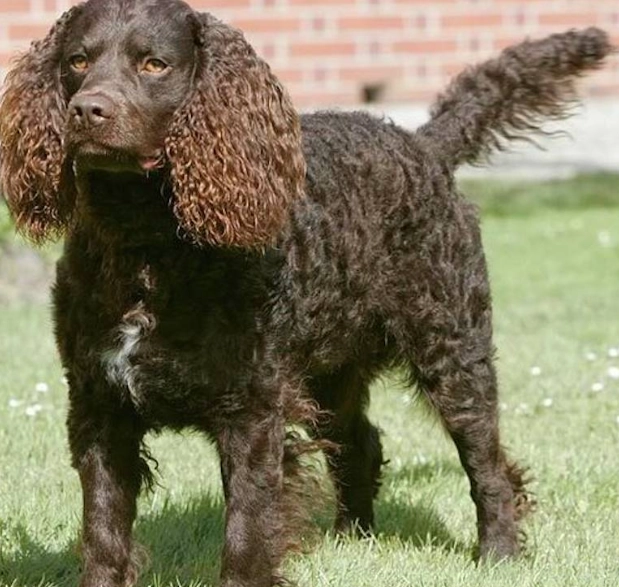
The Allergy Question: Is "Low-Shed" the Same as "Hypoallergenic"?
This is where I need to be blunt. No, it is not. This confusion causes real heartache for families.
Most pet allergies are reactions to proteins found in dander (dead skin flakes), saliva, and urine, not the hair itself. Because the AWS's coat can trap dander close to the skin, it might theoretically release less into the air than a constantly-shedding breed. But that trapped dander is still there, and it gets stirred up during play, petting, and grooming.
The AKC and other major canine organizations are clear: there is no 100% hypoallergenic dog. If allergies are a serious concern, the only reliable test is spending extended time with an American Water Spaniel before bringing one home. Don't rely on the "low-shedding" label as a guarantee.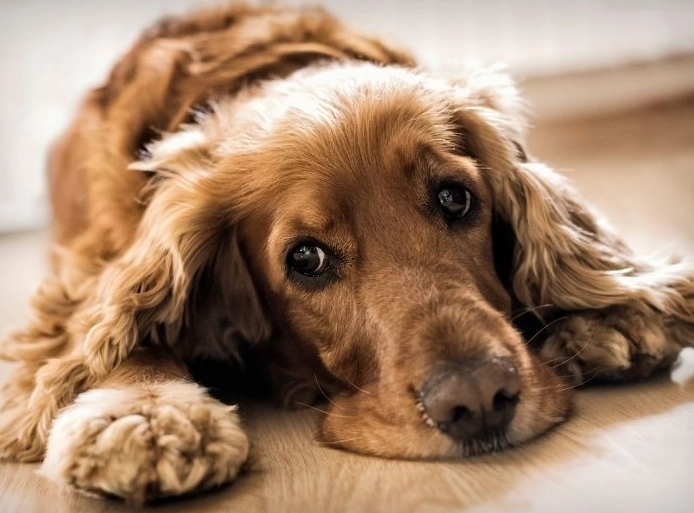
The Non-Negotiable Grooming Ritual to Manage Shedding
Here’s the practical part. To keep that low-shedding promise and a healthy dog, you must commit to a grooming routine. This isn't optional spa time; it's essential maintenance.
Essential Tools You'll Need
- A high-quality slicker brush: For breaking up tangles and lifting loose hair from the undercoat.
- A sturdy metal comb (with wide and fine teeth): The final step to check for any remaining snags, especially behind ears and under legs.
- A de-shedding tool (like an undercoat rake): Useful during seasonal shifts to gently pull out loose undercoat without hurting the topcoat.
- Dog-specific shampoo and conditioner: Look for moisturizing formulas to support skin and coat health without stripping natural oils.
The Weekly Session: A Step-by-Step Approach
Don't just brush the surface. Start with the slicker brush, working in sections. Brush all the way down to the skin. You'll see a small pile of loose, woolly undercoat come out—that's the "shedding" you're managing. Follow up with the comb over the entire body. If it glides through smoothly, you're done. If it catches, go back with the slicker brush.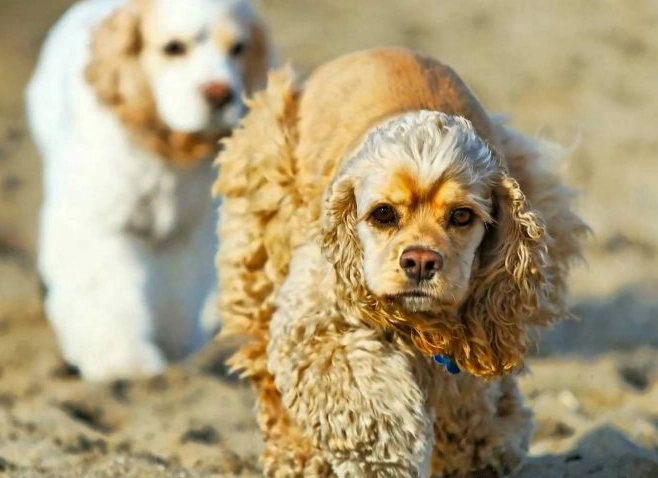
Every 4-6 weeks, give them a bath. A bath with warm water and conditioner helps loosen dead hair and skin, making your post-bath brushing session incredibly effective at removing shed coat. I always do my most thorough brushing after they're fully dry from a bath.
Your Burning Questions, Answered
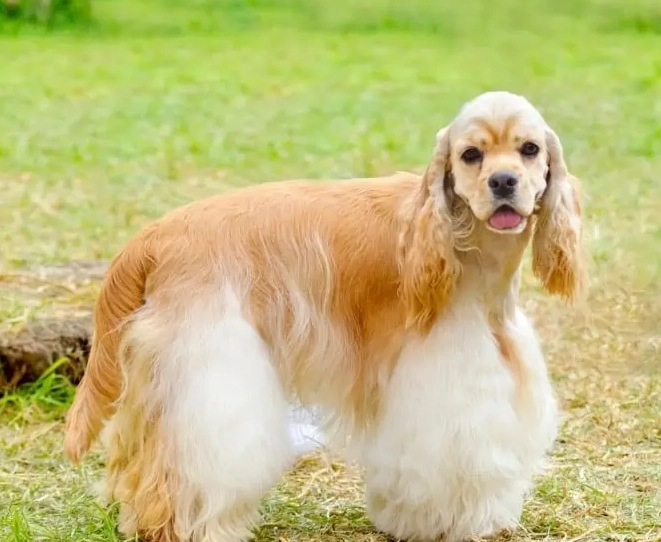
So, the final verdict? An American Water Spaniel is an excellent choice for someone who wants an active, affectionate companion without a daily battle against floating fur. But they demand a trade-off: less vacuuming, but more time with a brush in hand. If you're willing to put in that regular, hands-on care, you'll be rewarded with a dog whose shedding is genuinely manageable and whose unique, curly coat is a joy to maintain.
Reader Comments