You're looking for a rugged, intelligent dog that thrives in water, flushes birds with gusto, and doubles as a loyal couch companion. Two names keep popping up: the Boykin Spaniel and the American Water Spaniel. On paper, they sound similar—both are American-made, brown, water-loving spaniels. But spend five minutes with each, and you'll realize they're different beasts entirely. The choice isn't just about color preference; it's about matching a dog's drive, personality, and needs to your lifestyle. I've trained and hunted behind both for over a decade, and the nuances matter more than most breed guides tell you.
Let's cut through the generic descriptions. This isn't about which dog is "better." It's about which dog is better for you—whether you're a serious waterfowler, an upland bird hunter, or an active family who wants a versatile buddy.
Your Quick Breed Comparison Guide
- A Tale of Two Origins: Southern Gentleman vs Midwest All-Rounder
- Side-by-Side: Size, Build, and That Famous Coat
- Personality and Drive: The Energy You'll Live With
- In the Field: Contrasting Hunting Styles
- Life at Home: Which Fits Your Family Rhythm?
- Health, Grooming, and the Real Commitment
- Making Your Choice: Key Questions to Ask Yourself
A Tale of Two Origins: Southern Gentleman vs Midwest All-Rounder
Their stories explain a lot about their personalities. The Boykin Spaniel is a true Southern icon, born in South Carolina around the early 1900s. Legend has it a stray spaniel-type dog was befriended by a banker and later trained to be the perfect turkey hunter's retriever and a compact boat dog for swampy terrain. They were bred to be the ultimate personal hunting companion for one person—eager to please, biddable, and with an off-switch for the ride home. The Boykin Spaniel Society is the official breed club and a great resource for history.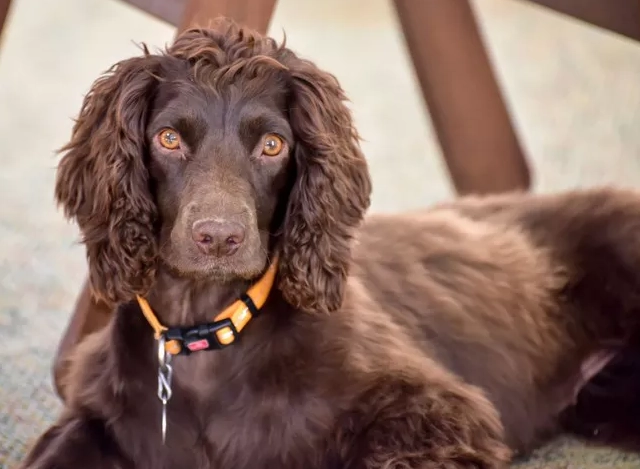
The American Water Spaniel (AWS) hails from the Midwest, particularly around Wisconsin's Wolf and Fox River valleys, in the mid-19th century. Developed by market hunters and settlers, this dog had to do it all: retrieve waterfowl from icy lakes, flush and retrieve upland game like pheasant and grouse, and even tree small game. This created a more independent, multi-purpose worker. The breed's survival is credited to one man, Dr. Fred J. Pfeifer, who founded the American Water Spaniel Club in the 1930s. That "jack-of-all-trades" origin is still etched in their DNA.
Side-by-Side: Size, Build, and That Famous Coat
At a glance, both are medium-sized, brown dogs with floppy ears. Look closer.
| Trait | Boykin Spaniel | American Water Spaniel |
|---|---|---|
| Height | 14-18 inches | 15-18 inches |
| Weight | 25-40 lbs | 25-45 lbs |
| Build | Compact, solid, slightly longer than tall. | Sturdier, more muscular, and often appears stockier. |
| Coat | Wavy to curly, medium length, single coat with a slight undercoat. | Dense, tight marcel (curly) waves, double coat for insulation. |
| Color | Solid liver, brown, or dark chocolate. A small white spot on chest is allowed. | Solid liver, brown, or dark chocolate. A little white on toes/chest is permissible. |
| Tail | Typically docked to 3-5 inches for hunting. | Usually left natural (long and feathered) or docked to a medium length. |
The coat difference is a big daily living factor. The Boykin's wavy coat is a bit more forgiving. It repels water well but mats less easily. A quick brush a couple times a week usually suffices. The AWS's dense, curly double coat is a superior insulator in cold water—think late-season duck hunting—but it will mat if neglected. You're committing to brushing 2-3 times a week, without fail. Both shed moderately.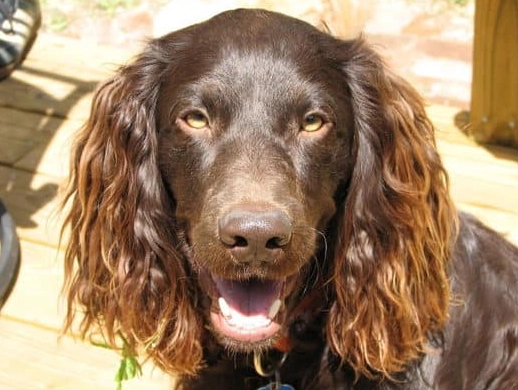
Personality and Drive: The Energy You'll Live With
This is where the rubber meets the road. If you get this wrong, you'll have a frustrated dog and a frustrated owner.
Boykin Spaniels are often described as joyous, enthusiastic, and sometimes clownish. Their "on" switch is very accessible. They aim to please and are typically highly trainable due to this eagerness. However, that enthusiasm needs an outlet. A bored Boykin is a destructive Boykin. They have a reputation for being "velcro dogs"—they want to be with you, always. This can border on separation anxiety if not managed from puppyhood.
American Water Spaniels possess a different kind of intelligence. They are keen, observant, and often described as having a "sense of humor"—but it can be a more independent, wilful one. They were bred to think for themselves in the field, which can translate to occasionally blowing off a command if they deem it unnecessary. They are loyal and affectionate but often less overtly needy than the Boykin. Their energy is substantial but can be more focused; they can settle after a good workout, whereas a Boykin might still have beans to spill.
The Socialization Non-Negotiable
Both breeds require extensive, positive socialization. Due to their hunting heritage, they can be reserved or alert around strangers. The AWS, with its independent streak, can be more prone to suspicion if not properly introduced to the world. The Boykin's eagerness can turn into over-excitement. Start early, expose them to everything—men with hats, kids on bikes, loud noises—and make it positive.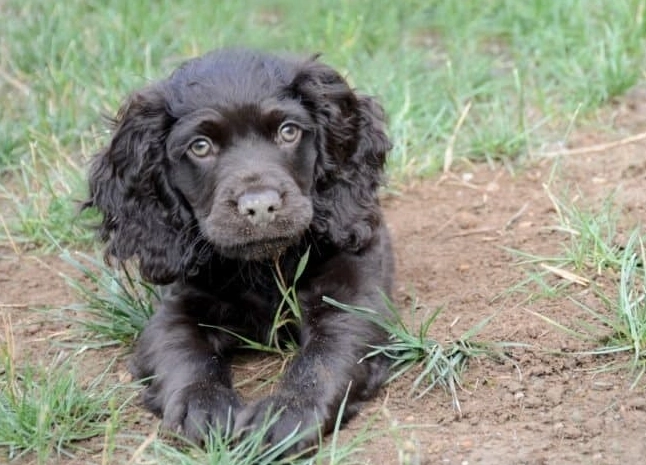
In the Field: Contrasting Hunting Styles
Both are capable hunters, but their approaches differ subtly.
A Boykin Spaniel in the field is a picture of eager cooperation. They work close, check in frequently, and are often lightning-fast retrievers. They excel in the thick, swampy cover they were bred for, using their compact size to bust through brambles. They are natural swimmers but are more often associated with warmer water waterfowling and intense upland flushing. Their style is often described as "busy" and "in-your-pocket."
An American Water Spaniel is the steady, versatile performer. They can handle cold water retrieves all day thanks to that double coat. They may range a bit more independently when hunting upland birds, using their nose and own judgment. They have a strong drive to both flush and retrieve, making them true dual-purpose dogs. Some hunters note they have a slightly "softer" mouth than some spaniels, a bonus for preserving game.
I recall a hunt in Arkansas where a friend's AWS worked a muddy, timbered duck slough all morning, then seamlessly switched to flushing woodcock in the afternoon hills. The dog adjusted its pace and range instinctively. My Boykin, on the same trip, was a dynamo in the thickets but needed more direction to slow down for the methodical woodcock search.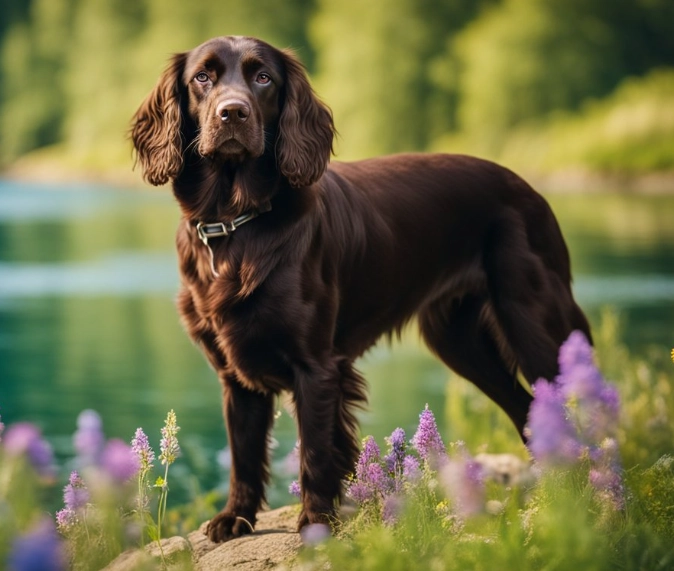
Life at Home: Which Fits Your Family Rhythm?
Neither is a low-energy, apartment-friendly breed. But their home dynamics vary.
With a Boykin, expect a shadow. They will follow you from room to room. They thrive on interactive play—fetch, puzzle toys, training games. They often do very well with children, matching their high energy, but their exuberance can knock over toddlers. They need clear rules and consistent mental stimulation. If you work long hours without a dog walker, this is not your breed.
The AWS can be a bit more of a weekend warrior. They still need daily vigorous exercise—a long hike, a swim, a hard run—but they might be more capable of curling up contentedly afterward without demanding constant engagement. Their independence can make them seem less clingy, which some families appreciate. They are typically good with kids but may be less tolerant of chaotic, roughhousing than the ever-playful Boykin.
Health, Grooming, and the Real Commitment
Let's talk brass tacks. Grooming we covered: AWS needs more frequent brushing. Both need weekly ear cleaning without fail. Those floppy ears are infection magnets.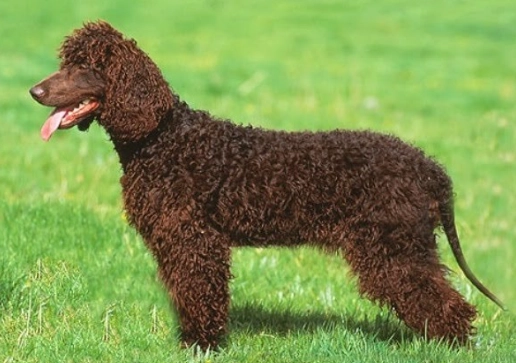
Health is critical. Reputable breeding is non-negotiable.
- Boykin Spaniel Health: The elephant in the room is Exercise-Induced Collapse (EIC). This is a genetic disorder where dogs collapse after periods of intense excitement or exercise. Reputable breeders test for this. Also screen for Hip Dysplasia, Patellar Luxation, and eye conditions like cataracts. The Boykin Spaniel Foundation funds research into these issues.
- American Water Spaniel Health: Major concerns include Hip Dysplasia, eye issues (like Progressive Retinal Atrophy), and hypothyroidism. Ask breeders for Orthopedic Foundation for Animals (OFA) or PennHIP clearances for hips, and eye exam certifications from the Canine Eye Registration Foundation (CERF).
Don't just take a breeder's word for it. Ask to see the actual health clearance certificates. A good breeder will proudly show them.
Making Your Choice: Key Questions to Ask Yourself
Still on the fence? Answer these honestly:
Choose a Boykin Spaniel if: You want an intensely loyal, upbeat shadow who lives to work with you. Your lifestyle is highly active, and you can provide structured exercise and training almost daily. You prioritize biddability and close cooperation in hunting. You don't mind a dog that might be glued to your side.
Choose an American Water Spaniel if: You value versatile, independent thinking in a hunting partner for various game. You want a tough, all-weather retriever. Your home life is active but maybe slightly less chaotic, and you appreciate a dog that can entertain itself occasionally. You're willing to put in the extra grooming time.
Visit breeders, meet adult dogs, talk to owners in the American Water Spaniel Club or Boykin Spaniel Society. There's no substitute for seeing the dogs in person. Both are fantastic breeds that embody the American hunting spirit—they just sing a slightly different tune.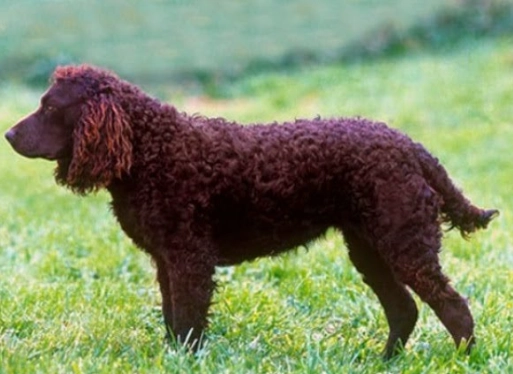
Common Questions From Prospective Owners
Which dog is bigger, the Boykin Spaniel or the American Water Spaniel?
The American Water Spaniel is generally the larger of the two. While weight can overlap, AWS males typically stand 15-18 inches tall and weigh 25-45 pounds. Boykins are more compact, standing 14-18 inches tall but usually weighing a lighter 25-40 pounds. The AWS often has a stockier, more substantial build compared to the Boykin's slightly leaner frame.
Is the Boykin Spaniel or American Water Spaniel better for a family with young kids?
Both can be excellent with children when properly socialized, but their energy profiles differ. Boykin Spaniels are famously energetic, playful, and can be 'velcro dogs'—they might be better for active families who can channel that enthusiasm. American Water Spaniels, while still active, often have a slightly more independent and calmer demeanor at home, which some families with very young children might find easier to manage initially. Supervised interactions are always key.
How much grooming do these two water spaniel breeds require?
Both have moderate grooming needs, but the American Water Spaniel's dense, curly double coat requires more frequent attention to prevent matting—think brushing 2-3 times a week. The Boykin's wavy coat is a bit more forgiving, needing a good brush 1-2 times a week. Both breeds are moderate shedders. Their ears need weekly cleaning to prevent infections, a non-negotiable task for any floppy-eared breed.
What are the most critical health issues to screen for in each breed?
Prospective owners must prioritize health testing. For Boykin Spaniels, the most significant concern is Exercise-Induced Collapse (EIC), a genetic disorder. Hip Dysplasia and eye conditions like cataracts are also screened. For American Water Spaniels, Hip Dysplasia and Eye conditions (Progressive Retinal Atrophy) are primary concerns. Reputable breeders will provide Orthopedic Foundation for Animals (OFA) or equivalent clearances for parents. Never skip this step.
Reader Comments