You see them in cafes, tucked under arms in designer bags, trotting confidently down the sidewalk. A small, blue and tan dog with a topknot. Is it a Yorkshire Terrier? Or a Silky Terrier? Even seasoned dog lovers get them mixed up. I've been breeding and showing small terriers for over a decade, and the "Silky vs Yorkie" question comes up at every single event. Most articles just list dry facts. I want to tell you what it's actually like to live with each one, the subtle quirks no breed standard mentions, and the mistakes I see new owners make all the time.
Let's clear this up right away: they are distinct breeds. The Silky Terrier is not just a big Yorkie, and the Yorkie isn't a mini Silky. They have different histories, standards, and, crucially, different personalities beneath that glamorous coat. Choosing between them isn't about which is "better," but which terrier-shaped key fits the lock of your lifestyle.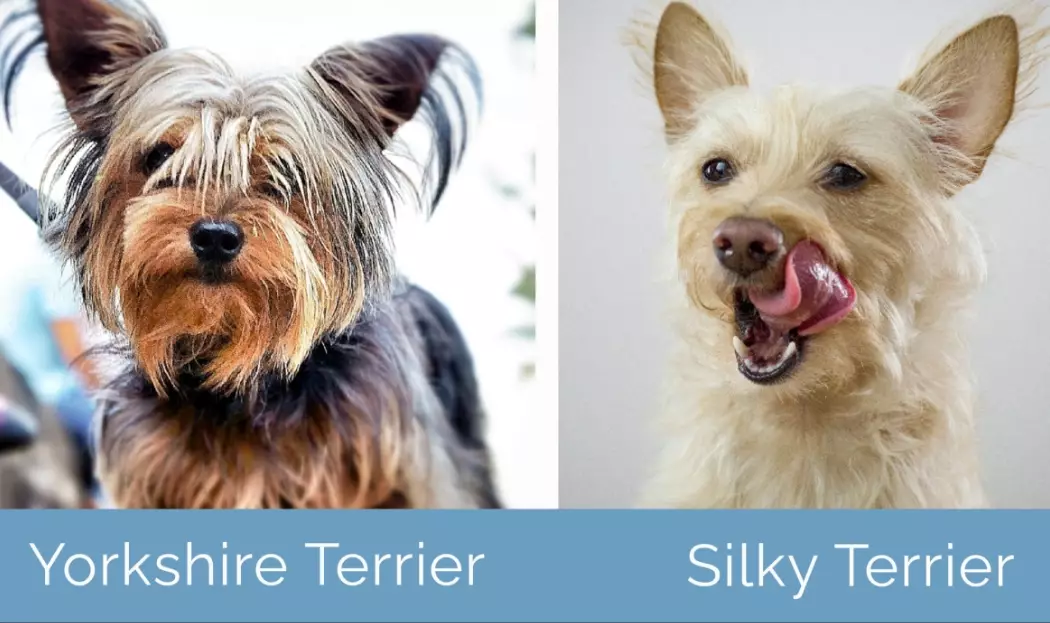
Your Quick Navigation Guide
- Physical Appearance: Spotting the Subtle (and Not-So-Subtle) Differences
- Personality & Temperament Compared: Beyond the Lapdog Stereotype
- Living Needs & Care: Grooming, Exercise, and Health Realities
- Choosing the Right Dog for You: A Lifestyle Checklist
- Your Questions, Answered (The Real-World Stuff)
Physical Appearance: Spotting the Subtle (and Not-So-Subtle) Differences
At a glance, they're twins. Look closer. The giveaway isn't always size.
The Yorkshire Terrier is the quintessential toy dog. The breed standard calls for a maximum weight of 7 pounds (3.2 kg). Their most iconic feature is the long, straight, silky coat that parts down the middle and flows to the floor. It's high-maintenance glamour. Their body is compact, and their expression often has a keen, "What's in it for me?" alertness. The topknot is usually tied up to keep hair out of their eyes.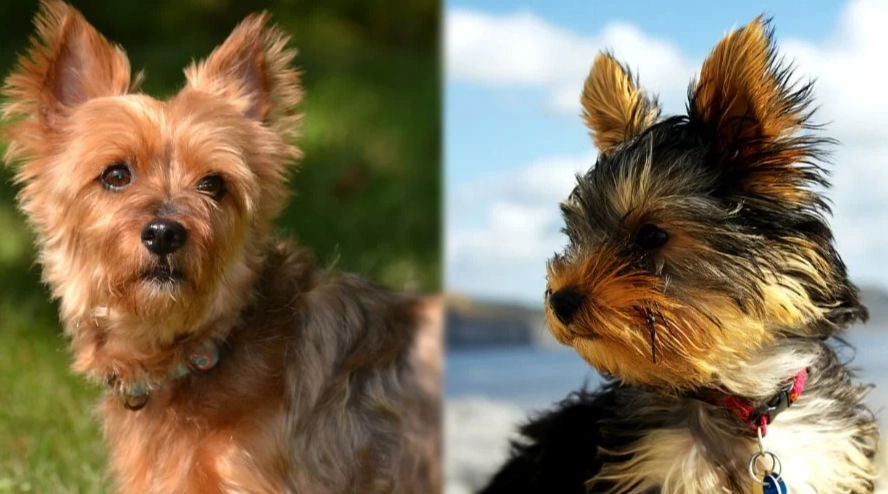
The Silky Terrier is sturdier, a "toy terrier" built for more than just adornment. They weigh 8-10 pounds (3.6-4.5 kg), that extra pound or two making a noticeable difference in substance. Their coat is also silky, but it's shorter—only about 5-6 inches long—and has a distinct parting down the back, not the sides. It's a single coat that lies flat. Their body is longer than it is tall, giving them a slightly rectangular, low-to-the-ground profile perfect for their original vermin-hunting job. The expression is distinctly terrier: piercing, intelligent, and ready for action.
| Feature | Yorkshire Terrier | Silky Terrier |
|---|---|---|
| Size & Weight | Very small, 7 lbs max | Small but sturdy, 8-10 lbs |
| Coat Length & Style | Very long, floor-length, parts down middle | Medium-long (5-6"), parts down back |
| Body Proportion | Compact, square | Rectangular, longer than tall |
| Breed Group (AKC) | Toy Group | Toy Group |
| Average Lifespan | 13-16 years | 13-15 years |
A common mistake I see? People assume a large Yorkie is a Silky. Not necessarily. Poorly bred Yorkies can be over-sized, but they'll lack the Silky's specific body shape and coat texture. If you're looking at a puppy, ask the breeder for the weights of the parents. A reputable Silky Terrier breeder, as per the Silky Terrier Club of America, will be able to trace lineage clearly away from Yorkshire Terriers.
Personality & Temperament Compared: Beyond the Lapdog Stereotype
This is where they truly diverge. Both are loyal, but their loyalty manifests differently.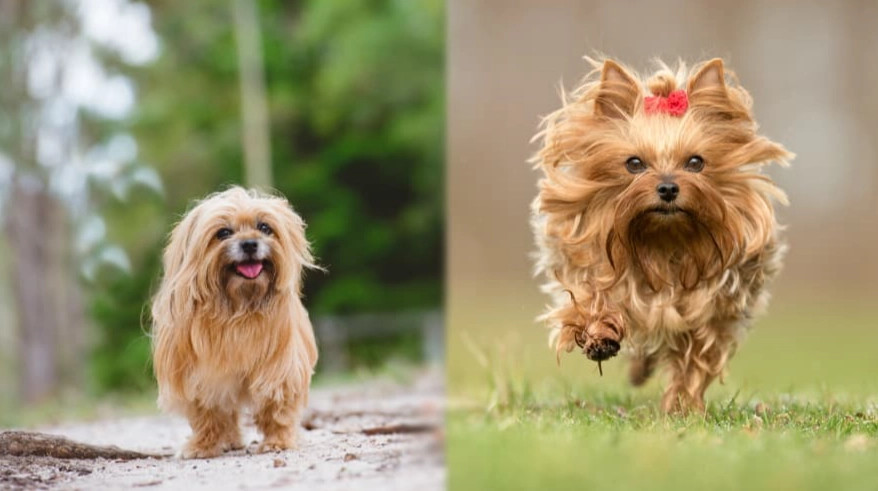
The Yorkshire Terrier: The Confident Companion
Yorkies possess a terrier spirit crammed into a tiny package, but they were primarily bred for companionship. They are velcro dogs. A Yorkie's mission is to be with you, on you, involved in everything you do. They can be surprisingly bold and barky, quick to alert you to any intrusion (the mailman is a perpetual nemesis). They're clever and can be stubborn during training if they don't see the point. Socialization is non-negotiable; without it, that big personality can tip into fearfulness or nippiness.
I've known Yorkies who rule households with an iron paw. They don't always know they're small.
The Silky Terrier: The True Terrier
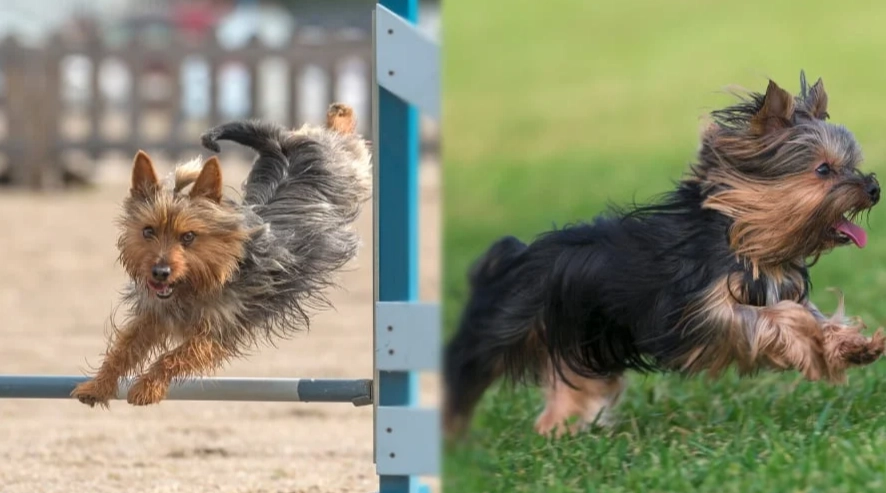
Don't let the pretty coat fool you. The Silky Terrier has a stronger, more independent terrier drive. They were bred in Australia to kill snakes and rodents. This means they are more likely to have a high prey drive. That squirrel in the park? A Silky will see a mission. They are active, inquisitive, and need a job—even if that "job" is a vigorous game of fetch or a puzzle toy. They are affectionate but on their own terms. A Silky might choose to sit beside you rather than on you.
This terrier independence makes them a bit more challenging to train than a Yorkie, who often trains to please you. A Silky trains best when they understand what's in it for them (treats, play, praise). They are less likely to be yappy without cause but more likely to dig or chase if bored.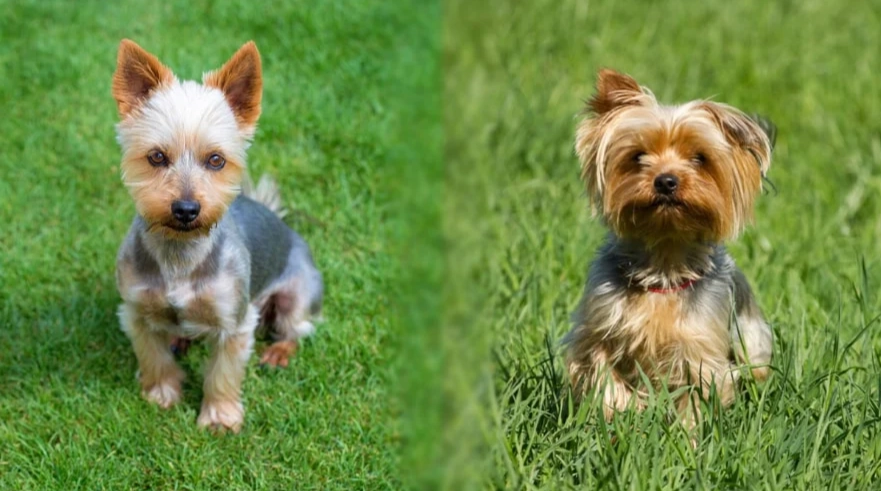
Living Needs & Care: Grooming, Exercise, and Health Realities
Grooming: The High-Maintenance Truth
Both breeds require a serious grooming commitment. The "hypoallergenic" label is a marketing half-truth. They shed less than many breeds, but allergens are in saliva and dander too.
Yorkie Grooming: That glorious long coat requires daily brushing to prevent mats and tangles. Many owners opt for a shorter "puppy cut" for practicality. You'll also need regular baths, ear cleaning, and eye wiping to prevent tear stains. Professional grooming every 4-6 weeks is standard.
Silky Grooming: The coat is slightly easier but still no joke. Brushing every other day is essential. The coat can mat, especially behind the ears and under the legs. They also need regular trims, baths, and attention to ears and eyes. The grooming schedule is similar to a Yorkie's, but the daily maintenance is marginally less intense.
Exercise & Space
Both adapt well to apartment living, but their exercise needs differ.
A Yorkie is often happy with short walks and indoor play. Their small bladders mean frequent potty breaks, but their energy is more burst-like.
A Silky Terrier needs a solid 20-30 minutes of brisk walking or active play daily. They thrive on having a small, secure yard to patrol and sniff, but it's not a substitute for a walk that engages their mind. Without this outlet, they are more prone to developing nuisance behaviors.
Health Considerations
Both are generally healthy, long-lived breeds but have breed-specific concerns. Reputable breeders screen for these.
Yorkies are prone to luxating patellas (trick knees), dental issues (crowded teeth), and tracheal collapse. Their tiny size makes them fragile around larger animals and children.
Silky Terriers share the risk of patellar luxation and dental problems. They can also be prone to Legg-Calvé-Perthes disease (a hip joint disorder) and diabetes. According to health surveys referenced by the American Kennel Club, responsible breeding has reduced the incidence of many inherited conditions.
Choosing the Right Dog for You: A Lifestyle Checklist
Don't pick based on looks alone. Run through this list.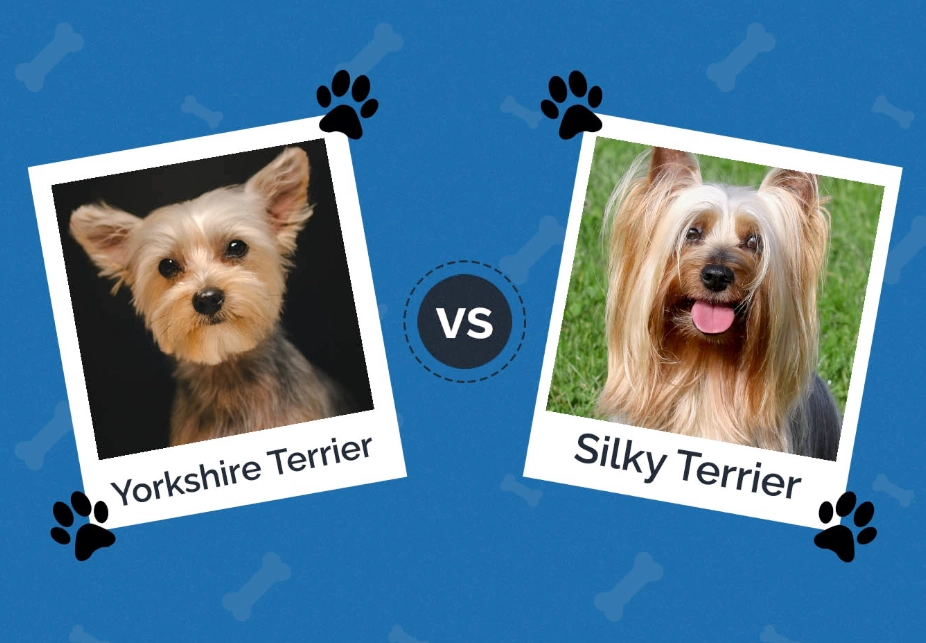
A Yorkshire Terrier might be your match if you:
- Want a true companion who desires constant closeness.
- Have a more sedentary or indoor-focused lifestyle.
- Are a first-time dog owner (with commitment to training).
- Have the time and budget for extensive, daily grooming.
- Live in a small space like an apartment.
A Silky Terrier might be your match if you:
- Want a small dog with a more "dog-like," active temperament.
- Enjoy daily walks and want a walking partner.
- Have experience with dogs (especially terriers).
- Can provide consistent mental stimulation (games, training).
- Don't mind a more independent cuddle buddy.
What about families? I'm cautious with both. Their small size and low tolerance for rough handling make them poor matches for toddlers. With older, respectful children, either can work, but supervision is mandatory.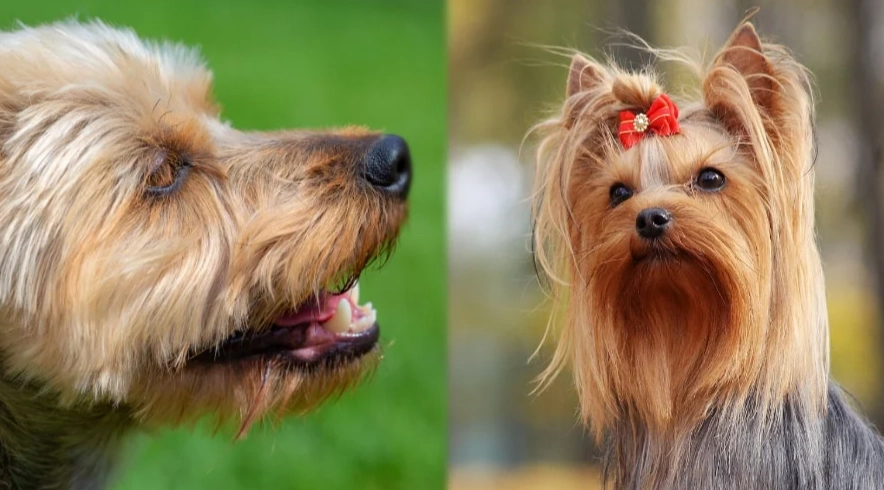
Your Questions, Answered (The Real-World Stuff)
 The bottom line? You're not choosing between a good dog and a bad dog. You're choosing between two wonderful, spirited, and demanding little personalities. The Yorkie offers devoted companionship in a tiny package. The Silky offers a bigger personality and a true terrier experience in a small, elegant frame. Look past the similar coats, be brutally honest about your daily routine, and you'll find the perfect small companion who will own your heart for over a decade.
Reader Comments