Yes, Australian Silky Terriers can bark a fair bit—but it's not a doom-and-gloom scenario. I've had my Silky, Milo, for six years, and while he'll alert me to the mailman like it's a national emergency, he's also the quietest dog during movie nights. The key is understanding why they bark and how to channel that energy. This isn't about silencing them completely; it's about managing noise so everyone stays sane. If you're considering this breed or already own one, this guide cuts through the noise with practical advice.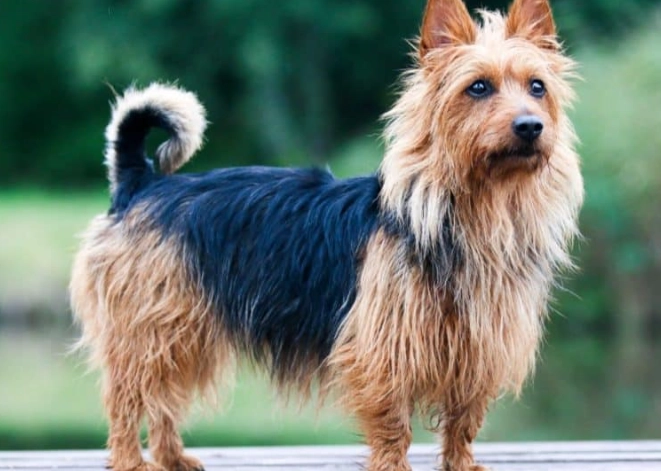
What You'll Find in This Guide
Why Australian Silky Terriers Bark: It's in Their DNA
These dogs are terriers through and through. Bred from Australian Terriers and possibly Yorkshire Terriers, they have a history as ratters and watchdogs. That means barking is hardwired for alertness. The American Kennel Club notes their "keen" and "alert" nature—fancy words for "they'll tell you if a leaf blows by." But here's a nuance many miss: it's not just noise for noise's sake. Silky Terriers bark to communicate. When Milo barks, it's usually because he's excited, scared, or bored. Ignoring the boredom factor is a common mistake. A tired Silky is a quieter Silky, but mental fatigue matters more than physical. I learned this after a long walk where Milo still barked at squirrels; adding puzzle toys made a bigger difference.
Terrier Instincts vs. Modern Life
Their instincts clash with urban living. In the past, barking warned of intruders; now, it's the Amazon delivery guy. This mismatch causes frustration if not managed. I've seen owners assume their dog is "defiant," but it's just genetics. Socialization from puppyhood helps—expose them to various sounds and people so they don't see everything as a threat. A study from the University of Bristol on dog behavior suggests early socialization reduces fear-based barking, which applies perfectly to Silkies.
Common Barking Triggers and How to Spot Them
Silky Terriers have specific triggers. Knowing these lets you intervene early. Here's a breakdown from my experience and vet chats:
- Doorbells and knocks: Big one. Milo goes nuts. It's territorial barking.
- Passing cars or people: Window watching is a hobby for them. They bark from curiosity or alertness.
- Loneliness: Left alone too long, they bark from separation anxiety. This is a huge pain point for apartment dwellers.
- Play excitement: During fetch, barking can mean "throw it already!"
- Other dogs: They're social but can bark to initiate play or show dominance.
Spotting patterns is crucial. Keep a log for a week—note when and why barking happens. You might find it's only during certain hours, like evenings when neighbors are noisy. That reframes the problem from "my dog barks a lot" to "my dog barks at evening TV sounds," which is easier to fix.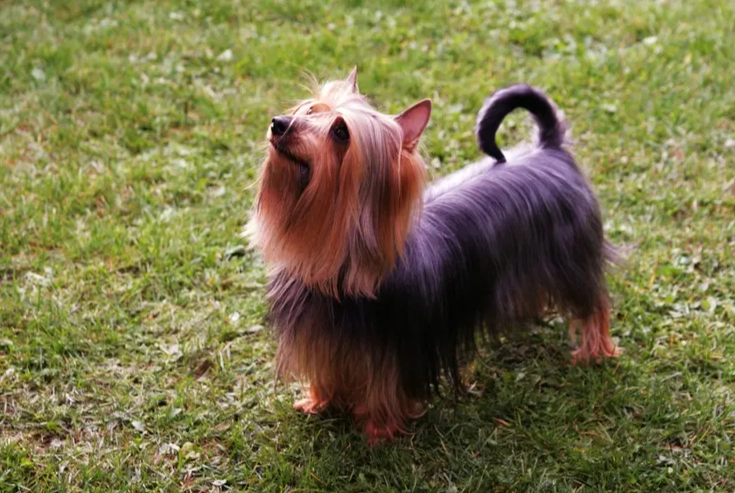
Training Methods That Actually Work
Forget harsh methods. Positive reinforcement is your best friend. I tried a spray bottle once—Milo just barked at the bottle. Here's what worked:
Pro tip: Start training in calm environments. If your dog barks at the door, practice with a recorded doorbell sound at low volume, rewarding silence. Gradually increase volume. This desensitization takes patience but pays off.
Step-by-Step Quiet Command
Teach "quiet" without frustration. First, let your dog bark a few times (weird, I know), then say "quiet" calmly and show a treat. When they pause, even for a second, reward immediately. Repeat in short sessions. Consistency is key—do this daily for two weeks. I screwed up by rewarding too late initially; timing is everything. Pair it with a hand signal, like a finger to your lips, for visual learners.
Environmental Management
Change the setup. If window barking is an issue, use blinds or move furniture to block the view. For loneliness, consider a pet camera with treat dispensing to interact remotely. I use one from Furbo, and it cuts Milo's alone-time barking by half. Also, background noise like white noise machines masks outdoor sounds. These tweaks are often overlooked but reduce triggers before training kicks in.
Living with a Silky Terrier in an Apartment: A Reality Check
Can they thrive in apartments? Yes, but with caveats. I live in a city apartment, and Milo does fine—after we addressed barking. The biggest challenge is neighbor tolerance. Here's a realistic approach:
- Exercise needs: They're small but energetic. A 30-minute walk plus indoor play keeps them content. Skip this, and barking escalates.
- Noise insulation: Rugs and curtains dampen sound. Talk to neighbors upfront; explain you're training the dog. It builds goodwill.
- Routine: Silkies love predictability. Feed, walk, and play at consistent times to reduce anxiety barking.
I've met owners who rehomed their Silky due to noise complaints, and in every case, lack of mental stimulation was the root cause. Puzzle feeders, hide-and-seek games, and obedience training sessions (10 minutes a day) work wonders. Don't just rely on walks—their brains need workouts too.
Misconceptions Owners Often Believe
Let's debunk some myths. First, "Silky Terriers are yappy like other small dogs." Not exactly. Compared to a Pomeranian, they're more alert than yappy—their bark is deeper and less frequent. Second, "barking means they're aggressive." Usually, it's fear or excitement. Milo barks at vacuum cleaners but wags his tail; it's confusion, not aggression. Third, "they'll grow out of it." Nope. Without intervention, barking habits solidify by adulthood. Start early.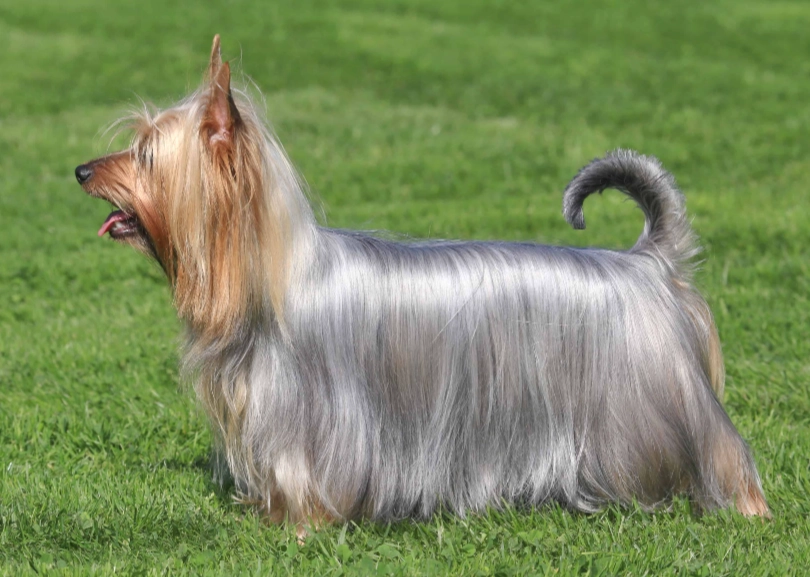
Another subtle error: using bark collars. I tried a vibration collar briefly, and it made Milo anxious. The Humane Society advises against shock collars for small breeds due to stress risks. Instead, focus on positive methods. It's slower but builds trust.
Your Burning Questions Answered
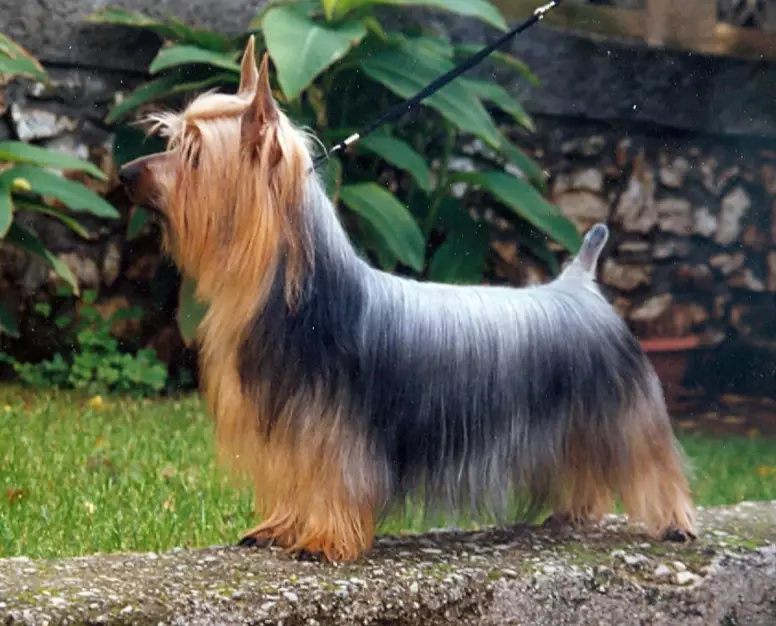 Wrapping up, Australian Silky Terriers do bark, but it's manageable. They're loyal, lively companions who need understanding, not silencing. Focus on training, environment, and mental stimulation. If you put in the work, you'll have a dog that barks when it matters—and quiet when you need peace. For more breed insights, check resources like the American Kennel Club's Silky Terrier page. Now go enjoy that Silky spirit!
Reader Comments