You see a picture of an Australian Shepherd. Is it a large dog? A medium one? That fluffy coat can be deceptive. I've been around Aussies for over a decade, bred a few litters, and seen the same confusion trip up countless new owners. The truth about Australian Shepherd size isn't just a set of numbers—it's about understanding what those numbers mean for their health, their energy, and whether they'll fit your life. Let's cut through the fluff and get down to the specifics.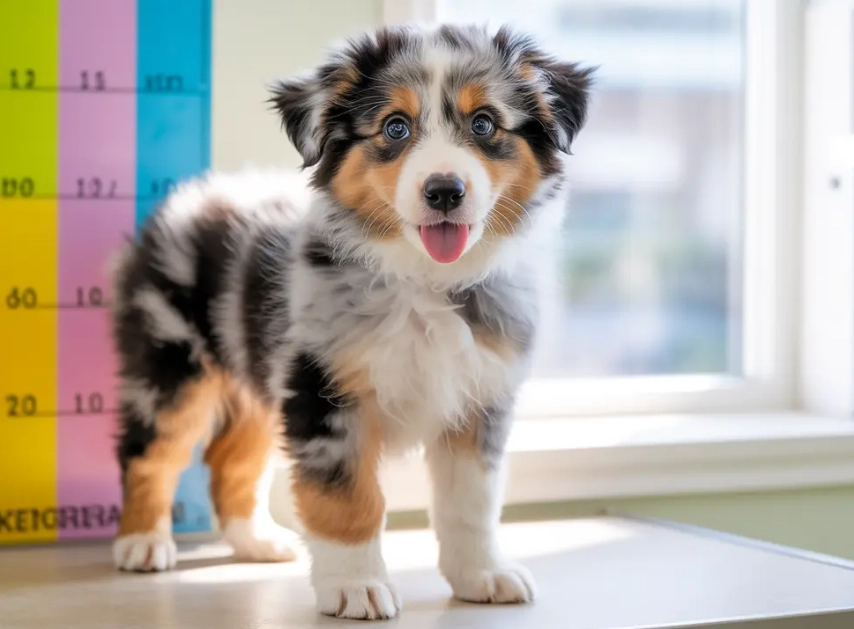
What to Expect in This Guide
The Official Breed Standard: Male vs Female Dimensions
The American Kennel Club (AKC) provides the blueprint. According to the AKC Australian Shepherd breed standard, size is clearly defined. It's not a single number, but a preferred range that prioritizes balance and agility over sheer mass.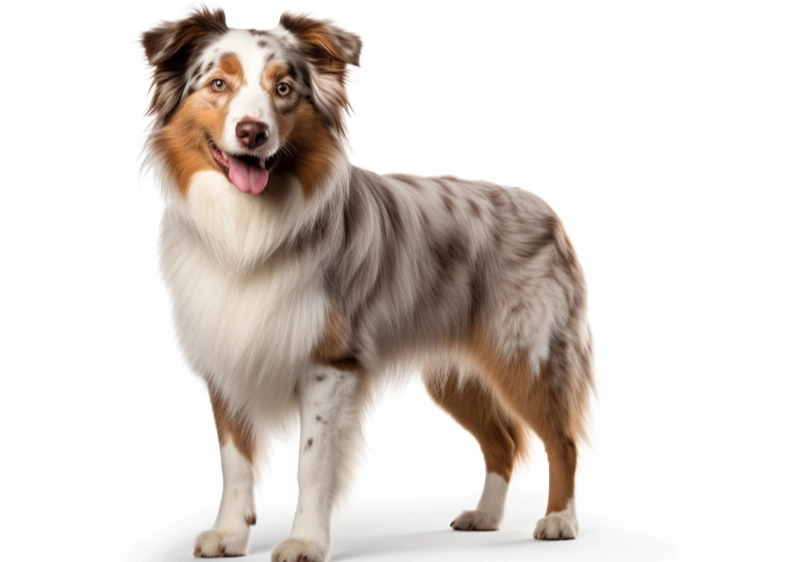
| Gender | Height (at the shoulder) | Weight |
|---|---|---|
| Male Australian Shepherd | 20 to 23 inches (51 to 58 cm) | 50 to 65 pounds (23 to 29 kg) |
| Female Australian Shepherd | 18 to 21 inches (46 to 53 cm) | 40 to 55 pounds (18 to 25 kg) |
Notice the overlap? A small male might be the same height as a large female. The key takeaway is proportion. An Aussie's length from breastbone to rump should be slightly longer than their height, creating that iconic rectangular silhouette built for endurance running.
Here's where new owners get tripped up: the coat. A fully-coated Aussie can look 10-15 pounds heavier than they are. I've had people swear my 52-pound male was pushing 70. Run your hands over their ribs and spine. You should feel them easily under a thin layer of muscle and fat. If you can't, you're likely looking at fluff or a weight issue.
From Puppy to Adult: Growth Patterns & What to Monitor
Aussie puppies don't grow at a steady, predictable pace. They go through intense growth spurts followed by periods where they seem to just... fill out. Most of their height is achieved by 10-12 months, but they'll continue to gain muscle and chest depth until they're about 2 years old.
This is a rough Australian Shepherd puppy growth chart, but treat it as a guide, not a gospel.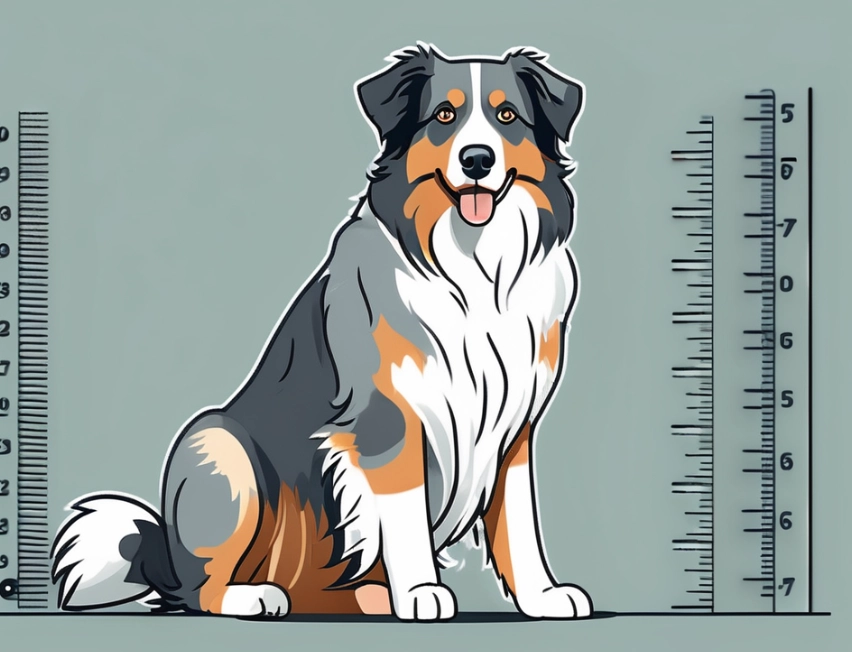
A Rough Growth Timeline:
3 Months: 15-25 lbs. All paws and ears.
6 Months: 30-45 lbs. Lanky and awkward, like a teenager.
9 Months: 75-90% of adult height. Starting to look like a dog.
12 Months: Close to full size, but still a puppy in a big body.
18-24 Months: Fully mature in muscle and bone.
The biggest mistake I see? Owners overfeeding during the 6-12 month "lanky" phase, thinking the puppy is underweight. This rapid weight gain stresses developing joints. An Aussie puppy should be lean. You should see a waistline and easily feel their ribs. A pudgy puppy is a problem waiting to happen.
How to Measure Your Aussie Correctly
Forget the bathroom scale guesswork. Use a breed-specific weight chart as a starting point, but your eyes and hands are better tools. The AKC provides a general guideline, but individual genetics play a huge role. The real test is the physical condition. Your Aussie should have a defined waist when viewed from above, and you should be able to feel (but not see) their ribs.
What Influences an Australian Shepherd's Final Size?
Genetics are the main driver, but they're not the whole story.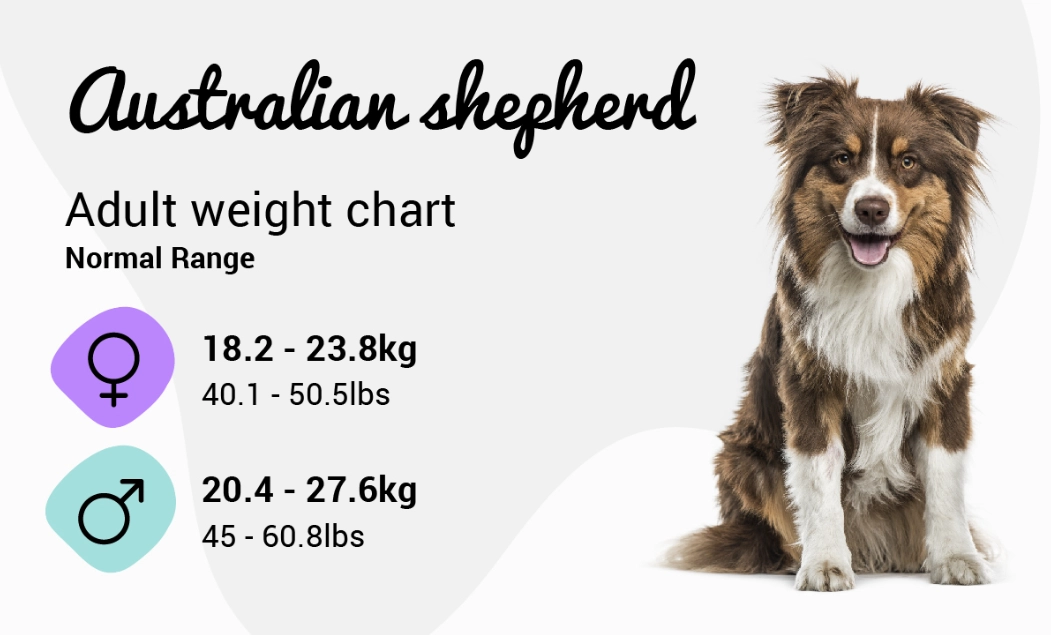
1. Breeding Lines
Show lines are often bred meticulously to hit the middle of the breed standard. Working lines can be more variable. Some ranchers prefer a slightly stockier, tougher dog, while others want a lighter, faster one. I've seen working Aussies from different regions that look almost like separate breeds.
2. Nutrition
This is the factor you control. A high-quality, large-breed puppy food is non-negotiable. These formulas have controlled calcium and phosphorus levels to support steady bone growth. Feeding adult food or a generic puppy food to an Aussie is asking for trouble.
3. Health Issues
Certain conditions can stunt growth or cause unhealthy weight gain. Hypothyroidism, while not super common, can lead to obesity. More critically, joint issues like hip dysplasia can be exacerbated by improper growth rates.
The Miniature and Toy Australian Shepherd Controversy
This is a rabbit hole. You'll see "Mini Aussies" and "Toy Aussies" advertised. It's crucial to know that these are not recognized varieties of the Australian Shepherd by the AKC or the Australian Shepherd Club of America (ASCA).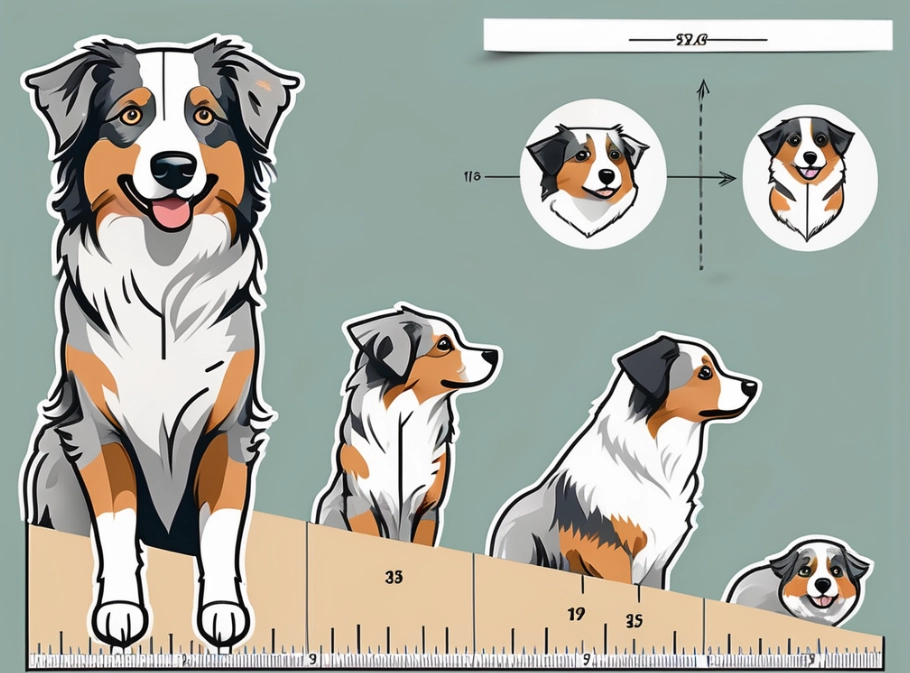
The Miniature American Shepherd is its own separate breed, recognized by the AKC. It was developed from small Australian Shepherds. "Toy" is not an official size for either breed and often involves crossing with even smaller dogs, which raises major red flags about predictability and health.
My blunt opinion? If a breeder is marketing "Toy Aussies," run. The breeding practices to achieve that tiny size often ignore critical health clearances. You might get a cute dog, but you're also rolling the dice on a host of genetic problems. If you want a small, herding-type dog, seek out a responsible Miniature American Shepherd breeder who does full health testing.
Size and Your Lifestyle: The Practical Implications
So your Aussie fits the standard. What does that mean for daily life?
Space: They are adaptable but not apartment dogs by nature. A house with a yard is ideal, but the yard isn't a substitute for exercise. A bored Aussie in a big yard will just find more creative ways to get into trouble. Mental stimulation trumps square footage every time.
Exercise Needs: Their size is built for motion. We're talking 60-90 minutes of vigorous activity daily. Not a slow walk. Running, hiking, fetch, agility, herding lessons. If that sounds exhausting, this isn't your breed. An under-exercised Aussie becomes anxious, destructive, and vocal.
Costs: Everything scales up. Food bills for a 55-pound dog are significant. Vet bills are based on weight for medications. Larger crates, bigger beds, stronger toys—it all adds up. A bag of high-quality food lasts my two Aussies about three weeks.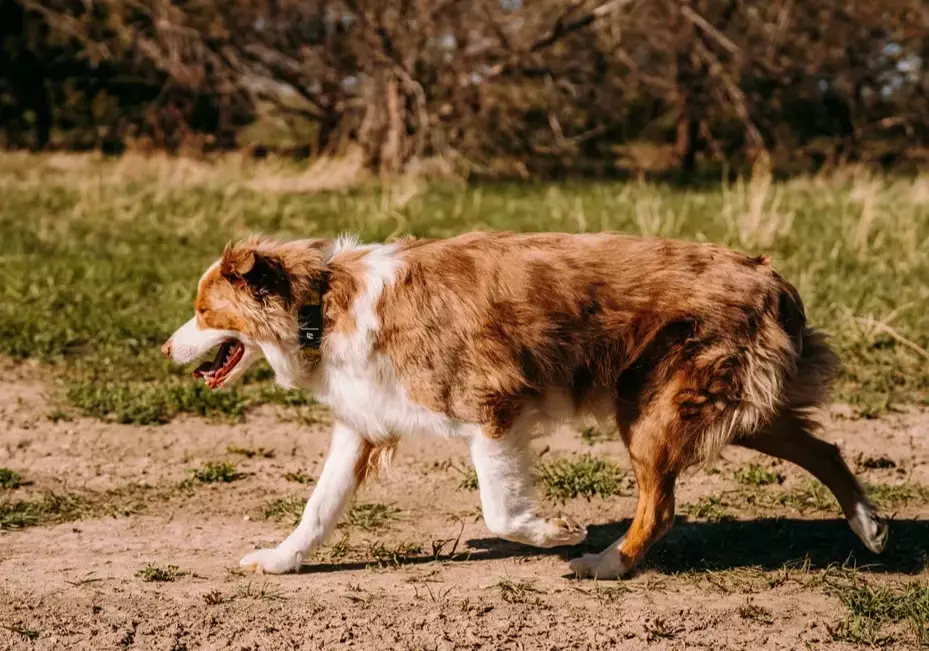
Your Australian Shepherd Size Questions Answered
Is an Australian Shepherd considered a large or medium dog?
The Australian Shepherd is firmly classified as a medium-sized dog. While they are robust and athletic, their height and weight ranges fall squarely within the medium category. A common misconception arises because of their thick double coat, which can make them appear much larger than they actually are. Underneath all that fur, the breed standard calls for a balanced, agile frame built for stamina, not sheer bulk. Comparing them to a true large breed like a German Shepherd or a Labrador Retriever will show a noticeable difference in bone structure and overall mass.
How can I tell if my Australian Shepherd puppy is the right size for its age?
Forget generic puppy charts. For Aussies, monitoring weight relative to skeletal growth is key. A puppy gaining too much weight too fast puts immense stress on developing joints, a prime setup for hip dysplasia. Use a growth chart as a rough guide, but rely more on visual and tactile checks. You should easily feel their ribs under a thin layer of fat, and they should have a visible waist when viewed from above. If your pup looks round or you struggle to feel individual ribs, talk to your vet about adjusting their diet, even if the number on the scale seems "normal" for their age.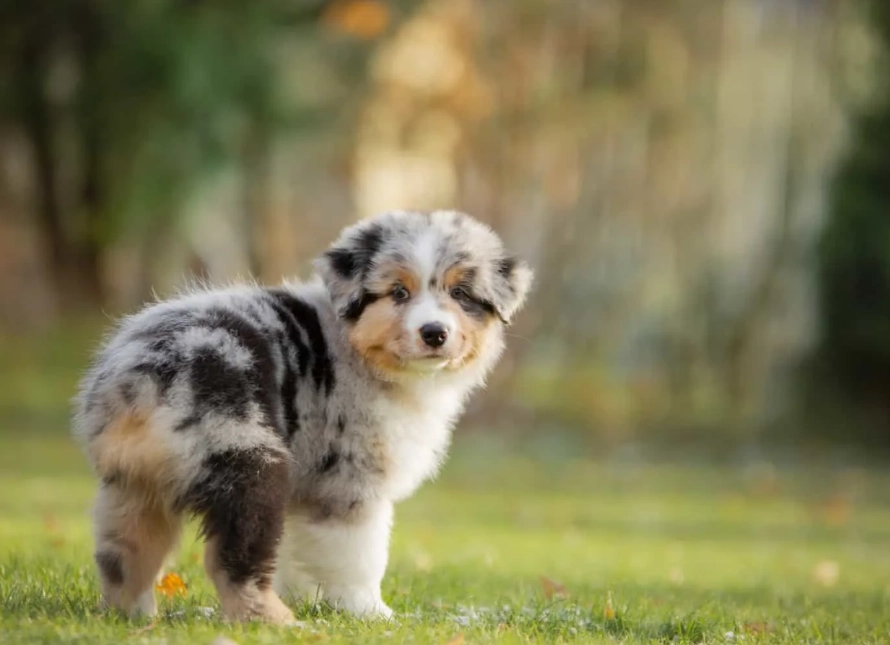
My Australian Shepherd is taller than the breed standard. Does this mean he's not purebred?
Not necessarily. Variation exists, even within well-bred litters. A slightly oversize Aussie can still be purebred, but it often indicates breeding that didn't prioritize adherence to the established standard. The bigger concern is why the standard exists: size is tied to function. An Aussie significantly over the standard may lose the agility and endurance needed for the herding work they were bred for. It can also correlate with a higher risk for certain joint issues. If you didn't get your dog from a breeder who health-tests and shows their dogs, size deviation is more common and less tied to preserving the breed's working integrity.
What's the biggest health mistake owners make related to Australian Shepherd size?
The single biggest mistake is overfeeding a growing puppy to achieve a "big, strong" look. Aussies are not meant to be heavy. Excess weight during growth phases is the leading modifiable risk factor for orthopedic diseases like hip and elbow dysplasia. Many owners see a lean, lanky adolescent Aussie and panic, thinking they're underweight. That leggy, slightly awkward phase is completely normal. Piling on food to fill them out prematurely can cause lifelong problems. It's far safer for an Aussie to be slightly lean than to carry even a few extra pounds during their first 18-24 months.
 Understanding Australian Shepherd size is about more than just numbers. It's about recognizing the athletic, balanced form that defines the breed. It's about making informed choices for their long-term health, from selecting a responsible breeder to managing their diet and growth. By focusing on the standard, prioritizing lean muscle over bulk, and respecting their high-energy needs, you set your Aussie up for a long, active, and healthy life. That’s the real goal.
Reader Comments