Let's cut to the chase: American Staffordshire Terriers, or AmStaffs, have a temperament that's often misunderstood. They're not the aggressive monsters some media portrays. In reality, with proper care, they're loyal, affectionate, and surprisingly gentle dogs. I've seen too many people get this wrong, basing decisions on hearsay instead of facts. If you're considering an AmStaff or already have one, understanding their true nature is key to a happy relationship.
Jump to What Matters
- What Exactly is American Staffordshire Terrier Temperament?
- The Loyal and Affectionate Nature of AmStaffs
- Training Your American Staffordshire Terrier: Key Strategies
- Debunking Myths: The Truth About AmStaff Aggression
- Living with an AmStaff: Daily Life and Care
- FAQ: Expert Answers to Your Burning Questions
What Exactly is American Staffordshire Terrier Temperament?
Temperament isn't just about being friendly or mean; it's the dog's overall personality, shaped by genetics and environment. For AmStaffs, the American Kennel Club describes them as confident, good-natured, and keenly alive to their surroundings. But here's something most articles miss: their temperament can vary widely based on lineage. I once met an AmStaff from a show line that was more laid-back, while another from working stock had endless energy. It's crucial to ask breeders about the parents' temperaments, not just health clearances.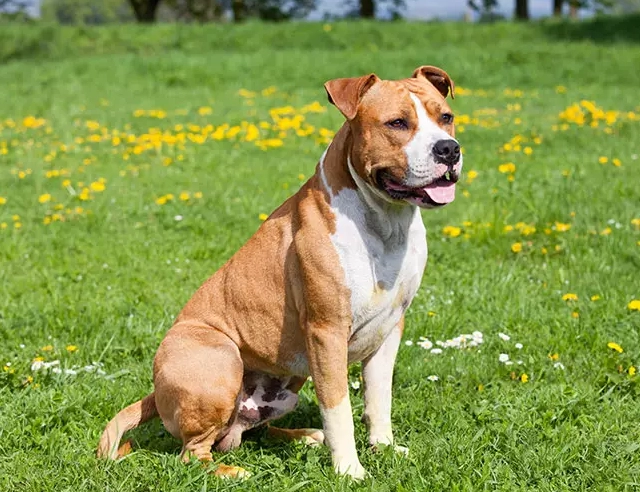
Many people assume all AmStaffs are the same, but that's like saying all humans have identical personalities. Genetics play a role, but so does early socialization. A study from the University of Pennsylvania's School of Veterinary Medicine highlights how early experiences significantly impact dog behavior, and AmStaffs are no exception.
The Loyal and Affectionate Nature of AmStaffs
AmStaffs are often called "nanny dogs" for a reason. They tend to form strong bonds with their families and are protective without being overly aggressive. Key traits include:
- Loyalty: They stick by their people, sometimes to a fault. I've seen an AmStaff refuse to leave its owner's side during a hospital visit.
- Affection: They crave physical contact—think couch cuddles and leaning against your leg.
- Intelligence: Quick learners, but this can backfire if they're bored. A bored AmStaff might chew furniture out of frustration.
- Playfulness: They retain puppy-like energy for years, which is great for active households but challenging for sedentary ones.
One common mistake new owners make is underestimating their need for mental stimulation. It's not enough to just walk them; you need to engage their brains with puzzles or training sessions.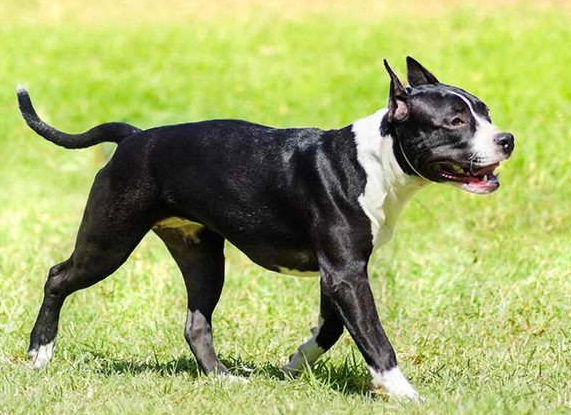
How AmStaff Temperament Develops: Nature vs. Nurture
It's a mix. Genetics set the baseline, but environment shapes it. For example, an AmStaff raised with positive reinforcement and exposure to different people will likely be more well-adjusted than one isolated or punished harshly. I recall a case where a rescue AmStaff, initially fearful, blossomed into a confident dog after months of patient training. The key is consistency from puppyhood.
Training Your American Staffordshire Terrier: Key Strategies
Training isn't optional for AmStaffs; it's essential. Their strength and intelligence mean they can become unruly without guidance. Start early—ideally at 8-10 weeks old. Use positive reinforcement methods, like treats and praise, because they respond poorly to harsh corrections. A study published in the Journal of Veterinary Behavior shows that reward-based training reduces aggression risks in strong breeds.
Socialization Tips
Socialization isn't just about meeting other dogs; it's about exposing them to various environments, sounds, and people. Do this between 3-14 weeks. Take them to parks, busy streets, and invite friends over. But avoid dog parks initially—too many uncontrolled variables. Instead, set up playdates with known, calm dogs.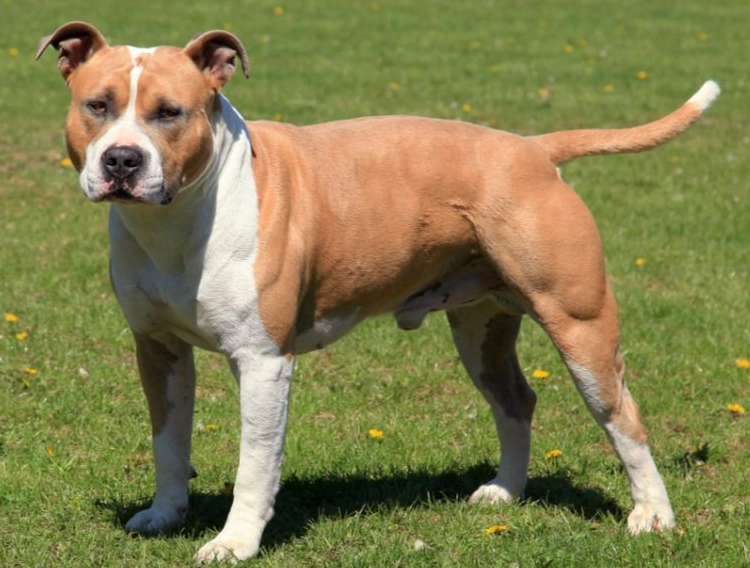
Obedience Training
Focus on basic commands: sit, stay, come, and leave it. AmStaffs can be stubborn, so keep sessions short and fun. A pro tip: use high-value treats like chicken bits to maintain interest. I've seen owners struggle because they use the same boring kibble every time.
Personal Anecdote: My friend's AmStaff, Max, was a puller on walks. Instead of yanking the leash, they used a front-clip harness and practiced "heel" with treats. Within weeks, walks became enjoyable. It's about finding what motivates your dog.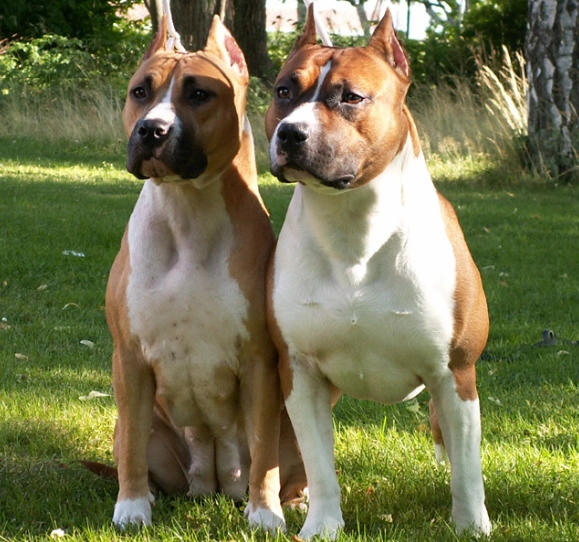
Debunking Myths: The Truth About AmStaff Aggression
Let's tackle the elephant in the room: aggression. AmStaffs are often labeled as inherently aggressive, but that's a myth perpetuated by media sensationalism. According to the American Veterinary Medical Association, breed alone is a poor predictor of aggression; factors like owner behavior and socialization matter more. In fact, AmStaffs score well on temperament tests conducted by organizations like the American Temperament Test Society, with pass rates around 85%.
However, they can be dog-selective or have high prey drive, which some mistake for aggression. This isn't unique to AmStaffs; many terriers share this trait. The real issue is irresponsible ownership—like not supervising interactions or using punishment-based training.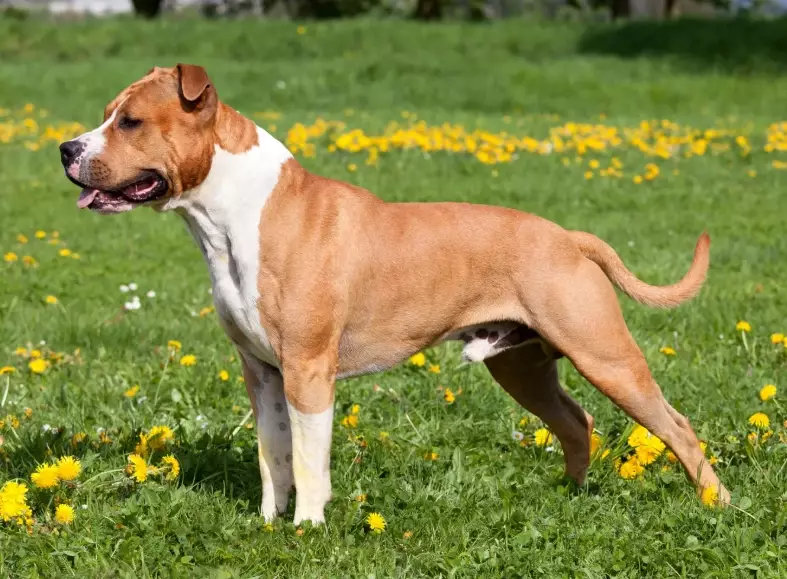
Here's a table comparing AmStaff temperament myths vs. realities:
| Myth | Reality |
|---|---|
| AmStaffs are naturally human-aggressive | They're typically people-oriented and affectionate with family |
| They can't live with other pets | With proper socialization, many coexist peacefully with cats and dogs |
| They're too dangerous for families | They're known for being gentle with children when raised correctly |
Living with an AmStaff: Daily Life and Care
Daily life with an American Staffordshire Terrier requires commitment. They need at least 60 minutes of exercise daily—split into walks, playtime, and training. Mental stimulation is equally important; try puzzle toys or hide-and-seek games. Without it, they might develop destructive behaviors.
Exercise and Mental Stimulation
Mix it up: morning walks, evening fetch sessions, and weekend hikes. AmStaffs enjoy activities like agility or weight pulling, which tap into their strength and intelligence. I've seen owners burn out by doing the same routine every day; variety keeps the dog engaged.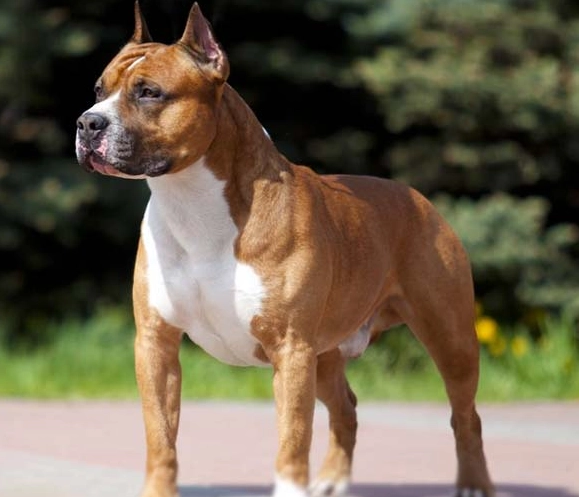
Family Compatibility
AmStaffs can thrive in families with children, but supervision is non-negotiable. Teach kids how to interact respectfully—no tail-pulling or bothering the dog while eating. Also, consider your living situation: they do better in homes with yards, but apartments can work if you're diligent about exercise.
Health-wise, AmStaffs are prone to certain conditions like hip dysplasia or skin allergies, which can affect temperament if they're in pain. Regular vet check-ups are a must. A report from the Orthopedic Foundation for Animals notes that screening breeders for health issues can reduce these risks.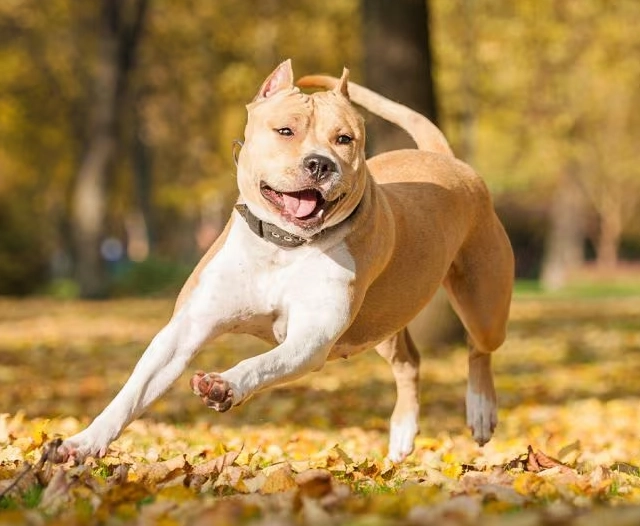
FAQ: Expert Answers to Your Burning Questions
In summary, American Staffordshire Terrier temperament is complex but manageable with knowledge and effort. They're not for everyone—their energy and strength demand an active, committed owner. But if you're willing to put in the work, you'll get a loyal companion that defies stereotypes. Don't let myths cloud your judgment; focus on individual personality and proper care.
Reader Comments