You see an Azawakh from across the park. The first thing that hits you isn't the color or the grace—it's the sheer, vertical lift. Those endless legs, the runway-model stance. It's breathtaking. But if you're thinking about sharing your life with one, or if you're just trying to figure out if your own dog is growing right, that height becomes a practical puzzle. It's not just about aesthetics; it's a window into their health, their breed standard, and whether they'll comfortably fit on your couch (spoiler: they will, diagonally). Let's talk about what Azawakh height really means, beyond the tape measure.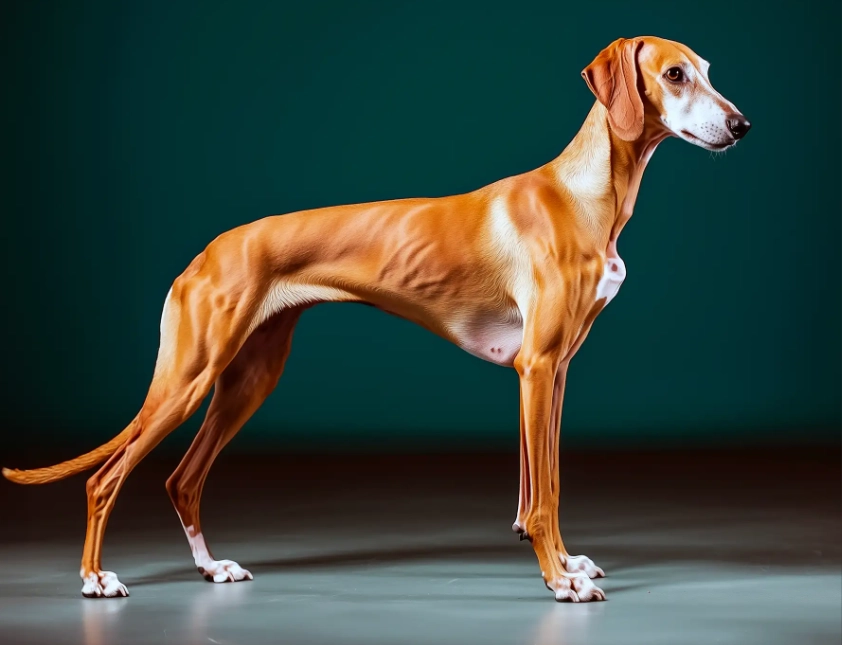
In This Azawakh Height Guide
The Official Breed Standard: What the Numbers Say
Major kennel clubs like the Fédération Cynologique Internationale (FCI) and the American Kennel Club (AKC) are pretty specific. They don't give a single number but a range, and it differs by sex. For males, the ideal height at the withers (the highest point of the shoulder blades) is between 64 and 74 cm (that's about 25 to 29 inches). Females are typically between 60 and 70 cm (roughly 24 to 27.5 inches).
Here's the nuance most blogs miss: the standard always couples height with weight. It's the ratio that creates the correct, arid-adapted silhouette. A 29-inch male should weigh between 44 and 55 lbs (20-25 kg). A 27-inch female should be in the 33-44 lb (15-20 kg) range. If you have a dog at the top of the height range but it's weighing 70 pounds, that's not a "big boned" Azawakh—that's an incorrect, heavy dog that has strayed from its functional purpose.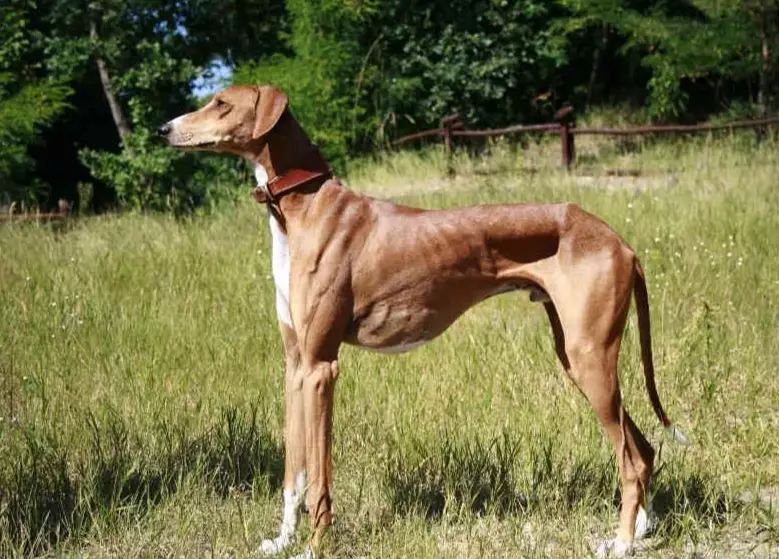
A Quick Comparison: Azawakh vs. Other Sighthounds
People often confuse them with Sloughis or Salukis. While similar in type, the height difference is a key identifier. A male Saluki standard tops out at about 28 inches, similar to an Azawakh, but Salukis are often more substantially built in the body. A Greyhound male can be taller (up to 30 inches) but is massively more muscular and broad-chested. The Azawakh's magic is in its combination of significant height with extreme leanness and a unique, tucked-up underline.
How to Measure Your Azawakh Correctly (Most People Get It Wrong)
You need a rigid ruler or a measuring stick and a helper. A soft tape measure sagging over the shoulders will give you a false, shorter reading.
- Find the Withers: Have your dog stand on a level surface. Feel for the prominent bony points at the top of the shoulder blades. This is the highest, fixed point of the body.
- Position the Tool: Place the end of your ruler perpendicular to the ground, right at the withers.
- Read to the Ground: Have your helper ensure the dog's head is in a natural position (not looking up or down, which can shift the shoulders). Read the measurement where the ruler meets the ground.
The biggest mistake I see? People measure to the top of the head or the ears. That's useless for breed standard or crate-buying purposes. It's the height at the shoulders that determines their physical structure and space requirements.
The Puppy Growth Rollercoaster: Don't Panic
Azawakh puppies grow in bizarre spurts. They'll be all legs and ears for months, looking like they'll definitely hit 30 inches, then they'll seem to stop for ages while they fill out in the chest. Their final adult height is largely genetically predetermined. Over-supplementing with calcium or pushing high-protein diets in an attempt to "maximize growth" is a recipe for developmental orthopedic diseases. Feed a balanced, large-breed puppy diet recommended by your vet and let their unique blueprint unfold.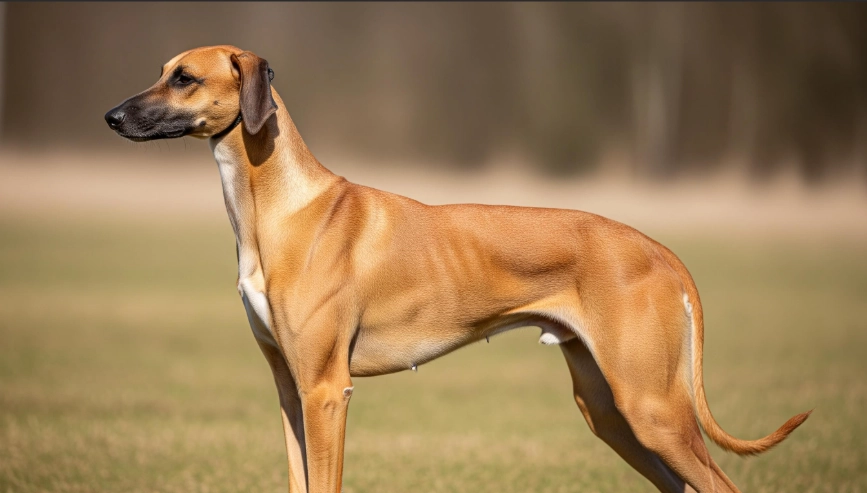
Why Height Matters More Than You Think: Health & Performance
This isn't vanity sizing. Every inch of that height is engineered for a specific function in the harsh Sahel region they come from.
Speed and Stamina: Long legs equal a longer stride. This allows them to cover ground efficiently at high speeds with less energy expenditure, crucial for chasing game over long distances in blistering heat.
Thermoregulation: A taller, leaner body has more surface area relative to its volume. This allows for more efficient cooling—a vital trait for a desert dog.
The Health Trade-Off: That elegant height comes with vulnerabilities. They are more prone to certain injuries. A tall, lightweight dog making a sharp turn at speed is putting incredible torque on slender wrists and hocks. I've seen more than one Azawakh suffer a sprain or carpal issue from a reckless play session on slippery hardwood floors. Their height also raises their center of gravity, making them more likely to topple over if bumped by a larger, lower dog.
This is why maintaining a lean weight is non-negotiable. Every extra pound is magnified stress on those elevated joints.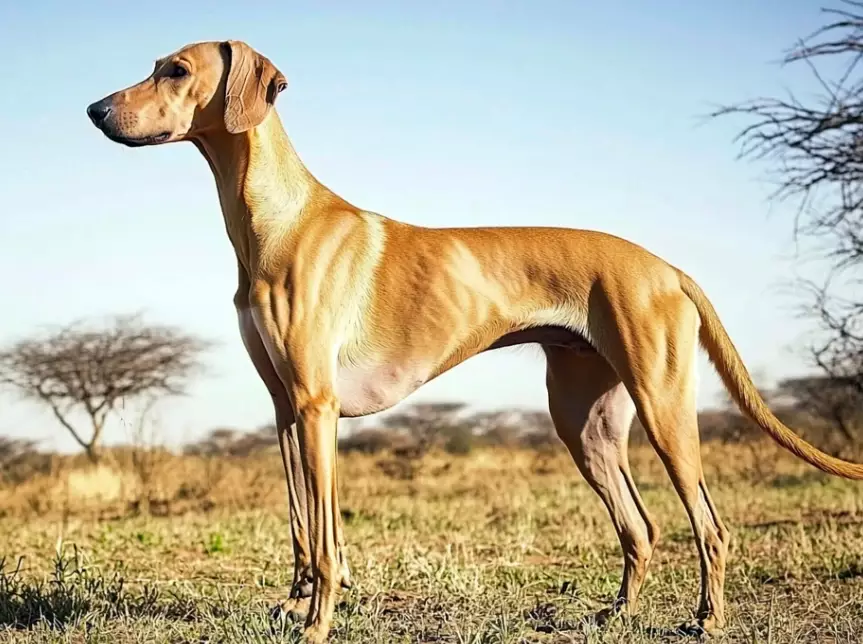
Azawakh Height and Owner Compatibility: A Reality Check
Let's run a mental scenario. You're 5'5". You see a stunning 28-inch male Azawakh. You picture peaceful walks. Now, imagine that dog seeing a squirrel. That 55-pound weight is all muscle and impulse, attached to a lever (the neck and body) that is nearly as tall as you. If you are not physically strong, confident, and trained in managing sighthound prey drive, that beautiful height becomes a liability on the other end of the leash.
Conversely, their height makes them world-class counter-surfers. Nothing on the kitchen island is safe. Ever.
But there's a lovely upside. That height brings their head right to hand-level for easy petting. When they curl up next to you, they can span the entire length of a sofa, making them sublime, if space-hogging, cuddle companions. You just need to be prepared for the logistics of a dog built like a supermodel on stilts.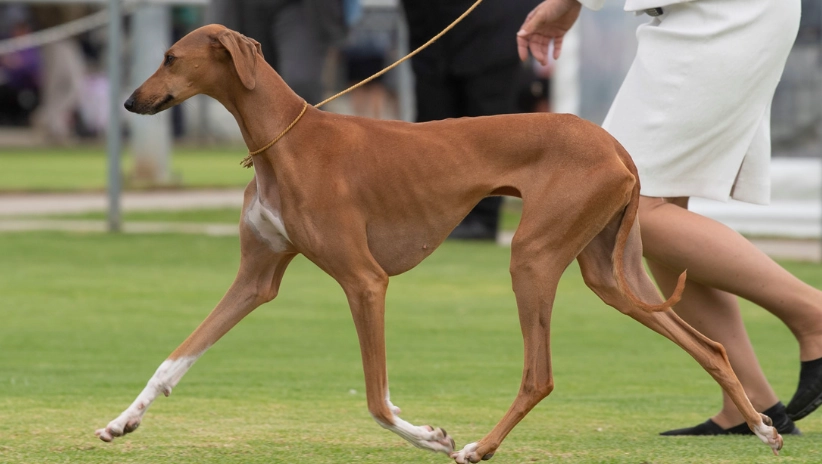
Your Azawakh Height Questions, Answered
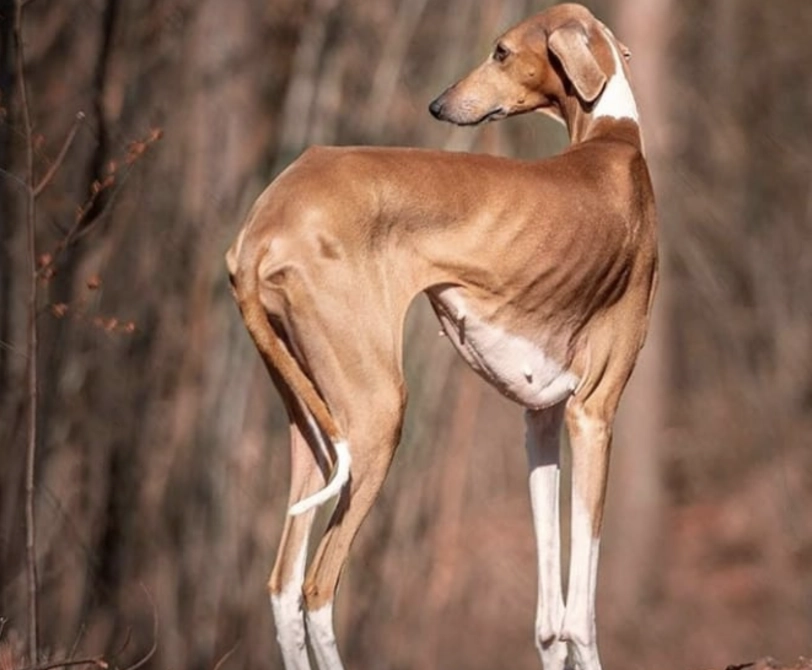 So, Azawakh height. It's the first thing you notice, but understanding it is the key to everything that follows—from choosing a responsible breeder whose dogs fit the standard, to ensuring your own dog's long-term joint health, to simply buying a crate that fits. It's the foundational measurement of a breed built for extremes, and respecting it is part of respecting them.
Reader Comments