You see them in photos, all lean muscle and elegant angles, and the question pops into your head: just how fast is an Azawakh? It's not just curiosity. If you own one, are thinking about it, or work with sighthounds, understanding Azawakh speed is about more than a number. It's about their health, their happiness, and unlocking what they were born to do. I've spent over a decade around these aloof athletes, and I can tell you, most of what you read online misses the point entirely. We're not talking about a dog that just runs fast. We're talking about a finely-tuned endurance sprinter, and the difference matters.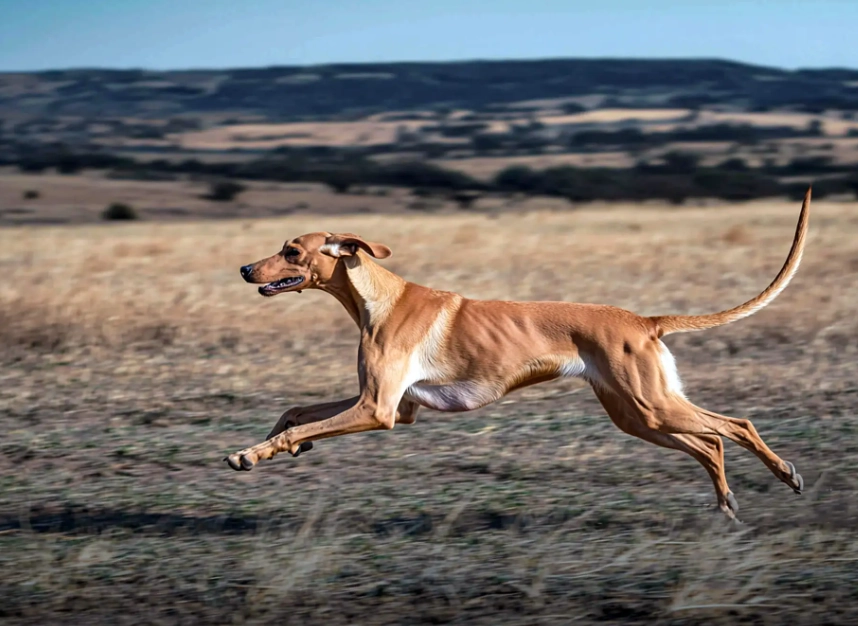
What You'll Discover About Azawakh Speed
How Fast Can an Azawakh Actually Run?
Let's cut through the hype. You'll see claims of 40+ mph (64+ km/h) thrown around. Is it possible? Maybe for a split second, under perfect conditions, with a tailwind. But that's not the useful figure.
The real story is in sustained chase speed. From my observations and data shared by lure coursing enthusiasts, a fit Azawakh typically operates in a range of 35-38 mph (56-61 km/h) during a course. That's blisteringly fast. To put it in perspective, a Greyhound might hit a higher top end (often cited around 45 mph), but the Azawakh's genius is in its combination of explosive acceleration and remarkable stamina over varied terrain.
I remember timing a male named Kaito on a straight 200-meter dash on a dry lake bed. Using a GPS tracker, his peak readout was 37.2 mph. But what was more impressive was how quickly he got to that speed from a standing start. One second he was poised, the next he was a blur. That initial burst is what made ancient hunters so effective.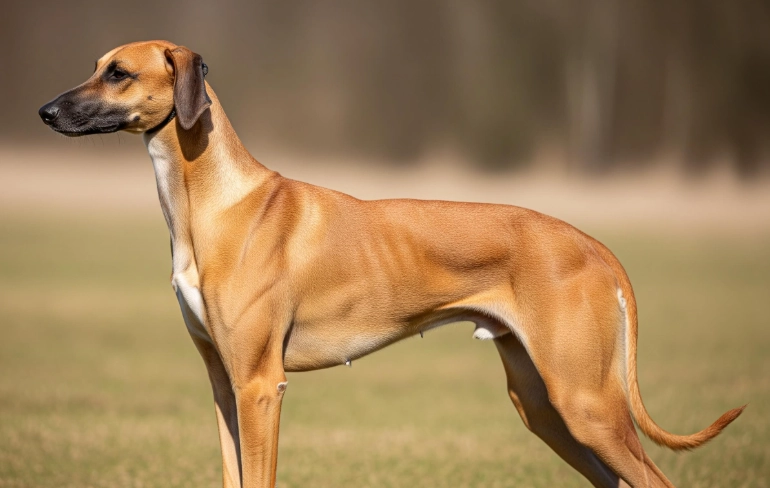
| Breed | Estimated Top Speed (mph) | Key Strength | Typical Use |
|---|---|---|---|
| Azawakh | 35-38 | Acceleration & Rough-Terrain Agility | Coursing, Lure Sports |
| Greyhound | 40-45 | Maximum Top Speed on Flat Tracks | Track Racing |
| Saluki | 30-35 | Extreme Distance & Heat Endurance | Desert Coursing |
| Whippet | 30-35 | Quick Turns & Compact Power | Lure Coursing, Racing |
How do you measure it? Professional lure coursing events are the gold standard. Organizations like the American Kennel Club or the International Federation of Cynological Sports host events where speed, agility, and endurance are scored. For the home enthusiast, a reliable GPS dog activity collar (think brands like Garmin or FitBark designed for sport) can give you fascinating, if not perfectly precise, data on your own land.
The Anatomy of Speed: Why Azawakhs Are Built to Run
Their speed isn't an accident. It's written into every inch of their frame, a result of millennia of evolution in the harsh Sahel region of Africa. It's form following a very specific function.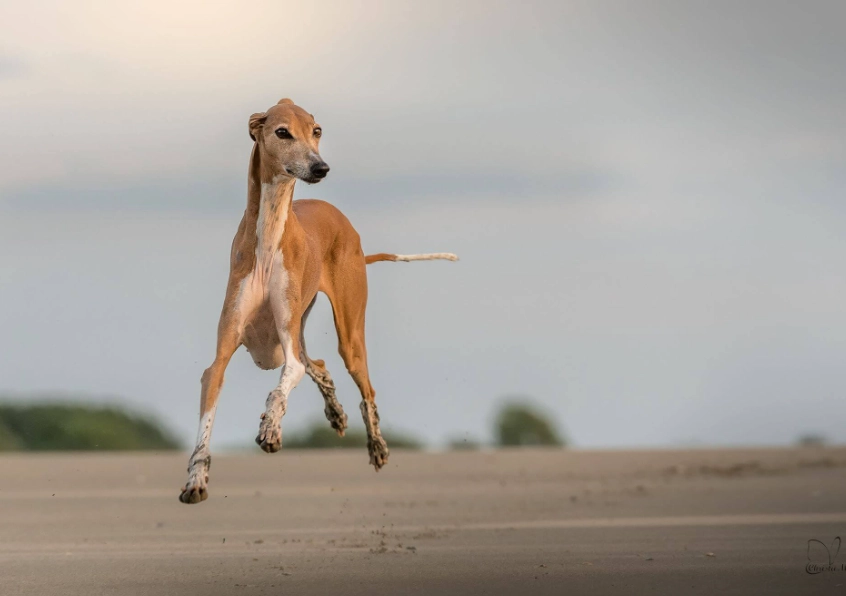
Look at the chest. It's incredibly deep, housing a large heart and lungs for superior oxygen processing. But it's also narrow when viewed from the front—this "tucked up" flank reduces air resistance and allows for a greater range of motion in the front legs. Then there's the back. It's long and slightly arched, acting like a spring to store and release energy with each stride. Their legs are almost comically long and fine-boned, which lengthens their stride, but don't mistake leanness for weakness. The muscles are long, flat, and dense, built for repetitive, powerful contraction rather than bulk.
Most articles talk about the angles of the shoulders and hips (and yes, they're ideal for extension). But here's a subtlety most miss: the foot. The Azawakh has a pronounced hare foot—long, arched toes with tough pads. This acts like a natural shock absorber and gripping tool on sand, rock, and hardpack. Compare that to a Greyhound's more compact foot, better suited for a uniform track surface. This foot design is a direct clue to their all-terrain capability.
Their muscle fiber composition is also key. They have a high percentage of fast-twitch fibers for explosive power, but also a significant amount of slow-twitch fibers for endurance. This hybrid makeup is why they can sprint after game and keep going where other pure sprinters would tire.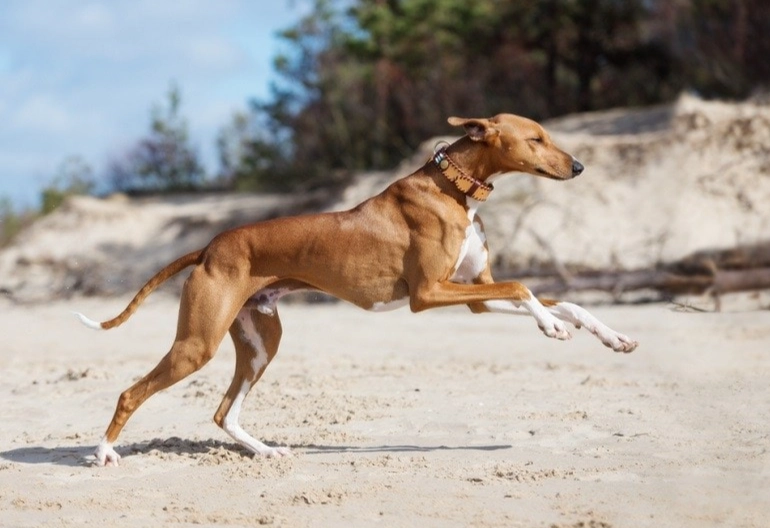
How to Train an Azawakh for Optimal Speed
This is where new owners flounder. You don't "train" an Azawakh for speed in the way you'd train a human athlete with drills. You channel it. You build the foundation that allows their innate ability to express itself safely and consistently.
The biggest mistake? Assuming a big yard is enough. An Azawakh will trot around a yard. It won't reach top speed. You need to provide the motivation and the safe space.
Step 1: Build the Bond and Foundation. Speed work without rock-solid recall and focus is a disaster waiting to happen. This takes time and patience. Use positive reinforcement, but understand their independent nature. They work with you, not for you. Engage their mind first.
Step 2: Introduce Structured Play. This isn't fetch with a tennis ball.
- Flirt Pole: A giant cat teaser for dogs. It builds explosive turns, jumps, and stops. Start slow, keep sessions short (5-10 mins) to prevent injury.
- Short Sprint Recalls: In a safe area, have a helper hold your dog while you run away 50-100 feet, then call enthusiastically. The chase instinct kicks in.
- Hill Sprints: Gentle inclines build powerful hindquarters. Downhill is risky—avoid it.
Step 3: Access Formal Lure Coursing. This is the pinnacle. A mechanized lure zig-zags across a field, triggering the full predatory sequence. It's the closest thing to their original purpose. Look for "Fast CAT" (Coursing Ability Test) or straight racing events through kennel clubs. It provides objective measurement and a safe outlet.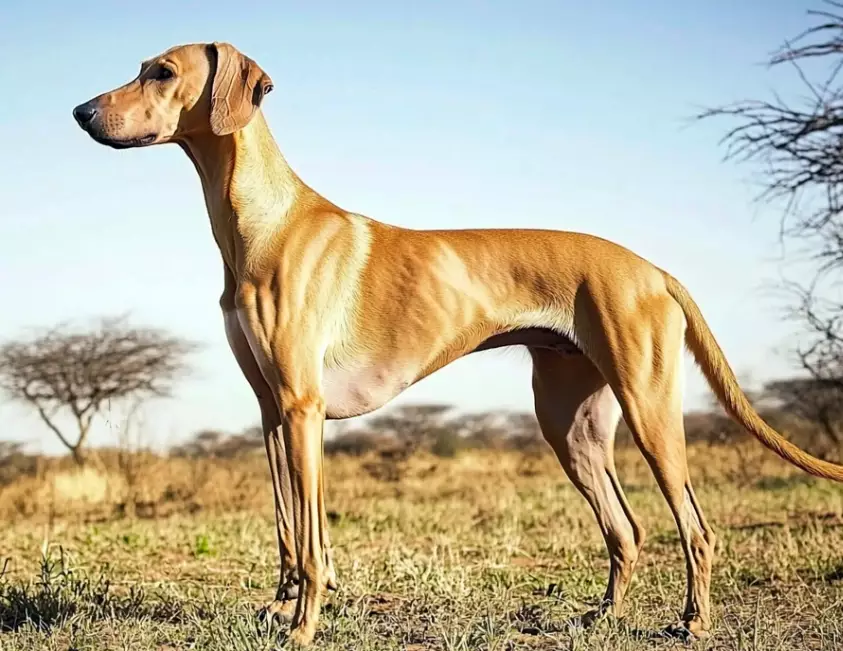
Warm-up and cool-down are non-negotiable. A 10-minute walk progressing to a trot preps the muscles. A 10-minute walk post-sprint helps clear lactic acid. Skip this, and you're begging for a soft tissue injury.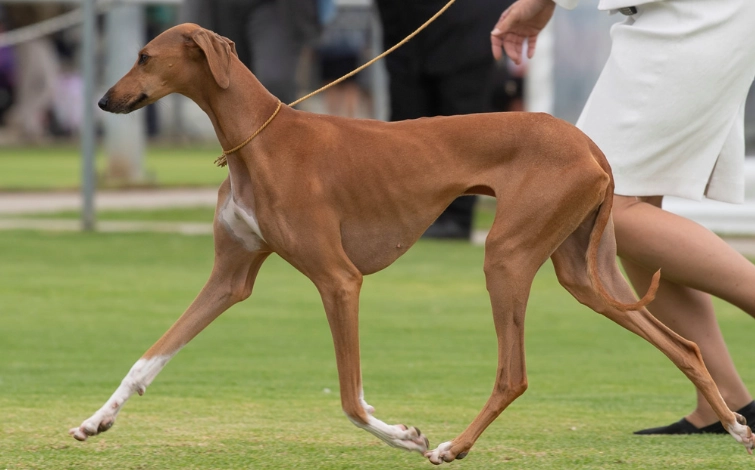
Nutrition and Care: Fueling the Azawakh Engine
You can't run a Formula 1 car on regular gasoline. The Azawakh's metabolism is high, and their nutritional needs are specific, especially when active.
The old-school thought was just to pump them full of protein. Wrong. Excessive protein, particularly from low-quality sources, is wasted and can stress their system. They need highly digestible, balanced nutrition with a focus on:
- Quality Fats: For sustained energy. Look for named sources like chicken fat, salmon oil.
- Joint Support: Glucosamine, chondroitin, and MSM should be in their diet from a young age, preventative care for those fast-twisting joints.
- Electrolytes: For dogs in regular intense work, adding an electrolyte supplement to water after activity aids recovery.
Hydration is another silent killer of performance. An Azawakh will often not drink enough during or immediately after a run. You must encourage it. I always carry a collapsible bowl and offer water in small amounts during breaks.
Vet care is proactive, not reactive. Annual check-ups are a must. Discuss a preventative cardiac ultrasound with a vet familiar with sighthounds. Their deep chests make them susceptible to certain heart conditions. Knowing their baseline is priceless. Regular checks of those long toes and nails are also essential—a torn nail can sideline them for weeks.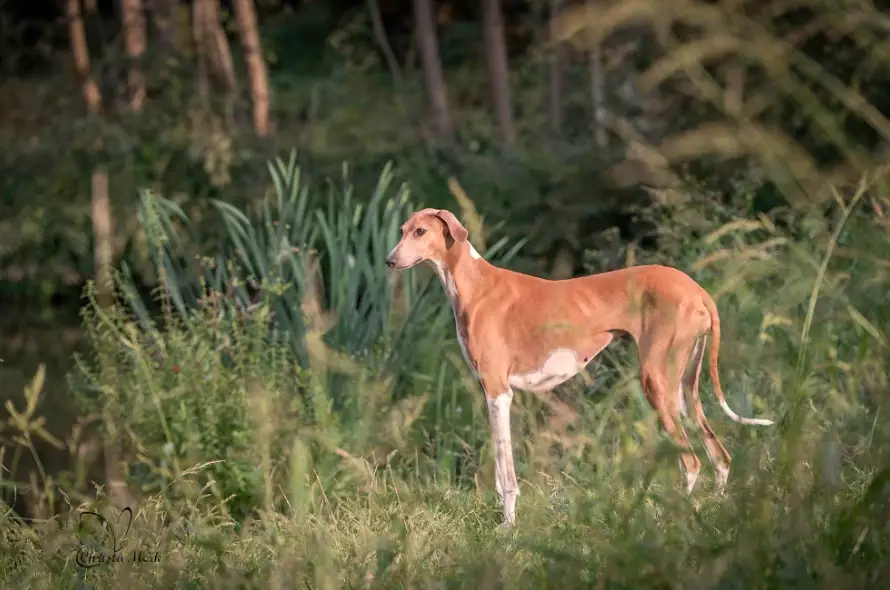
Common Misconceptions About Azawakh Speed
Let's bust some myths I hear all the time.
Myth 1: "They need to run for hours every day." False. This is a recipe for an over-stressed, injured dog. They are sprinters. They need short, intense bursts of activity (20-30 minutes of focused work) interspersed with plenty of mental stimulation and rest. A bored Azawakh with pent-up energy is destructive; a tired Azawakh is content.
Myth 2: "If they're fast, they must be easy to tire out." Oh, how I wish. Their endurance, especially mental alertness, is profound. You might tire their body with a run, but their mind is still on patrol. A combination of physical and mental exercise (puzzle toys, scent work, training sessions) is the only real solution.
Myth 3: "Any fast dog food will do." As we covered, nutrition is nuanced. The "active breed" formula from a generic brand might not cut it. Many experienced owners feed a diet tailored to sighthounds, often involving premium kibble mixed with raw or gently cooked whole foods. Consult an expert.
The bottom line? Azawakh speed is a breathtaking spectacle, but it's also a serious responsibility. It's not a party trick. It's the core of their being. Respect it, nurture it with intelligence, and you'll have a partner of unparalleled grace and power. Ignore its nuances, and you risk frustration or injury.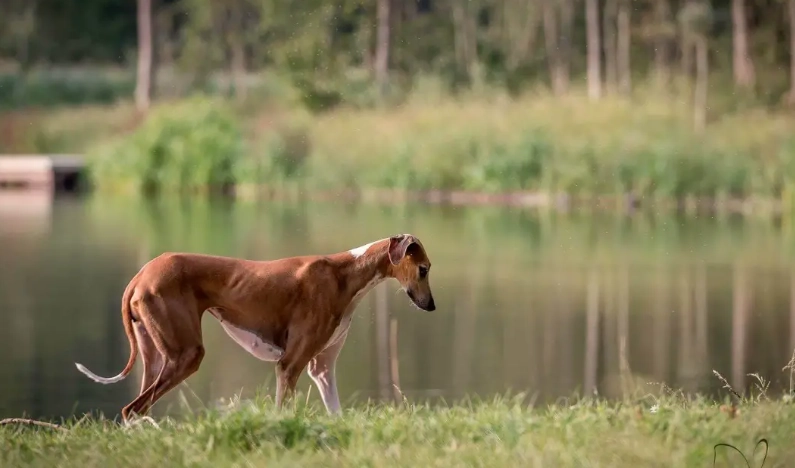
Reader Comments