Let's cut to the chase. If you're looking at pictures of the elegant, deer-like Azawakh and wondering if this rare sighthound could be your next companion, the short answer is: it depends, heavily, on you. This isn't a dog for everyone. In fact, it's a dog for very few people. I've been around sighthounds for over a decade, and the Azawakh stands apart even within this unique group. They're not just "greyhounds with a different coat." To understand if an Azawakh is a good pet, you need to forget generic dog advice and dive into what makes them tick.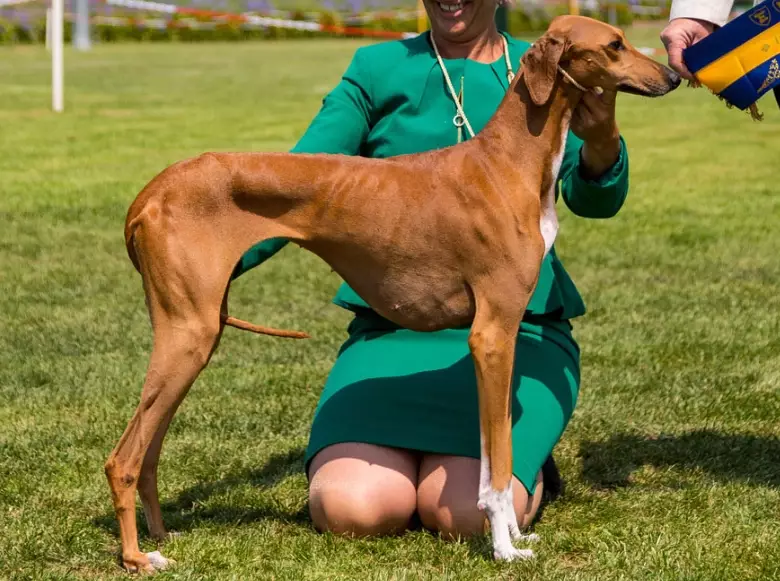
Originating from the Sahel region of Africa (think Mali, Niger, Burkina Faso), they were bred by nomadic Tuareg tribes for centuries. Their job wasn't just to chase game. They were guardians of the camp, livestock, and family. This dual-purpose history—sighthound speed combined with protective loyalty—creates a pet with breathtaking beauty and profound complexity. The American Kennel Club, which recognized the breed in 2019, notes their "deeply reserved" nature with strangers, which is a polite way of putting it.
What's Inside This Guide
The Azawakh Temperament: Beyond "Aloof"
Everyone reads that Azawakhs are "aloof." That word is thrown around so much it's lost meaning. Let me be specific.
With their family, a well-bonded Azawakh is affectionate, sensitive, and often quietly velcro. They'll follow you from room to room, lean against you, and demand gentle pets. The bond is intense and precious.
With strangers, it's a different story. It's not aggression. It's not even shyness. It's a profound, disinterested reserve. A visitor in your home might be completely ignored for hours. They won't seek attention, and they often don't want it offered. This isn't a training issue to fix; it's a core breed characteristic. Expecting an Azawakh to be a greeter is like expecting a herding dog not to chase.
Here's a subtle mistake new owners make: they mistake this reserve for anxiety and try to coddle or reassure the dog when strangers are around. This can actually reinforce nervousness. The goal is calm neutrality, not friendliness. You want your Azawakh to see a guest and think, "Meh," not "Threat!" or "Must hide."
Their sensitivity is off the charts. They notice subtle shifts in mood and environment. A raised voice in a movie can startle them. A tense atmosphere in the house will stress them out. They thrive on quiet consistency.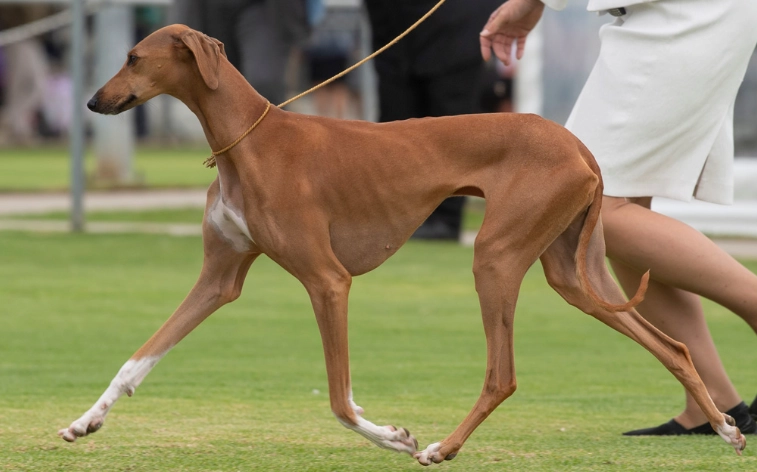
Prey Drive and Independence
They are sighthounds. Movement triggers a chase instinct that is hardwired. Squirrels, cats, small dogs, deer—if it runs, the chase circuit fires. Recall off-leash in an unsecured area is a fantasy with a mature Azawakh in full pursuit mode. This isn't disobedience; it's genetics overriding training.
They are also independent thinkers. They cooperate because they choose to, not because they see you as an ultimate authority. This independence, combined with sensitivity, means harsh training methods are not just ineffective; they are relationship-destroying.
The Ideal Azawakh Owner: Is It You?
Let's be brutally honest. An Azawakh is not a good pet for:
- First-time dog owners.
- People who want a social, dog-park-friendly buddy.
- Those living in apartments without immediate, secure running space.
- Families with very young, unpredictable children.
- Anyone seeking a highly obedient, biddable "working" dog.
The ideal Azawakh owner often has experience with independent breeds (other sighthounds, primitive breeds, some livestock guardians). They value a deep, quiet bond over constant interaction. They have a securely fenced yard (6-foot minimum, no exceptions—these dogs can jump) and appreciate canine aesthetics and history. They are patient, observant, and don't need their dog to perform for external validation.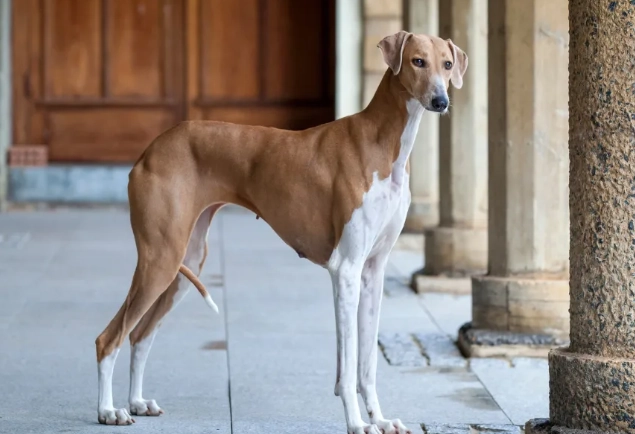
Daily Life, Exercise & Care Needs
Their care is deceptively simple, but the requirements are strict.
Exercise: Sprint, Don't Marathon
This is the biggest make-or-break point. Azawakhs are sprinters, not endurance athletes. A common error is taking them on a 5-mile run. They'll do it, but it builds stamina for the thing you don't want: a dog with more endurance to run away.
What they need is one or two daily opportunities for a 20-30 minute full-speed sprint in a safely enclosed area. A large fenced yard, a secure field, a dog park at off-hours (if empty). This blast satisfies the sighthound "zoomies" at a biological level. After that? They are legendary couch potatoes, content to sleep 18 hours a day. A tired Azawakh is a happy, well-behaved Azawakh. An under-exercised one will find its own fun, usually involving chewing something valuable or pacing restlessly.
Grooming and Climate
Grooming is easy. Their short, fine coat needs only occasional brushing with a rubber hound mitt. They are fastidious, almost cat-like in their cleanliness.
Climate is crucial. They are desert dogs with virtually no body fat and thin skin. They get cold easily. In temperatures below 50°F (10°C), they need a coat or sweater for outdoor trips. They are prone to chills. Conversely, they handle heat well but still need shade and water. Their skin is also sensitive, so they may need a dog bed instead of hard floors to prevent callouses.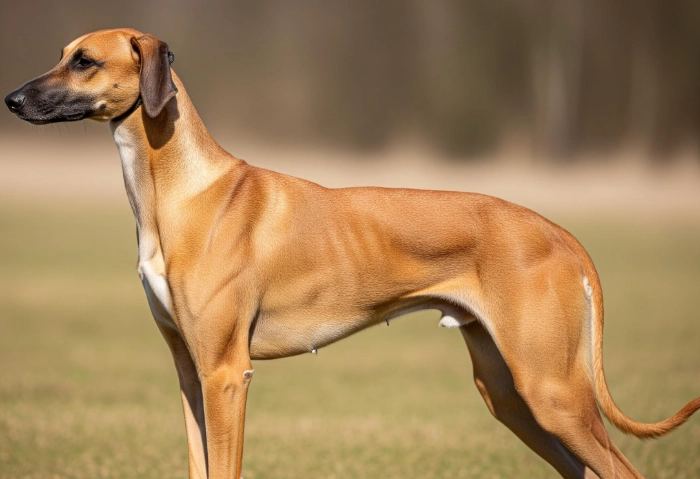
Training an Azawakh: A Different Playbook
Forget traditional, command-heavy training. Think partnership and positive reinforcement.
Socialization is more critical than obedience. From 8 to 16 weeks, expose them positively to every sight, sound, and surface you can: different people (men with hats, children, elderly), traffic noises, umbrellas, floor grates. The goal isn't to make them love these things; it's to teach them the world isn't scary. A well-socialized Azawakh is calmly indifferent to novelty. A poorly socialized one can become fearful or reactive.
Training should be short, fun, and reward-based. Use high-value treats (cheese, chicken). They respond to motivation, not force. Focus on practical skills:
- Recall: Practice in a boring, enclosed space. Make coming to you the best party ever. Never punish a recall, even if it's slow. Out in the world, a long-line (30-50 ft leash) is your safety net, not their recall.
- Leash Manners: They are not natural heelers. Using a well-fitted harness (like a martingale or a sighthound-specific one) can prevent slipping out and give you better control.
- "Leave it" and "Drop it": Potentially life-saving for a dog with high prey drive.
Their intelligence means they learn quickly, but their independence means they'll also question why they should do something. Be more interesting than the distraction.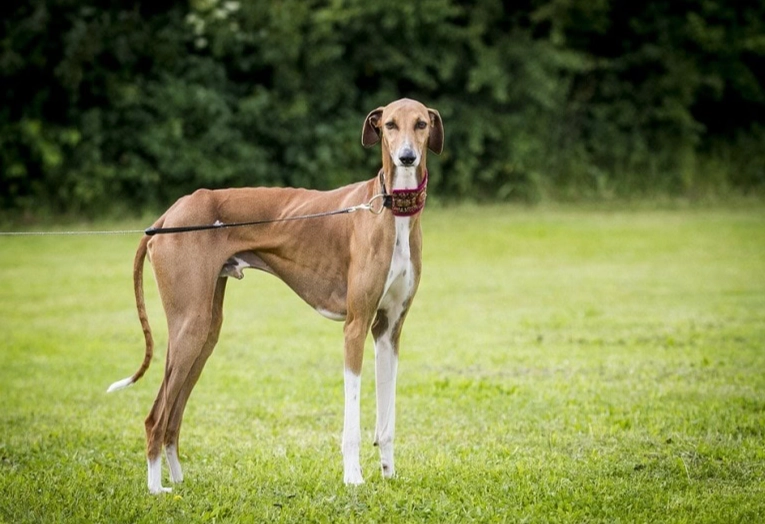
Health, Family Life, and Final Decision
Generally a healthy breed, but responsible breeders screen for certain conditions. According to the Azawakh Association of America, recommended tests include cardiac exams and hip X-rays. They are prone to bloat (like many deep-chested breeds), so feed smaller, frequent meals and avoid vigorous exercise right after eating.
Their lifespan is typically 12-15 years.
Are Azawakhs Good with Kids and Other Pets?
With older, calm, dog-savvy children, they can be wonderful. The child must understand not to startle the sleeping dog, not to hug tightly (most Azawakhs dislike being restrained), and to respect their space. Never leave any dog unattended with young children.
With other pets, it's tricky. Their prey drive is high. They may coexist peacefully with a family cat they were raised with from puppyhood, but the cat running may still trigger a chase. Small dogs might be seen as prey. They often do best as the only pet or with another sighthound who understands their communication style.
| Pros of an Azawakh as a Pet | Cons of an Azawakh as a Pet |
|---|---|
| Quiet and Clean: Rarely bark, very little "doggy" odor, easy grooming. | High Prey Drive: Unreliable with small animals; requires secure containment. |
| Deeply Loyal Bond: Affectionate and sensitive with their inner circle. | Reserved with Strangers: Not a social butterfly; can be perceived as unfriendly. |
| Calm Indoors: Excellent apartment-sized behavior (if exercise needs are met elsewhere). | Intense Exercise Needs: Must have daily safe sprint space, not just walks. |
| Healthy & Long-Lived: Generally robust genetics with a good lifespan. | Sensitive & Independent: Doesn't tolerate harshness; trains on their own terms. |
So, are Azawakh dogs good pets?
They are exceptional pets for the right person—someone who sees their independence not as defiance but as dignity, who can provide a safe space for their explosive energy, and who desires a profound, quiet partnership with a living piece of art. They are terrible pets for someone wanting an easygoing, all-purpose family dog.
Do your homework. Talk to reputable breeders through the AKC marketplace or the Azawakh Association of America. Meet the dogs in person. Feel that reserve. If it intrigues rather than disappoints you, you might just have found your match.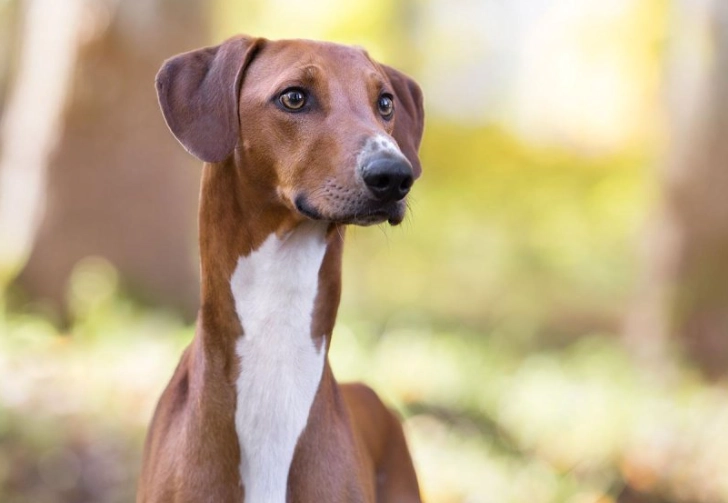
Your Azawakh Questions Answered
Can Azawakh dogs live in apartments?
It's extremely challenging and generally not recommended. Azawakhs are sprinters who need daily opportunities for explosive, off-leash running in a securely fenced area. An apartment lifestyle, without immediate access to a large, safe yard, will almost certainly lead to frustration, destructive behavior, and a decline in their mental well-being. They are quiet indoors but their physical needs are non-negotiable.
Are Azawakh dogs good with children and other pets?
With careful management, yes, but it's not automatic. They are best with older, respectful children who understand canine body language. Their high prey drive means small pets like cats, rabbits, or even small dogs can be at risk unless raised together from puppyhood. Multi-pet households require slow, supervised introductions and constant vigilance. They are not a "dog park" breed and often prefer the company of their human family or other sighthounds.
How much exercise does an Azawakh really need?
The quality of exercise matters more than sheer duration. They need one or two daily sessions of 20-30 minutes of high-speed running in a safe, enclosed space, not just long walks. This fulfills their sighthound instinct. After that, they are champion couch potatoes. A common mistake is substituting a two-hour hike for a 20-minute sprint; the hike builds endurance but doesn't satisfy the sprinting urge, leaving them physically tired but mentally unfulfilled.
Why are Azawakhs so aloof with strangers?
This isn't a training flaw or shyness; it's a deeply ingrained breed trait. Bred for centuries by nomadic tribes to guard livestock and camps, their loyalty is intensely reserved for their "family unit." Strangers are not enemies, but they are outside the circle of trust. Expecting them to be gregarious is like expecting a guard dog not to bark. Proper socialization teaches them to be neutral and calm around new people, not friendly. Their aloofness is a feature, not a bug.
Reader Comments