Quick Guide
- First, The Big Mix-Up: Are They Even Different Breeds?
- A Tale of Two Tails: Their Separate Histories
- Side-by-Side: A Physical and Temperament Showdown
- Living With the Legend: Personality and Family Life
- Health and Lifespan: What to Watch For
- Training & Exercise: Non-Negotiable Needs
- Your Decision Checklist: Which Dog Claims You?
- Answering Your Burning Questions (FAQ)
- The Final Verdict: It's About Your Life, Not a Winner
So you're thinking about bringing an Australian cattle dog into your life? That's fantastic. But then you hit a wall of confusing names: Stumpy Tail Cattle Dog, Blue Heeler, Australian Cattle Dog, Queensland Heeler... are they all the same dog wearing different hats? It's enough to make your head spin.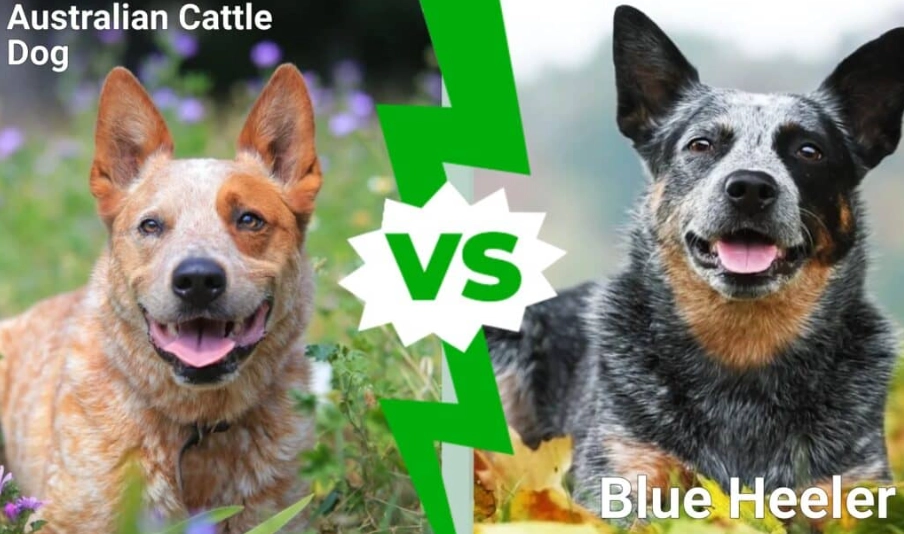
I remember when I was first looking into these breeds. I'd see a stunning blue-speckled dog online labeled a "Blue Heeler," then find a nearly identical one at a local farm event called a "Stumpy Tail." The owner swore they were completely different. Another breeder told me they were just cousins. Who was right? Turns out, it's one of the most common points of confusion in the herding dog world, and for good reason.
Let's clear the air right now. The Stumpy tail Cattle dog vs blue heeler debate isn't just about semantics or a missing piece of tail. It's about two distinct, though closely related, working legends from Australia with different histories, builds, and even temperaments. Choosing the wrong one for your lifestyle can lead to a frustrating mismatch. I've seen it happen.
This isn't about picking a "better" dog. It's about finding the right dog. The one that matches your energy, your living situation, and your experience. One might be the perfect shadow for your marathon training, while the other could be a more focused partner for advanced dog sports. We're going to dig into everything—where they came from, what they really act like at home, their health quirks, and the kind of life they need to thrive.
First, The Big Mix-Up: Are They Even Different Breeds?
This is where everyone gets lost. You search for "Blue Heeler" and official kennel club pages for the "Australian Cattle Dog" pop up. You look up "Stumpy Tail" and find some registries list it separately. What gives?
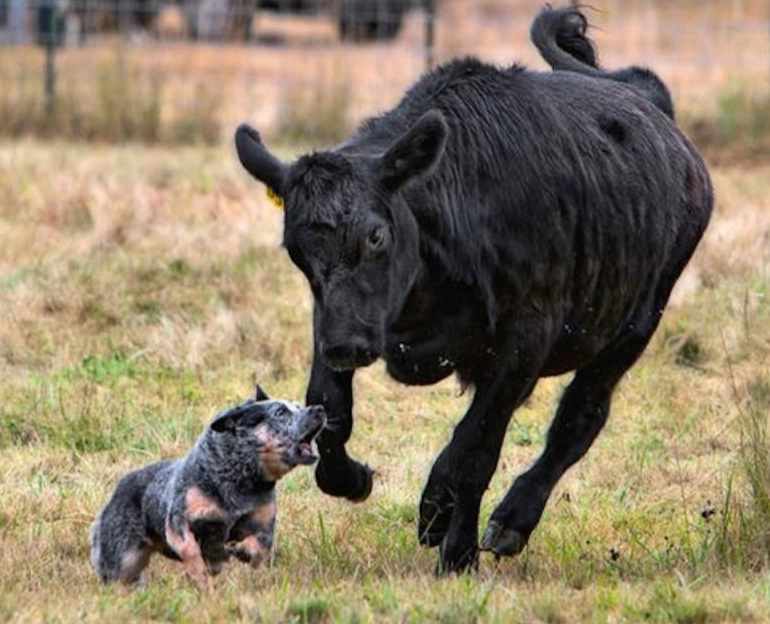
Here's the core of it. The Australian Cattle Dog (often called the Blue Heeler or Red Heeler, based on color) is a recognized breed worldwide. Groups like the American Kennel Club (AKC) and the Australian National Kennel Council (ANKC) have a single breed standard for it. The "Heeler" nickname comes from their herding style—nipping at the heels of cattle.
The Stumpy Tail Cattle Dog is its own separate, distinct breed. It's recognized as such by the ANKC and the United Kennel Club (UKC). It's not just an Australian Cattle Dog that had its tail docked. It's born with a naturally short tail, often just a little nub, which is a defining genetic trait.
Think of them like cousins. They share a lot of family history (and DNA), but they've developed their own identities. The Stumpy tail Cattle dog vs blue heeler question isn't comparing apples to oranges; it's more like comparing two delicious, yet distinct, types of apple from the same orchard.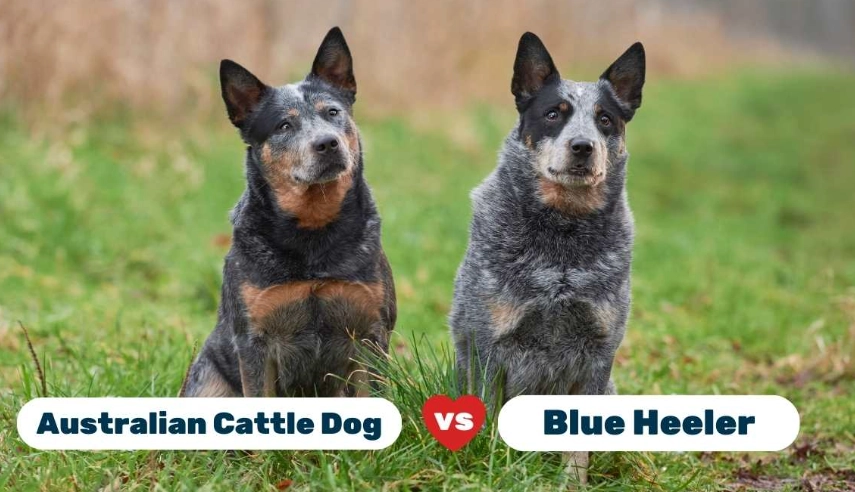
A Tale of Two Tails: Their Separate Histories
To understand them, you have to go back to the rough Australian outback. Settlers needed tough, resilient dogs to handle massive herds of cattle over brutal distances. The early 1800s saw a lot of experimentation.
The ancestor of both dogs is generally considered to be a dog called "Timmin's Biters," a crossing of native Dingoes with imported British drover's dogs (like the Smithfield). These were fierce, hardy, and independent.
From here, the paths diverged.
The Blue Heeler (Australian Cattle Dog) Line
This line was further refined by a cattle farmer named Thomas Hall. He crossed the "Timmin's" dogs with imported blue merle Highland Collies. This added herding instinct, a different work style, and that iconic blue or red speckled coat. Later, a man named Robert Kaleski helped standardize this type, and it eventually became the Australian Cattle Dog we know today. The Dalmatian and Kelpie were also rumored to be in the mix later on, adding stamina and a tighter bond with horses and humans.
The Stumpy Tail Cattle Dog Line
This branch took a different turn. It's believed they have a heavier influence from those original Smithfield-type drover dogs from England, which often had natural bobtails. The infusion of Dingo blood was crucial, but the selective breeding favored a dog that was slightly leaner, a bit more reserved with strangers, and, of course, born with that short stump. They were developed for slightly different terrain and work, favoring pure endurance and a less "heeling"-focused, more heading style of controlling cattle.
You can read more about this fascinating and complex history from the Australian National Kennel Council, which maintains the official breed standards for both dogs in their country of origin. It's a rabbit hole of historical records and old farmer journals.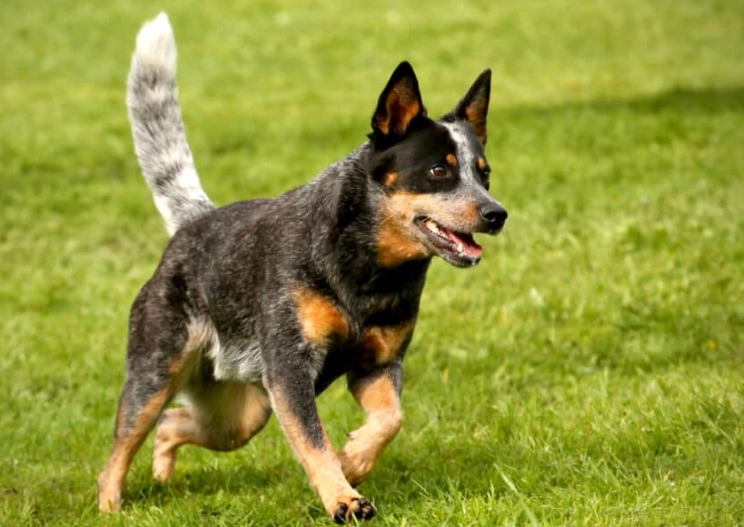
Side-by-Side: A Physical and Temperament Showdown
Alright, history lesson over. Let's get practical. If you saw both dogs side by side, what would you notice? Let's break it down in a way that's easier to digest.
| Feature | Stumpy Tail Cattle Dog | Blue Heeler (Australian Cattle Dog) |
|---|---|---|
| Primary Distinguisher | Naturally short, stumpy tail (born with it). | Full, long tail (often with a white tip). |
| Overall Build | More square-proportioned, slightly leggier, lighter in bone. Built for endurance running. | More compact, solid, and muscular. Built for powerful, agile bursts. |
| Head Shape | Wedge-shaped head that tapers to the nose, less stop (the dip between eyes). | Broader skull, more pronounced stop, cheeks more muscular. |
| Coat Colors | Only two accepted colors: Unbroken black, or unbroken red. Both are speckled. NO tan points. | Blue (black & blue speckle with/without black markings) or Red (red speckle). Often has tan points on legs, chest, and head. |
| Core Temperament | Often described as more independent, alert, and reserved with strangers. A keen observer. | Typically more openly affectionate with family, slightly more eager to please, but can be more territorial. |
| Energy & Drive | Extreme endurance. A "marathon" dog with a steady, intense work drive. | High-intensity, explosive energy. A "sprinter" with a powerful, often pushy, herding drive. |
| Vocalization | Tends to be less vocal, using barks more purposefully. | Can be more vocal, using barks, whines, and "talk" to communicate demands. |
See? It's not just the tail. The whole package is different. That coat color rule is a huge giveaway. If you see a blue dog with tan eyebrows and feet, it's almost certainly a Blue Heeler (Australian Cattle Dog). A solidly black-speckled dog with no tan is likely a Stumpy Tail.
Living With the Legend: Personality and Family Life
Breed standards are one thing. What are they actually like to live with? This is where the Stumpy tail Cattle dog vs blue heeler decision gets real.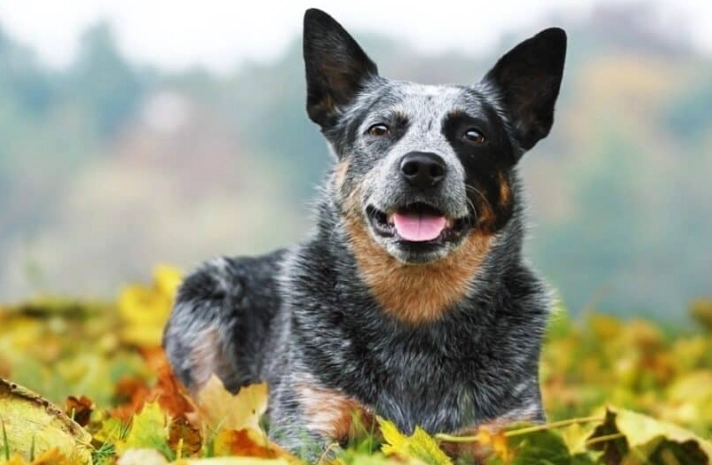
Both are incredibly intelligent, loyal, and energetic. They are not couch potatoes. They are not "easy" first dogs. They need a job. Without one, they'll invent their own—and you probably won't like it (herding kids, cats, or digging craters in your lawn).
The Stumpy Tail in the Home
I find Stumpies to be a bit more... contemplative? They're watchful. They'll often choose a vantage point and keep an eye on everything. Their loyalty is deep but not always demonstrative. They might follow you from room to room, but just lie down quietly rather than demanding constant petting. They can be aloof with visitors, assessing them before deciding they're okay. This independence can make them seem slightly easier to live with for some people, as they're not constantly in your face for stimulation. But don't mistake that for low energy. They still need hours of activity.
The Blue Heeler in the Home
Blue Heelers are famously Velcro dogs. They bond intensely with their person or family and want to be involved in everything. They're more likely to nudge your hand for pets, bring you toys, and "talk" back when you speak to them. This makes them incredibly engaging and affectionate. However, that same intensity can lead to separation anxiety if not managed. They can also be more possessive of their family and property, leading to watchdog barking and wariness of strangers.
So, who fits with whom? A Stumpy Tail might suit someone who appreciates a more independent, less clingy companion for long hikes or runs. A Blue Heeler might be better for someone who wants a shadow, a constant interactive partner for agility, fetch, or advanced trick training.
Health and Lifespan: What to Watch For
Both are generally robust, healthy breeds—a testament to their tough origins. You're looking at a lifespan of 12-15 years with good care. However, they have some shared and some distinct health concerns.
Shared Concerns:
- Hip Dysplasia: A common issue in many active breeds. Reputable breeders test their breeding stock. Ask to see Orthopedic Foundation for Animals (OFA) or PennHIP clearance certificates.
- Progressive Retinal Atrophy (PRA): A degenerative eye disease that can lead to blindness. DNA tests are available, and breeders should test for it.
- Deafness: Particularly associated with dogs that have a lot of white in their coat (like the double merle gene, which is a whole other ethical issue with irresponsible breeding).
Breed-Specific Notes:
The Stumpy Tail's defining feature comes with a rare but serious genetic risk. The gene that causes the short tail (Brachyury) can, in some homozygous cases (when the puppy inherits it from both parents), be lethal in utero or cause severe spinal defects. This is why you should never, ever breed two Stumpy Tails together. Ethical Stumpy Tail breeders follow strict breeding protocols, often mating a Stumpy with a long-tailed Australian Cattle Dog to ensure healthy litters. This is a critical point to discuss with any breeder.
Blue Heelers can be prone to obsessive-compulsive behaviors like tail-chasing or light/shadow fixation if their mental and physical needs are severely neglected. It's a heartbreaking condition that underscores how crucial proper stimulation is.
For the most current and vet-approved health information, resources like the AKC Canine Health Foundation or your national veterinary association are invaluable. Always consult with a vet familiar with working breeds.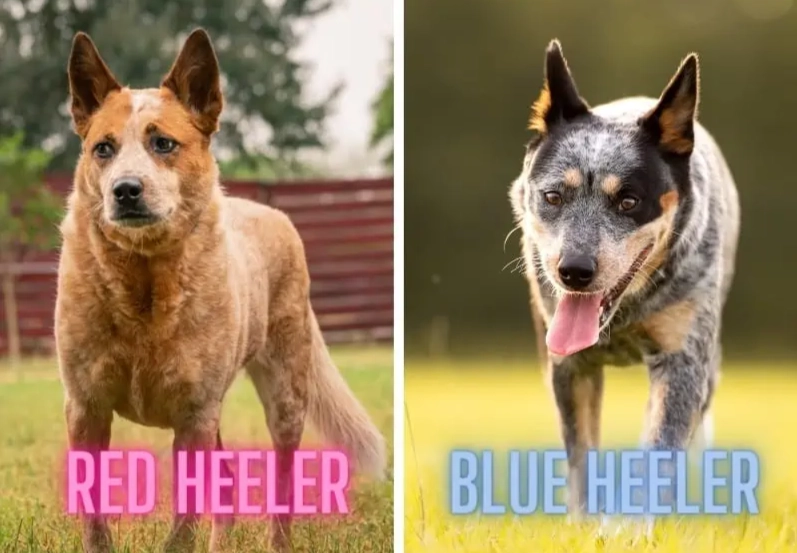
Training & Exercise: Non-Negotiable Needs
This is the make-or-break section. Fail here, and you'll have a destructive, anxious, and unhappy dog on your hands. Succeed, and you'll have an unmatched partner.
Exercise: Think 2+ hours per day, minimum. Not just a walk around the block. We're talking running, hiking, biking (with proper training), intense fetch, swimming, or dog sports. A tired cattle dog is a (somewhat) good cattle dog. Both breeds excel at:
- Agility
- Flyball
- Herding trials (obviously)
- Advanced obedience
- Nosework
- Canicross (running while harnessed to you)
Training: They are smart enough to learn a command in three repetitions and smart enough to decide if they want to obey it. Positive reinforcement (treats, toys, praise) is essential. Harsh methods will backfire spectacularly, destroying trust and creating a stubborn, resentful dog. They need consistency, clear leadership (not dominance), and for training to be a fun game. Early and extensive socialization—exposing them politely to all sorts of people, places, sounds, and other animals—is non-negotiable to prevent fear or aggression.
The Stumpy Tail's independence might require more patience and creativity in training.
The Blue Heeler's eagerness to please can make training progress faster, but they can also be more sensitive to correction.
Your Decision Checklist: Which Dog Claims You?
Still on the fence? Let's make it personal. Ask yourself these questions honestly.
- You want a slightly more independent companion who isn't constantly demanding attention.
- You prefer a dog that is more reserved and watchful with strangers.
- Your primary activity is long-distance running, hiking, or biking (marathon-style endurance).
- You appreciate a slightly more streamlined, leggier build.
- You are prepared to seek out a very specialized, ethical breeder due to their rarity.
- You want a super affectionate, "Velcro" shadow who is deeply demonstrative.
- You want a dog more openly eager to please and engage in interactive training games.
- Your activities involve high-intensity bursts like agility, frisbee, or fetch (sprint-style energy).
- You love the classic blue or red speckled coat with tan points.
- You want a slightly more common breed with a larger network of breeders and rescue groups.
- You work long hours away from home.
- You want a low-energy, relaxed apartment dog.
- You are a first-time dog owner without a strong support system or willingness to hire a trainer.
- You have a very passive or sedentary lifestyle.
- You cannot commit to extensive daily exercise and mental stimulation, rain or shine.
Answering Your Burning Questions (FAQ)
- Health test their breeding stock (and show you proof).
- Ask you more questions than you ask them.
- Raise puppies in their home with early socialization.
- Have a contract requiring you to return the dog if you can't keep it.
- Let you meet the puppy's parents (at least the mother).
The Final Verdict: It's About Your Life, Not a Winner
So, after all this, who wins the Stumpy tail Cattle dog vs blue heeler showdown?
Nobody. And everybody.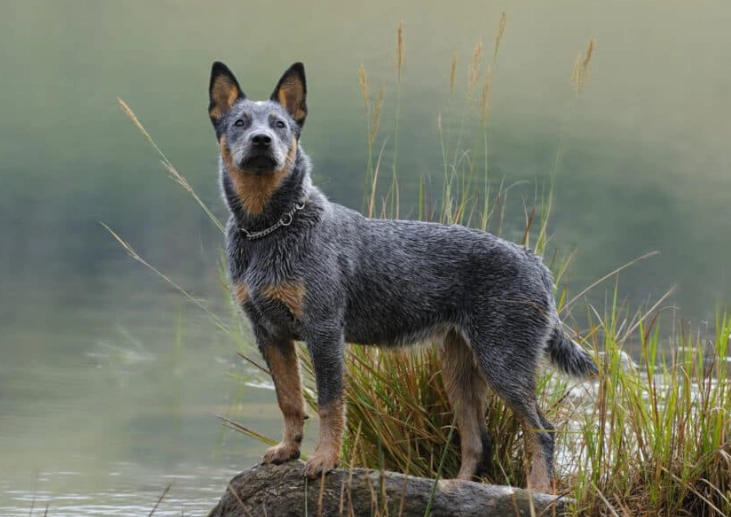
There is no superior breed. There is only the right fit. The Stumpy Tail Cattle Dog is the enduring, watchful marathoner with a quiet heart. The Blue Heeler (Australian Cattle Dog) is the explosive, affectionate sprinter who wears its heart on its sleeve.
My own experience has taught me that choosing a dog like this is a commitment to changing your life. You're not just getting a pet; you're signing up for a lifestyle of activity, engagement, and constant learning. It's exhausting, messy, and sometimes frustrating (the chewing phase nearly broke me).
But it's also more rewarding than I can possibly describe. The trust, the partnership, the sheer joy of seeing these brilliant animals work and play with their whole being—it's unparalleled.
Do your homework. Be brutally honest about your daily routine. Meet both breeds if you can. Talk to owners, breeders, and rescuers. The right choice isn't the one that looks coolest in a photo; it's the one that, at the end of a long, active day, will fit perfectly by your side—whether they're staring thoughtfully into the distance or nudging your hand for one more game of fetch.
Good luck. You're about to embark on an amazing journey with one of the most capable and loyal companions on four legs.
Reader Comments