You see two lean, leggy dogs and think, "They're basically the same, right?" That's the first mistake potential sighthound owners make. A Greyhound and an Azawakh might share a silhouette built for speed, but underneath that sleek exterior, they're worlds apart. Choosing between them isn't about picking a color; it's about choosing a lifestyle and a relationship dynamic. One is a gentle retiree looking for a soft bed. The other is a fiercely loyal, ancient guardian with the soul of the Sahara. I’ve spent years around both breeds, and the number of people who get an Azawakh expecting a "fancy Greyhound" only to be overwhelmed is surprisingly high. Let's fix that.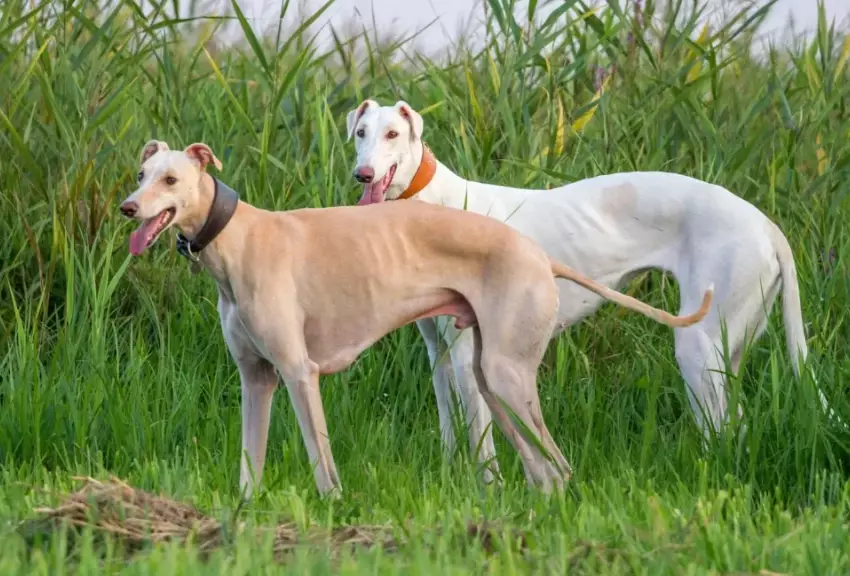
What You’ll Find Inside
Where They Came From: A Tale of Two Histories
This is where the divergence starts. You can't understand the dog without knowing its job.
The Greyhound's history is etched across European art and literature. Bred primarily in the British Isles for coursing hare—a sport of speed and pursuit—their value was in explosive acceleration and the ability to follow a visual cue (the "sight" in sighthound). They were the sporting equipment of nobility. Modern racing is just a mechanized version of this. This history created a dog focused on a single task: chase. Once the chase is over, the job is done. That's why they're so famously chill at home.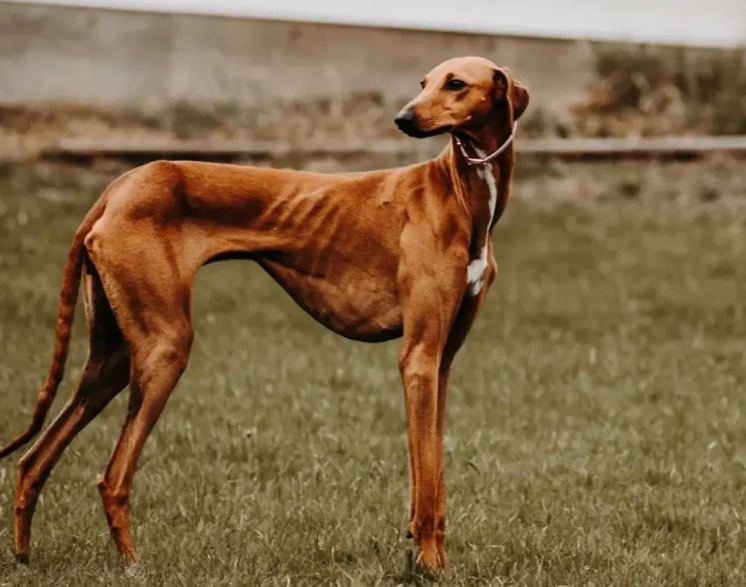
The Azawakh (pronounced AZ-a-wakh) tells a completely different story. Hailing from the Sahel region of West Africa (think Mali, Niger, Burkina Faso), they weren't just hunters for the Tuareg and other nomadic tribes. They were living, breathing security systems. Their job was threefold: hunt gazelle for food, guard the nomadic camps from predators and threats, and be a revered companion. The American Kennel Club notes their deep cultural significance. This isn't a single-purpose athlete; it's a multi-functional partner in survival. That guarding instinct? It's not an add-on. It's core software.
Side-by-Side: The Look Test
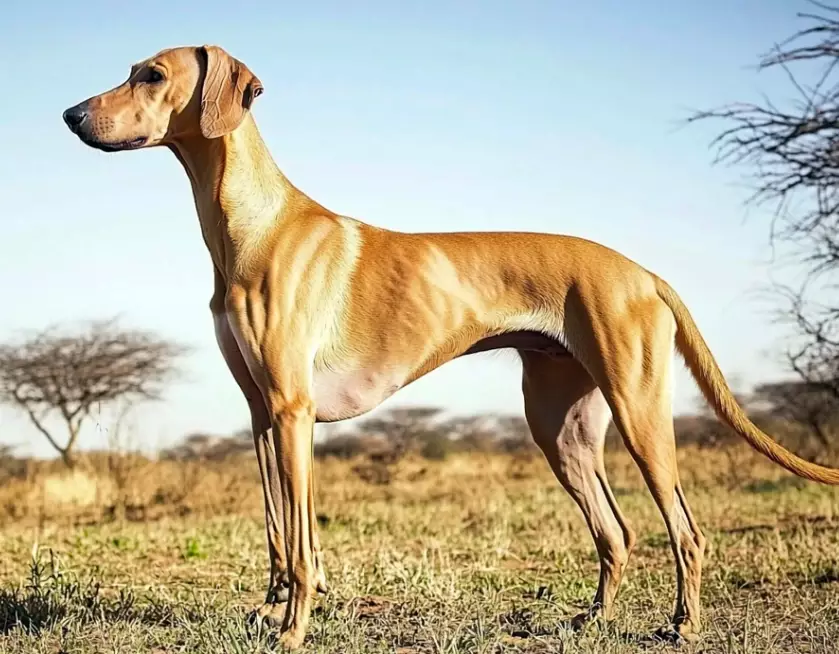
From a distance, yes, they're both leggy and thin. Up close, the differences are striking. An Azawakh looks like a Greyhound drawn by a different artist—one who emphasized angles, planes, and stark elegance.
| Feature | Greyhound | Azawakh |
|---|---|---|
| Build | Powerful, deep chest. Muscular for sprinting. Built like a Ferrari. | Extremely bony, rangy. Ribs, hip bones, spine often visible. Built for endurance and heat dissipation. |
| Back | Long, with a distinctive arch over the loin. | Straight topline, or even slightly rising. The arch is a fault in this breed. |
| Coat & Color | Short, fine coat. Colors: brindle, black, fawn, white, blue, red, or any combination. | Short, fine coat, but can feel slightly rougher. Colors are sand to dark fawn, often with white markings on legs, chest, and tail tip. Brindle is rare. |
| Expression | Often soft, gentle, sometimes even a bit sad. | Alert, aloof, intensely gaze. Can seem "haughty." |
That visible bone structure on the Azawakh worries new owners. "Is he sick?" No. That's just how they are. The breed standard calls it "elegantly lean." It's a functional adaptation to the brutal Sahara heat. A Greyhound has more padding and muscle mass, suited to shorter, more intense efforts in cooler climates.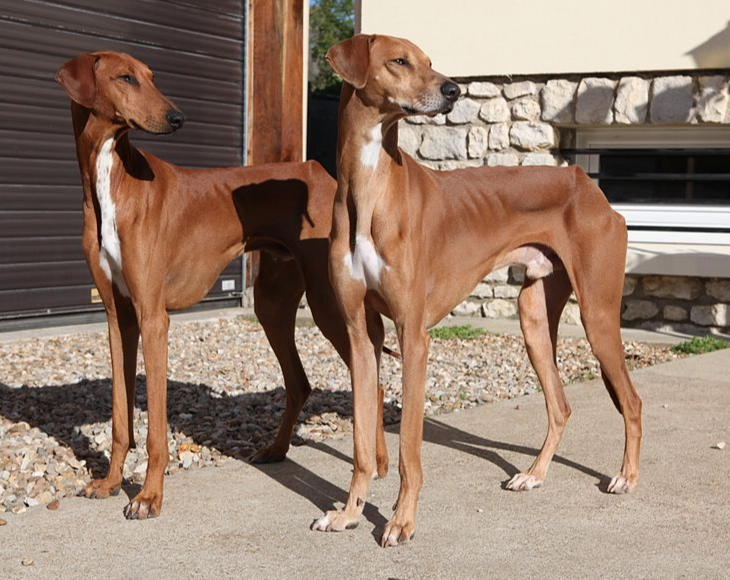
The Personality Clash: Couch Potato vs. Desert Noble
Here's the big one. This is where people get it completely wrong.
The Greyhound Temperament: The Gentle Retiree
Adopting a retired racer is often like welcoming a quiet, polite guest. They are famously low-energy indoors. The "45 mph couch potato" cliché exists because it's true. They are gentle, often submissive, and remarkably tolerant. Many have never seen stairs, glass doors, or household noises, so there's a period of quiet learning. Their prey drive is high, but it's a specific trigger. Squirrel? Chase. Couch? Sleep. They tend to be social with other dogs, especially other Greyhounds, and their affection, while quiet, is steady and reliable.
The Azawakh Temperament: The Reserved Guardian
Forget everything you just read. The Azawakh is not a lazy dog. They are constantly vigilant. They reserve their affection for their immediate family and are often aloof or indifferent to strangers. This isn't aggression; it's a profound reserve. The Fédération Cynologique Internationale (FCI) breed standard describes them as "attentive and distant."
They bond intensely with one or two people. With them, they can be silly, affectionate, and deeply connected. To everyone else, they might offer a regal stare. They have a strong guarding instinct and will alert you to anything unusual. Their prey drive is also high, but it's intertwined with that protective nature. They are independent thinkers. Want a dog that aims to please? Look elsewhere. An Azawakh aims to cooperate, but on terms they understand.
The most common mistake I see is someone interpreting an Azawakh's independence as coldness. It's not. It's a deep-seated self-sufficiency born from a job that required making decisions away from human direction. You earn their trust; you don't command their obedience.
Exercise & Training: Different Kinds of Workouts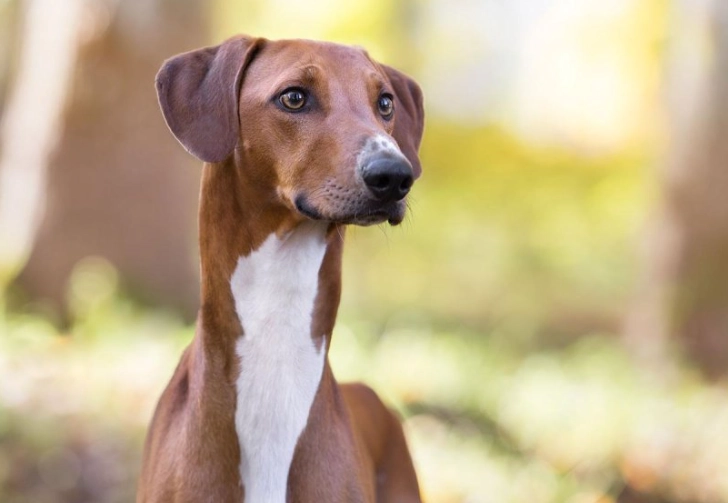
Exercise Needs
A Greyhound needs a good, 20-30 minute sprint in a securely fenced area a few times a week. Daily walks are fine. Their exercise is about quality, not marathon quantity.
An Azawakh needs more. They thrive on longer, sustained runs and mental engagement. A fenced area where they can patrol, trot, and occasionally blast off is ideal. They are athletes of endurance, not just speed. Without this outlet, their nervous energy can turn into pacing or anxiety.
Training Approach
Greyhounds are sensitive. Harsh corrections shut them down. Positive reinforcement with high-value treats works wonders. They learn house rules quickly because they want a peaceful life.
Azawakhs are... smart and stubborn. They question the "why" of every command. Training is about building a partnership through mutual respect and consistency. They are not for first-time dog owners. You need patience, creativity, and a sense of humor. Recall training is especially critical—and challenging—given their high prey and guard drive.
Health, Care, and the Real Costs
Both breeds share some sighthound-specific needs. They are sensitive to anesthesia (require protocols for sighthounds), prone to bloat (feed smaller meals, avoid exercise around eating), and need protection from cold due to low body fat.
Greyhound Health: Generally robust. Watch for osteosarcoma (bone cancer), a higher risk in the breed. Dental issues are common from their racing diet. Regular vet checks are key. The biggest financial note? Adoption is cheap. A retired racer from a group like Greyhound Adoption Program might cost $300-$500, covering initial vet work.
Azawakh Health: A generally healthy breed due to its natural development, but not without concerns. Hypothyroidism and certain autoimmune issues can occur. The biggest cost is acquisition. This is a rare breed. From a responsible breeder focusing on health and temperament, expect to pay $2,500 to $4,000+ and likely be on a waiting list. There is no widespread "rescue" pipeline.
Making Your Choice: Which Dog Picks You?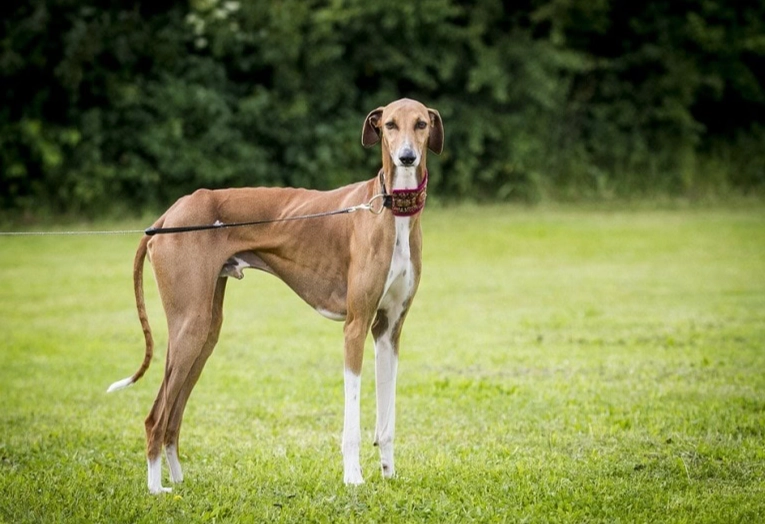
Don't choose the prettiest picture. Choose the lifestyle match.
You might be a Greyhound person if: You want a gentle, low-maintenance companion for apartment or quiet home life. You're okay with a dog that may be shy initially. You value predictable, easy-going affection. You're potentially a first-time dog owner or want a "starter" sighthound. The adoption model appeals to you.
You might be an Azawakh person if: You have experience with independent, primitive, or guardian breeds. You have a secure, large yard and an active lifestyle. You understand and respect canine aloofness. You want a deeply bonded, "one-person" dog and are prepared for the financial and training commitment. You appreciate ancient breed history.
Your Questions, Answered
Can a Greyhound or Azawakh live happily in an apartment?
Greyhounds are surprisingly excellent apartment dogs. They are famous for being '45 mph couch potatoes' who require moderate, short bursts of exercise and then love to lounge. An Azawakh, however, is a much poorer fit for apartment life. Their high-strung nature, strong guarding instincts, and need for more sustained, off-leash running in a secure area make them better suited to homes with direct access to a large, fenced yard.
Which dog is better for a family with young children?
A retired racing Greyhound is generally the safer and more predictable choice for families. Their gentle, tolerant, and often submissive nature makes them wonderful companions for respectful children. Azawakhs are fiercely loyal but can be aloof and sensitive to rough handling or chaotic environments. They typically do best in homes with older children or adults who understand their reserved and independent personality.
Why are Azawakhs so much more expensive than Greyhounds?
The price difference boils down to availability and origin. Thousands of Greyhounds retire from racing each year and are available for adoption through organizations like the Greyhound Adoption Program for a modest fee. Azawakhs are a rare, ancient breed primarily imported from West Africa or Europe. Responsible breeding programs are small-scale, leading to limited litter availability and prices ranging from $2,500 to $4,000 or more.
Do both breeds have the same high prey drive?
Yes, both are sighthounds with a strong instinct to chase moving objects. However, the management of this trait differs. Greyhounds, bred for coursing game in open fields, have an explosive chase drive but can often be trained for reliable recall in safe areas. Azawakhs were bred for a dual purpose: hunting and guarding livestock. This can result in a more complex combination of high prey drive and strong territorial instincts, making off-leash freedom in unfenced areas a significant challenge and risk.
 So, what's the difference? It's the difference between a friendly neighbor and a loyal bodyguard. Between an athlete who clocks out and a partner always on duty. Both are magnificent, but they ask for different things from you. Look past the similar shape. Look at the history in their eyes and choose the one whose ancient job description fits your modern life.
Reader Comments