You've seen the stunning blue or red speckled Australian Cattle Dogs, but what about the white ones? They exist, and they turn heads. But a white Australian Cattle Dog is more than just a pale version of the breed. That coat color tells a specific genetic story and comes with a set of considerations every potential owner needs to understand. From quirky genetics to unique health notes, this isn't your average breed guide.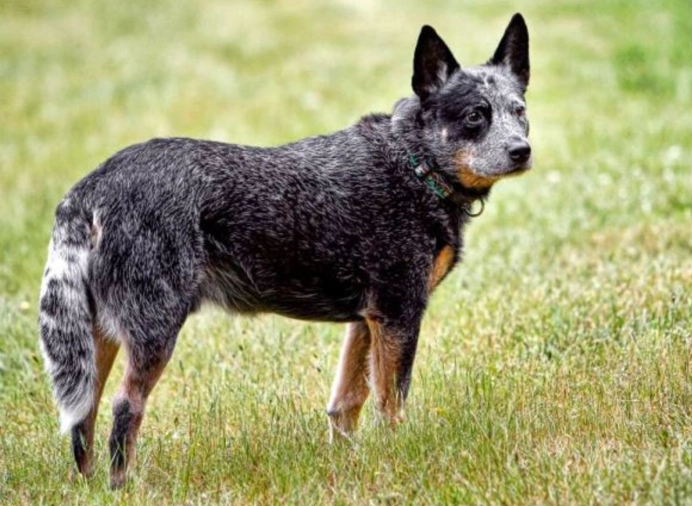
What's Inside?
The Genetics of the White Australian Cattle Dog: It's Not Just a Color
Let's get technical for a second, because it's fascinating. The classic Australian Cattle Dog coat is a ticking pattern over a white base. Genes control where the color appears. A predominantly white coat happens when the ticking gene doesn't express fully, or when other modifying genes (like extreme white spotting) are present.
I once met a breeder who explained it like paint splatters on a white canvas. Some dogs get a lot of splatters (heavy ticking), some get just a few (light ticking), and some barely get any at all. That last group is what we often call a "white" Australian Cattle Dog.
According to the American Kennel Club breed standard, the coat should have a "good jacket of color." An overall white dog is considered a serious fault in the show ring. But here's the non-consensus bit many blogs miss: a show fault does not automatically equal a health or temperament fault. A white Cattle Dog from working lines can have all the drive, intelligence, and loyalty of its colored siblings. The color just means it won't win conformation shows.
Key Takeaway: The white coat is a natural genetic variation within the breed, not a sign of a "different" dog. Responsible breeders understand these genetics and prioritize health and temperament over color.
White Australian Cattle Dog Health: What You Need to Know
This is the most critical section. The white coat itself isn't a disease, but it can be linked to certain conditions you must be aware of.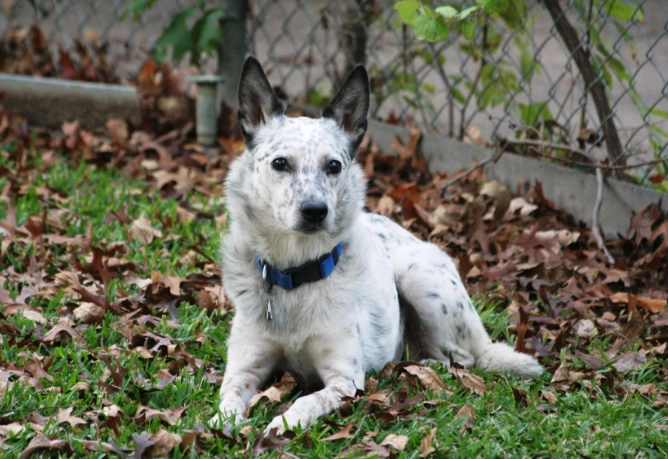
Skin and Sun Sensitivity
Dogs with large areas of unpigmented (pink) skin and thin white hair are more susceptible to sunburn. This isn't just about comfort; chronic sun exposure can lead to actinic keratosis (pre-cancerous skin lesions) and eventually squamous cell carcinoma, a type of skin cancer.
I remember a friend's white Cattle Dog who loved to sunbathe on the patio. After a few summers, they noticed small, crusty sores on her belly and ears. Their vet diagnosed early sun damage. It was a wake-up call.
Deafness Link
This is the big one. Congenital sensorineural deafness is linked to the piebald or extreme white spotting gene in many breeds, including Australian Cattle Dogs. The lack of pigment cells can affect the development of the inner ear.
A dog can be deaf in one ear (unilateral) or both (bilateral). Unilateral deaf dogs often live normal lives, but bilateral deaf dogs require specialized training.
| Potential Health Consideration | Why It's Linked to White Coats | Proactive Steps for Owners |
|---|---|---|
| Congenital Deafness | Lack of pigment (melanocytes) in the inner ear during development. | Request a BAER (Brainstem Auditory Evoked Response) test for any white puppy. Reputable breeders should do this. |
| Sunburn & Skin Cancer | No protective melanin in skin/hair, allowing UV damage. | Use dog-safe sunscreen on ears, nose, and belly. Provide shade. Limit midday sun exposure. |
| Possible Vision Issues | Sometimes associated with blue eyes, which can occur with white coats. | Regular veterinary ophthalmologist check-ups if your dog has blue eyes. |
What does this mean for you? If you're looking at a white puppy, the single most important question to ask the breeder is: "Have the puppies had BAER hearing tests, and can I see the results?" A responsible breeder will be transparent. If they brush it off, walk away.
Grooming and Care for a White Australian Cattle Dog
Grooming a white coat is a double-edged sword. It shows every speck of dirt, but it's also surprisingly low-maintenance in terms of structure.
Their double coat is weather-resistant. Weekly brushing with a slicker brush or undercoat rake is plenty to remove loose hair and distribute skin oils. They blow their coat (shed heavily) twice a year – be prepared for a snowstorm of white hair during those weeks.
The real grooming focus is skin protection.
- Sunscreen is non-negotiable. Use a vet-approved, pet-safe sunscreen on the nose, ear tips, belly, and any other sparsely-haired pink areas before going outside on sunny days. Reapply as directed.
- Bathing: Don't over-bathe, as it can strip essential oils. Use a gentle, whitening, or brightening shampoo occasionally to keep the coat looking crisp, but a good rinse after muddy play is often sufficient.
- Paw Check: Their paw pads are usually black, but check between the toes for any pink skin that might need sunscreen.
Training and Exercising Your White Australian Cattle Dog
Here's where color becomes irrelevant. A white Australian Cattle Dog has the same formidable brain and boundless energy as any other. They are not a beginner breed.
The biggest mistake I see? People think a 30-minute walk is "exercise." For this breed, that's a warm-up. They need a minimum of 60-90 minutes of vigorous, mentally engaging activity every single day. We're talking running, hiking, advanced obedience, agility, herding balls, scent work, or fetch until your arm falls off.
Training must start early. They are brilliant but willful. Use positive reinforcement (food puzzles, clicker training) but be firm and consistent. Their herding instinct is strong. Without proper guidance, that instinct can turn into nipping at heels, especially of children or other pets.
If your dog is unilaterally or bilaterally deaf, training adapts. Hand signals become your primary language. Vibrating collars (NOT shock collars) can be useful tools for getting a deaf dog's attention at a distance. It requires more patience, but it's absolutely doable.
Expert Tip: Boredom is the enemy. A bored Cattle Dog is a destructive dog. If you're considering this breed, you're not just getting a pet; you're signing up for a lifestyle of activity and engagement.
Is a White Australian Cattle Dog the Right Dog for You?
Let's be brutally honest. This isn't the dog for everyone, regardless of color. But the white coat adds specific layers.
You might be a good fit if: You lead an extremely active outdoor life (runner, hiker, farmer). You have experience with intelligent, driven breeds. You are committed to sun protection and proactive vet care. You have a secure yard (they are master escape artists). You want a once-in-a-lifetime loyal, velcro companion.
Think twice if: You want a low-energy couch potato. You have young children you can't supervise around a potential "herder." You are gone for long work hours. You are unwilling to manage potential deafness or skin issues. You're looking for a show dog.
My personal view? White Australian Cattle Dogs are stunning, capable dogs. But choosing one should be a conscious decision made with eyes wide open to the genetic lottery and the immense responsibility of their energy and intelligence. The color is the easiest part to manage.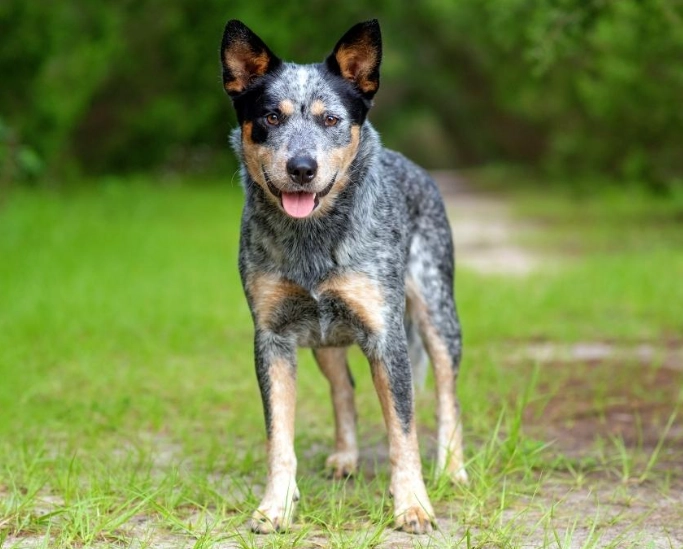
Reader Comments