If you've ever seen an American Leopard Hound, the coat is what stops you in your tracks. It's not just a color; it's a story written in fur—a map of the breed's history as an all-purpose hunting dog from the American South. Talking about American Leopard Hound colors isn't just aesthetics. For owners, breeders, and enthusiasts, understanding these patterns is key to breed identification, preservation, and even predicting certain traits. The colors are deeply tied to the dog's function and genetics, a topic far more nuanced than a simple list of shades.
I've spent years around these dogs, and the most common mistake I see is people calling any spotted dog a "Leopard Hound." That's a quick way to get sideways looks from serious breeders. The patterns are specific, and they follow rules. Let's cut through the confusion.
What's Inside?
More Than Spots: The History Behind the Coat
The American Leopard Hound's coat is a product of survival, not fashion. Developed in the southeastern United States, these dogs needed camouflage for hunting in dense brush, swamps, and forests. A solid, flashy color would give them away. The mottled, broken patterns—the leoparding, brindling, and ticking—allowed them to blend into dappled light and shadow.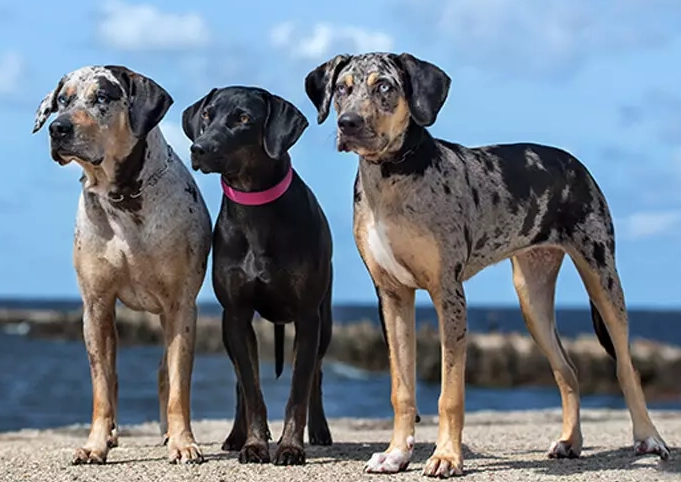
The United Kennel Club (UKC), which officially recognizes the breed, states the primary function is hunting. The coat patterns are part of that working package. Historically, color was less important than nose, drive, and treeing ability. But over time, the distinctive looks became a hallmark of the breed's identity. When the UKC established its breed standard, it didn't just pick pretty colors; it codified the patterns that had proven functional for generations of working dogs.
This is a crucial point many new admirers miss. The "leopard" in the name isn't just a cute reference. It describes a specific, dense spotting pattern over a lighter base, reminiscent of the big cat. It's a defining characteristic, as much as the breed's musical bay or webbed feet.
Breaking Down the Official Color Patterns
The UKC breed standard is the official source for acceptable colors. It's surprisingly permissive in base shades but very specific about the patterns. You can think of it in layers: first the base color, then the pattern that sits on top.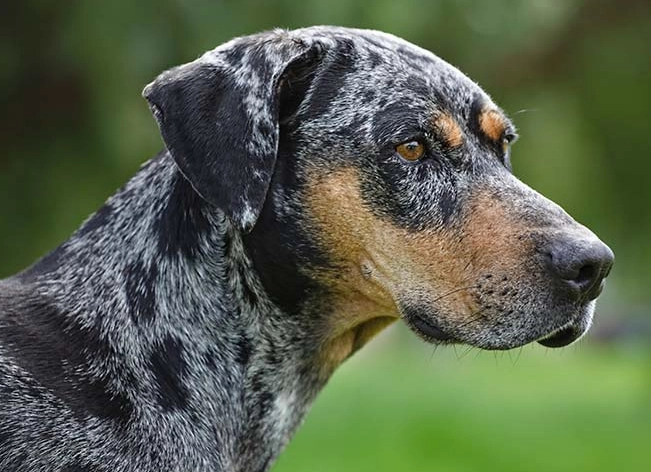
Base Colors: These are the underlying shades. The UKC accepts a wide range: blue, black, liver, chocolate, tan, yellow, red, cream, and brindle. Yes, brindle can be a base for further patterning. "Isabella" or extremely diluted liver is a fault. White is allowed but should not be the predominant color.
Now, the magic happens with the patterns. These are the three main types you'll see:
The Leopard Pattern
This is the classic, namesake pattern. Imagine a solid base color (like black or liver) that's been sprinkled with smaller, contrasting spots. The spots should be fairly dense and distributed across the body. It's not large, irregular patches. The spots can be the same color as the base but darker, or a completely different hue (like tan spots on a blue base). This pattern creates that beautiful, camouflaged effect.
The Brindle Pattern
Brindle is like tiger stripes—dark streaks over a lighter base. In Leopard Hounds, brindle can appear as the primary pattern or as a base for leopard spots. A brindle-patterned Leopard Hound will have those characteristic stripes. A leopard-patterned dog with a brindle base is where it gets interesting: the brindling forms the background, and then leopard spots are layered on top. It's one of the most striking and complex coats in the canine world.
The Solid Pattern (with Ticking)
Yes, solids are allowed. But here's the expert nuance often overlooked: many "solid" American Leopard Hounds actually exhibit ticking. Ticking is tiny, isolated flecks of color in white areas, usually on the paws, chest, or muzzle. A dog might be registered as a solid black, but up close, you see these subtle speckles. This ticking is a genetic clue, a whisper of the spotting genes in the background. A truly solid dog with no white or ticking is rarer than you'd think.
To visualize how these base colors and patterns combine, here's a table of common combinations:
| Base Color | Pattern | Common Name/Description |
|---|---|---|
| Blue | Leopard | Blue Leopard: Slate-gray base with darker gray or black spots. |
| Black | Brindle | Black Brindle: Dark tiger stripes on a blackish background. |
| Red/Tan | Leopard | Red Leopard: Rich red or tan base with darker red or liver spots. |
| Brindle | Leopard | Brindle Leopard: The two-tone striped base is covered with distinct spots. Highly prized. |
| Liver/Chocolate | Solid with Ticking | Chocolate Tick: Solid brown coat with small flecks of darker brown or tan in white areas. |
Coat Color Genetics Simplified (No PhD Required)
You don't need to sequence DNA to get the basics. The patterns are controlled by a series of genes. The leopard spotting is influenced by genes in the Piebald (S), Ticking (T), and Flecking (F) series. It's not a single "on/off" switch. This is why you get such variation in spot size and density.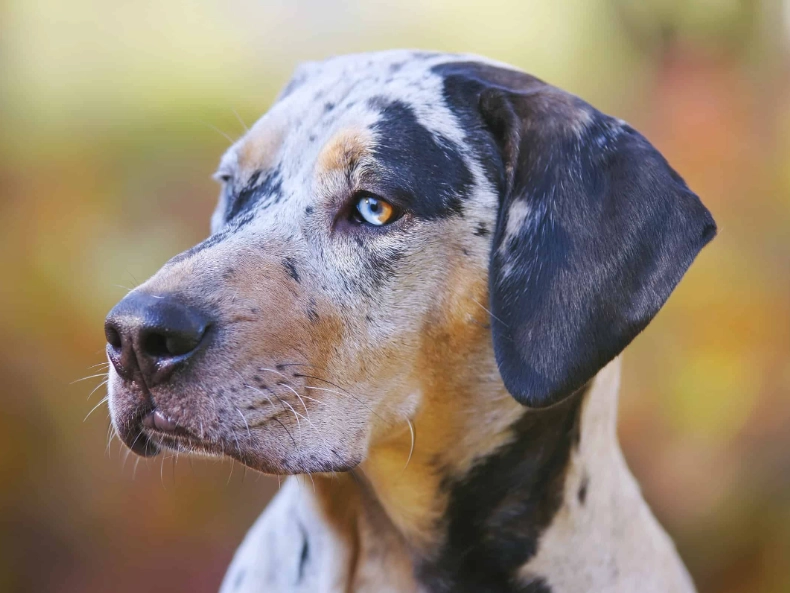
Brindle is controlled by the K locus, specifically the kbr allele. When you have a brindle base with leopard spots on top, you're seeing the interaction of the K locus and the spotting genes. This complexity is why breeding for a specific color pattern is a gamble. Two stunning leopard-patterned dogs can produce solid puppies if they carry recessive genes.
Here's a breeder's secret they might not advertise: focusing too narrowly on color can compromise other traits. I knew a breeder obsessed with producing the perfect blue leopard pups. After a few generations, the line's hunting drive noticeably softened. The gene pool became too small. The best breeders prioritize health, temperament, and working ability first. The spectacular colors are a wonderful bonus of ethical, diverse breeding.
Color-Specific Care and Grooming Tips
Does coat color affect care? Sometimes. It's not about the pattern, but about the skin and hair pigment linked to it.
Lighter Coats & Sun Sensitivity: Dogs with large areas of white or very light cream/tan in their pattern have less protective pigment in their skin. If your Leopard Hound has a white chest or muzzle, that skin can sunburn. It's not a major issue for most, but if you live in a sunny climate and your dog spends hours outside, consider a pet-safe sunscreen for those pink areas.
Skin Visibility: One practical advantage of lighter or spotted coats is that ticks, fleas, and skin irritations are easier to spot during your regular grooming checks. On a solid black dog, you have to feel for bumps. On a spotted or ticked coat, you can often see them.
Grooming is Universal: Regardless of color, the American Leopard Hound has a short, dense, coarse coat that's easy to maintain. A weekly brush with a rubber curry brush or a medium-bristle brush is perfect. It removes dead hair, distributes skin oils, and gives you that crucial bonding and inspection time. They are not heavy shedders, but they do "blow" their coat seasonally.
The real grooming need is ear care. Those drop ears can trap moisture. Check and clean them weekly with a vet-approved solution to prevent infections—this is far more important than worrying about their coat color.
Your American Leopard Hound Color Questions Answered
At the end of the day, the American Leopard Hound's colors are a beautiful, functional signature. Whether you're drawn to the dramatic brindle leopard or the subtlety of a ticked solid, understanding these patterns deepens your appreciation for one of America's own unique hunting dogs. It's history, genetics, and art, all wrapped up in a loyal, energetic companion.
Reader Comments