So you've got an Australian Cattle Dog, or you're thinking about getting one. That boundless energy, that intense loyalty—you want it to last as long as possible. Everyone throws around the number: 12 to 16 years. It's a good range, better than many larger breeds. But here's the thing I've learned after years working with this breed: hitting the upper end of that range isn't luck. It's a direct result of specific choices owners make, and a few they often miss. The average Australian Cattle dog lifespan might be 12-16 years, but I've seen too many clock out near the 10-year mark due to preventable issues. Conversely, the 15+ year veterans have owners who understood something crucial about their dog's biology and psychology. Let's get the foundation straight. The 12-16 year estimate comes from major breed clubs like the American Kennel Club and large-scale veterinary studies. But "average" hides a lot. Think of it like a car's estimated MPG. Drive it hard on rough terrain with cheap fuel, and you'll fall short. Maintain it meticulously, and you'll exceed expectations. Key Insight: Genetics load the gun, but lifestyle pulls the trigger. You might inherit a predisposition for hip dysplasia or deafness. But whether that predisposition becomes a debilitating condition that shortens life is largely influenced by weight management, exercise form, and early detection. A study published in the Journal of Veterinary Internal Medicine looking at canine longevity consistently points to body condition score as a primary factor. For a lean, athletic breed like the Cattle Dog, carrying even 5 extra pounds is like a human carrying 30. It stresses every system. Knowing what you're up against is half the battle. This isn't a scary list to worry you, it's a checklist for proactive care. See a pattern? Most of these aren't sudden killers. They're slow burns. Your job is to spot the smoke before there's a fire. Let's get practical. Here’s what extending your Australian Cattle dog's lifespan looks like at different ages. This is where you build the foundation. Over-exercising a puppy can damage developing joints. Follow the "5 minutes per month of age" rule for structured exercise. Focus on brain training. A 10-week-old puppy can learn "sit," "watch me," and impulse control. This mental foundation prevents the neurotic behaviors that plague under-stimulated adult Cattle Dogs. Socialization isn't just about other dogs. It's about exposing them to surfaces, sounds, and people in a positive way to build a resilient, low-stress adult. A stressed dog has a higher cortisol load, which impacts long-term health. This is your maintenance window. You're not just exercising them, you're cross-training. The Hidden Pitfall: The "Indestructible" Myth. Owners see their 4-year-old Cattle Dog leap off a 4-foot wall and think it's fine. It's not. Each impact is micro-trauma. Over years, this accelerates arthritis. Teach them to use ramps, or at least to wait for a command before launching. This is the most critical phase for adding years. The goal shifts from peak performance to preservation. First, recognize the signs. They're subtle. Slower to get up. A slight stiffness after a nap. Less interest in the ball after 20 minutes instead of 40. This isn't laziness; it's communication. Your vet visits should now be every 6 months. The checklist expands: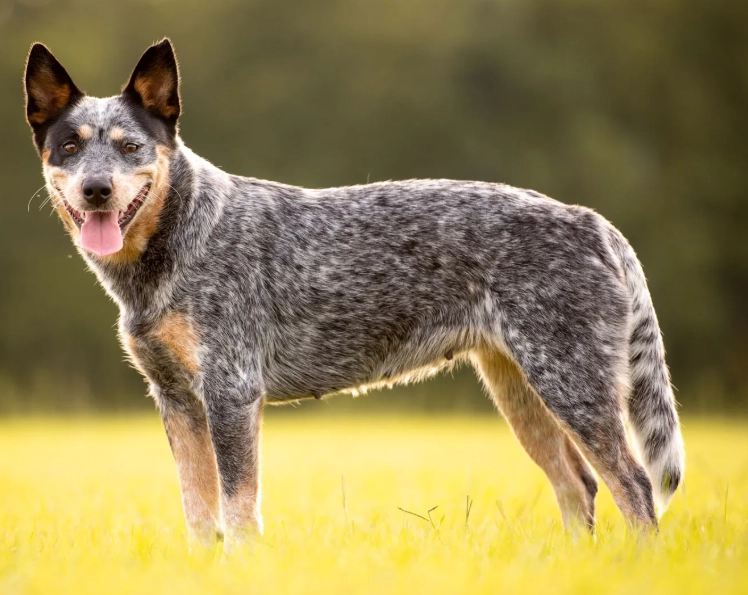
Quick Navigation: What You'll Learn
The Lifespan Blueprint: More Than Just Years
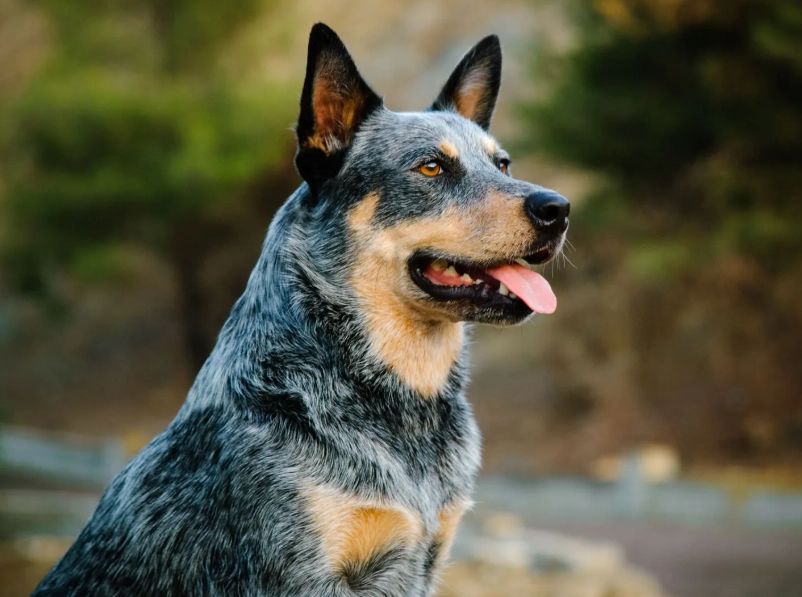
The Five Biggest Health Saboteurs for Cattle Dogs
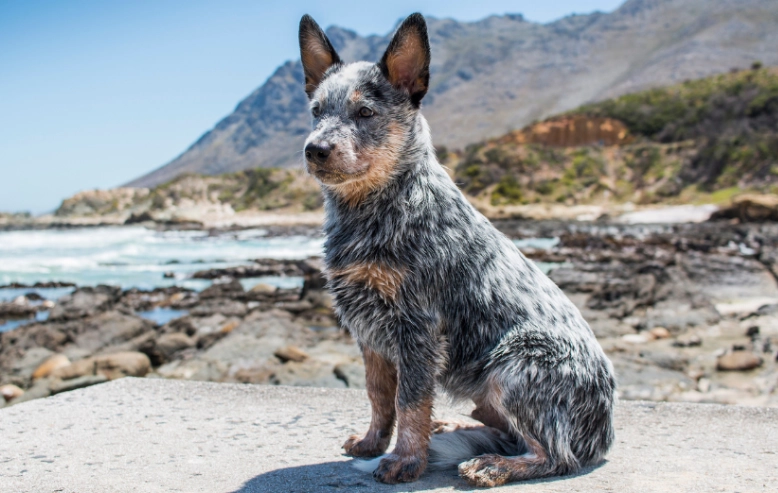
Health Condition
Impact on Lifespan
Proactive Defense Strategy
Hip & Elbow Dysplasia
Chronic pain leads to inactivity, obesity, and reduced quality of life. Can necessitate early euthanasia if severe.
Buy from breeders with OFA/PennHIP certifications. Maintain lean weight. Use joint supplements (glucosamine/chondroitin) starting in middle age. Avoid high-impact jumping on hard surfaces.
Progressive Retinal Atrophy (PRA) & Hereditary Deafness
Doesn't directly shorten life, but a blind/deaf dog is at higher risk of accidents and stress-related illness. Quality of life suffers.
BAER testing for puppies (deafness). Annual veterinary ophthalmologist exams. Learn hand signals early as a backup communication system.
Obesity & Related Issues (Diabetes, Arthritis)
The #1 preventable lifespan shortener. Exacerbates every other condition, especially joint problems.
Measure food, limit treats, use low-calorie fillers (green beans). Weigh monthly. Ignore the pleading eyes—they're professionals.
Heart Conditions (e.g., Valve disease)
Can lead to congestive heart failure, directly limiting lifespan and causing distressing symptoms.
Listen for coughing, especially at night or after resting. Note any drop in stamina. Senior wellness should include cardiac auscultation; ask about an echocardiogram if a murmur is detected.
Dementia (Canine Cognitive Dysfunction)
Affects older dogs, leading to confusion, anxiety, disrupted sleep, and loss of house training. Can prompt premature euthanasia.
Mental stimulation is prevention. Puzzle toys, new tricks, nose work. Diets rich in antioxidants (brain health). Talk to your vet about supplements like SAM-e or prescription diets like Hill's b/d.
Your Actionable Longevity Plan: Stage by Stage
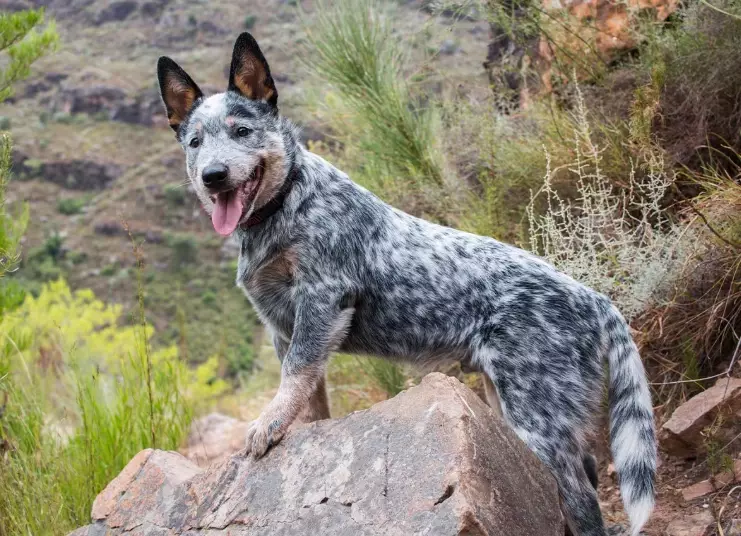
The Puppy & Adolescent Phase (0-2 years)
The Prime Adult Years (3-8 years)
The Senior Transition (8+ years)
Owner-to-Owner: Your Top Lifespan Questions Answered
 Look, extending your Australian Cattle dog's lifespan isn't about finding a magic pill. It's the sum of a thousand small, conscious decisions. It's choosing the walk when you're tired, opting for the carrot stick over the biscuit, and calling the vet about that little cough you heard last week. It's understanding that their incredible drive to work and be with you is their greatest joy, and your job is to protect the body that houses that spirit for as long as you possibly can. Start today. Those extra years of companionship are worth every bit of effort.
My Australian Cattle Dog is 10 years old and slowing down. Is this normal aging or a sign of illness?
A gradual decrease in energy is normal for senior dogs. However, you need to watch for sharp declines or specific behavioral changes. Normal aging might mean shorter play sessions or preferring a walk over a run. Red flags include sudden reluctance to jump or climb stairs (could be arthritis), coughing or labored breathing (possible heart issues), or increased thirst and urination (potential kidney disease). The key is knowing your dog's "normal." Track changes and discuss them with your vet during senior wellness exams, which should be every 6 months after age 8 or 9.
What's the most common mistake owners make that shortens an Australian Cattle Dog's lifespan?
Overfeeding and under-exercising their minds. It's a double whammy. Cattle Dogs are built for work, and without a job, they get bored. Boredom leads to anxiety and destructive behaviors. Owners often respond by giving more treats or food for comfort, leading to obesity. Obesity is a massive strain on joints and organs, directly linked to a shorter lifespan. The fix isn't just more physical exercise—it's providing consistent mental challenges. Ten minutes of nose work or a puzzle feeder can tire them out more than an extra half-hour walk.
Are there specific tests I should ask my vet for as my Cattle Dog gets older to catch problems early?
Absolutely. Move beyond the standard annual check-up. For a senior Cattle Dog (8+ years), insist on a comprehensive senior blood panel. This checks kidney and liver function, blood sugar, and thyroid levels. Hip and elbow X-rays are wise even if they aren't limping, to establish a baseline for arthritis. A cardiac ultrasound (echocardiogram) is recommended around age 8-10, especially for a breed prone to heart murmurs. Annual urine tests are crucial for spotting early kidney disease. Think of it as preventative maintenance. Catching a thyroid issue or early kidney decline with a blood test allows for dietary and medical management that can add quality years.
Can a high-protein diet help or hurt my senior Australian Cattle Dog's lifespan?
This is a nuanced one. High-quality protein is essential for maintaining muscle mass in aging dogs, which is critical for mobility and metabolism. However, if your dog has subclinical or early-stage kidney disease (common in seniors), excessive protein can put extra strain on the kidneys. The solution isn't automatically switching to a low-protein senior diet, which can cause muscle wasting. It's about feeding a highly digestible, moderate-protein diet from a reputable brand and having your vet monitor kidney values annually. The quality and bioavailability of the protein matter more than just the percentage on the bag.
Comment