So, you're wondering if an Australian Cattle Dog makes a good house dog. The short answer: it depends heavily on your lifestyle. These dogs are brilliant, loyal, and full of energy, but they can turn your home upside down if you're not prepared. I've owned one for five years, and let me tell you—it's not a walk in the park. This guide dives deep into what it really takes to live with this breed indoors.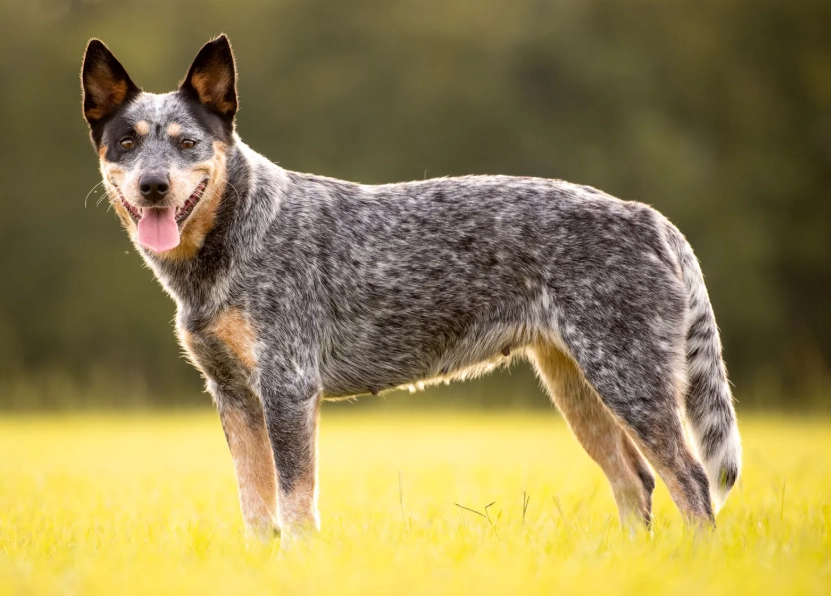
What You'll Learn in This Guide
Understanding the Australian Cattle Dog Temperament
Australian Cattle Dogs, often called Blue Heelers, were bred to herd cattle in tough Australian outback conditions. That history shapes everything about them. They're not your average couch potato.
Think of them as the overachievers of the dog world. Incredibly smart, but with a stubborn streak that can frustrate new owners. I remember my dog, Max, figuring out how to open doors within a week. It was impressive, but also meant I had to child-proof the house.
Their temperament mixes loyalty with independence. They bond deeply with one or two people, but can be aloof with strangers. That makes them great watchdogs, but socialization is key—otherwise, they might become overly protective.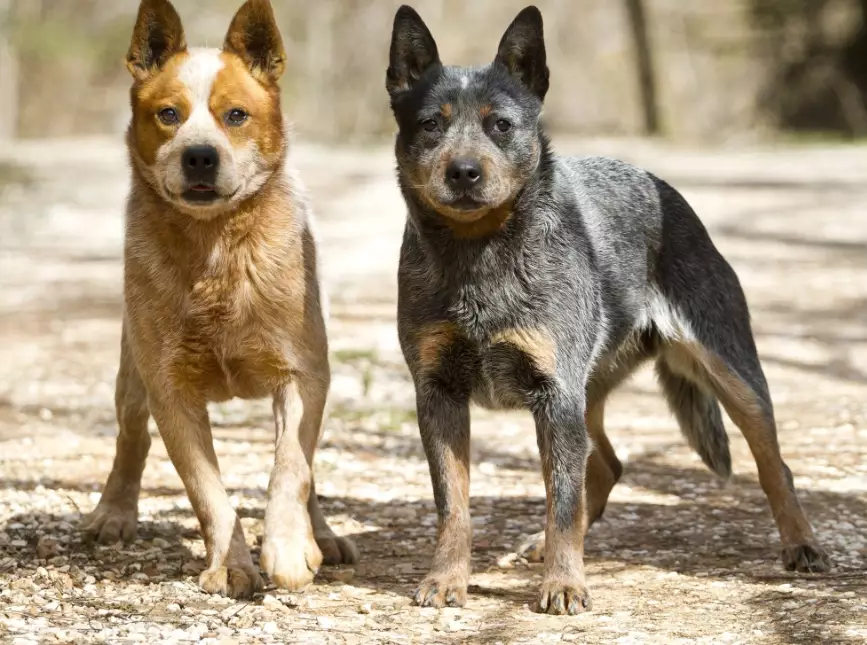
Key takeaway: If you want a dog that's always by your side and ready for action, this breed delivers. But if you prefer a low-key companion, look elsewhere. Their energy is non-negotiable.
Pros of Owning an Australian Cattle Dog
- High intelligence: They learn commands quickly and excel in dog sports like agility.
- Loyalty: Once they trust you, they're fiercely devoted. Mine follows me from room to room.
- Low grooming needs: Their short coat requires minimal brushing—a bath every few months suffices.
Cons to Consider
- High energy: They need intense daily exercise. Skip a day, and you might find chewed-up shoes.
- Herding instinct: They may nip at heels, especially with kids or other pets. It's not aggression, but it needs training.
- Boredom leads to trouble: Left alone too long, they can become destructive. I've seen them dig through carpets out of frustration.
Exercise Needs: Can You Keep Up?
This is the make-or-break point for house suitability. Australian Cattle Dogs were bred to work all day, and that drive doesn't vanish indoors.
They need at least 60-90 minutes of vigorous exercise daily. Not just a walk around the block—think running, hiking, or fetch in a large yard. If you live in an apartment, be prepared for multiple outings. A friend of mine in a city apartment takes his dog to a dog park twice a day, rain or shine.
Mental stimulation is just as crucial. Puzzle toys, obedience training, or hide-and-seek games keep their minds engaged. Without it, they'll invent their own fun, and you might not like the results.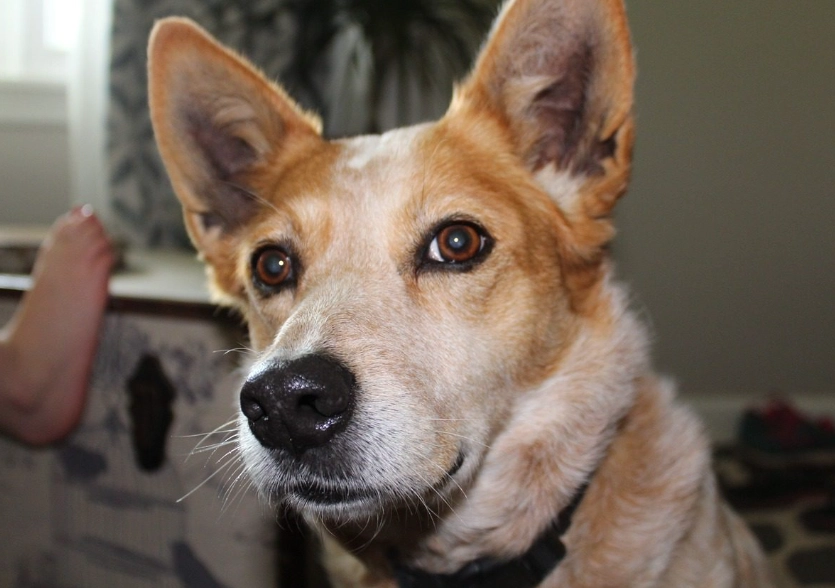
| Activity Type | Daily Minimum | Tips for Indoor Homes |
|---|---|---|
| Physical Exercise | 60-90 minutes | Use a treadmill for bad weather, or set up indoor obstacle courses. |
| Mental Stimulation | 30 minutes | Rotate puzzle toys; teach new tricks weekly to prevent boredom. |
| Social Interaction | Regular outings | Doggy daycare can help if you work long hours, but it's pricey. |
I made the mistake early on of underestimating this. Max destroyed a couch cushion after a lazy weekend. Lesson learned: consistency is everything.
Training an Australian Cattle Dog: Tips and Challenges
Training an Australian Cattle Dog is like negotiating with a clever toddler. They pick up commands fast, but they'll test boundaries endlessly.
Start young. Puppies are more malleable, but even adults can learn with patience. Use positive reinforcement—treats, praise, play. Harsh methods backfire; these dogs remember slights and can become resentful.
Focus on impulse control. Commands like "leave it" or "stay" are lifesavers in a house. For example, when guests arrive, a solid "stay" prevents jumping or nipping.
One nuance many miss: these dogs need a job. Without one, they'll assign themselves tasks you might not want, like herding the cat. I give Max a "job" by having him carry his toy basket—it sounds silly, but it channels his energy.
Common Training Mistakes
- Inconsistency: If you let them on the couch one day and scold them the next, they get confused. Set rules and stick to them.
- Neglecting socialization: Expose them to different people, sounds, and environments early. Otherwise, they can become fearful or aggressive.
- Over-relying on physical exercise alone: Mental workouts are key. A tired mind often matters more than a tired body.
Is an Australian Cattle Dog Good with Kids and Other Pets?
This depends heavily on upbringing. With proper socialization, they can be fantastic family dogs. But there are caveats.
Kids need to be taught how to interact. Australian Cattle Dogs have a low tolerance for roughhousing. Their herding instinct might lead them to nip at running children—it's not malice, just instinct. Supervision is non-negotiable, especially with toddlers.
With other pets, it's a mixed bag. They can coexist with cats if raised together, but their high prey drive might kick in with smaller animals like rabbits. I introduced Max to my cat slowly, with controlled meetings, and now they tolerate each other. But it took months.
If you have a multi-pet household, introductions should be gradual. Use baby gates and positive associations. Some owners report success, but others struggle—it's not a guarantee.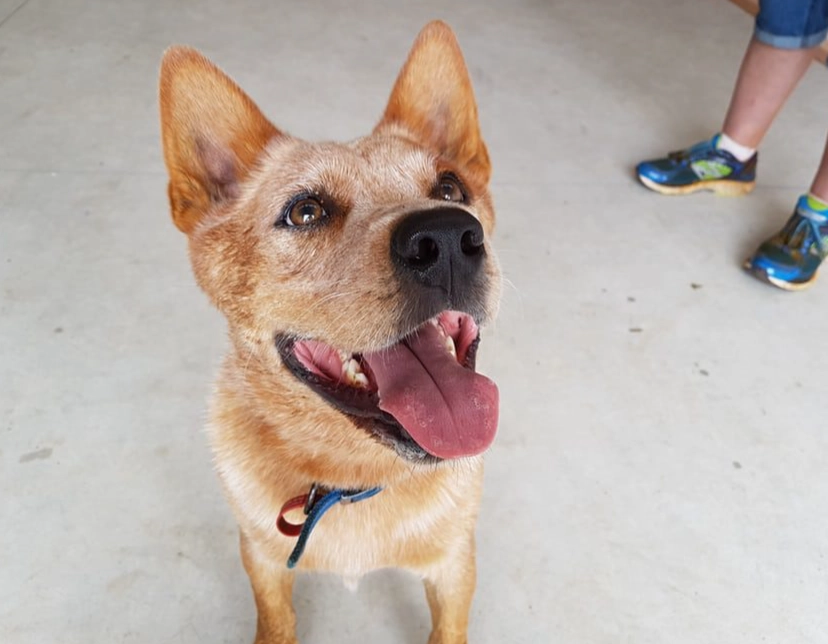
Common Health Issues to Watch For
Australian Cattle Dogs are generally hardy, but they have breed-specific health concerns. Being proactive saves heartache later.
Hip dysplasia is common. Regular vet check-ups and maintaining a healthy weight help. I feed Max a balanced diet and avoid over-exercising him as a puppy to protect his joints.
Progressive retinal atrophy can lead to blindness. Genetic testing from reputable breeders is crucial. Ask for health clearances—if a breeder brushes this off, walk away.
Deafness, especially in dogs with excessive white coats, is another issue. Simple tests at the vet can catch it early. My neighbor's dog is deaf, and they use hand signals for training—it works, but requires extra effort.
Don't skip dental care. Their active lifestyle doesn't exempt them from tartar buildup. Brush their teeth weekly or provide dental chews.
FAQs About Australian Cattle Dogs as House Dogs
 Wrapping up, an Australian Cattle Dog can be a wonderful house dog if you match their energy and intelligence. They're not for everyone—I've seen owners give them up because they couldn't handle the demands. But if you're active, patient, and ready for a loyal partner, this breed might just be your perfect fit. Do your homework, visit breeders or rescues, and be honest about your lifestyle. It makes all the difference.
Reader Comments