You're picturing it, right? Curling up on the couch after a long day, a furry, loyal friend tucked into your side. If that friend is an Australian Cattle Dog (or a Blue or Red Heeler, as they're often called), the picture might need some adjusting. The short, honest answer is: they can be, but not in the way a Golden Retriever is. Their snuggles are earned, conditional, and on their own terms. It's a different language of love, one spoken through partnership more than passive proximity. I've lived with my Heeler, Max, for eight years. The first time he voluntarily put his head in my lap, I almost cried. It wasn't because he was tired; it was because we'd just finished a complex agility course, and he was, in his mind, debriefing. That's the key to understanding this breed. We need to redefine the term. For a breed developed over centuries to herd stubborn cattle across vast Australian ranches, affection is functional. The American Kennel Club breed standard describes them as "alert, curious, and pleasant" but also notes their "natural wariness of strangers." That wariness extends to how they express intimacy. Here’s what a Cattle Dog's version of "snuggly" often looks like: A Common Mistake New Owners Make: They interpret the dog's intense staring and close following as a desire for petting. You reach down to scratch, and the dog often moves away. It's not rejection. The dog was working—observing you—and your petting interrupted the job. It’s like someone trying to hug a security guard on duty. This is the core conflict. Their genetics scream move, think, solve, herd. Passive cuddling is the antithesis of that. A study on canine behavior published in the journal Applied Animal Behaviour Science has highlighted how breed purpose deeply influences social behaviors. Herding breeds often show affection through controlling movement (light nudging, circling) and maintaining proximity to their "flock." So, when your Heeler seems to ignore your invitation to couch cuddle, it's not a lack of love. It's that their love language is waiting to be spoken through activity. Asking a Cattle Dog to cuddle first is like asking a master carpenter to just hold a hammer without building anything. It feels pointless to them. You cannot create a cuddly Cattle Dog without first installing an off-switch. This is the single most important piece of advice I can give. An un-exercised, under-stimulated Heeler is a restless, anxious, often destructive bundle of energy. They will pace, whine, and herd your ankles. Snuggling is the last thing on their—or your—mind. The off-switch is trained through structured exercise (not just yard time), mental games like puzzle feeders or scent work, and clear cues for downtime. My cue for Max is "settle." It means go to your bed and relax. We practice this daily. Without this foundation, expecting calm affection is a fantasy. Forcing a Cattle Dog into cuddles will backfire, creating a dog that avoids your touch. The strategy is to make calm closeness the most rewarding option available. Here’s a step-by-step approach that actually works. Step 1: Fulfill the Drive First. Always, always engage their body and mind before attempting quiet time. A long walk where they can sniff, a training session learning a new trick, a game of fetch with rules (e.g., must sit before I throw). Drain the tank. Step 2: Create the Invitation. Sit on the couch or floor in a relaxed posture. Have some ultra-high-value treats (freeze-dried liver, small cheese bits) ready. Ignore the dog at first. Let them come to investigate you and the treat smell. Step 3: Reward Proximity, Not Just Contact. When they lie down near you, toss a treat to them. Don't make them get up. You're rewarding the act of being calm and close. If they lean on you, jackpot—several treats in a row. Step 4: Introduce Low-Key Touch. While they're in that calm, rewarded state, try a slow, firm chest scratch or a gentle ear rub. If they lean in, continue. If they tense or move away, stop immediately and go back to just rewarding proximity. This teaches them they have control. This process takes weeks, sometimes months. The payoff? A dog that chooses to snuggle because it associates your quiet presence with deep satisfaction and safety, not obligation. If you're struggling with a young, fiery Cattle Dog (under 3 years), hear this: it gets better. Much better. Around 4-7 years old, a noticeable mellowing often occurs. The frantic edge softens. They start to appreciate true relaxation. My Max didn't become a "lap dog" at age five, but he began seeking out sunbeams to nap in. He'd choose the sofa over the cool tile floor. He started enjoying long, slow petting sessions in the evening. This felt like a monumental achievement because it was his idea. This earned affection, built on a decade of partnership, is more meaningful than any puppy cuddle. This is the non-consensus part. Chasing a snuggly Cattle Dog might mean you're missing their best qualities. Their love isn't cheap or easy. It's a fierce, loyal, working partnership. The pride you feel when they master a complex command, the trust when they look to you for direction on a hike, the sheer joy they exhibit when working with you—that's their primary love letter. The occasional couch snuggle becomes a precious, quiet postscript to that letter. If you need a dog whose primary mode of affection is physical touch and constant petting, a Cattle Dog will frustrate you. You'll be trying to read a book written in a language you don't understand. But if you can appreciate a bond built on mutual respect, activity, and intelligent companionship, the moments of physical affection they do offer will feel like winning the lottery. They are earned, they are genuine, and they are a testament to the deep trust you've built. So, are Australian Cattle Dogs snuggly? They can be. But their snuggles are a quiet bonus feature, not the main event. The main event is an unparalleled, active, thinking partnership with a dog that will move mountains for you. If you learn their language, the cuddles—when they come—are all the sweeter.Quick Snapshot: What to Expect
What Does "Snuggly" Mean for a Cattle Dog?
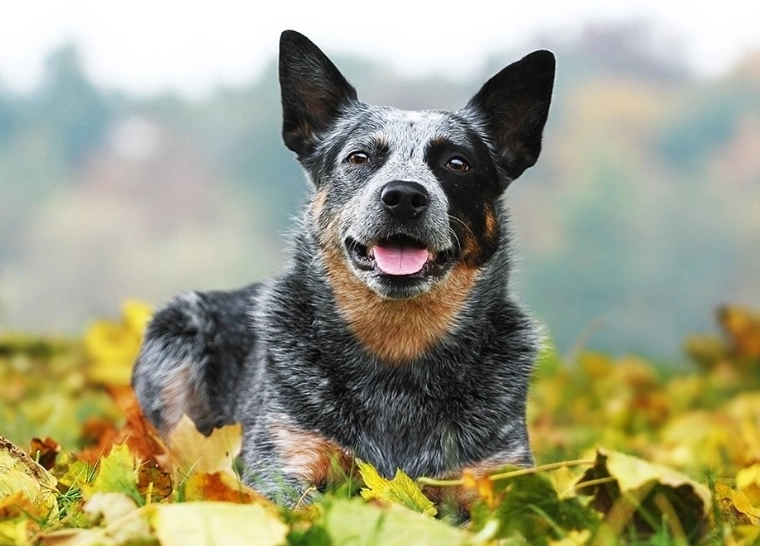
The Work Ethic vs. The Cuddle Ethic
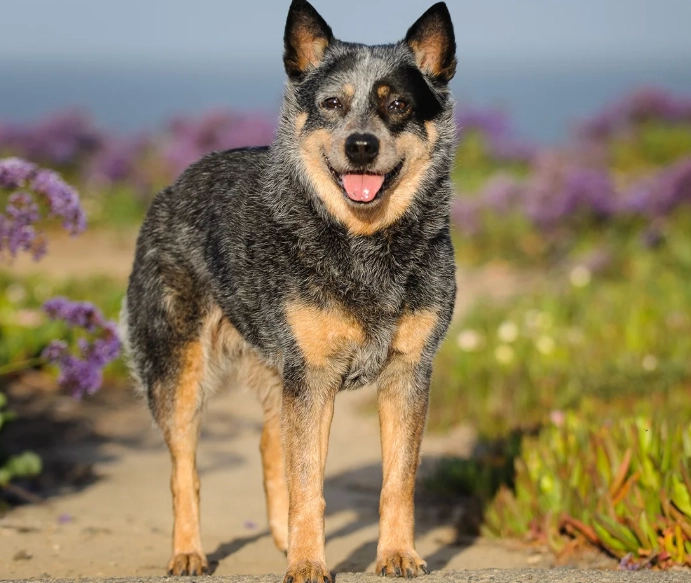
The "Off-Switch" is Non-Negotiable
How to Build a Cuddly Bond (The Right Way)
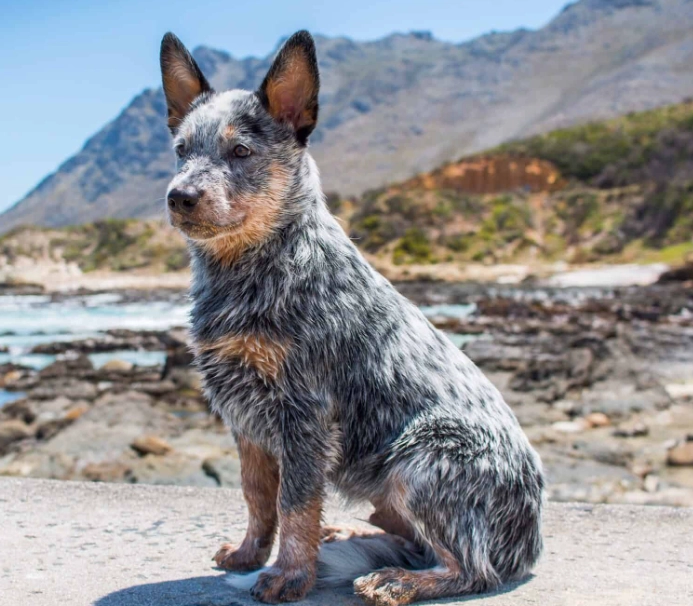
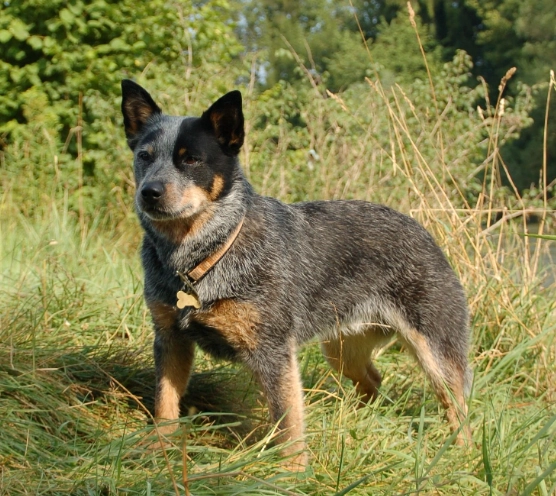
When Age Makes All the Difference
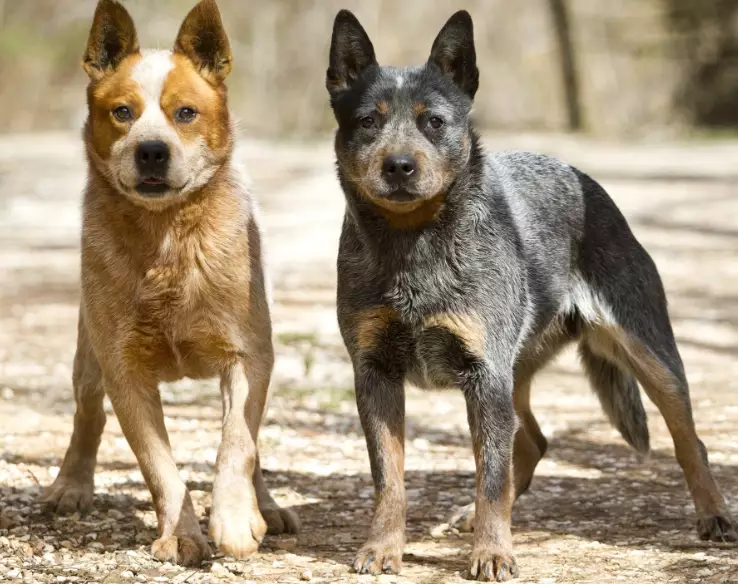
Is a Snuggly Cattle Dog Even the Right Goal?
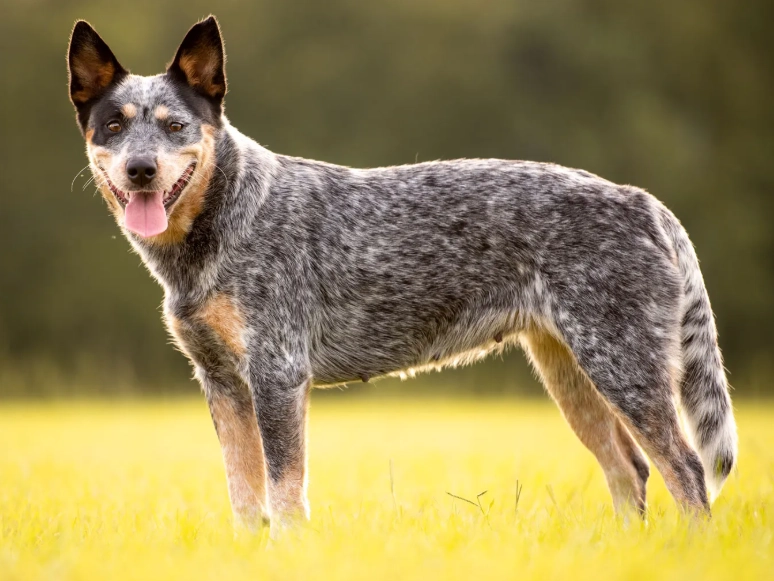
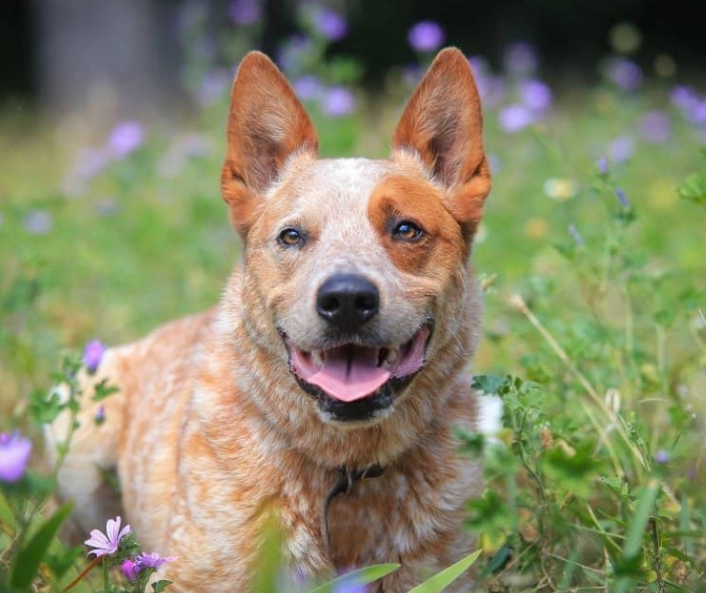
Your Cattle Dog Cuddle Questions, Answered
Are Australian Cattle Dogs naturally cuddly?
Not in the traditional, lap-dog sense. Their primary genetic wiring is for work, not leisure cuddling. An Australian Cattle Dog's idea of affection is often expressed through proximity while you're active, a focused gaze, or a gentle nudge with their nose—a herding behavior—rather than prolonged, passive snuggling. They show love through partnership and shared purpose.
How can I encourage my Cattle Dog to be more snuggly?
Associate calm, quiet closeness with positive rewards. Start by inviting them onto the couch after a long, satisfying walk or training session when they're naturally more settled. Use high-value treats or gentle massage as they lie near you. Never force them into a cuddle; let them initiate and leave as they please. The goal is to make stillness and contact a rewarding choice, not a command. It's a slow conditioning process, not a switch you flip.
Do Cattle Dogs get more affectionate with age?
Yes, this is a common and often delightful shift. Around 4-7 years old, many Cattle Dogs begin to mellow. Their intense physical drive dials down a notch, and they start to appreciate downtime more. You might find your once-perpetually-busy dog seeking out the sunny spot on the rug near your feet or even resting their head on your lap. This earned affection feels incredibly special because you've built the foundation of trust and partnership for years.
Are Cattle Dogs too independent to cuddle?
Independent, yes. Aloof or cold, no. This is a crucial distinction. Their independence stems from the problem-solving intelligence required for herding. They don't cuddle out of neediness, but out of a conscious choice to be with their person. This makes their moments of affection feel incredibly genuine and earned. They are loyal to the core, but their loyalty is expressed through vigilant companionship and a desire to work with you, not just on you.
Comment